Nila Kartika Wati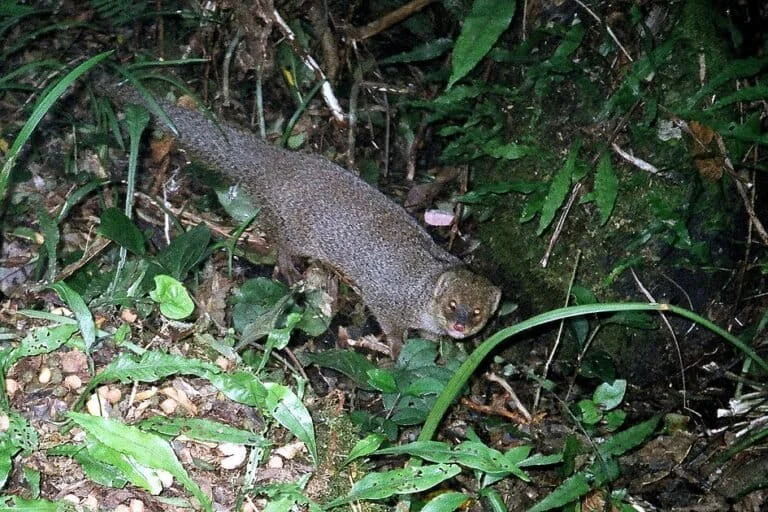
The history of human intervention in natural ecosystems is replete with well-intentioned errors, but few have left as permanent and destructive a mark as the introduction of the small Indian mongoose to tropical islands during the late 19th century. What began as a calculated strategy to protect the lucrative sugar industry from a devastating rat plague transformed into a textbook case of ecological mismanagement. Today, the small Indian mongoose (Herpestes auropunctatus) is recognized not as a savior of agriculture, but as one of the world’s 100 most destructive invasive species, responsible for the decline and extinction of numerous endemic birds, reptiles, and amphibians across the Caribbean, the Pacific, and beyond.
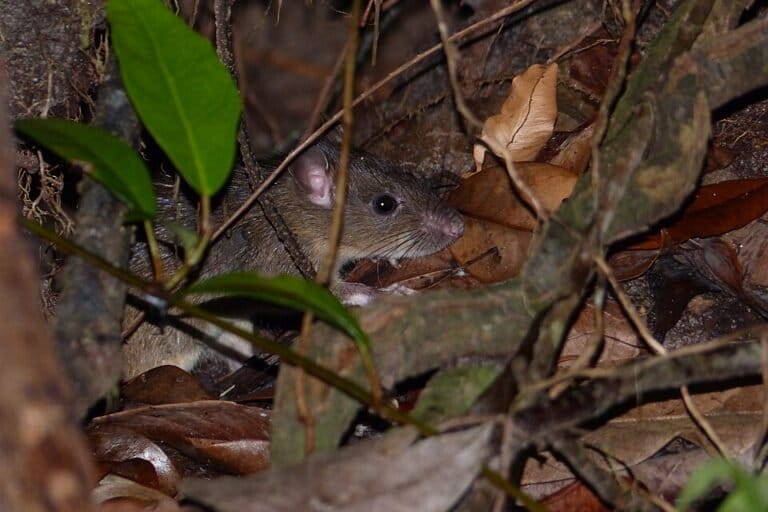
The roots of this environmental disaster can be traced back to the global expansion of the sugar trade. In the mid-to-late 1800s, sugar was the "white gold" of the colonial economy, and plantations in Jamaica, Hawaii, and Fiji were the engines of wealth for imperial powers. However, these plantations faced a relentless adversary: the black rat (Rattus rattus) and the brown rat (Rattus norvegicus). These rodents, which had arrived on the islands as stowaways on European ships, found the endless fields of sugarcane to be an ideal habitat. They caused massive economic losses by gnawing through stalks, which not only killed the plants but also invited fungal infections that further rotted the crops. By the 1870s, plantation owners were desperate for a solution that did not involve expensive and often ineffective manual trapping or poisoning.
The Chronology of a Misguided Introduction
The shift toward biological control—using one species to manage another—seemed like a revolutionary and cost-effective approach. In 1872, W.B. Espeut, a plantation owner in Jamaica, took the initiative to import nine small Indian mongooses from the region of Calcutta, India. The logic was deceptively simple: mongooses were legendary for their predatory prowess in their native range, particularly their ability to kill snakes and rodents. Espeut’s initial reports were glowing; he claimed a significant reduction in rat damage and a massive increase in plantation profits.
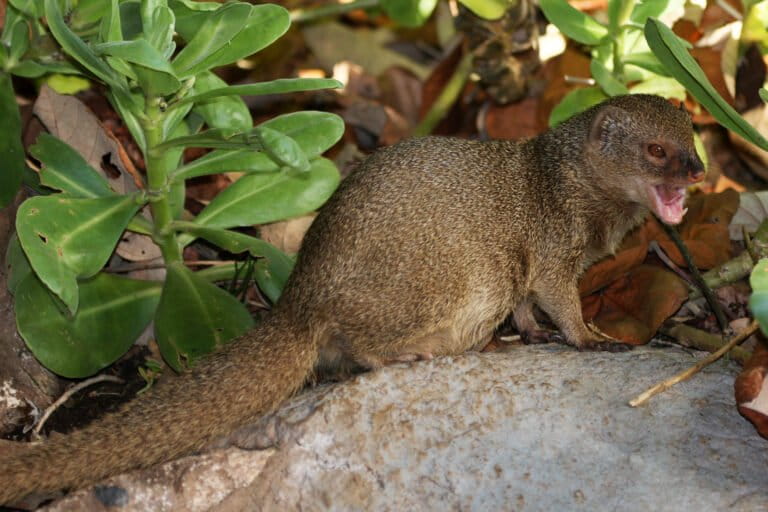
Buoyed by this perceived success, other sugar-producing regions followed suit. Between 1883 and 1885, the mongoose was introduced to the Hawaiian Islands, specifically the Big Island, Maui, and Oahu. Shortly thereafter, the animals were brought to Fiji. It is a notable historical detail that these later introductions did not involve new shipments from Asia; instead, the mongooses were sourced from the existing population in Jamaica. This rapid dispersal occurred in an era before the birth of modern ecology, meaning no preliminary field studies or impact assessments were conducted. The plantation owners operated on a primitive understanding of predator-prey dynamics: "Predator eats prey; therefore, more predators equal fewer prey."
This period also saw a significant taxonomic error that persisted for over a century. The species was long referred to as Herpestes javanicus, suggesting an origin in Java, Indonesia. However, modern genetic and taxonomic revisions have clarified that the introduced species was actually Herpestes auropunctatus, native to South Asia and Iraq. The "Javan" misnomer was the result of early naturalists grouping various Asian mongooses into a single category, a mistake that clouded scientific understanding of the animal’s specific behaviors and environmental requirements for decades.
The Asynchrony of "Working Hours"
The failure of the mongoose as a rat-catcher was rooted in a fundamental biological oversight: the two species operate on completely different schedules. The small Indian mongoose is strictly diurnal, meaning it is active during the day. It relies heavily on its keen eyesight to hunt. Conversely, the rats that plagued the sugar plantations are primarily nocturnal. They emerge under the cover of darkness to feed, precisely when the mongoose is retreating to its burrow to sleep.
This temporal mismatch meant that the mongoose and the rat rarely occupied the same space at the same time. While a mongoose might occasionally stumble upon a rat’s nest or catch a lingering rodent at dawn or dusk, there was no sustained predatory pressure on the rat population. The "war on rats" was effectively a stalemate where the two combatants never actually met on the battlefield.
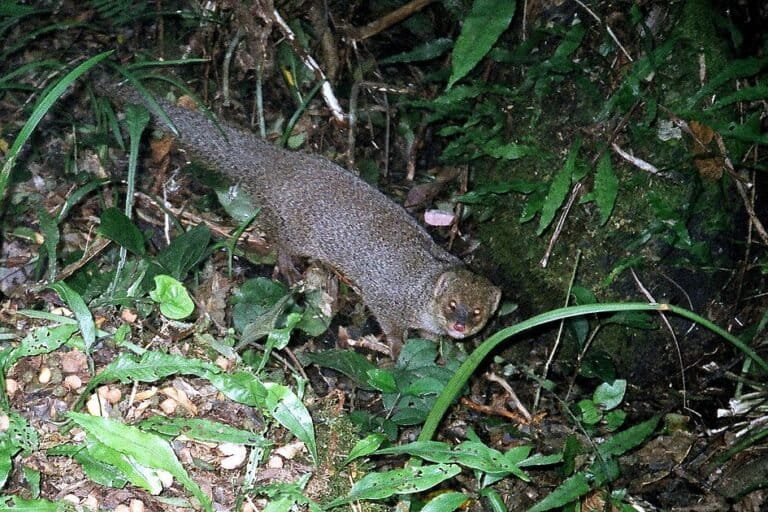
Scientific confirmation of this failure came much later but was definitive. In the 1950s, the renowned American entomologist and ecologist David Pimentel conducted an extensive study in Puerto Rico, where the mongoose had also been introduced. Pimentel’s methodology involved the dissection of hundreds of mongoose stomachs to analyze their diet. The results were startling: rats constituted only a negligible fraction of the mongoose’s caloric intake. Instead, the animals were gorging themselves on insects, small lizards, and the eggs of ground-nesting birds. Pimentel’s research provided the first empirical evidence that the mongoose had ignored its intended target in favor of easier, more accessible prey.
Ecological Devastation and the "Island Syndrome"
The true tragedy of the mongoose introduction lies in its impact on native biodiversity. Islands are unique evolutionary laboratories where species often evolve in the absence of mammalian predators. This leads to a phenomenon known as "island syndrome," where animals lose their defensive instincts. Birds may become ground-nesters, and reptiles may become slow-moving or lose their wariness.
When the mongoose arrived, it found an "all-you-can-eat" buffet of defenseless native wildlife. Unlike the rats, which could hide in the canopy or deep burrows at night, many native species were active during the day or left their nests vulnerable on the ground. The mongoose, being a generalist and opportunistic hunter, quickly pivoted from the difficult-to-catch rats to the easy-to-catch native fauna.
In Jamaica and across the Caribbean, the introduction of the mongoose coincided with a precipitous decline in endemic lizard and snake populations. One of the most harrowing examples is the Antigua racer (Alsophis antiguae). Once the most common snake on the island of Antigua, it was driven to near-extinction by mongoose predation. By the late 20th century, it was considered one of the rarest snakes in the world, surviving only on a few tiny, mongoose-free offshore islets. Extensive conservation efforts have since been required to prevent its total disappearance.
In Hawaii, the mongoose added a new layer of pressure to an already fragile ecosystem. Hawaiian birds, already reeling from habitat loss and avian malaria carried by introduced mosquitoes, saw their numbers plummet further as mongooses raided the nests of ground-nesting species like the Nēnē (Hawaiian goose). In Fiji, the story was much the same, with several species of ground-dwelling frogs and skinks facing local extirpation.
The Resilience of an Invasive Juggernaut
If the mongoose was a failure at its intended job, it was a spectacular success as an invader. Several factors contributed to its ability to dominate new environments. First is its reproductive rate; a female can produce multiple litters a year, and the young reach sexual maturity rapidly. Second is its generalist diet. Because it can eat anything from fruit and insects to birds and small mammals, it is never at risk of starvation, even if one food source disappears.
Furthermore, the islands where they were introduced lacked any natural predators that could keep the mongoose population in check. In their native India, mongooses are preyed upon by larger carnivores and raptors. In the Caribbean and the Pacific, they sat at the top of the food chain. This lack of "top-down" control allowed their populations to explode, reaching densities far higher than those found in their natural Asian habitats.
The review published by Samuel Hays and Sheila Conant in the journal Pacific Science in 2007 synthesized decades of research into a damning conclusion. They noted that any minor benefit the mongoose provided in reducing rat populations was overwhelmingly outweighed by the permanent damage done to native ecosystems. The study underscored that the mongoose did not replace the rat as the primary pest; it simply added a second, more dangerous layer of infestation.
Modern Implications and Lessons Learned
The legacy of the small Indian mongoose serves as a foundational lesson in modern conservation biology and invasive species management. It highlights the dangers of "acclimatization societies"—19th-century groups dedicated to spreading "useful" species around the world—and the catastrophic potential of introducing non-native species without rigorous scientific vetting.
Today, the cost of this mistake is measured in millions of dollars spent on eradication and control programs. On islands like Okinawa in Japan and various Caribbean territories, massive trapping efforts are underway to protect what remains of the local biodiversity. However, total eradication is notoriously difficult once a species has established a foothold across a rugged island landscape.
Furthermore, the mongoose story has changed how scientists approach biological control today. Modern protocols, such as those governed by the International Standards for Phytosanitary Measures (ISPM), require years of quarantine, host-specificity testing, and environmental impact modeling before any agent—be it an insect or a fungus—is released into a new environment.
The small Indian mongoose remains a permanent fixture on the IUCN’s list of the world’s most invasive species, a living monument to human shortsightedness. It serves as a reminder that the "balance of nature" is a complex web of interactions that cannot be easily manipulated for economic gain. As we face a modern biodiversity crisis, the story of the mongoose and the rat remains a cautionary tale about the importance of humility and scientific rigor in our attempts to manage the natural world. The "simple" solution of 1872 created a complex nightmare that ecologists in 2024 are still struggling to wake up from.