Nila Kartika Wati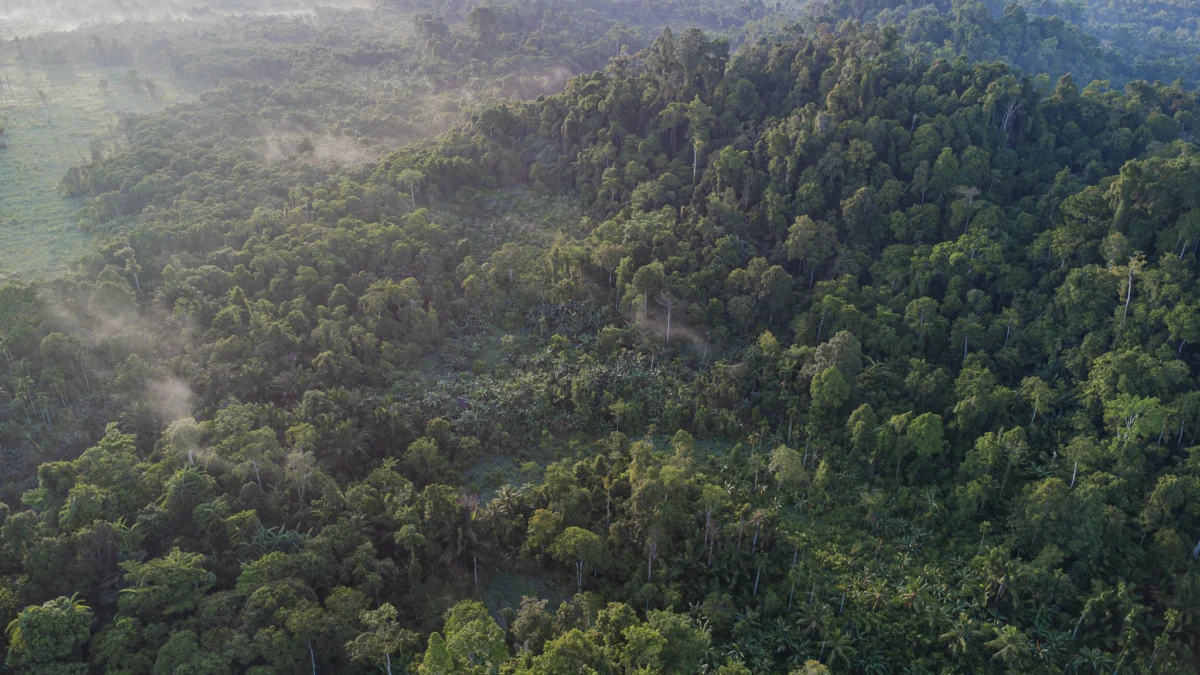
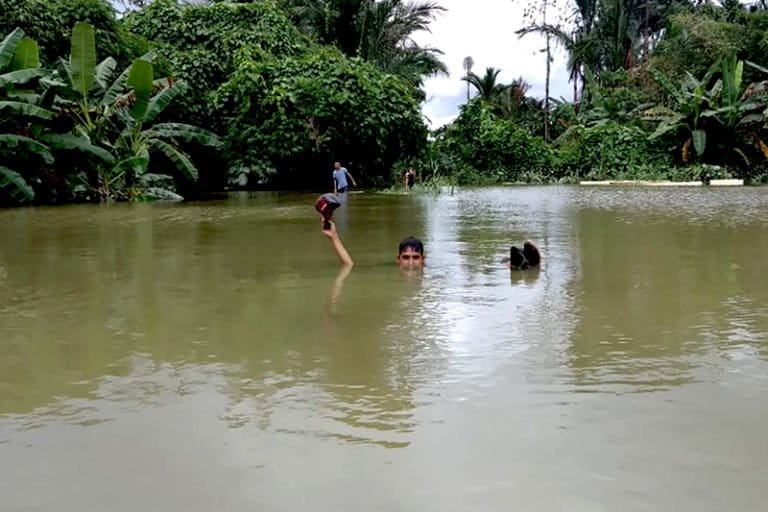
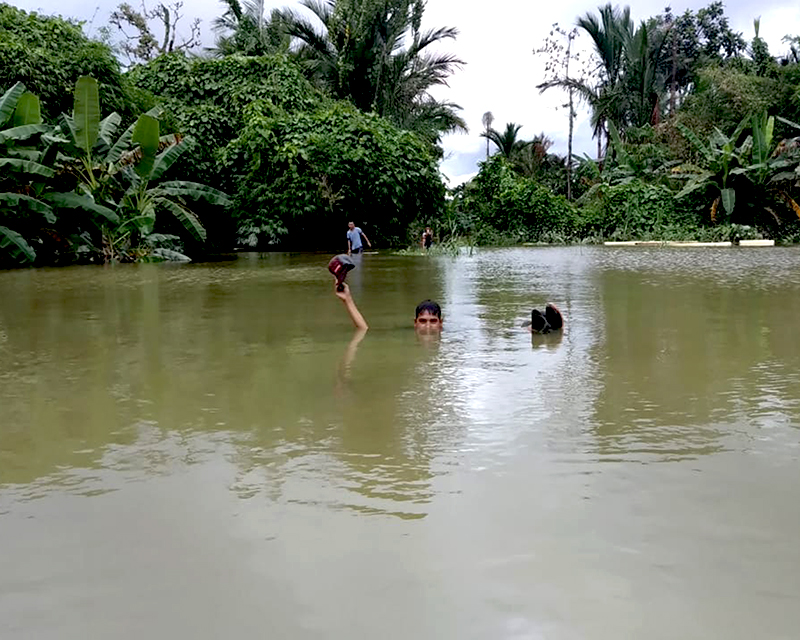
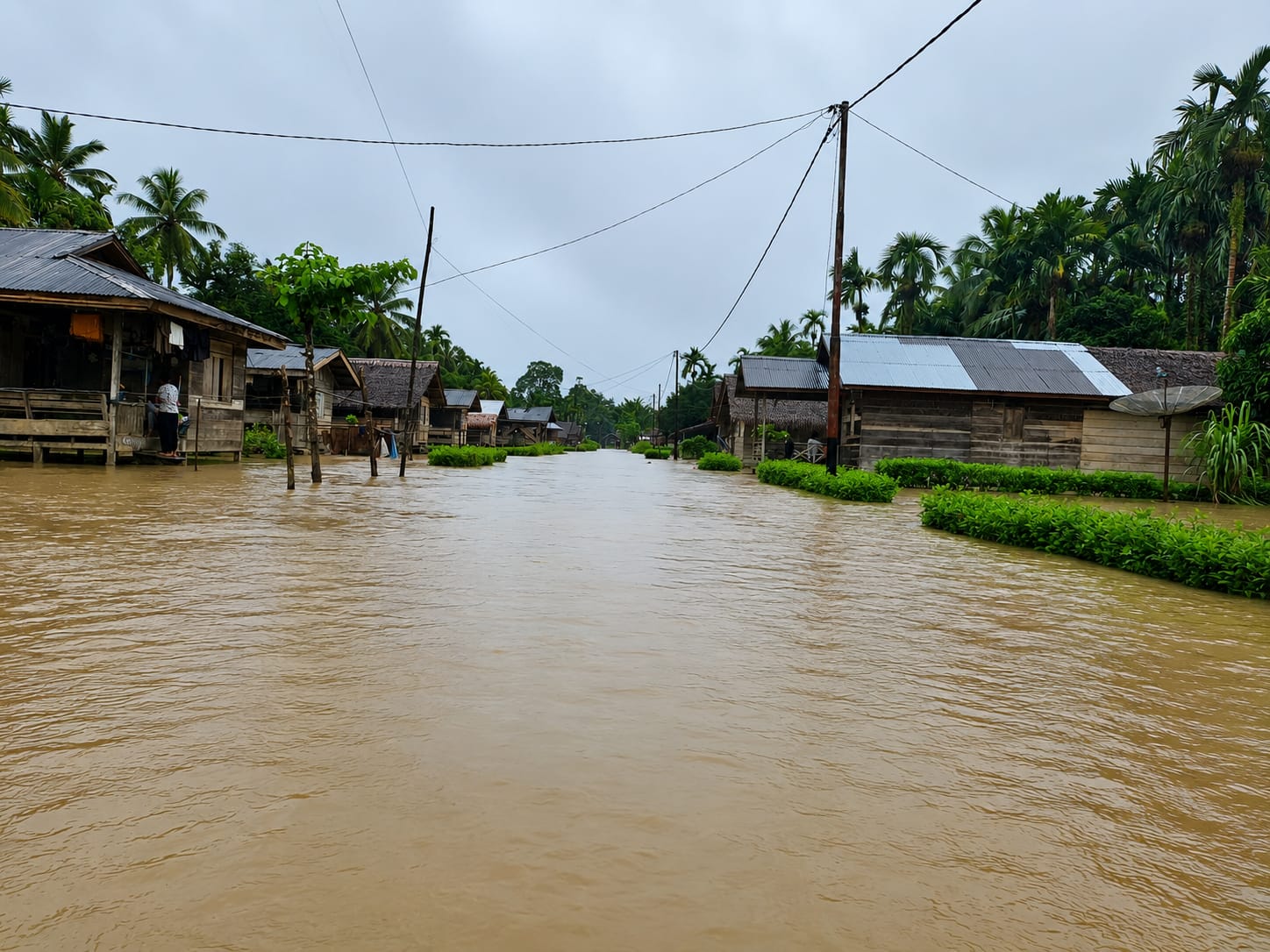
The sound of rain in the village of Malancan, North Siberut, no longer brings the cool relief it once did; instead, it signals the onset of a now-predictable disaster. Within just three hours of a heavy downpour, the Sirilanggai River breaches its banks, sending torrents of murky water into the streets and yards of residents in the Mentawai Islands, West Sumatra. By midday, water levels frequently exceed one meter, submerging the kitchens and living spaces of families who have called this island home for generations. This cycle of inundation has become a grim routine for Barnabas Saerejen, a prominent community leader in Siberut, who notes that while the waters eventually recede once the rain stops, the psychological and economic scars remain.
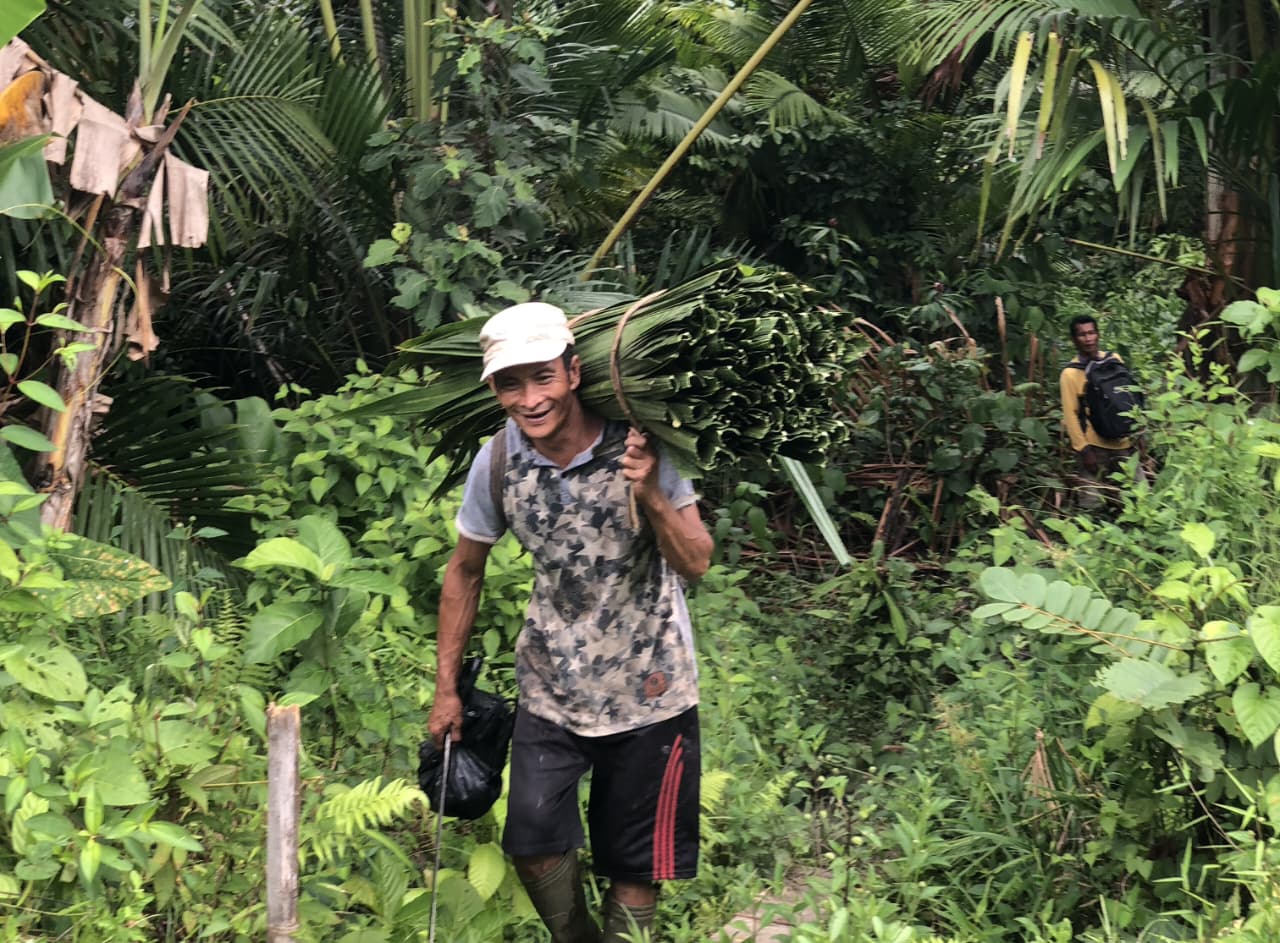
Despite the rising waters, the resilience of the Mentawai people is on full display, albeit born of necessity. Villagers are often seen wading through waist-deep floods, carrying their orek—traditional woven bags—as they head to their highland farms to salvage what remains of their livelihoods. While children occasionally turn the flooded fields into makeshift soccer pitches, the adults view the water with increasing trepidation. According to Barnabas, flooding was once a rare event, occurring perhaps once a year during the peak of the monsoon season. However, in recent years, the frequency has reached a breaking point. Today, a mere two hours of intense rain is sufficient to trigger a localized catastrophe.
The Link Between Logging and Ecological Instability
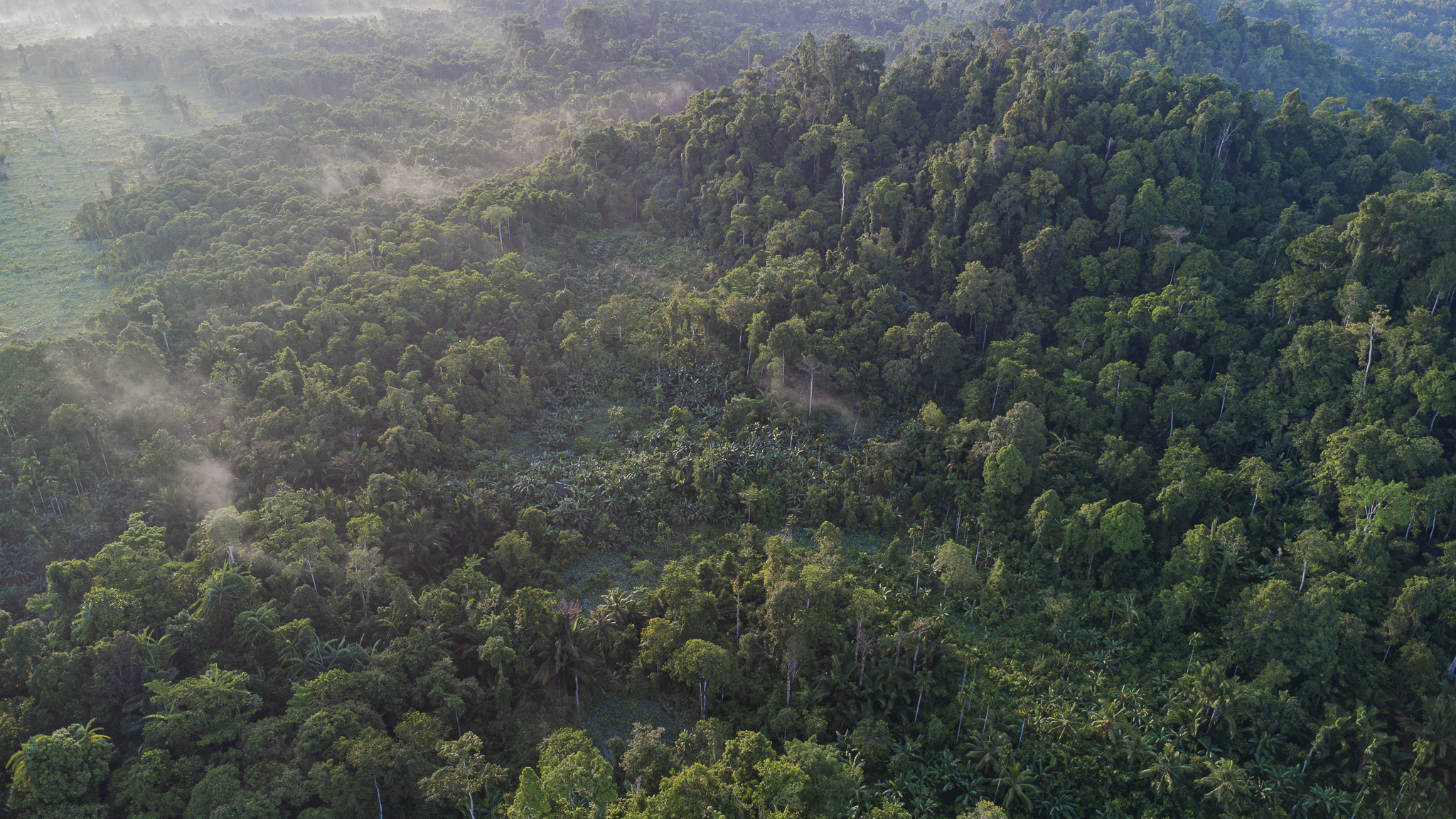
The residents of Malancan point to a clear chronological shift in the island’s ecology. The intensification of flooding coincides with the opening of the upstream forests for large-scale logging operations. While the community lacks the formal scientific equipment to measure soil erosion or runoff coefficients, their lived experience provides a compelling testimony. Barnabas, who has spent his entire life in the village, observes that the river’s behavior changed drastically after the primary forest canopy in the headwaters was thinned.
The headwaters of the Sirilanggai River are situated near a waterfall approximately 15 kilometers from the village. This area falls within the Annual Work Plan (RKT) of PT Salaki Summa Sejahtera (SSS), a company that held a long-term permit for timber extraction in North Siberut. Lemon Saponduru, whose home sits just 15 meters from the riverbank, is often the first to be hit. He recalls the catastrophic floods of late 2025, which lasted nearly three weeks, paralyzing the entire district. While the government provided emergency rations of instant noodles, eggs, and rice during that period, such aid is non-existent for the "smaller" floods that now occur multiple times a month.
In response to these allegations, PT SSS has consistently denied a direct link between their operations and the flooding. Harmanto, a representative for the company, argues that the disasters are solely the result of anomalously high rainfall. He maintains that the company’s concession area is geographically distant from the affected villages and that their use of the "selective logging" (tebang pilih) system ensures that the forest remains largely intact. Harmanto has stated that if the government finds evidence of environmental destruction, the company is prepared to face legal consequences, though he maintains that their impact is "insignificant."
Economic Erosion: Beyond the Floodwaters
The crisis in Siberut is not merely one of rising water; it is a fundamental breakdown of the island’s traditional economy. For centuries, the Mentawai people have relied on the forest for non-timber forest products (NTFPs), medicine, and food security. The arrival of industrial logging has disrupted this delicate balance. Barnabas explains that before PT SSS began its operations, villagers could easily find manau and fine rattan in the forests surrounding the village. These products were vital sources of cash income, sold to collectors for distribution across Sumatra.
The logging process, even when labeled as "selective," often results in significant collateral damage. Large trees, when felled, frequently crush the smaller rattan vines and manau plants beneath them. Furthermore, fruit-bearing trees like durian, which are central to the Mentawai diet and economy, are often knocked down during the construction of logging roads or the felling of nearby timber. No compensation is typically provided for these "unlisted" losses, leaving families with fewer resources to fall back on when their primary crops fail.
Adding to the community’s plight is a biological crisis affecting their agriculture. Banana plants, once a staple and a reliable source of income, have been decimated by disease—likely a form of Fusarium wilt or bacterial blood disease—that began spreading rapidly around 2025. In the past, a single harvest could net a family up to IDR 1.2 million, providing enough to cover daily needs and school fees. Now, the leaves turn yellow and wither within weeks. Despite desperate attempts to save the plants using kerosene injections or herbicides, the disease continues to sweep through the groves. With the bananas gone and the rattan crushed, many villagers are left with only seasonal durians, which fetch low prices in local markets due to the difficulty of transporting them to larger ports.
The Loss of Traditional Medicine and Cultural Identity
For the Mentawai, the forest is more than a resource; it is a pharmacy and a spiritual sanctuary. Due to the extreme isolation of many North Siberut villages and the lack of accessible modern healthcare, traditional medicine remains the primary defense against illness. Knowledge of plants like suailip for internal heat, patakkum for measles, and various leaves like simumuntei and sibeu sinagak has been passed down through generations of Sikereis (traditional healers).
The expansion of logging concessions into ancestral territories puts these medicinal species at risk of extinction. When the forest floor is disturbed by heavy machinery or the microclimate is altered by the loss of the canopy, these sensitive plants often fail to regrow. The loss of these plants represents a double blow: it increases the community’s vulnerability to disease while simultaneously eroding the cultural knowledge that defines the Mentawai identity.
A History of Conflict and Disputed Compensation
The presence of PT SSS in North Siberut has been contentious since its inception in 2004. The concession area, which spans approximately 47,605 hectares, was granted by the central government despite widespread local opposition. Rifai Lubis, Director of the Mentawai Image Image Foundation (YCMM), notes that the primary fear has always been the threat to Siberut’s status as a UNESCO Biosphere Reserve and its unique biodiversity, which includes endemic primates like the Kloss’s Gibbon and the Pig-tailed Langur.
One of the most significant sources of friction is the "Pulajuk money"—a compensation fee of roughly IDR 37,000 per cubic meter of timber paid to those the company recognizes as landholders. Rifai explains that this system often bypasses the actual traditional owners of the Ulayat (ancestral land). Instead, the company frequently negotiates with local elites or cooperatives that do not truly represent the community’s interests. This has led to bitter inter-clan conflicts and acts of desperation, such as villagers destroying bridges to prevent logging trucks from transporting timber out of the forest.
Under Indonesian law, forest areas are technically state property. This means that once a company receives a permit from the Ministry of Forestry, they are not legally obligated to obtain the consent of the indigenous people living on that land. This legal framework effectively disenfranchises the Mentawai, turning them into "squatters" on their own ancestral soil and leaving them with no recourse but to accept meager compensation for the destruction of their environment.
The Presidential Mandate: Revocation and the Path to Recovery
In a significant policy shift, President Prabowo Subianto moved to revoke the permits of 28 companies operating in forest areas across Sumatra in January 2026, citing various violations and environmental concerns. PT SSS was among those targeted. The decision was influenced by the catastrophic ecological disasters of 2025, which served as undeniable evidence of the risks associated with large-scale logging on small, ecologically sensitive islands.

However, environmental advocates argue that simply revoking a permit is not enough. Rifai Lubis emphasizes that the government must now focus on ecological restoration. YCMM has documented numerous violations by PT SSS, including logging on riverbanks and the use of logs to fill stream beds for heavy machinery access. Despite submitting coordinates and photographic evidence to the Ministry of Forestry, these reports were often dismissed as "minor infractions."
The challenge now lies in the "Satgas PKH" (Forest Area Order Task Force), which is tasked with managing the transition of these lands. While the company has filed an appeal and requested permission to transport the 21,194 cubic meters of timber already felled, the community is demanding that the focus shift to reforestation.
Future Implications and the Need for Spatial Reform
The head of the West Sumatra Forestry Service, Ferdinal Amin, acknowledges that the root of the problem lies in the province’s spatial planning (RTRW). As long as these areas are designated as "Production Forests," the legal door remains open for new permits to be issued in the future. To truly protect Siberut, the provincial and central governments must collaborate to reclassify these lands as "Indigenous Forests" (Hutan Adat) or "Protection Forests."
The story of Siberut is a cautionary tale of the limits of "selective logging" in fragile ecosystems. It highlights the urgent need for a developmental model that prioritizes indigenous rights and ecological stability over short-term commodity extraction. For the people of Malancan, the hope is that the revocation of logging permits marks the beginning of a long recovery process—one where the sound of rain once again brings life, rather than the fear of a rising river. Without a fundamental shift in how Indonesia manages its island forests, the Mentawai culture and the unique biodiversity of Siberut remain on the brink of an avoidable collapse.