Tyo Susilo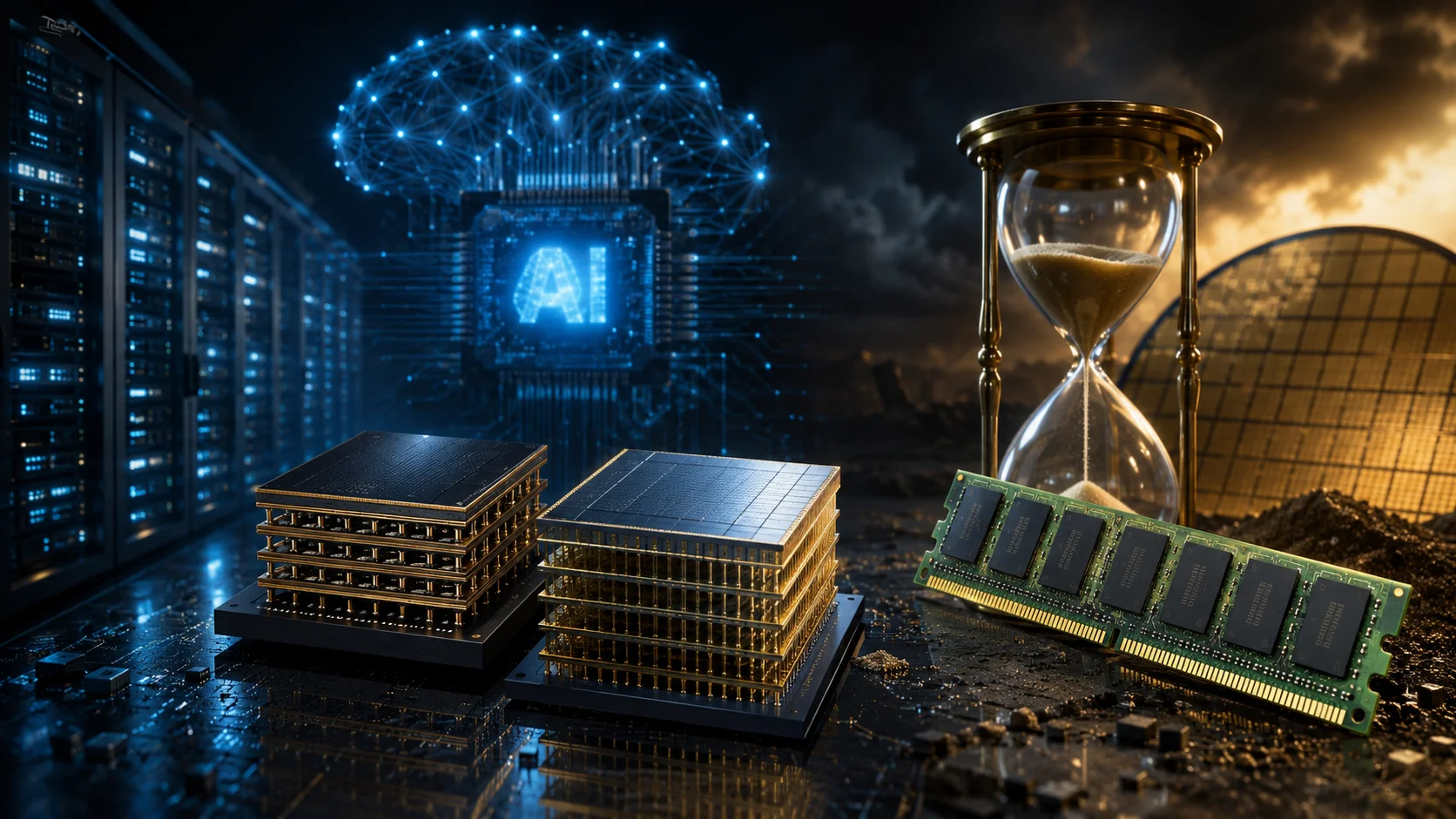
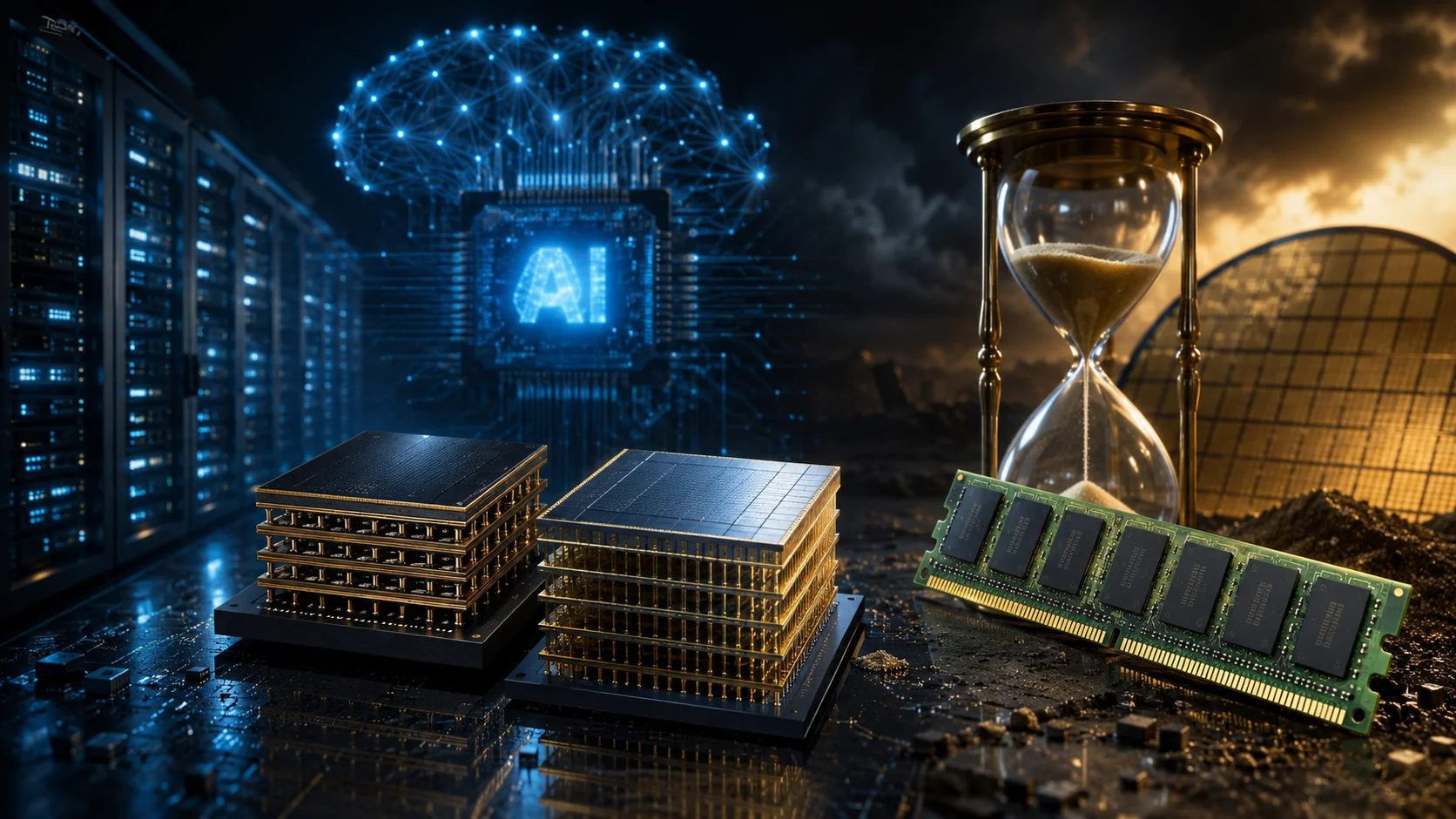
The global semiconductor industry is bracing for an extended period of memory scarcity, with leading manufacturer SK hynix issuing a stark warning that 2027 is poised to be the most challenging year yet for the sector in terms of supply. This forecast, delivered by SK hynix CEO Kwak Noh-jung, suggests that the current imbalance between demand and production capacity for crucial memory components is far from over and could persist well beyond the decade, potentially extending past 2030.
The primary driver behind this projected shortage is the insatiable and rapidly escalating demand for High Bandwidth Memory (HBM). HBM is an advanced type of DRAM (Dynamic Random-Access Memory) that plays a critical role in powering Artificial Intelligence (AI) accelerators. These specialized chips are indispensable for the training and deployment of large-scale AI models, such as those underpinning sophisticated language models, advanced image generation, and complex data analysis platforms. As AI’s capabilities expand and its integration into various industries accelerates, the need for high-performance memory solutions like HBM has surged exponentially.
The Growing Demand for HBM: A Technological Necessity
Unlike conventional DRAM used in personal computers and servers, HBM is characterized by its significantly higher bandwidth and lower power consumption, achieved through a stacked architecture of multiple DRAM dies connected vertically by through-silicon vias (TSVs). This intricate design allows for much faster data transfer rates, a critical bottleneck in the performance of AI workloads. The sheer computational power required to process vast datasets and train intricate neural networks necessitates memory that can keep pace with cutting-edge processors.
The complexity of HBM production is a key factor contributing to the supply constraints. Manufacturing HBM involves highly sophisticated packaging technologies and requires a larger silicon wafer area compared to standard DRAM chips. This means that foundries and manufacturers must dedicate significant resources and production lines to HBM, often at the expense of producing more conventional memory types. This strategic shift in production capacity further exacerbates the supply-demand gap for other memory segments.
SK hynix and Micron Secure Supply with Long-Term Agreements
In response to the escalating demand and anticipated shortages, major memory manufacturers like SK hynix and Micron have been actively engaging in Long-Term Agreements (LTAs) with their key clients. These LTAs serve as crucial instruments to secure future supply for specific customers over several years. They typically include provisions for price ceilings and floors, offering a degree of predictability for both suppliers and buyers in a volatile market. This proactive approach underscores the severity of the anticipated supply crunch and the strategic importance of securing HBM capacity.
The recent listing of SK hynix on the Nasdaq, a significant financial milestone, has coincided with these dire predictions. This strategic move aims to enhance the company’s global financial standing and potentially unlock further investment for expanding its production capabilities. However, even with increased capital, the lead times and technological hurdles associated with ramping up HBM production remain substantial.
Signs of Market Stabilization, but at a Higher Baseline
While the overall outlook remains challenging, there are some indications that the memory market may be entering a phase of relative stabilization, albeit at a significantly elevated price point. According to industry analysis firm TrendForce, contract prices for DRAM are projected to increase by approximately 15% to 18% in the third quarter of 2026 compared to the previous quarter. While this represents a moderation in the rate of price hikes seen in recent quarters, it still signifies a continued upward trend.
SK hynix acknowledges this trend, suggesting that the memory market is moving towards a more stable condition. However, the company clarifies that "stable" in this context does not imply a return to the lower price points of previous years. Instead, it suggests that prices will remain at significantly higher levels than historically observed, reflecting the ongoing supply constraints and the premium associated with advanced memory technologies like HBM.
The Evolving Landscape of AI Investment and its Impact
The current predictions are intrinsically linked to the rapid evolution of the AI industry. The trajectory of AI development is characterized by swift advancements and potential shifts in investment priorities. Consequently, the memory market’s future landscape remains highly contingent on the evolving demands of AI computation. Innovations in AI algorithms, the development of new AI architectures, and the emergence of novel AI applications could all influence the demand for specific types of memory and the overall market dynamics.
For instance, if future AI models become even more resource-intensive, the demand for HBM and its successors could intensify, potentially prolonging the shortage. Conversely, breakthroughs in AI efficiency or the development of specialized hardware that reduces memory dependency could alter the demand curve. This dynamic nature of the AI sector necessitates a cautious approach to long-term market forecasts.
Historical Context of Memory Shortages
The current situation is not unprecedented in the history of the semiconductor industry. Memory markets have historically been cyclical, characterized by periods of oversupply and subsequent shortages. These cycles are often driven by a combination of factors, including:
- Capital Expenditure Cycles: Memory manufacturers invest heavily in new fabrication plants (fabs) and equipment during periods of high demand and profitability. This can lead to an oversupply when these new capacities come online, driving down prices. Conversely, a slowdown in investment during downturns can lead to shortages when demand rebounds.
- Technological Transitions: Major shifts in memory technology, such as the transition from DDR4 to DDR5 or the development of new HBM generations, can temporarily disrupt supply as manufacturers retool their production lines and optimize new processes.
- Geopolitical Factors and Supply Chain Disruptions: Events like natural disasters, trade disputes, or global health crises can significantly impact the complex global supply chains for semiconductors, leading to unexpected shortages.
The current shortage, however, appears to be driven by a more fundamental and sustained increase in demand, particularly from the AI sector, coupled with the inherent complexities of producing advanced memory solutions like HBM. The sheer scale of AI model training and deployment is pushing the boundaries of existing memory technology and production capabilities.
The Role of Advanced Packaging in HBM Production
The manufacturing process for HBM is considerably more intricate than for standard DRAM. It involves advanced packaging techniques, most notably the use of Through-Silicon Vias (TSVs). TSVs are vertical electrical connections that pass through the silicon substrate, allowing multiple DRAM dies to be stacked directly on top of each other. This stacking method drastically reduces the physical distance data needs to travel, leading to higher bandwidth and lower latency.

The creation of TSVs involves precise etching and metallization processes that are difficult to scale. Furthermore, the thermal management of stacked dies is a critical challenge, requiring sophisticated thermal interface materials and cooling solutions. The yield rates for these complex processes can be lower than for planar manufacturing, further contributing to higher production costs and limited output.
Industry Reactions and Analyst Perspectives
While SK hynix’s CEO has provided a direct outlook, other industry players and analysts are also closely monitoring the situation. Companies that rely heavily on AI accelerators, such as those in cloud computing, automotive, and enterprise AI solutions, are keenly aware of the potential supply constraints. Their strategic planning for the next few years will undoubtedly be influenced by these forecasts.
Analysts from firms like Gartner and IDC have also been tracking the memory market. Their reports often highlight the strong demand from AI applications as a primary driver of market growth and supply challenges. While specific quantitative predictions may vary, the consensus points towards a prolonged period of tight supply for high-performance memory components.
Broader Implications and Potential Future Scenarios
The sustained memory shortage has several significant implications:
- Increased Costs for AI Development: The higher cost and limited availability of HBM will directly impact the cost of developing and deploying AI solutions. This could potentially slow down the adoption of advanced AI technologies in some sectors or favor larger companies with greater purchasing power.
- Innovation in Memory Technology: The intense demand and supply challenges are likely to spur further innovation in memory technology. This could lead to the development of next-generation memory solutions that offer even higher performance, greater efficiency, and improved manufacturability. Companies are actively researching alternatives and enhancements to HBM.
- Diversification of Supply Chains: The reliance on a few key manufacturers for critical components like HBM highlights the need for supply chain diversification. This could encourage new entrants into the memory market or prompt greater investment in regional semiconductor manufacturing capabilities.
- Impact on Consumer Electronics: While HBM is primarily used in high-end AI applications, sustained shortages in the broader memory market could eventually trickle down to affect the availability and pricing of consumer electronics, including PCs, smartphones, and gaming consoles, if production capacity is significantly diverted.
The forecast of a prolonged memory shortage, particularly driven by the insatiable appetite of the AI revolution, paints a clear picture of the challenges ahead. While the industry strives to meet this unprecedented demand, the intricate nature of advanced memory manufacturing and the rapid pace of AI innovation suggest that consumers and businesses alike should prepare for a future where memory, especially the high-performance kind, remains a premium and often scarce commodity. The next few years will be critical in determining how effectively the semiconductor industry can navigate this complex and evolving landscape.