Tyo Susilo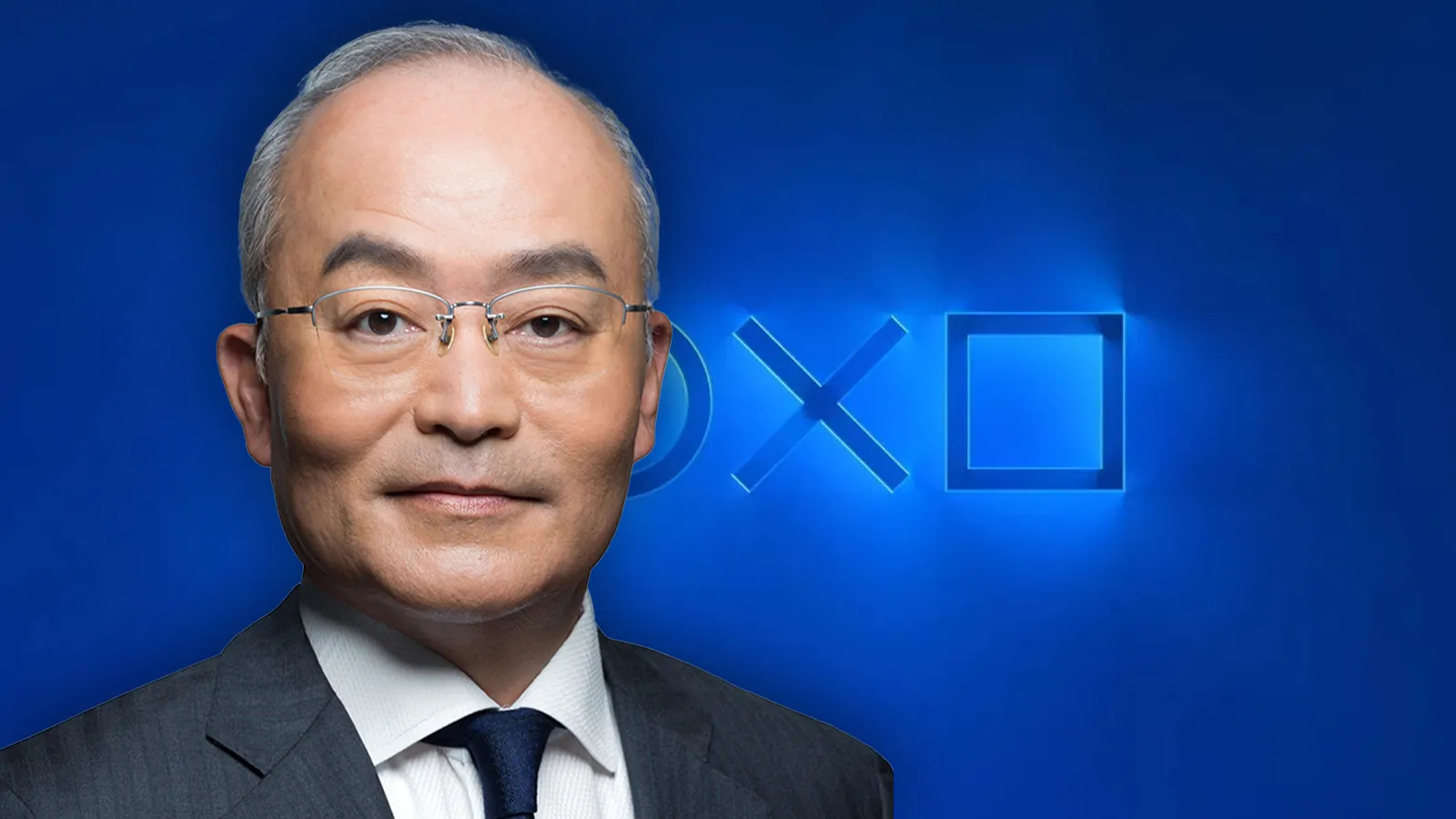
The decision by a top executive to divest a significant portion of their holdings in the company they lead invariably sparks scrutiny, particularly when it coincides with widespread backlash against recent corporate policy shifts. This scenario is currently unfolding at Sony, where its Chief Executive Officer has reportedly sold a substantial number of his shares amidst a period of intense controversy for its PlayStation division.
According to a filing with the United States Securities and Exchange Commission (SEC), Sony CEO Hiroki Totoki has sold more than half of his Sony shares. This transaction occurred shortly after the company announced its intention to cease the production of physical PlayStation games starting in 2028. This decision has ignited a fervent opposition from the gaming community, leading to the creation of the "Don’t Kill the Disc" petition, which has garnered hundreds of thousands of signatures and represents a significant groundswell of player dissent.
While official filings indicate that these share sales were part of previously reported transactions, and Sony has not issued any statements suggesting a change in management’s outlook on the company’s or the PlayStation division’s business prospects, the timing of these sales has inevitably drawn considerable attention. Analysts and industry observers are keen to understand the motivations behind such a significant divestment, especially during a critical juncture for the company’s core gaming business.
The Growing Controversy Surrounding PlayStation’s Digital Transition
Sony has been under increasing pressure following its announcement of a strategic shift towards digital distribution as the long-term future of PlayStation. The planned discontinuation of physical game production in 2028 is the most prominent manifestation of this strategy. However, this move is not isolated. Reports have also emerged detailing changes in the production processes at Sony’s largest disc media manufacturing plants, reportedly being repurposed to align with this digital-first approach. Furthermore, there are indications of potential price increases for PlayStation Plus subscriptions and recent offers of discounts to users considering canceling their subscriptions, suggesting a broader recalibration of Sony’s digital services and pricing models.
The "Don’t Kill the Disc" movement highlights a deep-seated concern among many gamers regarding the preservation of physical media. For collectors, those with limited or unreliable internet access, and individuals who value ownership beyond digital licenses, the end of physical game production represents a significant loss. The petition’s rapid growth underscores the passionate attachment many players have to the tangible aspect of their gaming collections and the perceived permanence and ownership that physical discs offer.
Financial Transactions and Market Perceptions
From a purely business perspective, the sale of shares by a CEO is not an uncommon occurrence. Public company executives frequently engage in stock sales for various reasons, including asset diversification, personal financial planning, or the exercise of stock options as part of their compensation packages. Without explicit statements from Sony or further corroborating evidence, directly linking Totoki’s share sales to the current PlayStation controversies would be speculative.
However, the court of public opinion often interprets such events differently. When a company is embroiled in controversy, executive decisions, particularly those involving personal financial stakes, tend to receive heightened scrutiny. This has fueled extensive discussions within the gaming community, amplifying existing concerns about the future of physical media within the PlayStation ecosystem. The sheer volume of discussion across gaming forums, social media platforms, and industry news sites indicates the depth of player engagement and concern.
Historical Context of PlayStation’s Physical Media Strategy
For decades, physical media has been the bedrock of console gaming. The PlayStation brand, in particular, has built a legacy on its vast library of physical releases, contributing to its status as a dominant force in the industry. The transition away from this model marks a significant departure from a long-standing tradition and a business practice that has defined the gaming landscape for generations.
The history of gaming console transitions often involves shifts in media formats. The move from cartridges to optical discs (CDs and DVDs) for earlier generations of consoles was a technological evolution driven by increased storage capacity and reduced manufacturing costs. The current shift, however, is perceived by many as less about technological necessity and more about a strategic pivot towards a digital ecosystem that offers different revenue streams and control mechanisms for publishers.
Analyzing the Implications of Sony’s Digital Shift
The implications of Sony’s move towards a digital-only future for PlayStation are far-reaching. For consumers, it could mean greater convenience, instant access to games, and potentially a wider selection of titles available digitally. However, it also raises concerns about digital ownership, the long-term accessibility of games as platforms evolve or shut down, and the potential for increased pricing power by publishers in a digital-only market.
From a business standpoint, a digital-first strategy offers several advantages to Sony. It can lead to higher profit margins by eliminating manufacturing, distribution, and retail costs associated with physical products. It also allows for more direct engagement with customers, facilitating data collection and targeted marketing. Furthermore, a fully digital ecosystem can streamline game updates and post-launch content delivery.

However, the backlash suggests that Sony may be underestimating the value players place on physical media and the potential risks of alienating a significant portion of its loyal customer base. The "Don’t Kill the Disc" petition and the accompanying online discourse are clear indicators that the perceived benefits of a digital-only future do not outweigh the concerns for many.
Expert and Community Reactions
While official statements from Sony regarding the CEO’s share sales have been minimal, industry analysts have offered various perspectives. Some emphasize that such transactions are standard financial practices for executives and should not be interpreted as a vote of no confidence in the company. Others, however, acknowledge the sensitive timing and the potential for it to be perceived as a signal, however unintentional, of a leadership less invested in the traditional aspects of the business.
Community reactions, as evidenced by the petition and online discussions, are overwhelmingly negative. Gamers express concerns about:
- Preservation of Games: The fear that digital-only titles may become inaccessible if servers are shut down or platforms become obsolete.
- Ownership Rights: The distinction between owning a physical copy and holding a license to access a digital file.
- Collector’s Market: The impact on the resale market and the ability for players to trade or sell games they have finished.
- Digital Divide: The exclusion of individuals with limited internet access or those who prefer physical media for its tangibility.
- Monopoly Concerns: The potential for publishers to wield more control over pricing and availability in a fully digital market.
The Path Forward for PlayStation
Ultimately, the future trajectory of PlayStation will not be dictated by an executive’s stock transactions, but by how Sony navigates community feedback and executes its digital strategy in the coming years. If the company can demonstrate that its transition to digital offers tangible benefits to consumers, such as enhanced accessibility, innovative features, or a continued commitment to game preservation through robust digital archiving, the current controversies may eventually subside.
Conversely, if Sony appears to disregard player concerns, particularly regarding ownership and accessibility, the pressure on the company could intensify. The success of its digital strategy will hinge on its ability to balance business objectives with the enduring values and preferences of its player base. The company’s response to the "Don’t Kill the Disc" movement, its transparency regarding future digital preservation efforts, and its pricing strategies for digital services will be critical in shaping public perception and maintaining brand loyalty.
The situation serves as a potent reminder of the complex relationship between technological advancement, corporate strategy, and consumer sentiment in the dynamic landscape of the video game industry. Sony’s decisions in the coming months and years will undoubtedly set a precedent for the future of gaming media formats and the evolving nature of game ownership.