Nila Kartika Wati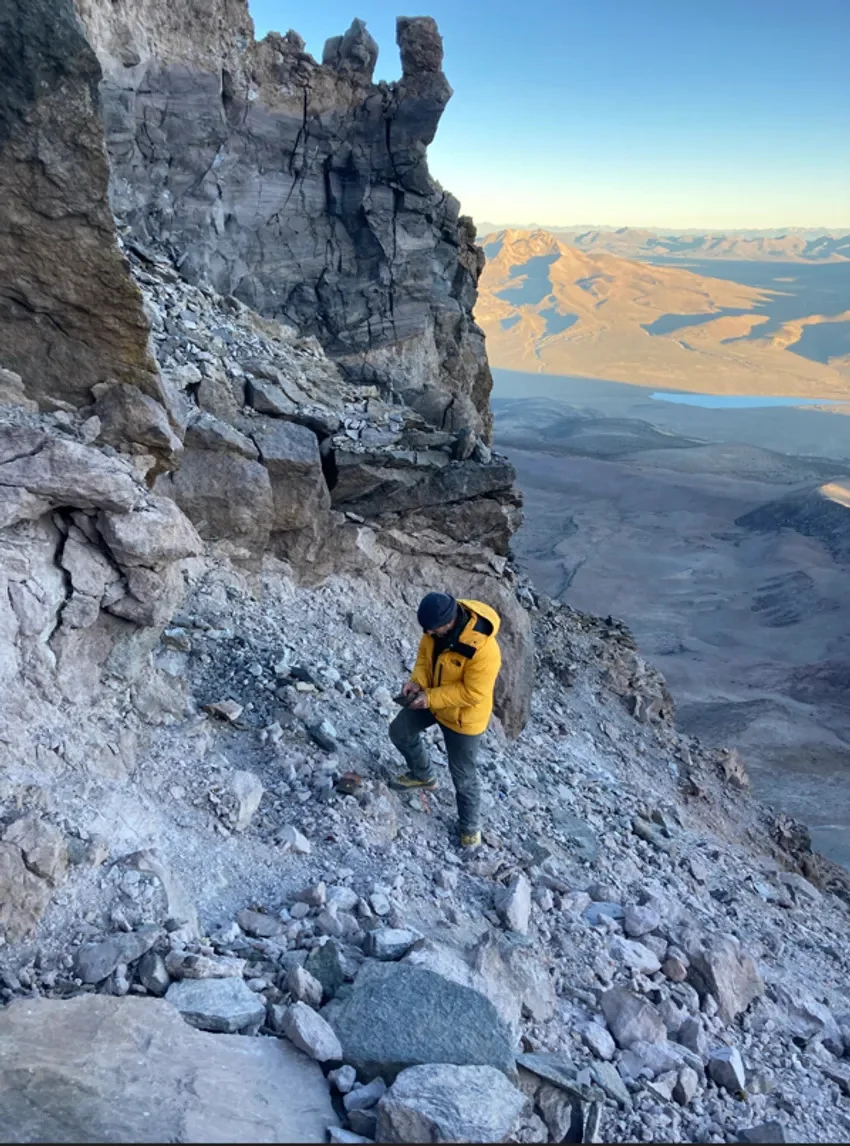
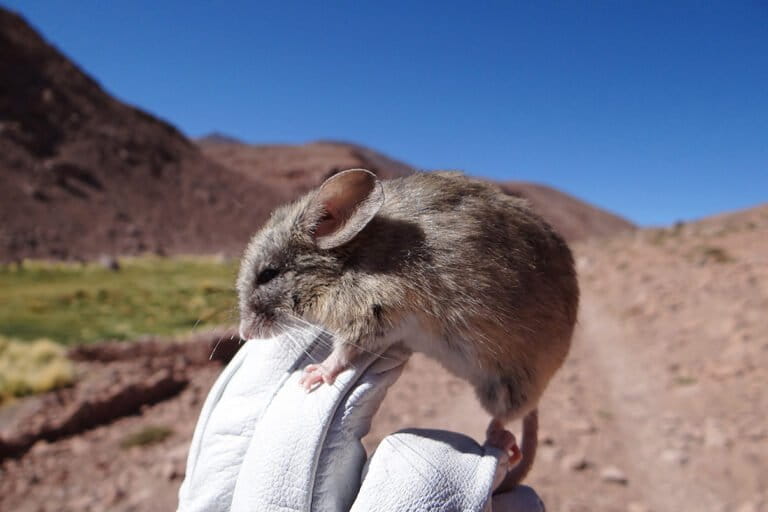
In a groundbreaking study published in the journal Science on July 9, 2026, a team of international researchers led by evolutionary biologists from the University of Nebraska-Lincoln has unveiled the extraordinary biological mechanisms that allow the Andean leaf-eared mouse (Phyllotis vaccarum) to thrive in environments previously thought to be uninhabitable for mammals. These resilient rodents have been documented living at the summit of the Llullaillaco volcano, reaching elevations of 6,739 meters (22,110 feet) above sea level. At this height, the mice endure conditions that would prove fatal to most other terrestrial vertebrates, including extreme hypoxia, temperatures that rarely rise above freezing, and a landscape saturated with volcanic toxins.
The research, spearheaded by Dr. Schuyler Liphardt and Dr. Jay Storz, represents a decade of fieldwork and laboratory analysis. It provides the first comprehensive look at how a single mammalian species can inhabit the widest elevational range on Earth—stretching from the hyper-arid Pacific coast of South America to the highest volcanic peaks of the Andes Mountains. The findings challenge long-held assumptions in evolutionary biology regarding the metabolic and physiological limits of complex life.
The Conquest of the Andean "Death Zone"
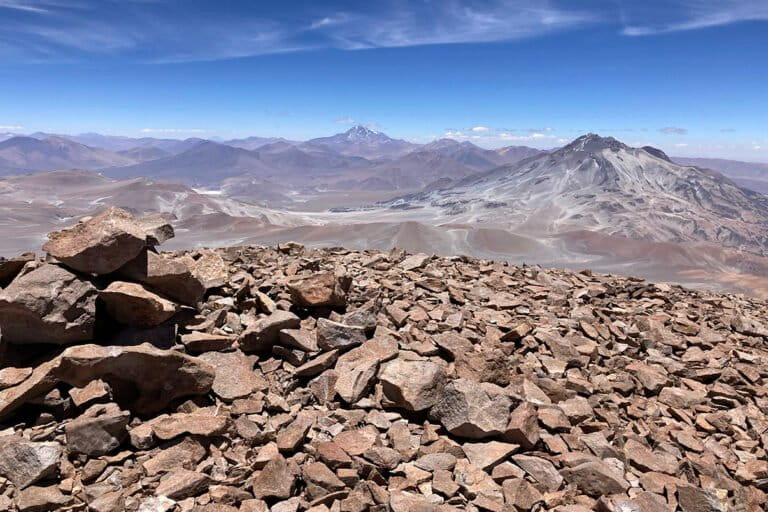
For human mountaineers, altitudes above 6,000 meters are referred to as the "Death Zone." At the summit of Llullaillaco, located on the border of Chile and Argentina, the atmospheric pressure is only 45 kilopascals. This means that with every breath, a creature takes in only about 44 percent of the oxygen available at sea level. For most mammals, this lack of oxygen leads to a rapid decline in cognitive and physical function, eventually resulting in pulmonary or cerebral edema.
However, the Andean leaf-eared mouse does not merely survive these heights as a transient visitor; it is a permanent resident. The discovery of these mice at 6,739 meters—the highest elevation ever recorded for a mammal—was initially met with skepticism in the scientific community. To confirm that these were not accidental travelers carried by wind or predators, the research team conducted extensive surveys and captured live specimens for physiological testing.
"The fact that a mammal can live, breathe, and maintain a high body temperature in an environment that is essentially a frozen, low-oxygen wasteland is nothing short of miraculous," noted one of the study’s contributors. The mice are not just surviving; they are thriving in a landscape where the primary "soil" is volcanic ash and the only moisture comes from occasional snowdrifts.
Metabolic Innovations and Thermal Regulation
One of the most significant hurdles for any mammal in a sub-zero environment is thermogenesis—the production of body heat. Mammals typically generate heat through shivering or by metabolizing brown fat. Both processes require significant amounts of oxygen. In the thin air of the Andes, the metabolic cost of staying warm is astronomically high.
To understand how Phyllotis vaccarum overcomes this, the researchers compared mice from high-altitude populations with those from the lowlands. Using simulation chambers that mimicked the conditions at 4,300 and 7,000 meters, the team measured oxygen consumption and heat production. The results showed that high-altitude mice have evolved a more efficient metabolic "furnace."
Specifically, the study found that the mice from the summits possessed a significantly higher capacity for mitochondrial respiration in their skeletal muscles, particularly in the gastrocnemius (calf) muscles. These muscles are critical for the shivering response. Unlike their lowland counterparts, the high-altitude mice have shifted their fuel preference toward fatty acid oxidation. Burning fats provides a more sustainable energy source for long-term heat production in oxygen-poor environments compared to burning carbohydrates.
A Different Path to Oxygen Efficiency
Evolutionary biology has long taught that high-altitude adaptation typically involves changes to hemoglobin—the protein in red blood cells that carries oxygen. Species like the bar-headed goose or the Tibetan yak have evolved hemoglobin with a higher affinity for oxygen, allowing them to "grab" more of the gas from the thin air.
Surprisingly, the Andean leaf-eared mouse has taken a different evolutionary route. Genomic analysis revealed that there were no significant changes in the structure of their hemoglobin. Instead, the mice have adapted by modulating the activity of an enzyme called carbonic anhydrase.
In high-altitude environments, mammals tend to hyperventilate to compensate for low oxygen. This rapid breathing causes a drop in carbon dioxide levels in the blood, leading to respiratory alkalosis—a condition where the blood becomes too alkaline, disrupting nerve and muscle function. By maintaining lower levels of carbonic anhydrase activity, the Andean leaf-eared mouse is able to regulate its acid-base balance more effectively, allowing it to breathe at a frantic pace without suffering the toxic side effects of blood chemistry shifts.
Surviving a Chemically Hostile Landscape
The challenges of the Andes are not limited to the air. The volcanic peaks of the Puna de Atacama are among the most chemically extreme environments on Earth. The soil contains naturally high concentrations of arsenic and other heavy metals. Furthermore, the few plants that manage to grow at these heights, such as certain hardy shrubs and grasses, are often loaded with secondary metabolites—natural toxins designed to prevent herbivory.
The researchers discovered that the mice have undergone intense genetic selection to handle these poisons. The study identified specific variations in the glutathione S-transferase gene family. These genes encode enzymes produced in the liver that are responsible for detoxifying harmful chemicals.
Interestingly, the patterns of selection for these "detox" genes differed between the coastal and the high-altitude populations. This suggests that the mice have evolved distinct chemical defense kits tailored to the specific toxins found in their respective environments. Dr. Liphardt’s team noted that the pathways for detoxification and hypoxia response might be linked, as the body uses similar signaling proteins to manage both types of stress. This "cross-tolerance" could be a key factor in the species’ ability to colonize such a diverse range of habitats.
Chronology of Discovery and Field Challenges
The journey to these findings began in 2013, when Dr. Jay Storz and his colleagues first began surveying the high Andean peaks. Over the next decade, the team conducted multiple expeditions to some of the world’s most remote volcanoes, including Nevado Sajama in Bolivia and Llullaillaco in Chile.
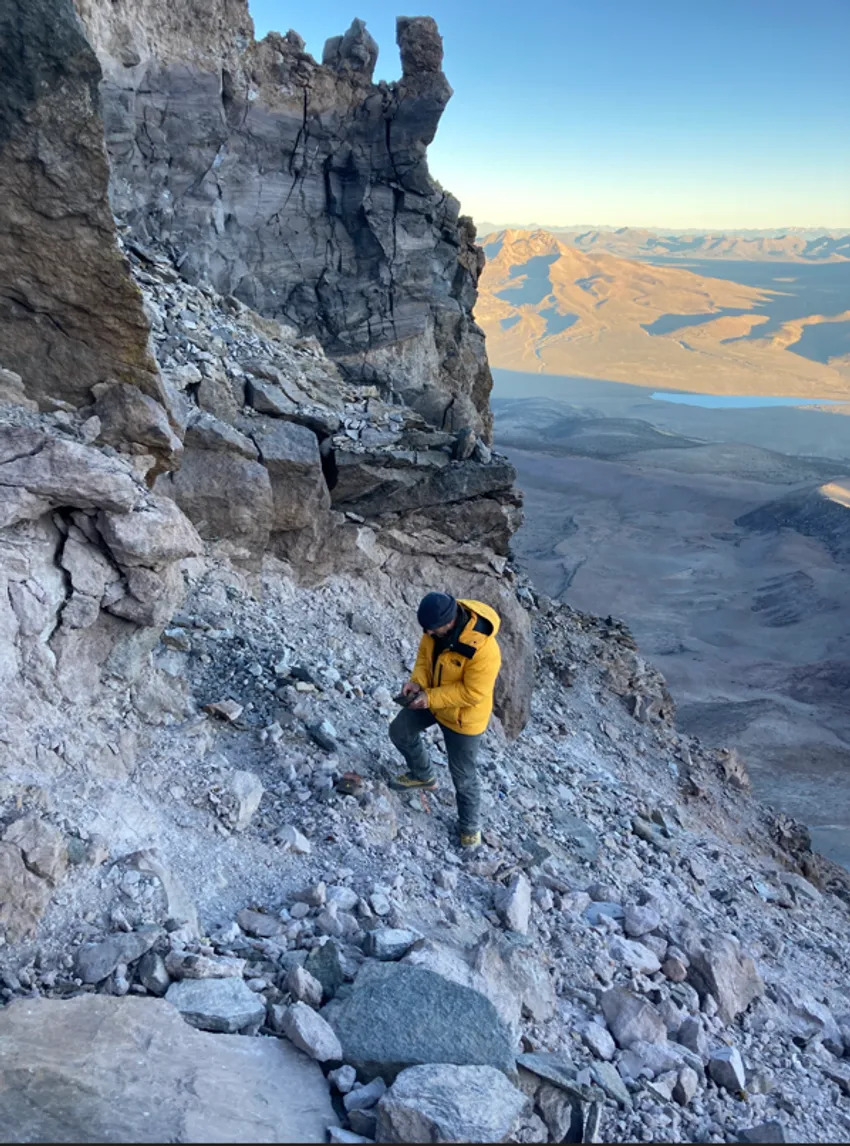
The fieldwork was grueling. Researchers had to carry sensitive equipment and traps up steep, unstable volcanic slopes, often battling gale-force winds and temperatures that dropped to -30°C at night. In 2020, the team made headlines when they captured a live mouse at the very summit of Llullaillaco, shattering the previous record for mammalian altitude.
Following the collection of specimens, the project moved into the laboratory phase. From 2021 to 2025, the team performed whole-genome sequencing on hundreds of individuals. This allowed them to pinpoint the exact regions of the DNA that had been "sculpted" by natural selection over thousands of years. The culmination of this work is the 2026 Science paper, which provides a definitive look at the mouse’s evolutionary success story.
Broader Implications for Science and Medicine
The implications of this study extend far beyond the realm of rodent biology. Understanding how the Andean leaf-eared mouse manages extreme hypoxia provides critical insights into mammalian physiology that could have applications in human medicine.
Conditions such as sleep apnea, heart disease, and certain types of cancer create "hypoxic microenvironments" within the human body. By studying the genetic "workarounds" evolved by the mice—such as their unique carbonic anhydrase regulation and fatty acid metabolism—medical researchers may identify new targets for therapies aimed at treating oxygen-deprivation injuries or improving metabolic efficiency in patients with respiratory distress.
Furthermore, the study serves as a stark reminder of the power of natural selection. It demonstrates that life is far more adaptable than previously imagined. As climate change continues to shift environmental boundaries, understanding the mechanisms of extreme adaptation becomes increasingly vital. The Andean leaf-eared mouse serves as a biological pioneer, showing that even in the most "alien" environments on our own planet, life finds a way to persevere.
Conclusion: The Ultimate Generalist
The Andean leaf-eared mouse is now recognized as a "super-generalist." Most species that adapt to extreme environments become specialists, losing the ability to survive in more moderate conditions. However, Phyllotis vaccarum maintains a presence from sea level to nearly 7,000 meters.
This suggests that the species possesses a highly "plastic" genome—one that can trigger different survival programs depending on the environmental cues it receives. Whether it is neutralizing arsenic in the desert or burning fat to stay warm on a frozen volcano, the mouse remains one of the most successful evolutionary experiments in the mammalian lineage.
As Dr. Jay Storz summarized in a recent briefing, "We used to think of the high-altitude summits as empty, lifeless places. This mouse has shown us that we were wrong. It has pushed the boundaries of what we thought was possible for a warm-blooded animal, and in doing so, it has opened a new chapter in our understanding of evolution."