Tata Titiana
Indonesia’s tourism landscape, a vibrant tapestry woven with natural beauty and rich cultural heritage, owes a significant, often overlooked, debt to the era of Dutch colonial rule. The opening of the Suez Canal in the mid-19th century ushered in an era of increased maritime traffic, with European vessels frequently docking in the archipelago for trade. By the latter half of the 19th century, this burgeoning trade route evolved to include luxury cruise liners, bringing a new demographic of affluent European travelers seeking leisure and exploration in the exotic Nusantara. To cater to this growing influx of discerning guests, the Dutch East Indies administration embarked on the construction of several grand hotels, primarily on the island of Java. These establishments, built with European architectural sensibilities and colonial grandeur, were designed to provide comfort and familiarity for the visiting elite. Remarkably, many of these historic hotels, silent witnesses to centuries of Indonesian history, continue to operate today, offering a unique glimpse into the nation’s past while serving modern-day travelers.
The genesis of organized tourism in Indonesia is intrinsically linked to the establishment of these colonial-era hotels. These architectural landmarks not only provided accommodation but also served as hubs for social and commercial activity, reflecting the colonial administration’s efforts to integrate the archipelago into global trade and travel networks. Today, these hotels stand as living museums, their walls echoing with stories of a bygone era, from lavish parties and diplomatic meetings to pivotal moments in Indonesia’s struggle for independence. Exploring these establishments offers a tangible connection to the nation’s complex history, bridging the gap between the colonial past and the vibrant present.
Hotel Indonesia Kempinski: A Five-Star Beacon of Modernity
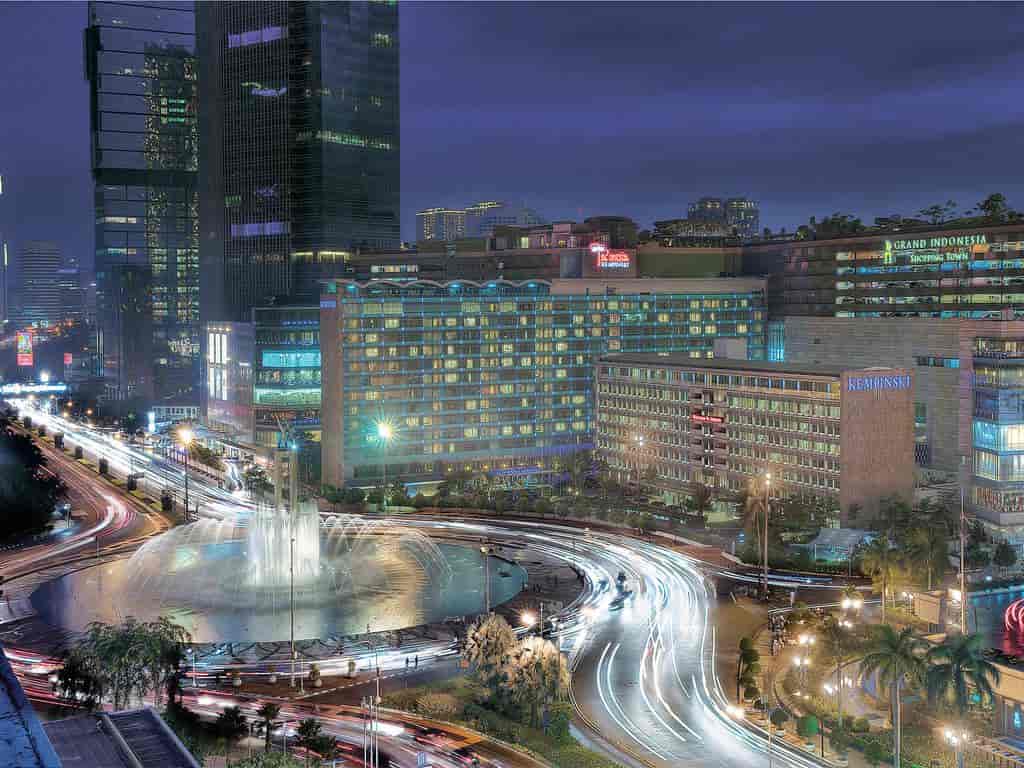
One of the most prominent examples of a hotel deeply intertwined with Indonesia’s modern history is the Hotel Indonesia Kempinski in Jakarta. Inaugurated in 1962, this landmark was not a product of the Dutch colonial era but rather a symbol of a newly independent Indonesia’s aspirations. Constructed with funds derived from Japanese war reparations, it was built to accommodate athletes and officials attending the IVth Asian Games, a significant event for the young nation showcasing its capabilities on the international stage. Upon its completion, Hotel Indonesia was hailed as the first five-star luxury accommodation in Indonesia and, at the time, was the tallest building in Jakarta, symbolizing progress and ambition.
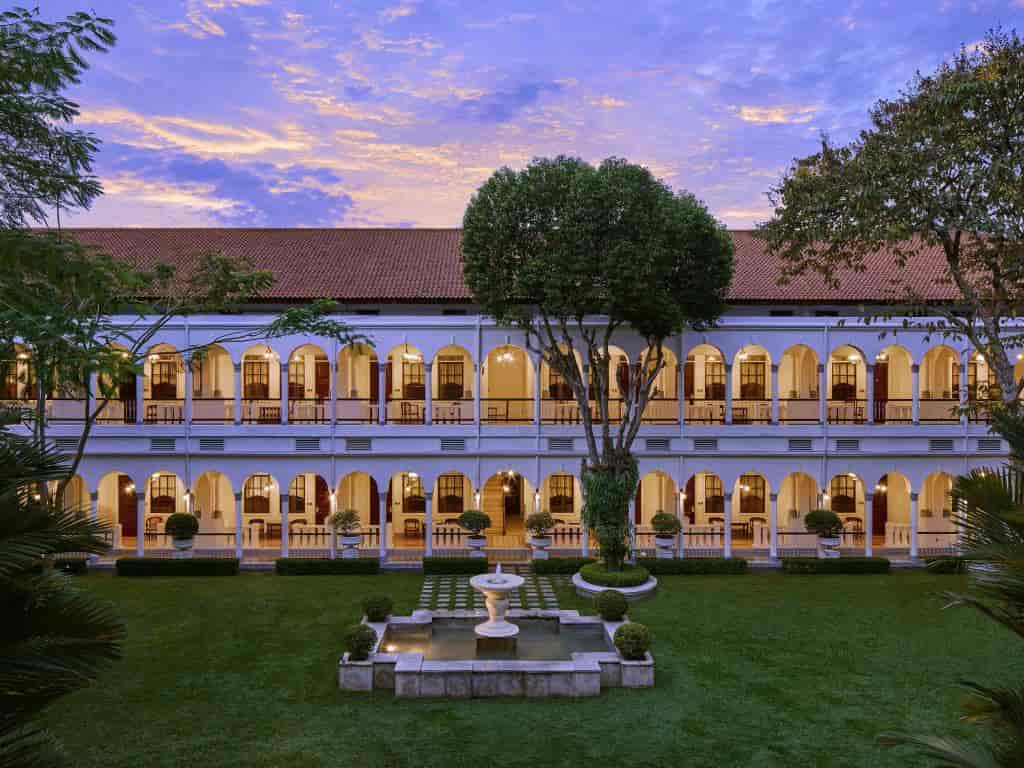
The hotel’s historical significance was further underscored in 2020 when it hosted the Dutch King and Queen during their state visit to Indonesia. Their stay in the hotel’s premium suites, reportedly equipped with bulletproof glass, highlighted the symbolic importance of the hotel as a venue for high-level diplomatic engagements between Indonesia and its former colonial power. This visit, steeped in historical context, marked a moment of reconciliation and mutual recognition, with the hotel serving as a silent observer of this evolving relationship. The juxtaposition of the royal visit against the backdrop of a hotel built after independence, yet deeply rooted in the nation’s post-colonial narrative, is a powerful testament to Indonesia’s journey.
- Key Historical Context: The construction of Hotel Indonesia was a deliberate act by President Soekarno to establish a national icon that projected Indonesia’s modernity and prestige to the world, particularly during the Asian Games.
- Supporting Data: The hotel’s initial construction involved significant engineering feats for its time, reflecting the nation’s drive for modernization. Its consistent operation over decades, with multiple renovations and rebrandings, speaks to its enduring appeal and strategic importance.
- Implications: The presence of Hotel Indonesia Kempinski as a functioning luxury hotel signifies the successful transition from a colonial-era dependency to a nation capable of hosting international events and receiving world leaders with distinction. It also demonstrates the adaptability of historical structures to meet contemporary demands.
Booking Information: Guests can experience the grandeur of Hotel Indonesia Kempinski through platforms like Agoda, with rates typically starting from IDR 2,980,000 per night, subject to seasonal variations.
Hotel Majapahit Surabaya: A Crucible of Indonesian Independence
In Surabaya, the Hotel Majapahit stands as a monumental symbol of Indonesian heroism and the nation’s fight for independence. Opened in 1910, this iconic hotel, originally named Hotel Oranje during the Dutch East Indies era, was built by the Sarkies Brothers of Armenia. Its historical significance is indelibly linked to a pivotal moment in the Indonesian Revolution. Following the Japanese surrender in World War II, Dutch authorities attempted to reassert control, leading to fierce resistance from Indonesian nationalists. In September 1945, during a period of intense conflict in Surabaya, a group of young Indonesian freedom fighters famously tore off the blue section of the Dutch flag flying atop the hotel, leaving only the red and white of the Indonesian flag. This act, a potent symbol of defiance against colonial rule, cemented Hotel Majapahit’s place in the annals of Indonesian history. The hotel later operated as Hotel Yamato during the Japanese occupation.
- Timeline:
- 1910: Opened as Hotel Oranje by the Sarkies Brothers.
- WWII: Renamed Hotel Yamato during the Japanese occupation.
- September 1945: Site of the iconic flag-tearing incident, a key event in the Battle of Surabaya and the Indonesian Revolution.
- Post-Independence: Reverted to Hotel Majapahit, becoming a cherished heritage landmark.
- Supporting Data: The hotel’s architecture is a blend of Dutch colonial and Art Deco styles, reflecting the design trends of its era. The flag-tearing incident is a widely documented event, often cited in historical accounts of the Indonesian Revolution.
- Analysis of Implications: Hotel Majapahit’s enduring legacy as a site of patriotic defiance underscores the deep connection between historical architecture and national identity. Its continued operation serves as a constant reminder of the sacrifices made for independence, fostering a sense of national pride among visitors and locals alike.
Booking Information: Reservations at Hotel Majapahit Surabaya can be made via Agoda, with prices commencing around IDR 985,125 per night, subject to fluctuations.
Royal Ambarukmo Yogyakarta: A Royal Legacy in the Heart of Java
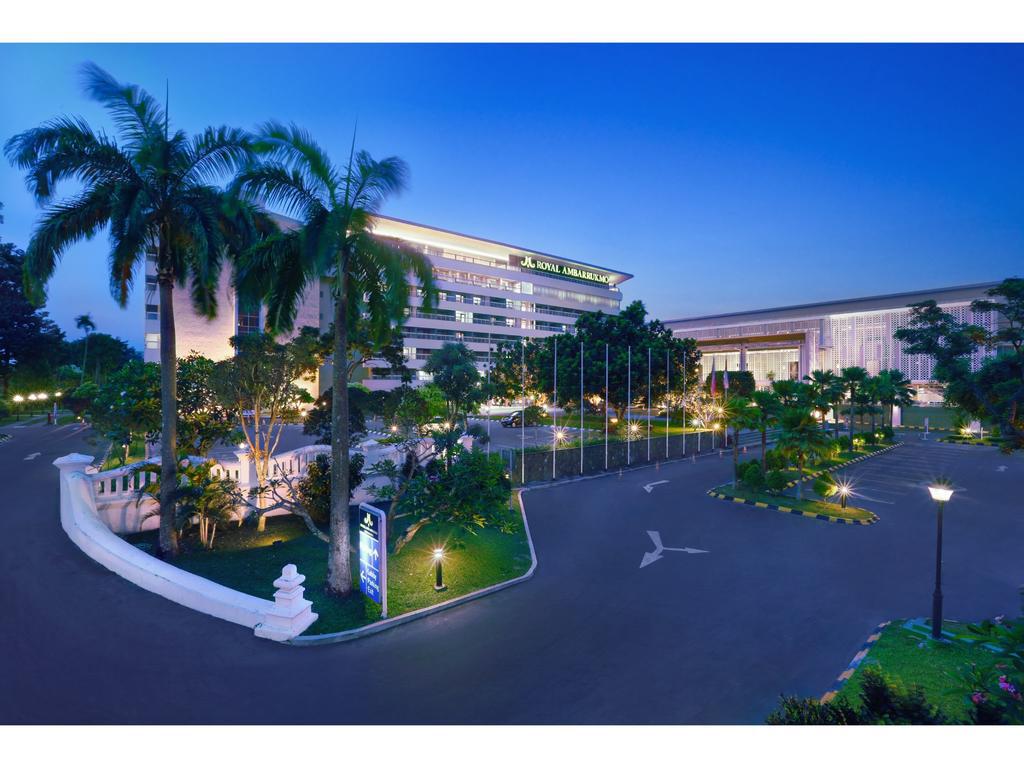
Nestled in Yogyakarta, a city steeped in royal tradition, the Royal Ambarukmo stands as a testament to both Javanese royalty and Indonesia’s post-independence embrace of international tourism. Inaugurated in 1966, this five-star hotel was initiated by Sultan Hamengku Buwono V. Its establishment was part of President Soekarno’s vision to promote Indonesia as a premier international tourist destination. The hotel was among the first four hotels in Indonesia to be officially recognized and promoted by the president as international-class accommodations. Designed to offer a luxurious experience, Royal Ambarukmo boasts facilities such as a golf course, game rooms, and a poolside bar, catering to a discerning clientele.
- Background Context: Yogyakarta, as the seat of the influential Sultanate, holds significant cultural and historical importance. The development of Royal Ambarukmo reflects the Sultanate’s engagement with modern development and tourism initiatives.
- Statements/Inferences: The hotel’s association with the Sultanate suggests a strategic alignment between preserving royal heritage and embracing economic opportunities through tourism. It represents a harmonious blend of traditional Javanese hospitality and international standards.
- Broader Impact: The promotion of hotels like Royal Ambarukmo by President Soekarno was crucial in establishing Indonesia’s tourism infrastructure and projecting an image of a modern, welcoming nation to the world.
Booking Information: Guests can secure a stay at Royal Ambarukmo Yogyakarta through Agoda, with rates starting approximately from IDR 911,250 per night.
Hotel Savoy Homann Bandung: Art Deco Elegance and Historic Encounters
Located on Jalan Asia-Afrika in Bandung, a street historically significant for hosting the 1955 Asian-African Conference, Hotel Savoy Homann is an emblem of Art Deco grandeur and a repository of fascinating historical encounters. The hotel’s origins trace back to the early 20th century, with its distinctive Art Deco design, inspired by the "ocean wave" motif, conceptualized by architect Albert Aalbers in 1939. Originally owned by the Homann family, it became renowned for its exquisite "rijsttafel" (rice table) dishes prepared by Mrs. Homann. The name change to Savoy Homann in 1940 further emphasized its prestige. This historic establishment has played host to numerous dignitaries and notable figures throughout its existence, including the legendary silent film star Charlie Chaplin, who is recorded as a former guest.
- Chronology:
- Early 20th Century: Construction and initial operation under the Homann family.
- 1939: Architectural redesign by Albert Aalbers, incorporating the iconic Art Deco style.
- 1940: Renamed Savoy Homann.
- Post-WWII: Continued to serve as a premier hotel, hosting international figures.
- Supporting Data: The hotel’s architectural style is a prime example of Art Deco in Indonesia, a period characterized by its sleek lines and geometric patterns. Charlie Chaplin’s visit is a notable historical anecdote that adds to the hotel’s allure.
- Analysis of Implications: Hotel Savoy Homann’s preservation of its Art Deco architecture and its continued operation as a high-end hotel contribute to Bandung’s reputation as a city with a rich architectural heritage. It offers a tangible link to the era when Bandung was a popular resort town for colonial elites and a meeting point for global figures.
Booking Information: Agoda offers bookings for Hotel Savoy Homann, with prices beginning around IDR 390,880 per night.
Inna Bali Heritage Hotel: Bali’s First Luxury Oasis
On the island of Bali, often described as "the last paradise," the Inna Bali Heritage Hotel holds the distinction of being the island’s first luxury accommodation. Opened on August 22, 1927, it emerged during a period when Bali was beginning to capture the attention of international travelers, many of whom arrived via the steamships of the Koninklijke Paket-vaart Maatschappij (Royal Packet Navigation Company). This three-star hotel, situated in the Denpasar area, was built to cater to the growing number of foreign tourists seeking to experience Bali’s unique culture and natural beauty. Its amenities, including a garden, restaurant, swimming pool, and café, provided a comfortable and sophisticated base for exploring the island.
- Background Context: Bali’s transformation into a global tourist destination began in the early 20th century, with the establishment of hotels like Inna Bali playing a crucial role in facilitating this influx. The hotel’s opening coincided with increased accessibility to the island.
- Supporting Data: The hotel’s opening date places it firmly within the era of early international tourism to Bali, predating many other significant developments on the island. Its continued operation highlights its resilience and adaptation to Bali’s evolving tourism landscape.
- Broader Impact: The establishment of Inna Bali Heritage Hotel marked a significant step in Bali’s development as a tourist destination, setting a precedent for future hospitality ventures and contributing to the island’s economic growth.
Booking Information: The Inna Bali Heritage Hotel can be booked through Agoda, with rates starting from approximately IDR 270,000 per night.
Concluding Remarks:
The enduring presence of these historic hotels across Indonesia is more than just a matter of architectural preservation; it is a vital thread connecting the nation’s past with its present. These establishments serve as living archives, offering travelers an immersive experience that transcends mere accommodation. They provide a unique opportunity to understand Indonesia’s colonial history, its struggle for independence, and its journey towards becoming a modern, vibrant nation. As these hotels continue to welcome guests, they not only offer comfort and luxury but also a profound historical narrative, ensuring that the echoes of the past resonate for generations to come. It is important for travelers to note that stated rental costs are subject to change based on factors such as peak seasons, inflation, local tax policies, and demand, with off-peak bookings generally offering more favorable rates. Always verify the final price before confirming any reservation.