Chalifah Fatihah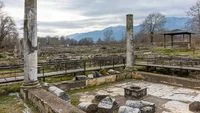
Greece is making a significant push to have Mount Olympus, the legendary home of the ancient Greek gods, inscribed on the UNESCO World Heritage List. The nomination process, which began in 2014, has seen the snow-capped mountain included on the Tentative List, a mandatory prerequisite for any site aspiring to global recognition. This designation would not only acknowledge the profound mythological and historical significance of Olympus but also highlight its exceptional natural beauty and rich biodiversity, a combination that Greek authorities believe makes it a unique candidate for this prestigious status.
The journey towards UNESCO inscription is a rigorous one, involving meticulous preliminary assessments followed by the submission of a comprehensive nomination dossier. This dossier is then subjected to a thorough evaluation lasting approximately 14 months by advisory bodies such as the International Council on Monuments and Sites (ICOMOS) and the International Union for Conservation of Nature (IUCN). These organizations play a crucial role in assessing the Outstanding Universal Value of the proposed site, ensuring it meets stringent criteria for natural and cultural significance.
A Sacred Landscape: Myth, History, and Spirituality
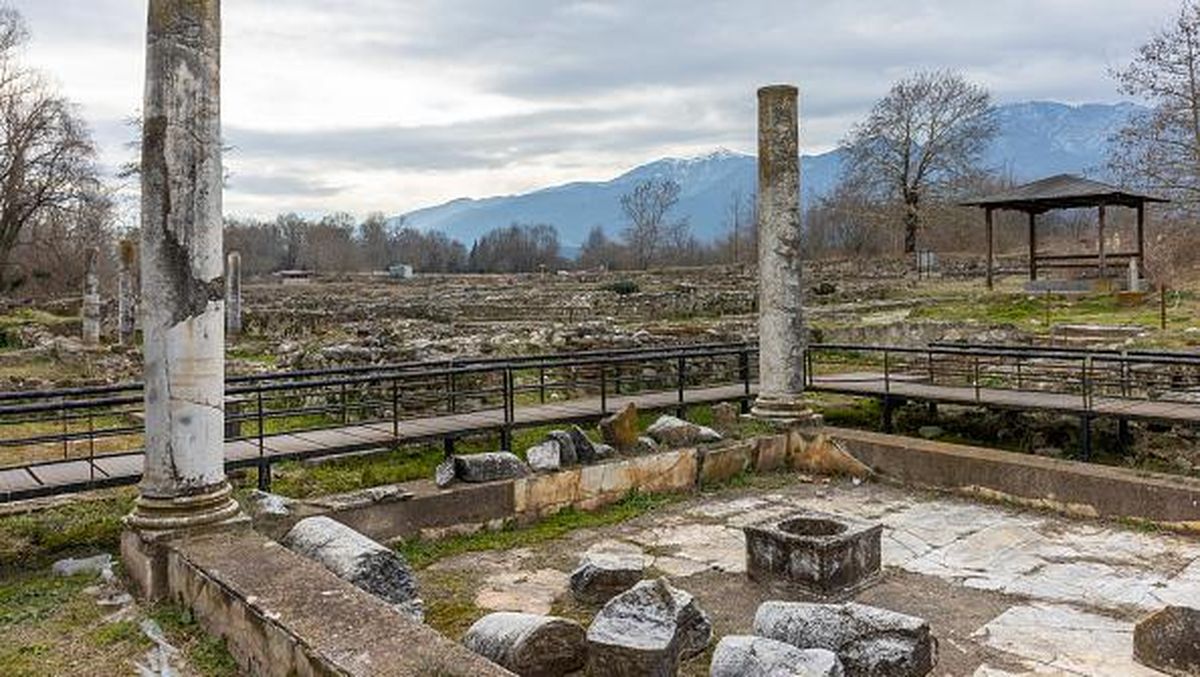
Mount Olympus holds a paramount position in Greek mythology as the dwelling place of the twelve Olympian gods, with Zeus, the king of the gods, presiding from his celestial palace. This rich tapestry of myths has permeated the cultural consciousness of Greece and the world for millennia. Beyond its mythical allure, Olympus is steeped in tangible history. Archaeological findings at the ancient city of Dion, located at the foot of the mountain, provide evidence of continuous human habitation and religious practices dating back to antiquity. Excavations have unearthed a sacred sanctuary dedicated to Zeus, with the oldest findings originating from the Hellenistic period (323 BCE – 30 BCE).
The historical and spiritual significance of Olympus extends beyond its pagan roots. Plutarch, the renowned ancient Greek philosopher and historian, documented processions to one of Olympus’s peaks for animal sacrifices to Zeus in the 2nd century CE. In more recent centuries, the mountain has also become a site of Christian pilgrimage and devotion. The Chapel of Prophet Elias, perched at an altitude of 2,803 meters, is believed to be the highest chapel within the Orthodox Christian world, attracting devotees and hikers alike. Further down, the Enipeas Gorge shelters the ruins of a monastery founded in 1542, and nearby lies the Holy Cave of Saint Dionysios, a chapel built around a spring revered as holy. This layered history, from ancient pantheism to medieval monasticism, underscores the enduring spiritual resonance of the mountain.
Biodiversity Hotspot: A Natural Treasure
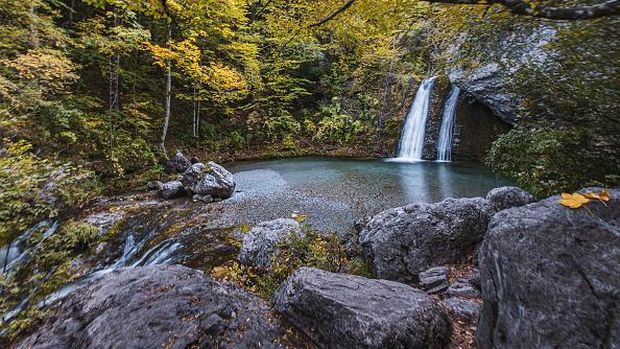
Beyond its cultural and mythological importance, Mount Olympus is a vital ecological treasure. Designated as a National Park and a World Biosphere Reserve, it boasts exceptional biodiversity and a rich array of flora and fauna, including numerous endemic species. The mountain’s varied altitudes and microclimates support diverse ecosystems, from dense forests of pine and fir to alpine meadows teeming with wildflowers. Conservationists highlight the presence of rare and protected species, making its preservation a critical concern. The complex geological formations, including deep gorges and a multitude of peaks, contribute to its unique ecological character. This natural wealth, coupled with its cultural heritage, forms the bedrock of Greece’s argument for its UNESCO World Heritage status.
The Nomination Process: A Timeline of Ambition
The ambition to have Mount Olympus recognized by UNESCO is not new. The process initiated in 2014 signifies a long-term commitment by Greek authorities to safeguard and promote this iconic landmark.
- 2014: Greece officially submits its intention to nominate Mount Olympus for UNESCO World Heritage status, marking the beginning of the formal process.
- Ongoing: The site is added to the Tentative List, a crucial step that signals UNESCO’s preliminary acceptance of the nomination and allows for further development of the candidacy. This phase involves extensive research, documentation, and stakeholder consultations.
- Pre-2026: Nomination dossier development, including detailed scientific studies on biodiversity, archaeological surveys, historical research, and cultural impact assessments.
- July 2026 (Expected): The World Heritage Committee convenes in Busan, South Korea, to discuss nominations. Mount Olympus’s bid is on the agenda for consideration.
The mayor of Dion-Olympus, Evagelos Geroliolios, eloquently captured the deep connection the local community has with the mountain: "Olympus is our life. It is where we grew up. It is the place we see every day, but at the same time, it is also a place that carries myths, history, biodiversity, extraordinary beauty, and immense cultural weight." This sentiment reflects the multifaceted value the community and the nation place on Mount Olympus, extending far beyond its aesthetic appeal.
Challenges and the Road Ahead
Despite the strong advocacy and the compelling case presented by Greece, the path to inscription is not without its hurdles. The draft agenda for the World Heritage Committee meeting in Busan indicates that the nomination for Mount Olympus may not be definitively accepted at this session. Reports suggest that the committee might "refer back" the nomination to Greece, requesting further details and clarification. This is a common procedural step in the UNESCO nomination process, often requiring additional information to address specific concerns raised by the advisory bodies or committee members.
The implications of this referral, if it occurs, would not necessarily be a rejection but rather a call for refinement. Greece would likely need to provide more in-depth data on aspects such as the precise boundaries of the proposed World Heritage site, the management plans in place to ensure its long-term preservation, and detailed evidence of its Outstanding Universal Value that meets all UNESCO criteria. The committee’s decision will depend on the thoroughness and persuasiveness of the submitted documentation and the site’s ability to meet the stringent global standards set by UNESCO.
Broader Implications of Recognition
The potential inscription of Mount Olympus on the UNESCO World Heritage List carries significant implications, both for Greece and for the broader understanding of global heritage:
- Cultural Preservation: UNESCO recognition would elevate the importance of preserving the mythological narratives, historical sites, and cultural traditions associated with Olympus, ensuring their transmission to future generations.
- Economic Benefits: World Heritage status often leads to an increase in tourism, generating economic benefits for local communities through job creation and revenue from visitors. However, this also necessitates robust management strategies to mitigate potential negative impacts of increased tourism on the natural and cultural environment.
- International Recognition and Collaboration: The inscription would place Mount Olympus among the world’s most revered sites, fostering international appreciation and encouraging collaborative research and conservation efforts.
- Environmental Stewardship: The designation would underscore the critical importance of protecting Olympus’s unique biodiversity and natural landscapes, potentially leading to enhanced conservation measures and greater awareness of ecological challenges.
- Symbolic Value: For Greece, it would be a profound affirmation of its rich cultural and natural heritage, reinforcing its identity on the global stage. For the world, it would be a testament to the enduring power of myth, the depth of history, and the irreplaceable value of natural wonders.
The upcoming World Heritage Committee meeting in Busan represents a critical juncture in the long-standing aspiration of Greece to see Mount Olympus receive the global recognition it arguably deserves. The success of this nomination hinges on the comprehensive presentation of its unique blend of myth, history, and unparalleled natural beauty, and Greece’s commitment to ensuring its perpetual preservation for the world to admire and learn from. The deliberations in Busan will reveal whether this iconic mountain, long revered as the home of gods, will now ascend to the esteemed status of a global treasure.