Azin Asro
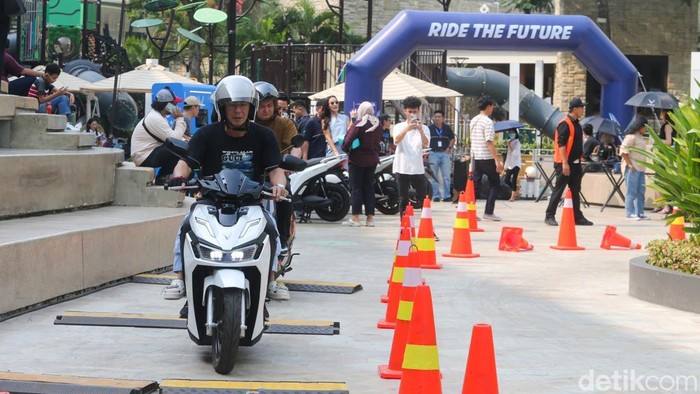
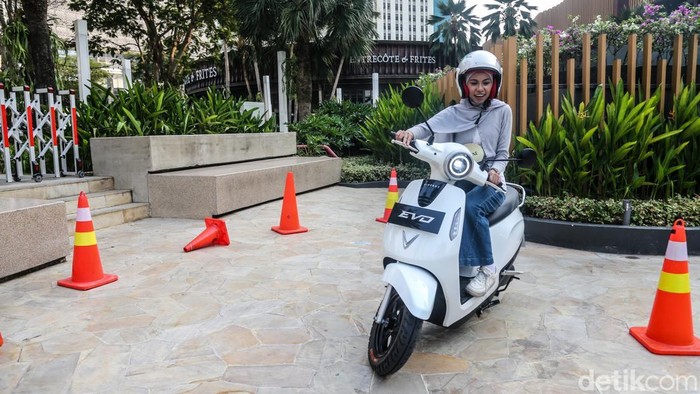
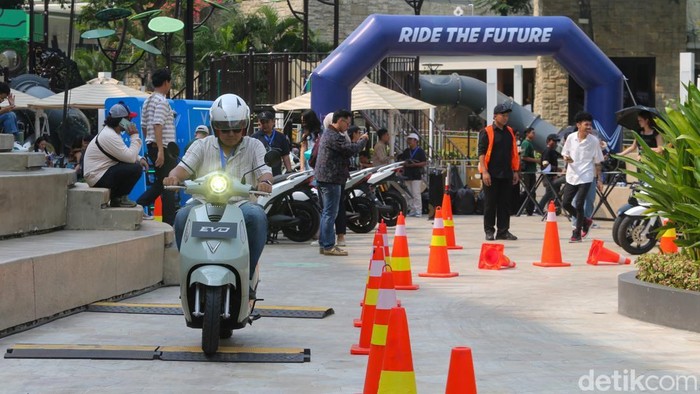
The bustling atmosphere of Tribeca Park at Central Park Mall in Jakarta reached a new peak on Saturday, July 18, 2026, as hundreds of residents gathered to witness and participate in the public test drive event for VinFast’s latest lineup of electric motorbikes. The event marked a significant milestone for the Vietnamese electric vehicle manufacturer as it seeks to solidify its presence in the Indonesian market, which is currently undergoing a rapid transformation toward sustainable urban mobility. Attendees were given the opportunity to experience firsthand the performance and handling of three distinct models: the Evo, the Viper, and the Feliz. These models represent VinFast’s strategic approach to catering to diverse consumer segments, ranging from daily commuters to performance enthusiasts. The enthusiasm displayed by the public underscores a growing appetite for electric two-wheelers in Indonesia’s capital, a city where traffic congestion and air quality remain pivotal concerns for the local administration and the general populace alike.

The test drive event was not merely a display of hardware but served as a comprehensive introduction to VinFast’s unique ecosystem of ownership and maintenance. As participants queued to navigate the designated test track, company representatives provided detailed explanations regarding the various flexible ownership schemes available. Unlike traditional motorcycle purchases, which often involve a high upfront cost primarily due to the expense of lithium-ion batteries, VinFast has introduced a tiered system designed to lower the barrier to entry. This includes a battery swap scheme, a battery subscription model, and the traditional option of purchasing the vehicle with full battery ownership. By decoupling the cost of the battery from the vehicle itself, VinFast aims to make electric mobility accessible to a wider demographic, particularly younger professionals and families who are increasingly conscious of both their carbon footprint and their monthly expenditures.
The chronology of VinFast’s entry into the Indonesian market reflects a calculated and aggressive expansion strategy. The company officially opened pre-orders for its electric motorbike range in May 2026, following a high-profile appearance at major regional automotive shows. Since the commencement of the pre-order phase, the brand has reportedly secured thousands of bookings, a feat that highlights the effectiveness of its market positioning and the perceived reliability of its Vietnamese engineering. While the units currently available for test drives and early deliveries are imported as Completely Built Up (CBU) units from VinFast’s state-of-the-art manufacturing facility in Hai Phong, Vietnam, the company has confirmed that local production is slated to begin within the next calendar year. This transition to domestic manufacturing is expected to further stabilize prices and allow the brand to qualify for various government incentives related to Local Content Requirements (TKDN), which are essential for long-term competitiveness in the Indonesian automotive landscape.
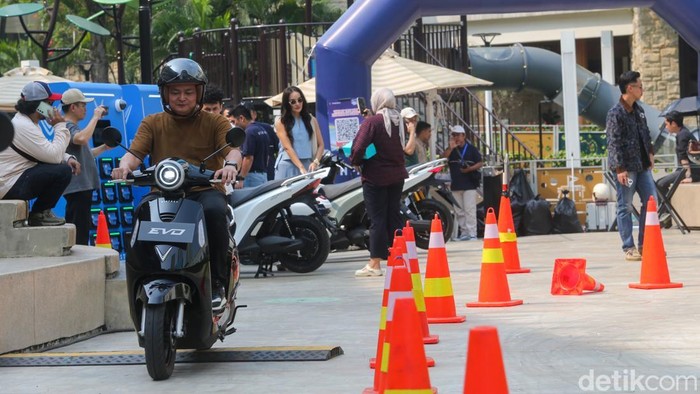
Technological sophistication and safety are at the core of the three models showcased at Central Park Mall. The Evo is marketed as an agile, entry-level scooter perfect for navigating Jakarta’s narrow streets and dense traffic. The Feliz, on the other hand, offers a more robust frame and enhanced comfort features, targeting commuters who travel longer distances between the suburban satellite cities and the central business district. The Viper, the most performance-oriented of the trio, boasts advanced acceleration capabilities and a sporty design intended to appeal to the enthusiast market. All three models are equipped with smart connectivity features, allowing riders to monitor battery health, locate charging stations, and perform system diagnostics through a dedicated mobile application. This integration of software and hardware is a hallmark of the VinFast brand, which views its vehicles not just as modes of transport but as connected devices within a broader smart city infrastructure.
One of the most significant talking points among attendees was VinFast’s aggressive warranty and after-sales policy. In an industry where consumer skepticism regarding the longevity of electric components remains a hurdle, VinFast has opted to provide an industry-leading protection package. The company offers a primary vehicle warranty covering four years or 60,000 kilometers, whichever comes first. To further bolster consumer confidence, this is supplemented by an additional warranty of two years or 12,000 kilometers, subject to specific terms and conditions. This cumulative protection of up to six years or 72,000 kilometers is designed to mitigate concerns regarding the durability of the electric motor and the structural integrity of the chassis. For many prospective buyers, this long-term commitment from the manufacturer serves as a decisive factor, providing a level of security that often surpasses that of established internal combustion engine (ICE) brands.
The success of the test drive event at Central Park Mall also reflects broader socio-economic shifts within Indonesia. The Indonesian government has been vocal about its ambitions to become a global hub for the electric vehicle supply chain, leveraging the country’s vast nickel reserves—a critical component in battery production. National policies, including tax breaks for EV manufacturers and subsidies for consumers, have created a fertile environment for brands like VinFast to challenge the long-standing dominance of Japanese automotive giants. Furthermore, the implementation of restrictive traffic policies in Jakarta, such as the odd-even rule and the potential for future electronic road pricing (ERP), has made the exemption of electric vehicles from such regulations a highly attractive selling point. For the residents of Jakarta, an electric motorbike is increasingly seen not as a luxury, but as a practical tool for maintaining mobility in a highly regulated urban environment.
Industry analysts suggest that VinFast’s decision to offer a battery subscription model could be a game-changer in the Southeast Asian market. Under this model, consumers pay a monthly fee to "rent" the battery, which includes the cost of maintenance and a guarantee of replacement if the battery’s capacity falls below a certain threshold (typically 70%). This removes the risk of battery degradation from the consumer and places the responsibility on the manufacturer. It also allows for a lower initial purchase price, often making the electric motorbike comparable in cost to a mid-range petrol-powered scooter. As the infrastructure for battery swapping stations continues to expand across the Greater Jakarta area, the convenience of "swapping and going" is expected to rival the speed of refueling at a traditional gas station, further eroding the practical advantages of fossil-fuel-based transportation.
Looking ahead, the planned localization of VinFast’s production in 2027 is expected to have a ripple effect on the local economy. The establishment of a manufacturing plant will likely lead to the creation of thousands of jobs, from assembly line workers to specialized engineers in the field of power electronics. It will also encourage the growth of a local component ecosystem, as VinFast seeks to source parts from Indonesian suppliers to meet the aforementioned TKDN standards. This move is aligned with the Indonesian government’s "Making Indonesia 4.0" roadmap, which identifies the automotive industry as a key sector for digital transformation and export-oriented growth. By choosing Indonesia as a secondary production base, VinFast is not only seeking to capture the domestic market but is also positioning itself to use Indonesia as a springboard for exports to other ASEAN nations.
The reaction from the crowd at Tribeca Park was overwhelmingly positive, with many praising the aesthetic appeal and silent operation of the vehicles. "I was surprised by how smooth the acceleration was compared to my current petrol bike," noted one participant who had just completed a circuit on the Feliz model. "The fact that I don’t have to worry about oil changes or the rising price of Pertalite (subsidized gasoline) makes switching to electric very tempting, especially with the battery subscription option." Such testimonials indicate that the primary barriers to EV adoption—cost, range anxiety, and unfamiliarity—are gradually being dismantled through direct public engagement and innovative business models.
In conclusion, the VinFast test drive event in Jakarta serves as a microcosm of the larger energy transition occurring across the globe. As urban centers become more crowded and the environmental costs of traditional transportation become impossible to ignore, the shift toward electrification is accelerating. VinFast’s entry into Indonesia with the Evo, Viper, and Feliz models represents a bold attempt to redefine the relationship between the consumer and the vehicle. Through a combination of versatile ownership schemes, robust warranty programs, and a commitment to local manufacturing, the Vietnamese brand is positioning itself as a formidable player in the quest for a greener, more efficient future for Indonesian mobility. The high level of public engagement witnessed on Saturday is a clear signal that the era of the electric motorbike in Indonesia has not just arrived, but is set to thrive.