Azin Asro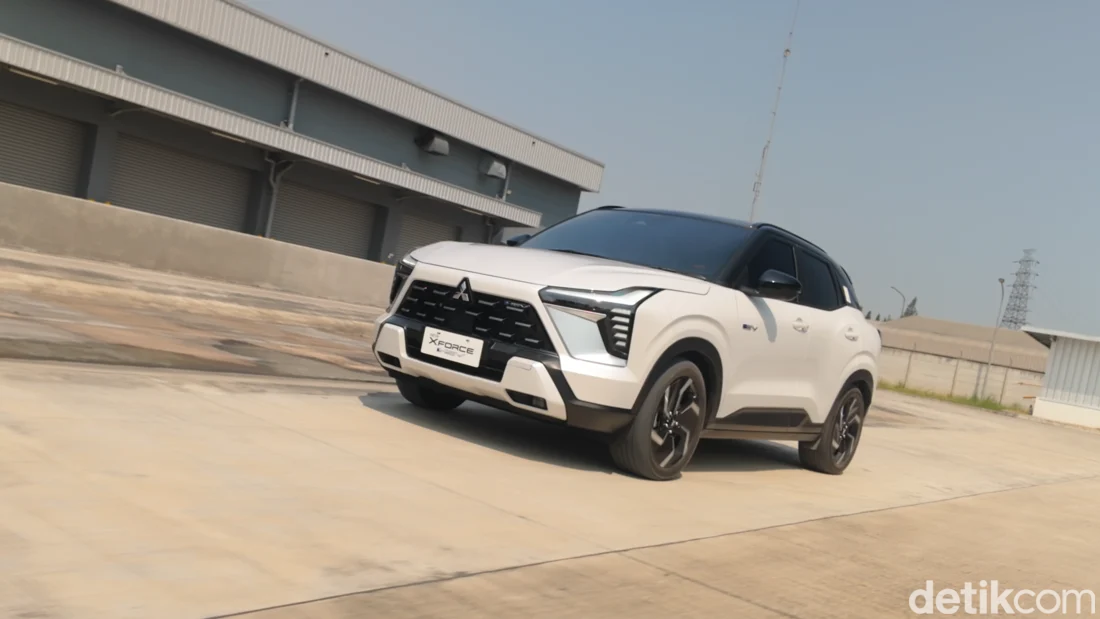
The Indonesian automotive landscape marked a significant milestone on Thursday, July 16, 2026, as PT Mitsubishi Motors Krama Yudha Sales Indonesia (MMKSI) officially introduced the Mitsubishi New Xforce Hybrid in Jakarta. This launch signifies a strategic leap for the Japanese manufacturer, as it brings the second generation of Hybrid Electric Vehicle (HEV) technology to one of Southeast Asia’s most competitive SUV markets. The introduction of the New Xforce Hybrid is not merely a mechanical update but a sophisticated integration of electric propulsion and internal combustion efficiency, designed to meet the evolving demands of modern Indonesian consumers. Central to the vehicle’s operational excellence is a specific set of fuel requirements that underscore the precision engineering behind the new powertrain, emphasizing the necessity of high-octane fuel to maintain peak performance and longevity.
The Evolution of Mitsubishi Hybrid Technology in Indonesia
The arrival of the New Xforce Hybrid represents the culmination of years of research and development aimed at optimizing the balance between power and environmental responsibility. Unlike traditional hybrids that often treat the electric motor as a secondary assistant, Mitsubishi’s second-generation HEV system is engineered to prioritize electric drive in a wider range of scenarios. This technological shift requires a highly calibrated engine environment, leading to specific recommendations regarding the fuel used to power the 1.6-liter internal combustion component.
During the press conference in Jakarta, Nur Ali Said, Head of Product Planning Department at MMKSI, clarified the manufacturer’s stance on fuel compatibility. He stated that for the New Xforce Hybrid to function at its theoretical maximum efficiency, the use of gasoline with a Research Octane Number (RON) of 95 is strongly recommended. This recommendation aligns the Xforce Hybrid with global standards for high-compression, high-efficiency engines that are common in advanced hybrid systems. However, recognizing the diverse fuel availability across the Indonesian archipelago, the company has ensured a degree of flexibility.
"Currently, we recommend staying with RON 95, but the absolute minimum remains at RON 90," Nur Ali Said explained. This distinction is crucial for consumers who may travel to regions where premium high-octane fuels like Pertamax Green 95 or BP Ultimate are not readily available. While the vehicle can technically operate on lower-octane fuel such as Pertalite (RON 90) or Pertamax (RON 92), doing so deviates from the manufacturer’s "ideal" operating conditions.
Technical Specifications and Powertrain Synergy
The heart of the Mitsubishi New Xforce Hybrid is a 1.6-liter DOHC MIVEC (Mitsubishi Innovative Valve timing Electronic Control) gasoline engine, paired with a high-output electric motor. The synergy between these two power sources is the defining characteristic of the second-generation HEV system. The electric motor alone is capable of producing 116 PS and a substantial 255 Nm of torque, providing the instant acceleration and silent operation typical of electric vehicles. Complementing this is the gasoline engine, which contributes 107 PS and 134 Nm of torque.
In this second-generation setup, the electric motor serves as the primary driver under many conditions, particularly in urban "stop-and-go" traffic where internal combustion engines are least efficient. The gasoline engine’s role is multifaceted: it acts as a generator to charge the lithium-ion battery pack, provides direct drive during high-speed cruising, and joins forces with the electric motor when the driver demands maximum power for overtaking or climbing steep inclines.
The requirement for RON 95 fuel is directly linked to the engine’s compression ratio and the timing of the hybrid system’s transitions. High-octane fuel allows for more precise control over the combustion process, preventing "knocking"—a phenomenon where the fuel-air mixture ignites prematurely. In a hybrid system where the engine may start and stop frequently or suddenly engage under high load, fuel stability is paramount to ensuring a smooth transition between EV and Hybrid modes.
Engineering Resilience: Adapting to Variable Fuel Quality
One of the primary concerns for Indonesian car buyers is the availability and cost of high-octane fuel. Addressing these concerns, Irwansyah Siregar, Deputy Group Head of Aftersales Strategy at MMKSI, provided technical depth regarding the vehicle’s ability to "adopt" to various fuel grades. He noted that while RON 95 is the gold standard for this specific model, the New Xforce Hybrid is equipped with a sophisticated engine management system (EMS) designed to mitigate the risks associated with lower-grade fuels.
"The best recommendation is RON 95 to achieve the efficiency and performance intended for the vehicle. However, our vehicle is equipped with a system that can adapt to variable RON conditions," Siregar noted. This adaptation is handled by the Electronic Control Unit (ECU), which monitors various sensors to detect the quality of combustion. If the system detects lower-octane fuel, it can adjust ignition timing and fuel injection parameters to protect the engine components.
However, this protection comes at a cost. Siregar was transparent about the trade-offs involved when consumers opt for RON 90 or RON 92. "There are certainly consequences if you use RON 90, such as a slight decrease in both efficiency and performance, but it remains safe to use in the vehicle," he added. For the consumer, this means that while the car will not suffer immediate mechanical failure from using Pertalite, the advertised fuel economy figures—one of the hybrid’s main selling points—will likely not be achieved, and the throttle response may feel less sharp.
Market Context and Competitive Landscape
The launch of the New Xforce Hybrid comes at a time when the Indonesian government is aggressively promoting the electrification of the automotive industry through various incentives and infrastructure developments. The compact SUV segment, in which the Xforce competes, is one of the most crowded and lucrative in the country. By introducing a hybrid variant, Mitsubishi is positioning itself against formidable rivals such as the Toyota Yaris Cross Hybrid and the Honda HR-V.
The decision to recommend RON 95 also reflects a broader trend in the Indonesian market toward "Euro 4" and "Euro 5" emission standards. As the government tightens regulations on vehicle emissions, manufacturers are forced to utilize more advanced engine technologies that naturally require higher-quality fuels. The Xforce Hybrid’s second-generation HEV system is a direct response to these regulatory pressures, offering a solution that significantly reduces CO2 emissions compared to the standard internal combustion engine (ICE) version of the Xforce.
Economic and Environmental Implications
From an analytical perspective, the New Xforce Hybrid represents a bridge for Indonesian consumers who are not yet ready to commit to a Battery Electric Vehicle (BEV) due to concerns over charging infrastructure. The hybrid system offers the benefits of electric driving—low-end torque and reduced fuel consumption—without the "range anxiety" associated with pure EVs.
Data from recent market studies in Southeast Asia suggest that hybrid vehicles can offer fuel savings of up to 30-50% in heavy urban traffic compared to their ICE counterparts. For the Xforce Hybrid, achieving these numbers is heavily dependent on the use of the recommended RON 95 fuel. When the engine operates on optimal fuel, the hybrid system can maintain the battery’s state of charge more efficiently, allowing the vehicle to remain in EV mode for longer durations.
Furthermore, the longevity of the hybrid battery and the engine itself is a point of interest for long-term owners. Using the recommended fuel grade reduces the thermal stress on engine components and minimizes carbon deposits, which can indirectly support the health of the entire powertrain system over a decade of use.
Chronology of the Xforce Development
The journey of the Xforce began with its global debut as a concept, followed by the launch of the gasoline version which focused on "Silky and Solid" design and class-leading ground clearance. The introduction of the Hybrid variant in mid-2026 marks the second phase of the model’s lifecycle.
- Development Phase: Engineering teams in Japan and Thailand collaborated to adapt the 1.6L MIVEC engine for hybrid duty, focusing on thermal efficiency.
- Regional Testing: Prototype testing was conducted across various Indonesian terrains to ensure the suspension and hybrid cooling systems could handle the tropical climate and varying road qualities.
- Official Launch (July 16, 2026): The New Xforce Hybrid is unveiled in Jakarta, emphasizing the "Next Generation" HEV label.
- Market Integration: MMKSI begins a nationwide educational campaign to inform consumers about the benefits of HEV technology and the importance of fuel selection.
Conclusion and Future Outlook
The Mitsubishi New Xforce Hybrid is a testament to the rapid pace of automotive innovation in Indonesia. By bringing second-generation HEV technology to the market, Mitsubishi is not only offering a more efficient vehicle but also challenging the consumer to adopt better maintenance and fueling habits. While the flexibility to use RON 90 fuel exists as a safety net, the manufacturer’s clear message is that RON 95 is the key to unlocking the vehicle’s true potential.
As Indonesia continues its transition toward a greener automotive future, models like the Xforce Hybrid will play a pivotal role. They serve as a practical intermediate step, reducing the national carbon footprint while providing the reliability and versatility that Indonesian drivers have come to expect from the Mitsubishi brand. The success of the Xforce Hybrid will likely depend on consumer willingness to invest in higher-quality fuel in exchange for the long-term benefits of superior fuel economy and a more refined driving experience. With the backing of MMKSI’s extensive aftersales network and a robust engine management system, the New Xforce Hybrid is well-positioned to become a benchmark in the evolving Indonesian hybrid market.