Eko Sulistyo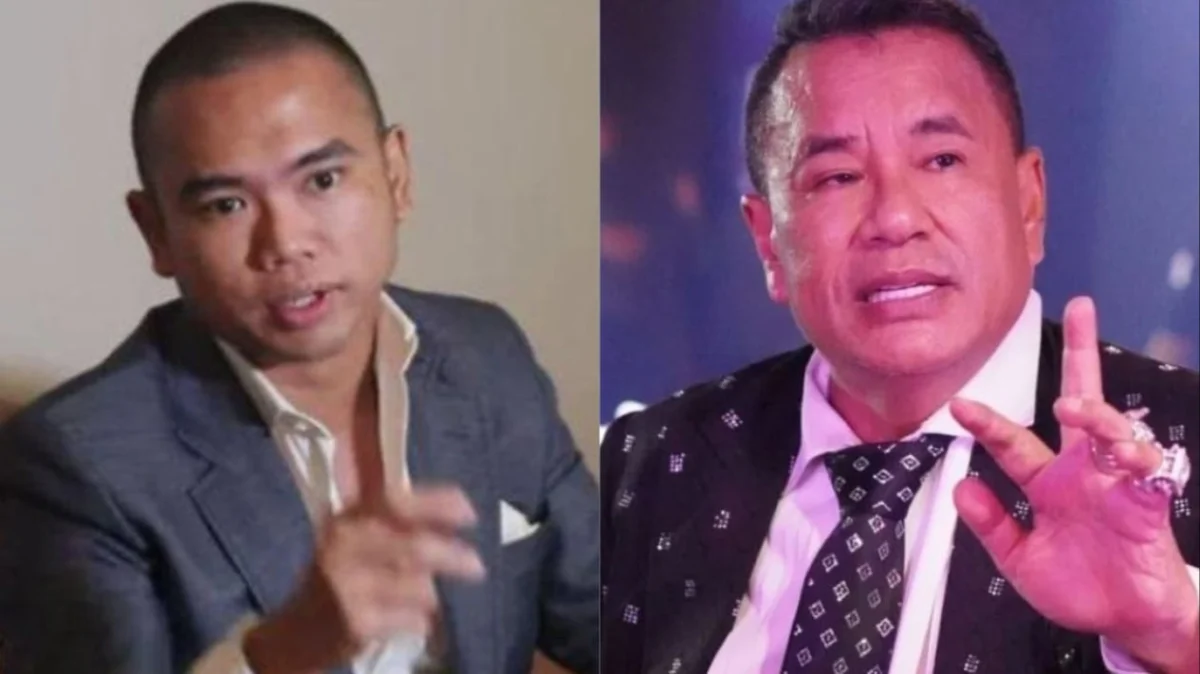
The landscape of Indonesian legal advocacy and social media discourse was significantly jolted on Sunday, July 19, 2026, as a public disagreement surfaced between the nation’s most prominent attorney, Hotman Paris Hutapea, and his eldest son, Frank Alexander Hutapea. The friction, which played out across digital platforms, centers on the legitimacy and underlying motives of "Hotman 911," a high-profile pro bono legal aid initiative that has become a cornerstone of the elder Hutapea’s public persona. The dispute has ignited a broader conversation regarding the intersection of legal ethics, social responsibility, and the use of digital branding in the modern legal profession.
The controversy began when Frank Alexander Hutapea, a respected lawyer in his own right who often operates away from the theatrical spotlight favored by his father, took to social media to voice a scathing critique of the Hotman 911 program. In a series of posts that quickly went viral before his account was transitioned to private mode, Frank suggested that the program, which purports to help the underprivileged, is primarily a sophisticated marketing engine designed to maintain his father’s status as a central figure in the Indonesian media landscape. Frank’s critique was pointed, alleging that the "little people"—the marginalized citizens seeking legal help—were being utilized as "marketing weapons" rather than being the true focus of philanthropic concern.
The Nature of the Critique: Marketing vs. Philanthropy
Frank Hutapea’s allegations strike at the heart of Hotman Paris’s dual identity as a "People’s Lawyer" and a "Bling-Bling Lawyer." In one of the most widely circulated screenshots of his posts, Frank wrote, "Orang miskin itu cuman dijadiin senjata marketing aja. He never really care he only care about being center of attention" (Poor people are just being used as marketing weapons. He never really cares; he only cares about being the center of attention).
This statement highlights a growing tension within the legal community regarding "viral justice." Under the Hotman 911 banner, Hotman Paris has frequently taken on cases that have already captured public attention on TikTok or Instagram, such as the Vina Cirebon case or various instances of alleged corporate bullying against small-scale employees. Critics, now including his own son, argue that by selecting cases with high engagement potential, the program functions more as a Public Relations (PR) strategy to bolster the firm’s brand and attract high-paying corporate clients who wish to be associated with a "hero of the people."
Hotman Paris’s Rebuttal: Evidence of Impact
Responding to the allegations on his official Instagram account, @hotmanparis_official, Hotman Paris chose a strategy of "defense through documentation." Rather than engaging in a direct emotional plea or a familial apology, the senior Hutapea uploaded a series of videos and testimonials intended to serve as a record of the program’s tangible results. These videos featured various clients from low-income backgrounds expressing gratitude for legal interventions that, in many cases, saved them from wrongful imprisonment or financial ruin.
In his caption, Hotman Paris was characteristically defiant. He dismissed the criticisms as the "nyinyir" (nagging) of enemies, a term he frequently uses to describe his detractors in the legal and entertainment worlds. "Real!!! The Hotman 911 team is not marketing to get clients! On the contrary, Hotman’s clients, who are mostly wealthy businessmen, are encouraged to help the victims!! The nagging enemies talk, but the Hotman 911 team keeps moving forward," he wrote.
By framing the program as a bridge between his wealthy corporate clientele and the impoverished victims of legal injustice, Hotman Paris attempted to flip the narrative. He suggested that his commercial success is precisely what enables the sustainability of the pro bono work, creating a form of private-sector wealth redistribution through legal advocacy.
Background Context: The Rise of Hotman 911
To understand the weight of this dispute, one must look at the evolution of Hotman Paris’s approach to legal aid. For decades, Hotman was known exclusively as a corporate litigator, representing international conglomerates and high-net-worth individuals in complex cross-border disputes. However, the "Kopi Johny" era marked a shift in his brand. By holding informal legal clinics at a local coffee shop in Kelapa Gading, North Jakarta, Hotman began democratizing access to his legal expertise, albeit in a highly publicized manner.
This informal setup eventually formalized into Hotman 911. The initiative operates by leveraging Hotman’s massive social media following—exceeding 10 million followers—to pressure authorities, corporations, and the judicial system into acting on cases that might otherwise be ignored. This phenomenon, often called "The Power of Viral," has become a legitimate, if controversial, tool in the Indonesian legal system, where public pressure often accelerates the wheels of justice.
The Chronology of the Dispute
The timeline of the current rift indicates a deepening ideological divide within the Hutapea family:
- Early July 2026: Frank Hutapea begins posting cryptic messages about the ethics of "celebrity lawyering" and the importance of "silent service" in the legal profession.
- July 15-17, 2026: Frank’s critiques become more specific, directly naming the Hotman 911 program as a marketing tool. He argues that true legal aid should not require a camera crew or a social media post for every consultation.
- July 18, 2026: Frank’s posts gain massive traction on X (formerly Twitter) and TikTok. Shortly thereafter, he sets his Instagram profile to private, effectively withdrawing from the public eye after making his stance clear.
- July 19, 2026: Hotman Paris issues his formal response via Instagram. He ignores the familial connection in the text of the post but addresses the "enemies" and "critics" broadly, while showcasing the support of Indonesian tycoons for his social causes.
Analysis of the Implications: Family, Law, and Ethics
The public nature of this disagreement carries several implications for the Indonesian legal landscape. First, it brings to the forefront the debate over the Indonesian Advocates Act (Law No. 18 of 2003), which governs the conduct of lawyers. While the law mandates that lawyers provide pro bono services to the poor, it is silent on the extent to which these services can be publicized.
Legal ethicists argue that while publicity can help a specific case by garnering public support, it can also border on "ambulance chasing" or unethical self-promotion. Frank Hutapea’s critique suggests that the "theatrical" nature of Hotman 911 might undermine the dignity of the legal profession. Conversely, supporters of Hotman Paris argue that in a system where the "little people" are often crushed by those with power, the only way to achieve balance is through the loud, uncompromising advocacy that Hotman provides.
Furthermore, the dispute highlights a generational shift in the Hutapea legal dynasty. Frank Hutapea has often been seen as the "steady hand" within the firm, focusing on the technical and administrative rigors of high-stakes litigation. His public break from his father’s methods suggests a desire to distance the firm’s long-term reputation from the "viral" antics that have defined Hotman Paris’s later career.
Data on Legal Aid and Access to Justice in Indonesia
The relevance of programs like Hotman 911 is underscored by the current state of legal aid in Indonesia. According to data from the National Legal Development Agency (BPHN), the ratio of pro bono lawyers to the number of impoverished citizens remains significantly imbalanced. While the government provides budgets for legal aid through accredited organizations (OBH), the administrative hurdles for victims to access these funds are often prohibitive.
Hotman 911 fills this gap by bypassing bureaucracy. However, the "marketing" allegation raises the question of whether this model is scalable or equitable. If legal aid is only available to those whose stories are "viral-worthy," then thousands of victims with "boring" or "non-marketable" cases remain in the shadows. This is likely the core of Frank Hutapea’s philosophical objection: the transformation of justice into a commodity for digital consumption.
Reactions from the Legal Community and Public
While the Indonesian Bar Association (PERADI) has not issued an official statement regarding this specific family dispute, individual members of the legal community have expressed mixed views. Some younger lawyers view Hotman 911 as a necessary evolution of the profession in the digital age, where a lawyer must also be a communicator and a social advocate. Others side with Frank, fearing that the "spectacle" of legal aid devalues the actual legal work performed in the courtroom.
Public sentiment remains largely in favor of Hotman Paris, as evidenced by the comments on his rebuttal post. For many Indonesians, the "why" and "how" of the legal aid matter less than the "result." To a victim who has regained their rights through Hotman 911, the question of whether it was a marketing stunt is often secondary to the fact that they received help when no one else was listening.
Conclusion and Future Outlook
As of the evening of July 19, the tension between father and son remains unresolved in the public eye. Hotman Paris continues to post content highlighting his successes, while Frank Hutapea remains in a period of digital silence.
This incident serves as a pivotal moment for Hotman 911. To maintain its credibility in the face of such intimate criticism, the program may need to demonstrate a more systematic approach to legal aid that goes beyond viral cases. For the Hutapea family, the dispute is a reminder of the complexities of managing a high-profile legacy where the lines between family, business, and public service are perpetually blurred. Whether Hotman 911 is a genuine philanthropic endeavor or a masterclass in modern marketing, its impact on the Indonesian judicial conversation is undeniable, ensuring that the "People’s Lawyer" will remain at the center of attention for the foreseeable future.