Bambang Pamungkas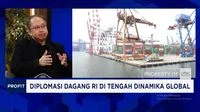
Indonesia is embarking on an ambitious national strategy to fundamentally transform its economic landscape, shifting away from its traditional role as a mere exporter of raw commodities to becoming a formidable global supplier of high-value, processed products. This strategic pivot, officially termed "hilirisasi" or downstream industrialization, is central to the nation’s long-term vision of enhancing its competitive edge and securing a more influential position in international trade. The government’s unwavering commitment to this agenda was underscored by Edi Prio Pambudi, Deputy for Coordination of Economic Cooperation and Investment at the Coordinating Ministry for Economic Affairs, who articulated Indonesia’s ambition to transcend its status as a raw material provider and instead emerge as a key player in the global supply chain for sophisticated, value-added goods. This paradigm shift represents a critical juncture in Indonesia’s economic development, promising to unlock new avenues for growth, job creation, and technological advancement, while simultaneously fortifying the nation’s economic resilience against external shocks.
The comprehensive strategy to bolster Indonesia’s standing in the global supply chain is multifaceted, encompassing several critical pillars designed to foster an environment conducive to advanced manufacturing and innovation. A cornerstone of this strategy involves the targeted strengthening of 28 crucial commodity value chains, each earmarked for intensive downstream processing. This focused approach aims to maximize the value extracted from Indonesia’s abundant natural resources, ensuring that the benefits of these resources accrue domestically rather than being exported as unprocessed raw materials. Beyond individual commodity streams, the government is actively engaged in developing integrated industrial ecosystems and specialized economic zones across the archipelago. These zones are envisioned as hubs of efficiency and innovation, designed to attract significant domestic and foreign direct investment by offering streamlined regulations, robust infrastructure, and a supportive business environment. Furthermore, Indonesia is proactively seeking to integrate itself into high-technology supply chains, with a particular emphasis on strategic sectors such as semiconductors, recognizing their pivotal role in the modern global economy.
One of the most prominent examples of this downstreaming initiative, and a clear indicator of Indonesia’s strategic focus, is the emphasis on rare earth elements. These critical minerals are not merely commodities but represent a global battleground for economic and geopolitical influence, given their indispensable role in advanced technologies ranging from electric vehicles and renewable energy systems to defense applications and consumer electronics. Indonesia, possessing significant reserves, is positioning itself to become a key player in the processing and supply of these vital materials, thereby leveraging its natural endowment to gain strategic advantage. However, the path to achieving these ambitious goals is not without its challenges. Key hurdles identified include the need for regulatory simplification to ease business operations and investment, as well as ensuring a secure and efficient supply of energy to power energy-intensive production processes. Addressing these challenges is paramount to enhancing the competitiveness of national products, including those originating from the vital Micro, Small, and Medium Enterprises (MSME) sector, which forms the backbone of the Indonesian economy.
The Economic Imperative: Moving Beyond Raw Materials
Indonesia’s drive for downstream industrialization is not a new concept, but its current intensity and strategic focus mark a significant escalation. For decades, Indonesia has been a major global supplier of raw commodities such as palm oil, nickel ore, bauxite, tin, coal, and various agricultural products. While these exports have historically contributed substantially to the national income, the bulk of the value-added processes, including refining, manufacturing, and branding, often occurred overseas. This arrangement meant that Indonesia captured only a fraction of the potential economic benefits, missing out on opportunities for higher export revenues, job creation in skilled sectors, technology transfer, and industrial diversification. The economic rationale for downstreaming is therefore compelling: by processing raw materials domestically, Indonesia can significantly increase the export value of its products, create more skilled and higher-paying jobs, foster the growth of supporting industries, and reduce its vulnerability to fluctuations in global commodity prices.
The government’s resolve in this direction gained considerable momentum with the implementation of a ban on nickel ore exports in 2020. This controversial but ultimately successful policy decision led to a dramatic surge in domestic nickel processing facilities, particularly for stainless steel and battery-grade nickel, transforming Indonesia into a global powerhouse in these sectors. The success of the nickel downstreaming initiative has provided a blueprint and strong political will to replicate this model across other strategic commodities. This historical context provides a crucial backdrop for the current expanded strategy, demonstrating a proven track record of achieving tangible economic benefits through assertive resource nationalism aimed at value addition.
Chronology of Policy Evolution and Key Milestones
The journey towards robust downstream industrialization in Indonesia has been gradual but marked by several key policy decisions and pronouncements:
- Early 2000s: Initial discussions and policies promoting domestic processing of natural resources, albeit with limited enforcement.
- 2009: Enactment of Law No. 4/2009 on Mineral and Coal Mining, which mandated the domestic processing of minerals, setting the stage for future export bans.
- 2014: First ban on raw mineral ore exports, though with some flexibility and exemptions, leading to varied results.
- 2017: Government revisits the mineral export ban, signaling a stronger commitment to domestic processing.
- 2020 (January): Full ban on nickel ore exports takes effect, becoming a landmark policy that accelerated the development of nickel smelters and processing plants within Indonesia. This move drew international attention and, in some cases, trade disputes, but was steadfastly defended by the Indonesian government as essential for national economic interests.
- 2022-2023: President Joko Widodo reiterates the government’s commitment to extending export bans to other raw commodities like bauxite, copper, and tin, signaling a broader and more aggressive downstreaming agenda.
- Ongoing (2024-2026): Continuous development of supporting regulations, incentives, and infrastructure projects to facilitate investment in downstream industries across 28 identified priority commodities. The dialogue on July 14, 2026, featuring Edi Prio Pambudi, serves as a significant platform for updating stakeholders on the progress, challenges, and future trajectory of this overarching policy, highlighting the government’s sustained focus on this critical economic transformation.
Key Commodities and Strategic Industrial Ecosystems
The identification of 28 priority commodity value chains for downstreaming signifies a holistic approach to Indonesia’s resource wealth. While the article specifically mentions rare earth elements, other critical sectors include:
- Nickel: Already a success story, the focus is now on moving further up the value chain from nickel pig iron and ferronickel to higher-grade materials for electric vehicle (EV) batteries, stainless steel components, and advanced alloys.
- Bauxite: Plans are underway to expand alumina refineries and develop aluminum smelters, moving from exporting raw bauxite to producing aluminum products.
- Copper: With significant reserves, the aim is to develop copper smelters and downstream industries for copper wire, cables, and other manufactured goods.
- Tin: Indonesia, a major tin producer, seeks to enhance its capabilities in tin plating, solder, and other tin-based products.
- Palm Oil: Beyond crude palm oil, efforts are directed towards producing oleochemicals, biofuels (biodiesel), food ingredients, and other derivatives.
- Fisheries: Transforming from exporting raw fish to processed seafood products, canned goods, and fishmeal.
- Agriculture: Value addition in rubber, coffee, cocoa, and various fruits through processing into consumer goods.
- Forestry: Shifting from log exports to plywood, pulp, paper, and furniture manufacturing.
To support these efforts, the government is strategically developing integrated industrial estates and Special Economic Zones (SEZs). These zones, such as Morowali and Weda Bay in Sulawesi (for nickel), Batang in Central Java (general manufacturing), and various others, offer tax incentives, streamlined permits, and dedicated infrastructure (ports, power plants, industrial parks) to attract investors. The goal is to create efficient production clusters where raw materials, processing facilities, and supporting industries are co-located, minimizing logistics costs and maximizing operational synergies. These ecosystems are crucial for fostering a competitive environment and attracting the substantial capital investment required for large-scale industrialization.
Entering the High-Tech Frontier: The Semiconductor Ambition
Indonesia’s aspiration to integrate into high-tech supply chains, particularly semiconductors, represents a bold leap. The global semiconductor industry is highly complex, capital-intensive, and dominated by a few key players and regions. The recent global chip shortages have highlighted the strategic importance of this sector, prompting nations worldwide to invest in domestic semiconductor capabilities. For Indonesia, entering this domain means identifying niche areas where it can realistically contribute, such as packaging and assembly, or perhaps even specialized material production, leveraging its mineral resources.
Achieving this ambition would require significant foreign technology transfer, skilled labor development, and substantial investment in research and development. Partnerships with established global semiconductor firms would be critical. While challenging, success in this area could significantly elevate Indonesia’s technological capabilities, attract advanced manufacturing, and create a highly skilled workforce, aligning with the broader goal of becoming a high-value product supplier. This move is not merely economic but also strategic, aiming to secure a foothold in technologies vital for national security and future economic growth.
Addressing the Challenges: Regulation, Energy, and Beyond
The ambitious downstreaming agenda faces several formidable challenges that require robust policy responses:
- Regulatory Environment: While significant strides have been made with reforms like the Omnibus Law (Job Creation Law) and the Online Single Submission (OSS) system, bureaucratic hurdles, inconsistent policy implementation, and regulatory uncertainties can still deter investors. The government is continuously working to streamline permit processes, ensure legal certainty, and reduce red tape to create a more attractive investment climate.
- Energy Supply Security and Cost: Industrial processing, especially in sectors like smelting and refining, is highly energy-intensive. Indonesia needs to ensure a reliable, affordable, and increasingly sustainable energy supply. This involves expanding power generation capacity, investing in renewable energy sources (geothermal, hydro, solar, wind) to meet growing industrial demand while simultaneously adhering to environmental commitments. The role of state-owned enterprises like PLN in guaranteeing power supply is crucial, alongside encouraging private sector participation in energy infrastructure development. The cost of energy directly impacts the competitiveness of Indonesian products; thus, securing competitively priced energy is paramount.
- Infrastructure Deficiencies: Despite ongoing infrastructure development, gaps remain in logistics, port capacity, road networks, and digital connectivity, particularly in remote resource-rich areas. Efficient infrastructure is vital for transporting raw materials to processing plants and finished goods to export markets, reducing overall production costs.
- Human Capital Development: The shift to high-value industrialization necessitates a skilled workforce. Indonesia needs to invest heavily in vocational training, STEM education, and partnerships with industries to develop the technical and engineering expertise required for advanced manufacturing and technology-driven sectors. Bridging the skills gap is critical for ensuring that local populations can benefit from the new job opportunities created.
- Access to Finance: Attracting the massive capital required for large-scale industrial projects, especially for local businesses and MSMEs, remains a challenge. The government needs to facilitate access to financing, including foreign direct investment, domestic capital markets, and innovative financing mechanisms.
- Environmental Sustainability: As industrialization expands, ensuring environmentally responsible practices, sustainable resource management, and effective waste treatment is crucial to avoid ecological degradation and meet international sustainability standards. This includes implementing stricter environmental regulations and promoting green technologies.
Official Responses and Broader Implications
The Indonesian government, under the leadership of President Joko Widodo, has consistently articulated downstream industrialization as a flagship policy. Edi Prio Pambudi’s statements are therefore reflective of a coordinated, top-down national strategy. The Coordinating Ministry for Economic Affairs plays a pivotal role in harmonizing policies across various ministries, including the Ministry of Industry, Ministry of Energy and Mineral Resources, and the Ministry of Investment, to ensure a coherent and effective implementation of the downstreaming agenda.
The broader implications of this strategy are profound:
- Economic Growth and Diversification: Successful downstreaming is projected to significantly boost Indonesia’s GDP, diversify its export portfolio beyond raw materials, and increase its foreign exchange earnings. It will create millions of direct and indirect jobs across various skill levels, contributing to poverty reduction and improved living standards.
- Geopolitical Leverage: By controlling more of the value chain for critical minerals and manufactured goods, Indonesia enhances its geopolitical leverage in international relations. It becomes a more indispensable partner in global supply chains, particularly as major powers seek to diversify their sources of critical materials away from concentrated suppliers.
- Trade Agreements and Market Access: The emphasis on value-added products aligns with Indonesia’s active pursuit of comprehensive economic partnership agreements (CEPAs) and free trade agreements (FTAs) with various countries and blocs. These agreements aim to secure preferential market access for Indonesia’s processed goods, facilitating their entry into international markets and bolstering their competitiveness. Discussions about strengthening Indonesia’s competitiveness through such trade agreements are integral to the strategy, as these agreements provide the framework for expanded trade in finished products.
- Technological Advancement: The push into high-tech sectors and advanced manufacturing will inevitably lead to greater technology transfer, innovation, and R&D capabilities within Indonesia, fostering a more knowledge-based economy.
- Sustainability and Green Economy: The focus on energy security and efficiency, coupled with the development of materials for EVs and renewable energy, positions Indonesia to play a key role in the global transition to a green economy, provided that environmental safeguards are rigorously implemented.
In conclusion, Indonesia’s commitment to downstream industrialization represents a transformative national endeavor. From strategically processing its abundant natural resources to venturing into high-tech manufacturing, the nation is determined to move up the global value chain. While formidable challenges in regulation, energy, and human capital remain, the government’s steadfast resolve, informed by past successes like the nickel downstreaming, suggests a promising trajectory. The ongoing dialogues, such as the one featuring Edi Prio Pambudi, serve as crucial checkpoints in this ambitious journey, continually reaffirming Indonesia’s vision to become a resilient, high-value economic powerhouse on the global stage.