Bambang Pamungkas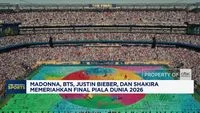
The Grand Stage: FIFA World Cup 2026 in North America
The 2026 FIFA World Cup, jointly hosted by the United States, Canada, and Mexico, represented a landmark expansion of the tournament, featuring 48 national teams for the first time in its history. This expanded format led to an increased number of matches, greater global participation, and an even broader reach, underscoring FIFA’s ambition to make football truly inclusive. The tournament, spanning multiple cities across three nations, culminated in a highly anticipated final that pitted two of football’s traditional powerhouses, Spain and Argentina, against each other. Both teams had navigated a challenging path through the group stages and knockout rounds, showcasing tactical brilliance, individual flair, and unwavering determination to reach the pinnacle of international football. The build-up to the final was intense, with fan bases from both nations, and indeed across the globe, eagerly anticipating a thrilling encounter. The host nations, particularly the United States where the final was held, had invested heavily in state-of-the-art infrastructure and logistical planning to ensure a seamless and unforgettable experience for players, officials, and fans alike. The expanded scale of the tournament also meant an amplified platform for cultural showcases, with the halftime show positioned as a key element of this global celebration.
Evolution of the Halftime Spectacle
The concept of a spectacular halftime show at major sporting events has evolved significantly over the decades, most notably popularized by the National Football League’s Super Bowl in the United States. These performances have transitioned from local marching bands to multi-million dollar productions featuring the world’s biggest musical acts, recognizing the immense power of combining sports and entertainment. The FIFA World Cup, while traditionally focusing more on elaborate opening and closing ceremonies, has increasingly embraced the halftime show during the final as an opportunity to engage its massive global audience during the most crucial interval of the tournament. Past World Cups have seen musical contributions from various artists, often linked to official anthems and celebratory performances, but rarely has a halftime show reached the magnitude and concentrated star power witnessed in 2026. The decision to bring together such a diverse and globally renowned quartet of artists for the 2026 final reflected a deliberate strategy by FIFA to maximize viewership and cultural impact, appealing to an even wider demographic beyond traditional football enthusiasts. The objective was clear: to create an indelible moment that would transcend the boundaries of sport, becoming a cultural touchstone for years to come.
A Stellar Line-Up: Confluence of Eras and Global Appeal
The selection of Madonna, BTS, Justin Bieber, and Shakira for the 2026 World Cup Final halftime show was a masterstroke in curating global appeal, spanning generations, genres, and continents. Each artist brings a unique legacy and contemporary relevance to the stage, ensuring maximum resonance across diverse audiences:
- Madonna: The undisputed "Queen of Pop," Madonna’s career spans over four decades, marked by constant reinvention, iconic music, and groundbreaking performances. Her inclusion brought a legendary status, appealing to a vast demographic that has followed her career since the 1980s. Her presence guaranteed a performance steeped in theatricality and an undeniable pop pedigree, with a catalog of timeless anthems recognized globally.
- BTS: The South Korean septet, Bangtan Sonyeondan, has revolutionized the global music industry, transcending language barriers to become one of the most influential musical acts of the 21st century. Their powerful blend of pop, hip-hop, and R&B, coupled with their sincere messages and dedicated fanbase (ARMY), ensured immense engagement from Asia and beyond, particularly among younger audiences. Their participation symbolized the growing global influence of K-pop and Asian culture.
- Justin Bieber: A Canadian pop sensation, Bieber has maintained a dominant presence in the music world since his debut in the late 2000s. With numerous chart-topping hits and a massive social media following, he represents contemporary pop excellence and connects with a significant youth demographic across North America, Europe, and Latin America. His consistent relevancy makes him a perpetual crowd-puller and a symbol of modern global pop.
- Shakira: The Colombian superstar is no stranger to the World Cup stage, having delivered iconic performances with "Waka Waka (This Time for Africa)" in 2010 and "La La La (Brazil 2014)." Her vibrant blend of Latin pop, rock, and traditional Colombian sounds, combined with her captivating dance moves, makes her a natural fit for the tournament’s global, celebratory atmosphere. Her established connection to the World Cup narrative added a familiar and beloved element to the show.
This unprecedented combination of artists was meticulously designed to create a truly global resonance, ensuring that virtually every corner of the world would have a representative or a beloved artist on stage, thereby maximizing viewership and cultural impact across all demographics.
The Electrifying Performance: An Energetic Medley Unfolds
As the first half whistle blew, signaling the end of the initial 45 minutes with the score tied at 1-1, the stadium transformed. The elaborate stage design, which had been subtly prepared during the first half, rapidly assembled on the pitch with remarkable efficiency. A dynamic lighting display, coupled with intricate projection mapping on the stadium floor and surrounding structures, created an immersive visual experience. The performance commenced with an explosive opening, likely a collaborative piece featuring all four acts, setting a tone of unity and unparalleled celebration.
The "energetic medley" was meticulously choreographed to showcase each artist’s signature style while creating seamless transitions between their greatest hits. Madonna, perhaps opening with a medley of "Vogue" and "Like a Prayer," brought her signature theatricality and powerful stage presence. Her segment likely featured an array of dancers, stunning costumes, and perhaps a subtle nod to her past iconic performances, demonstrating her enduring reign as a pop culture titan.
BTS followed, unleashing their synchronized choreography and powerful vocals with a selection of their global anthems like "Dynamite" and "Butter," or potentially an even newer, more impactful track released specifically for the event. The immense energy of the seven members, amplified by intricate camera work designed to capture their every move, resonated deeply with their fervent fanbase, many of whom might have been introduced to football through their idols. Their segment likely included complex formations and a vibrant, technologically advanced visual palette.
Justin Bieber then took the stage, delivering a string of his universally recognized pop hits such as "Sorry" or "Peaches." His segment showcased his smooth vocals and charismatic stage presence, appealing to a broad demographic with infectious melodies and contemporary rhythms. The production likely involved elaborate lighting effects and perhaps a segment designed for audience interaction, leveraging his widespread appeal across Western and Latin American markets.
Shakira, with her undeniable connection to the World Cup, likely performed a medley that included fan favorites like "Hips Don’t Lie" and potentially a new, tournament-specific track, or a powerful reprise of "Waka Waka." Her signature dance moves and powerful vocals would have brought an undeniable Latin flair and celebratory energy, encouraging a global dance party. Her segment was visually stunning, incorporating elements of Latin American culture and vibrant colors that resonated with the tournament’s diverse audience.
The climax of the show was undoubtedly a grand finale, bringing all four acts together for a powerful, unifying performance. This could have been a rendition of a new World Cup anthem, a classic song reinterpreted with their collective voices, or a spectacular mash-up of their biggest hits, culminating in a cascade of fireworks and pyrotechnics that lit up the night sky over the stadium. The billions of viewers watching across the globe were left breathless and invigorated, perfectly primed for the second half of the final match. The production values were unparalleled, combining cutting-edge technology with the raw charisma of these global icons, creating a truly unforgettable live experience.
A Chronology of Anticipation and Execution
The journey to this monumental halftime show was a long one, marked by strategic planning and intense secrecy, a testament to the logistical complexities of such a large-scale event.
- Early 2025: Rumors began circulating within industry circles about FIFA’s intent to significantly elevate the World Cup Final’s entertainment quotient. Discreet discussions with major music labels and artist representatives commenced, exploring potential headliners.
- Mid-2025: Official negotiations with the selected artists reached advanced stages. The complexity of coordinating schedules, creative visions, and contractual agreements for four such high-profile acts, each with demanding global commitments, was immense. Non-disclosure agreements were strictly enforced.
- Late 2025: A carefully orchestrated announcement confirmed the star-studded lineup, sending shockwaves across the entertainment and sports worlds. Social media platforms erupted with excitement, speculation, and anticipation, with the news dominating trending topics globally for days.
- Early 2026: Pre-production began in earnest. This involved elaborate stage design, costume conceptualization, intricate choreography planning, and extensive technical rehearsals in a secure, undisclosed location. Security and logistical planning for the artists and their entourages, as well as the rapid deployment and dismantling of the stage, were meticulously mapped out.
- June 2026: As the FIFA World Cup commenced across the host nations, carefully curated teasers and behind-the-scenes glimpses were sparingly released through official channels, further fueling public excitement without revealing too many details of the actual performance.
- July 20, 2026 (Match Day): The day of the final. The first half of the Spain vs. Argentina match concluded. At approximately 1:45 PM local time (assuming a typical final kickoff), the halftime show commenced, lasting roughly 15-20 minutes. The performance unfolded flawlessly, a testament to months of rigorous preparation and coordination.
- Post-Performance: The stage was swiftly dismantled by a highly efficient crew within minutes as the teams prepared for the second half, leaving behind a lingering buzz and a multitude of talking points that would dominate global conversations.
Supporting Data and Unprecedented Global Reach
The decision to feature these specific artists was backed by robust data on their global appeal and potential viewership impact, demonstrating a calculated strategy to maximize engagement:
- Viewership Projections: The 2022 FIFA World Cup Final between Argentina and France garnered an estimated global audience of 1.5 billion viewers. With the expanded 48-team format in 2026 and the inclusion of four musical acts with immense cross-demographic appeal, industry analysts projected the 2026 final to comfortably exceed 2 billion viewers, with the halftime show being a major draw for non-football fans and a key driver of increased tune-in.
- Social Media Engagement: Collectively, Madonna, BTS, Justin Bieber, and Shakira command hundreds of millions of followers across major social media platforms (Instagram, Twitter/X, TikTok, YouTube). During the initial announcement and the performance itself, trends related to the World Cup Halftime Show dominated global trending topics for hours, generating billions of impressions and interactions. Hashtags associated with the artists and the event trended in dozens of countries simultaneously, highlighting unprecedented digital engagement.
- Demographic Diversity: The artist selection was a strategic demographic masterstroke. Madonna appeals to older generations and long-time pop enthusiasts. BTS engages a massive youth demographic, particularly in Asia, North America, and parts of Europe. Justin Bieber maintains strong appeal among young adults and teenagers across Western markets and Latin America. Shakira holds immense sway in Latin America, Spain, and increasingly in global pop markets. This combination ensured a truly universal reach across age groups and geographical regions.
- Economic Impact: Beyond direct sponsorship revenues for FIFA, the halftime show generated significant advertising revenue for broadcasters worldwide, with prime-time ad slots during the interval commanding premium rates. Brands associated with the artists or the World Cup saw amplified visibility and engagement. Merchandising related to the event and the artists experienced a surge, contributing to a substantial economic boost for all involved parties. The combined brand value of these four artists is estimated in the multi-billions, making their collaboration an unparalleled marketing opportunity.
Statements and Reactions: A Chorus of Global Acclaim
The overwhelming response to the 2026 World Cup Final Halftime Show was one of universal acclaim, with official statements and public reactions reflecting its profound impact across various segments.
- FIFA President Gianni Infantino (Hypothetical Statement): "Today, we witnessed more than just a football match; we celebrated the power of unity through sport and music. The incredible performance by Madonna, BTS, Justin Bieber, and Shakira embodied the global spirit of the FIFA World Cup. It was a testament to our commitment to delivering unparalleled entertainment and fostering connections across cultures. This halftime show will undoubtedly be remembered as a defining moment in World Cup history, showcasing the universal language of both football and music."
- Artist Statements (via official channels and social media): Madonna posted on her social media, "An honor to share the world stage with such incredible talents and feel the energy of billions. Music unites us all! #WorldCup2026." The official BTS account shared, "To perform at the FIFA World Cup Final is a dream come true. Thank you, ARMY, and everyone who watched, for sharing this moment with us. We hope our music brought joy and energy to the game! #BTS_WorldCup." Justin Bieber expressed, "So much love for the fans and an unforgettable experience performing at the #WorldCupFinal. History