Nila Kartika Wati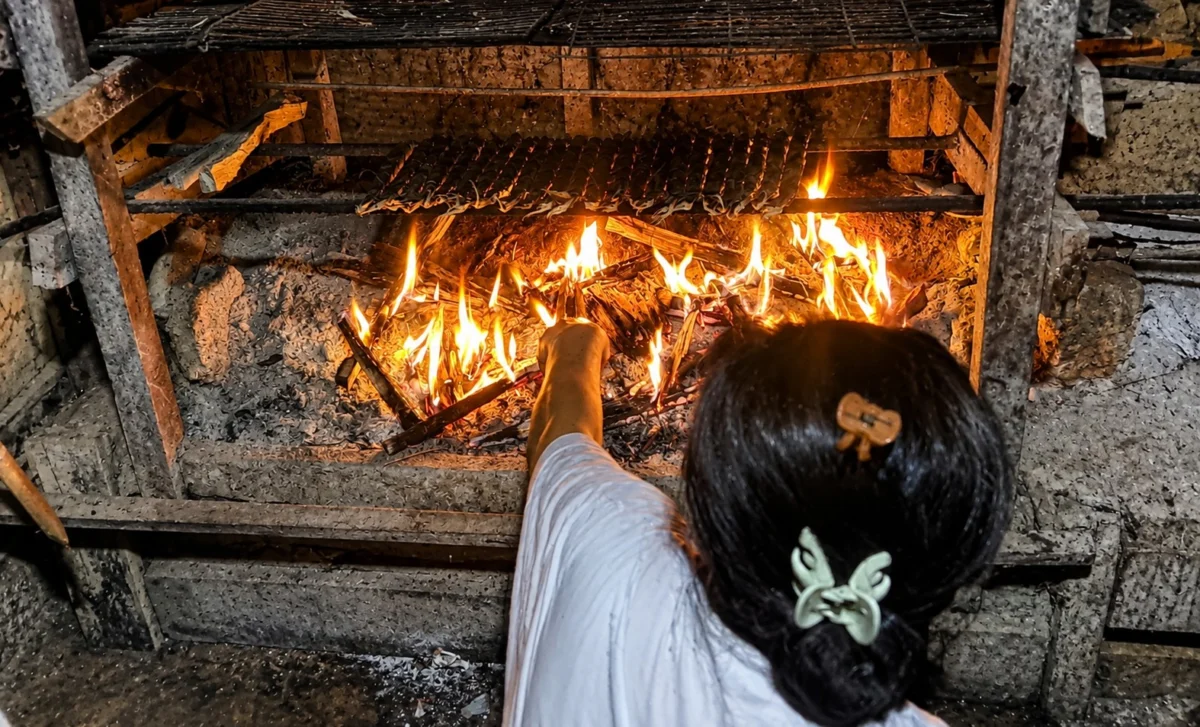
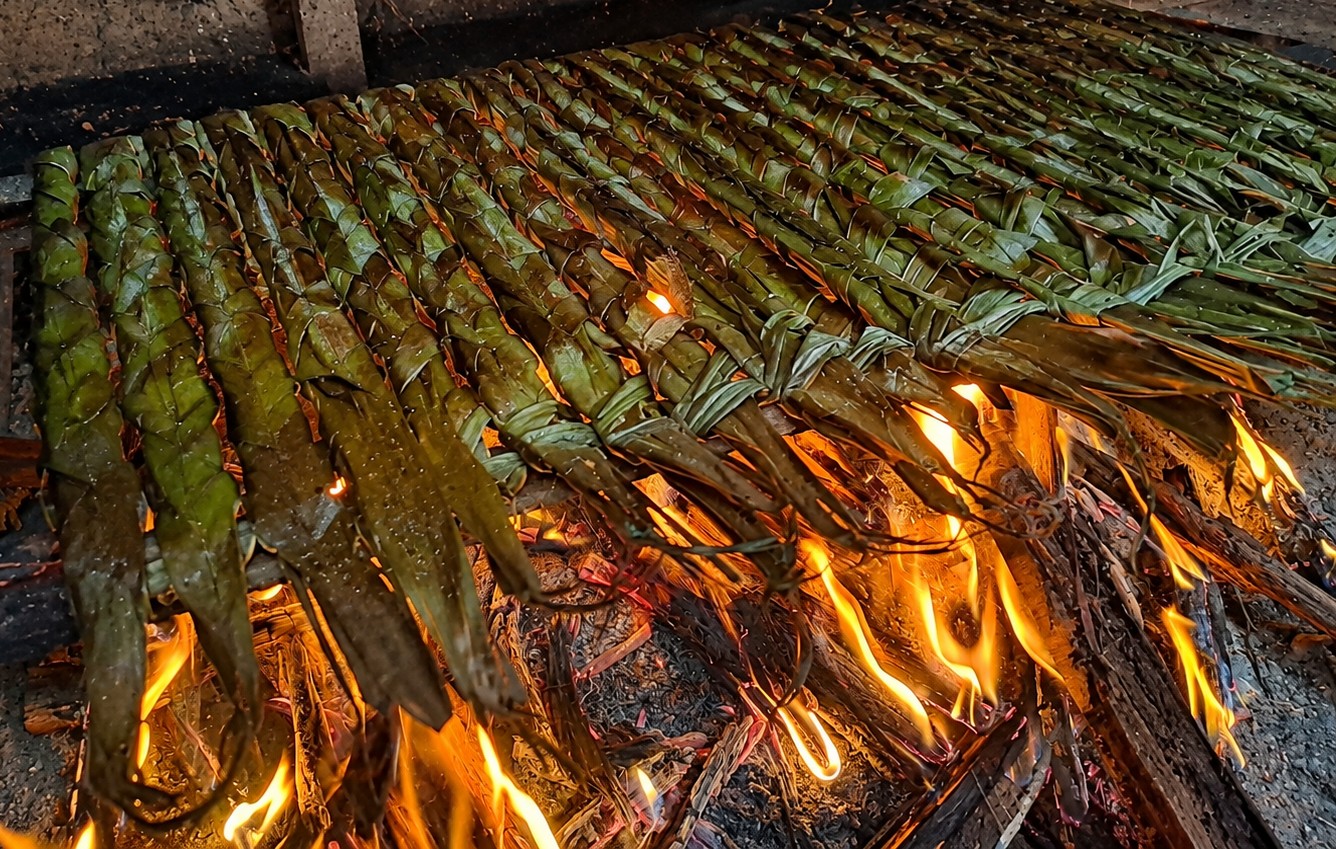
The hands of Keisha Sapondoro, a resident of Sirilanggai Hamlet in Malancan Village, North Siberut, move with a practiced rhythm that reflects decades of tradition in the Mentawai Islands. As twilight descends over the rainforest canopy on a Tuesday evening, she skillfully rolls sago dough into long, slender sago leaves, creating cylinders roughly 40 centimeters in length. With a simple pinch of salt for seasoning, these rolls—known locally as kapurut—are neatly arranged over a wood-fired hearth. Within thirty minutes, the kitchen is filled with the distinct, smoky aroma of toasted sago leaves, a scent that has defined Mentawai households for generations. That evening, Keisha served twenty sticks of kapurut alongside fresh side dishes, offering a meal that is naturally savory and imbued with a warmth rarely found in modern, processed foods.
In the vast Indonesian archipelago, rice has become a nearly irreplaceable staple, yet in the remote interior of the Mentawai Islands, sago remains a cornerstone of daily life for many families. This local food is far more than a source of carbohydrates; it is a cultural anchor connecting the Mentawai people to the forests that have sustained their civilization for centuries. For Keisha, kapurut is the food of her upbringing, a reminder of a time before rice dominated the local palate. She recalls a period when the dinner table was defined by the yields of the earth and the forest: sago, taro, and yams. Even today, Keisha maintains a preference for the old ways, noting that sago provides a longer-lasting sense of satiety compared to rice and pairs perfectly with the fresh fish caught from the surrounding waters.
The Historical Shift: From Sago Sovereignty to the Rice Paradigm
The transition from sago to rice in the Mentawai Islands did not occur by accident; it was the result of deliberate socio-political engineering that began several decades ago. According to research conducted by Ade Irwandi and Kris Irwandi Saleleubaja, titled "From Sago to Rice: Changes in the Socio-Cultural Life of the Mentawai People" published in the Journal Masyarakat Indonesia (2021), the shift gained momentum in the 1970s. During this era, the Indonesian government initiated various development programs aimed at modernizing indigenous communities. These initiatives included the clearing of forests for paddy fields and the systematic distribution of subsidized rice.
Rice was not merely introduced as a food source; it was marketed as a symbol of progress, civilization, and social status. Conversely, sago—which had been the primary energy source for the Mentawai for millennia—was marginalized. It began to be viewed through a lens of "backwardness," associated with a lifestyle that the state deemed undeveloped. This psychological shift fundamentally altered the community’s relationship with their environment and their heritage. As rice became the benchmark for prosperity, the traditional sago-based diet began to erode, starting with the younger generation who increasingly view rice as the standard for every meal.
Cultural and Cosmological Significance of the Sago Palm
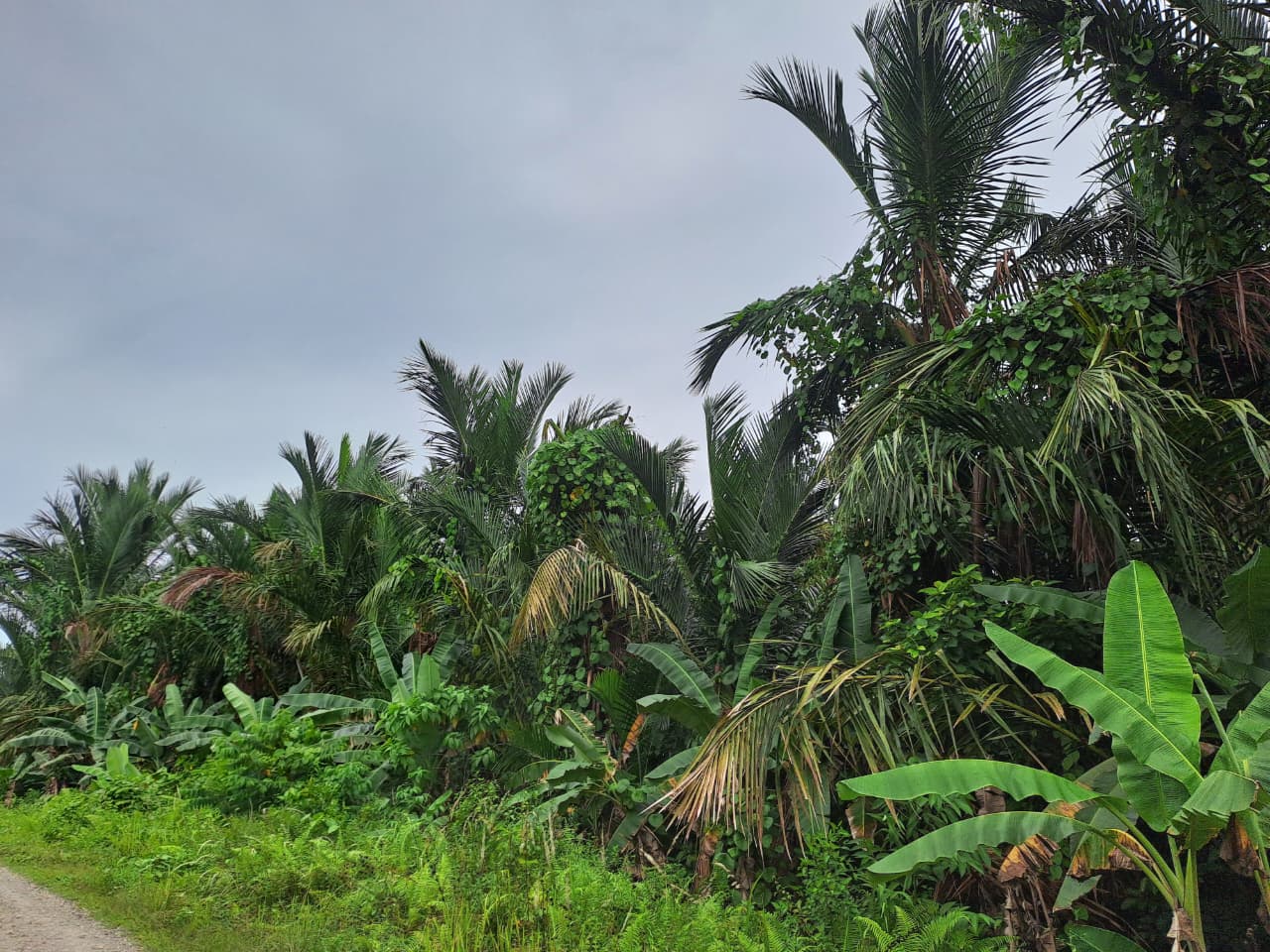
To understand the impact of losing sago is to understand the loss of Mentawai identity itself. Sago (Metroxylon sagu) holds a sacred position within Arat Sabulungan, the indigenous belief system of the Mentawai people. It is not merely an agricultural product but a spiritual entity that features prominently in traditional rituals, marriage ceremonies, and the broader cosmological view of the universe. The sago palm is seen as a provider, a sentinel of the swamp that requires no chemical fertilizers or intensive irrigation, flourishing naturally in the very environment where rice often struggles.
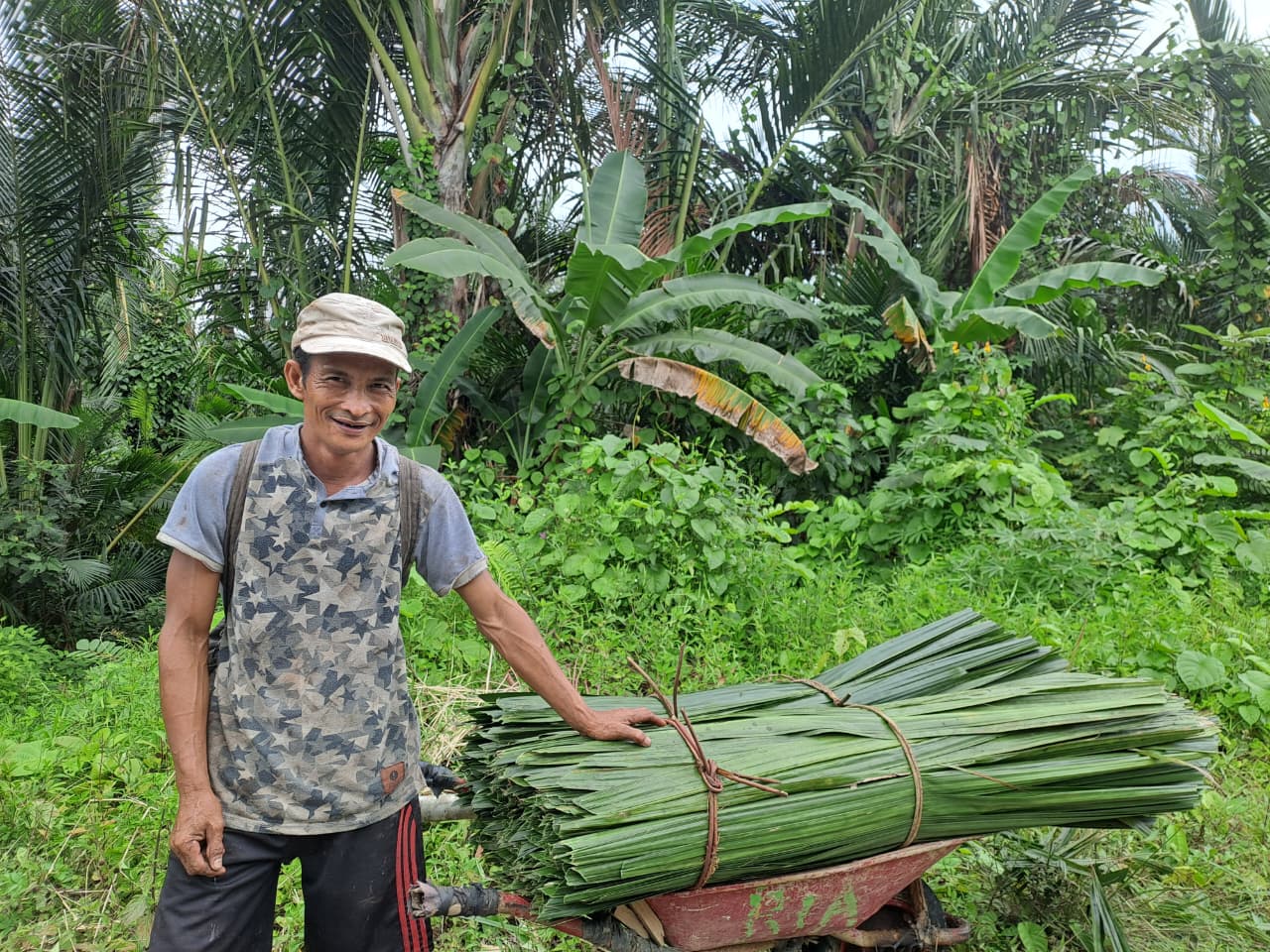
When a community abandons its traditional staple, the consequences extend far beyond nutrition. The entire system of indigenous knowledge—from the timing of the harvest to the specific songs sung during processing—begins to vanish. Research by Samantha M. Lee and her colleagues in "The Indigenous Uses of Plants from Siberut, Mentawai, Indonesia" (2021) highlights that approximately 50% of plant species in Siberut are utilized by the local population for food, medicine, construction, and ritual. Among these, the sago palm is arguably the most versatile. The pith provides flour, the leaves become durable thatch for roofs (which are notably cooler than modern tin roofs) and wrappers for kapurut, and the petioles are used for household implements.
Ecological Mismatch: The Failure of the Paddy Field Model
The push for "rice-ification" in Mentawai also faces significant ecological hurdles. The geography of the Mentawai Islands, particularly Siberut, is dominated by tropical rainforests, peatlands, and marshes. While these conditions are ideal for sago palms, they are often hostile to intensive wet-rice cultivation (sawah) of the kind practiced in Java or mainland Sumatra. The high rainfall and acidic soil of the Mentawai peatlands mean that rice yields are often inconsistent, leaving communities vulnerable to food insecurity if they become overly dependent on imported grains.
Environmental experts warn that converting sago groves into paddy fields or commodity plantations for cloves and cacao threatens the island’s delicate hydrological balance. Sago palms act as natural carbon sinks and water regulators in the Mentawai wetlands. By maintaining sago forests, the community implicitly protects the watershed. The shift toward rice not only necessitates land clearing but also introduces a dependency on external supply chains, making the Mentawai people susceptible to price fluctuations in the global rice market—a stark contrast to the self-sufficiency offered by the sago palm.
Economic Realities and the Labor of Tradition
Despite the cultural prestige of rice, economic factors still provide a compelling argument for sago. In Malancan Village, the price of sago flour remains significantly lower than that of rice. A 10-kilogram bag of sago flour typically costs around Rp60,000 (approximately $3.80 USD), whereas the same amount of rice can cost double that amount. For families living on the margins, sago is the "safety net" that prevents hunger during lean times.
However, the production of sago flour is an arduous, labor-intensive process that many younger residents are reluctant to undertake. Rolan T. Satanduk, a 47-year-old resident of Sirilanggai, continues to process sago manually alongside his work as a timber seeker. The process involves felling a mature tree (usually 10 to 15 years old), stripping the bark, rasping the pith into a fine sawdust, and then leaching the starch with water. One mature sago tree can produce between 15 and 17 bags of flour, but processing it manually can take up to two weeks of back-breaking work just to yield a single bag.
"If we use manual methods, it takes a long time," Rolan explains. This labor gap is one of the primary reasons sago is losing ground. Without modernization in processing technology—such as mechanical raspers or better filtration systems—the physical demand of sago production makes rice, which can be bought pre-packaged at a local shop, a much more convenient, albeit more expensive, alternative.
The Threat of Industrial Logging and Land Conversion
The survival of sago is also tied to the survival of the forest itself. Barnabas Saerejen, a prominent Mentawai figure, notes that the landscape is changing rapidly. The arrival of commercial logging companies has led to the degradation of the forests surrounding Malancan. As large timber is extracted, smaller forest products like manau (large rattan) and fine rattan, which historically provided supplementary income for villagers, are being destroyed.
The loss of forest cover directly impacts the sago groves. While some sago is semi-cultivated near villages, much of it relies on the natural ecosystem of the island’s interior. "Hutan adalah ruang hidup" (The forest is a living space), Barnabas emphasizes. It provides the materials for the Mentawai "Uma" (traditional longhouse), the medicines for the "Sikerei" (shaman), and the food for the family. When industrial interests prioritize timber extraction over indigenous land use, they effectively dismantle the infrastructure of Mentawai food security.
A Generational Divide and the Risk of Gastro-colonialism
The most poignant challenge to sago’s future lies in the changing preferences of the youth. Keisha Sapondoro observes this daily: "The children now prefer rice. They don’t want to eat sago anymore. It is only us, the elders, who still love it." This phenomenon is often described by sociologists as "gastro-colonialism"—a process where indigenous food systems are replaced by those of a dominant culture, leading to a loss of nutritional diversity and cultural autonomy.
As the younger generation loses the taste for kapurut and the knowledge of how to harvest sago, the Mentawai Islands risk becoming entirely dependent on the "outside world" for their survival. This transition creates a paradox where a community surrounded by an abundance of natural energy sources (sago) might face a food crisis if the supply ships from mainland Sumatra are delayed or if the price of subsidized rice rises.
Conclusion: Toward a Resilient Food Future
The story of Keisha and Rolan in the Mentawai Islands is a microcosm of a global struggle to maintain indigenous food sovereignty in the face of homogenization. To preserve the sago culture, a multi-faceted approach is required. This includes not only the protection of forest rights and the prevention of further land conversion but also an ideological shift that re-elevates sago as a "superfood" rather than a "poor man’s meal."
Modern nutritional science supports this elevation; sago is naturally gluten-free and has a low glycemic index compared to white rice, making it an excellent energy source. If the Mentawai people can integrate modest technological improvements in sago processing with their traditional knowledge, sago could transition from a vanishing heritage to a sustainable economic engine.
For now, in the quiet evenings of Siberut, the smell of burning sago leaves still lingers. It is a fragrant reminder that despite the pressure of the modern world, the roots of the sago palm run deep into the Mentawai soil, holding together a way of life that refuses to be forgotten. The preservation of kapurut is not just about a recipe; it is about the right of a people to define their own sustenance and maintain their connection to the land that gave them life.