Chalifah Fatihah
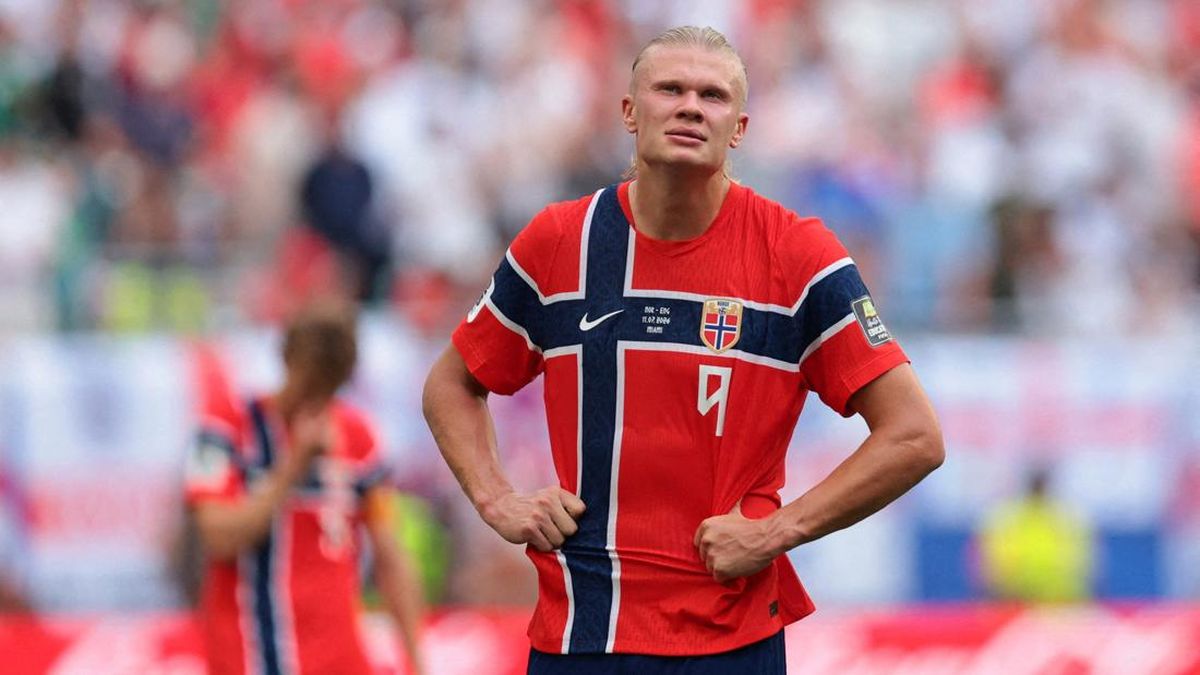
The dietary habits of elite athletes often become subjects of intense public interest, especially when those athletes are as dominant and celebrated as Erling Haaland. Following his explosive performances on the football pitch, particularly his role in Manchester City’s recent successes and Norway’s journey through the FIFA World Cup 2026, the spotlight has turned to his highly publicized "Viking diet." This ancestral eating pattern, characterized by a focus on whole, unprocessed foods and a substantial caloric intake, has sparked widespread curiosity and discussion on social media platforms. Fans and aspiring athletes alike are eager to understand if the secret to Haaland’s exceptional physical prowess, speed, and endurance truly lies in his meticulously curated daily meals.
Haaland’s remarkable physical attributes are undeniable. He possesses a rare combination of brute strength, blistering pace, and seemingly inexhaustible stamina, traits that have made him a formidable force in modern football. To sustain such an demanding physical output, it is reported that he consumes approximately 6,000 calories per day. This high caloric intake is a cornerstone of his ancestral diet, which draws inspiration from the eating patterns of ancient populations. While this figure might seem extraordinarily high and even daunting to the average person, sports nutritionists emphasize that the nutritional requirements of elite athletes are vastly different from those of the general population. Consequently, it is crucial to understand that professional athletes’ dietary regimens are highly personalized and should not be directly replicated without expert consultation and consideration of individual physiological needs.
Understanding the "Viking Diet" of Erling Haaland
The dietary philosophy embraced by Erling Haaland, often referred to as the "Viking diet" or ancestral diet, prioritizes nutrient-dense, whole foods with minimal processing. As reported by Hindustan Times, this approach intentionally excludes added sugars, ultra-processed items, certain vegetable oils, and artificial additives. Instead, his daily menu is rich in high-quality protein sources, healthy fats, and a wide array of natural vitamins and minerals. The underlying belief is that this dietary strategy can significantly enhance muscle recovery, promote gut health, and reduce inflammation, all critical factors for athletes engaged in rigorous training and competitive matches. Beyond his food choices, Haaland also places a strong emphasis on the quality of his drinking water, maintains a consistent meal timing schedule, and actively seeks morning sunlight exposure to regulate his body’s circadian rhythm, further contributing to his overall well-being and performance optimization.
This ancestral eating pattern is rooted in the concept of consuming foods that were historically available to human ancestors, focusing on their natural nutritional profiles and bioavailability. The emphasis is on simplicity and purity, aiming to provide the body with the foundational elements it needs to perform at its peak. For an athlete like Haaland, whose body undergoes extreme physical stress on a daily basis, such a diet is designed to provide sustained energy, facilitate rapid repair of muscle tissue, and bolster the immune system to withstand the rigors of professional sport.
The Three Pillars of Haaland’s Dietary Strategy
The nutritional framework supporting Erling Haaland’s extraordinary athletic capabilities is built upon three primary components, as detailed by VMan South East Asia. These pillars represent a holistic approach to fueling his body for peak performance.
1. Nutrient-Rich Animal Organs
A particularly distinctive and often discussed element of Haaland’s diet is his regular consumption of animal organs, specifically beef liver and heart. These organ meats are nutritional powerhouses, packed with essential micronutrients that are vital for athletic performance. They are excellent sources of iron, crucial for oxygen transport and energy production; B vitamins, which play a role in energy metabolism; vitamin A, important for immune function and vision; zinc, vital for muscle repair and immune health; and coenzyme Q10, a potent antioxidant that supports cellular energy production. For athletes enduring high-intensity training regimens, the inclusion of these organ meats can significantly enhance endurance and expedite muscle recovery processes.
The inclusion of organ meats in a modern athlete’s diet might seem unconventional to some, given the prevalence of muscle meat consumption. However, historically, organ meats were highly prized for their concentrated nutrient profiles. They represent a way to obtain a broad spectrum of vitamins and minerals in highly bioavailable forms, which can be particularly beneficial for individuals with exceptionally high metabolic demands. The iron content, for instance, is critical in preventing or mitigating exercise-induced anemia, a common concern for endurance athletes.
2. High-Quality Water and Sunlight Exposure
Beyond his food intake, Haaland’s commitment to optimal hydration and natural biological regulation is paramount. He prioritizes drinking water that has undergone a thorough filtration process, ensuring its purity and its ability to effectively maintain his body’s fluid balance. This focus on hydration is intrinsically linked to his daily routine of seeking morning sunlight. This deliberate exposure to natural light is believed to be instrumental in synchronizing his body’s internal clock, or circadian rhythm. A well-regulated circadian rhythm is associated with improved sleep quality, enhanced hormone production, and overall better physical and mental performance.
The importance of water for athletes cannot be overstated. Dehydration, even at mild levels, can lead to a significant decline in performance, reduced cognitive function, and increased risk of heat-related illnesses. By ensuring his water is of high quality, Haaland is optimizing his body’s ability to absorb and utilize fluids. Furthermore, morning sunlight exposure is a natural way to regulate the production of melatonin, the sleep hormone, and cortisol, the stress hormone. This helps in establishing a consistent sleep-wake cycle, which is crucial for muscle repair, cognitive function, and overall recovery.
3. Raw Milk and Whole Foods
Completing the trifecta of his dietary pillars is the inclusion of raw milk and a consistent emphasis on minimally processed whole foods. This combination serves as a substantial source of calories, protein, and healthy fats, essential for meeting his demanding daily caloric target of up to 6,000 calories. Raw milk, while a subject of ongoing debate and regulatory scrutiny in many parts of the world due to potential bacterial contamination risks, is purported by proponents to offer a richer nutrient profile compared to pasteurized milk. It is often cited as a source of beneficial enzymes and probiotics.
The inclusion of raw milk in Haaland’s diet highlights a broader trend in some ancestral diets that value unpasteurized dairy products. However, it is critical to acknowledge the health risks associated with consuming raw milk, particularly for the general public. Regulatory bodies worldwide generally recommend pasteurization to eliminate harmful bacteria like Listeria, Salmonella, and E. coli. For individuals considering such an inclusion, stringent sourcing and handling practices are paramount, and professional medical advice is indispensable. The overarching principle here, however, is the consumption of natural, unprocessed dairy as a source of dense nutrition.
Can This Diet Be Replicated?
While Erling Haaland’s dietary regimen is undoubtedly effective in supporting his elite athletic career, its direct replication by the general population is neither recommended nor practical. The caloric needs of a professional athlete like Haaland can be two to three times higher than those of an average active adult. His rigorous training schedule and demanding match load necessitate a significantly higher energy intake to fuel performance and recovery.
Furthermore, the consumption of large quantities of organ meats and raw milk requires careful consideration of individual health conditions and potential risks. For individuals who are not engaged in comparable levels of physical activity, a diet with such a high caloric density, if not matched by equivalent energy expenditure, can lead to undesirable weight gain and metabolic imbalances.
For the majority of people, a more realistic and sustainable approach to a healthy diet involves adopting fundamental principles. This includes prioritizing whole foods, ensuring adequate protein intake from lean sources, consuming a generous amount of fruits and vegetables, significantly reducing the consumption of ultra-processed foods, and maintaining consistent meal timing. These foundational elements of a balanced diet provide the body with the necessary nutrients for general health and well-being without the extreme caloric requirements of an elite athlete.
The "Viking diet" of Erling Haaland serves as a compelling illustration of the profound impact that nutrition can have on the performance of world-class athletes. It underscores the importance of personalized dietary strategies tailored to specific physiological demands. However, the key takeaway for healthy eating is not to blindly imitate the menu of a celebrated footballer, but rather to adapt the principles of balanced nutrition to one’s own unique needs, health status, and lifestyle. The pursuit of optimal health and performance is an individualized journey, best guided by scientific understanding and professional advice.
The context of Haaland’s dietary choices can be further understood by examining the evolution of sports nutrition. Historically, athletes often relied on simpler, more intuitive dietary approaches. However, with advancements in scientific understanding of human physiology and metabolism, sports nutrition has become a highly specialized field. Athletes like Haaland, in collaboration with their support teams, are leveraging this knowledge to optimize every facet of their performance, including their diet. The FIFA World Cup 2026, for example, represents the pinnacle of international football, where marginal gains can make a significant difference. Athletes and teams invest heavily in sports science, including nutrition, to ensure they are performing at their absolute best on the global stage. Haaland’s diet, therefore, can be seen as a sophisticated application of modern nutritional science, albeit with a nod to ancestral eating patterns, designed to unlock his full athletic potential. The sheer scale of the World Cup, drawing billions of viewers worldwide, also amplifies the public’s fascination with the athletes who captivate them on the field, extending this interest to their off-field habits.