Azin Asro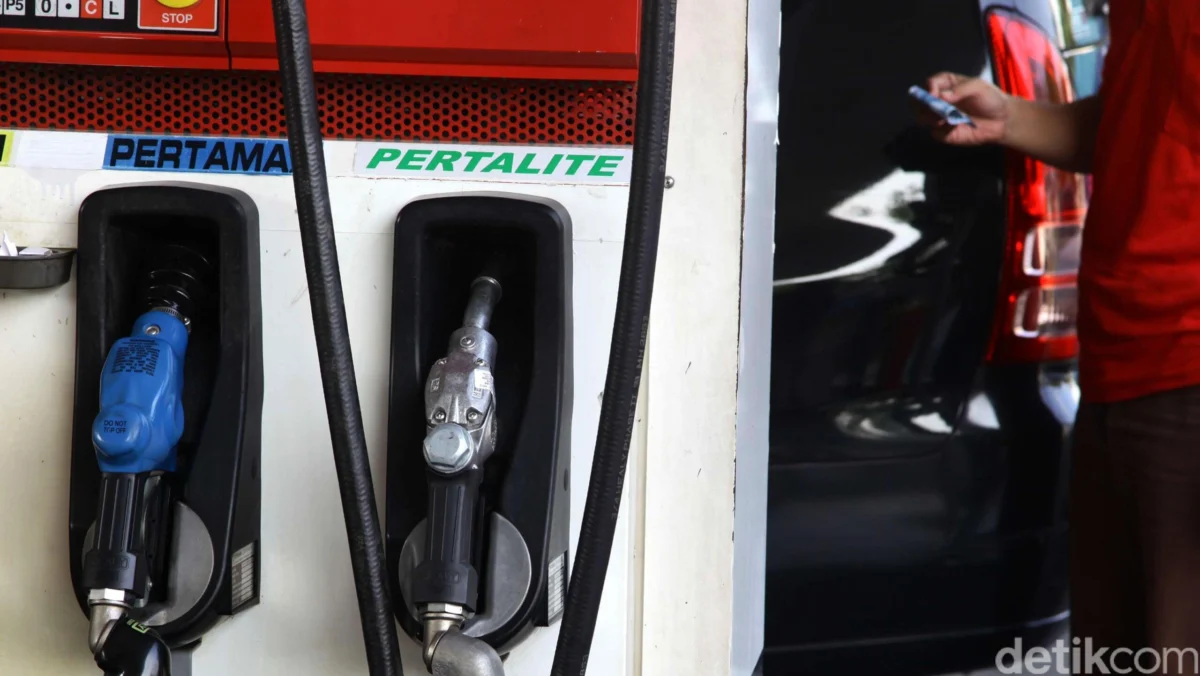
The Indonesian energy landscape is currently witnessing a significant transformation in consumer behavior as a sharp increase in the price of non-subsidized fuels has triggered a massive migration toward subsidized alternatives. Recent data presented by PT Pertamina Patra Niaga, the commercial and trading sub-holding of the state-owned energy giant Pertamina, reveals that the consumption of Pertalite (RON 90) and Biosolar has surged following the price adjustments of premium fuel products such as Pertamax (RON 92), Pertamax Green, and the Dex series. This shift highlights the high price sensitivity of the Indonesian market and raises critical questions regarding the long-term sustainability of the government’s fuel subsidy budget.
According to official reports, the consumption of Pertalite experienced an uptick of approximately 9.4 percent in July alone. This sudden spike is directly correlated with the widening price gap between subsidized fuel and non-subsidized options. As of June 10, 2026, the price of Pertamax, which previously hovered around the Rp 12,000 per liter range, saw a steep climb to Rp 16,250 per liter. In more remote regions across the archipelago, the price has even breached the Rp 17,000 per liter mark. In contrast, Pertalite remains fixed at a significantly lower price point, making it the primary choice for millions of motorists looking to mitigate rising living costs.
Statistical Breakdown of the Consumption Shift
The shift in market composition was detailed by Eko Ricky Susanto, the Director of Regional Marketing at PT Pertamina Patra Niaga, during a recent Hearing (Rapat Dengar Pendapat) with Commission XII of the Indonesian House of Representatives (DPR). The data underscores a clear trend of "downgrading" by consumers who previously utilized higher-octane fuels.
Prior to the price hike, the national fuel consumption composition for gasoline products saw Pertamax holding a 23.2 percent market share, while Pertalite accounted for 75.4 percent. However, following the implementation of the new pricing structure, the landscape changed dramatically. By July, the market share for Pertamax had plummeted to 18.8 percent. Simultaneously, the consumption of Pertalite swelled to 80.3 percent of the total gasoline distribution. Other premium variants, such as Pertamax Green and Pertamax Turbo, remained marginal, accounting for only 0.2 percent and 0.7 percent of the market, respectively.
This transition is not limited to gasoline. The diesel segment has mirrored this trend, with Biosolar—the subsidized diesel variant—seeing its market composition rise to 94.2 percent, up from a previous average of 93 percent. This increase has come at the expense of non-subsidized diesel products like Dexlite and Pertamina Dex. Eko Ricky Susanto noted that the consumption of the Dex series experienced a decline of nearly 6.4 percent compared to normal daily averages. He attributed this change not only to private vehicle owners but also to industrial players who have begun shifting toward subsidized diesel to lower operational overheads, despite regulations intended to limit its use to specific sectors.
The Chronology of Price Adjustments
The catalysts for this consumption shift were the consecutive price adjustments made to non-subsidized fuel products throughout the first half of the year. While Pertalite, classified as a Special Assignment Fuel Type (Jenis Bahan Bakar Minyak Khusus Penugasan or JBKP), and Biosolar, classified as a Specific Fuel Type (Jenis Bahan Bakar Minyak Tertentu or JBT), are price-controlled by the government, non-subsidized fuels fluctuate according to global oil prices and the exchange rate of the Indonesian Rupiah against the US Dollar.
The significant jump on June 10, 2026, served as the tipping point. The decision to raise Pertamax prices to above Rp 16,000 was driven by the rising cost of the Mean of Platts Singapore (MOPS), which serves as the regional benchmark for petroleum products. As the price gap between Pertalite (fixed at Rp 10,000 per liter) and Pertamax widened to more than Rp 6,000, the economic incentive for consumers to remain with higher-octane fuel vanished for a large portion of the middle class.
Historically, Pertamax was positioned as the fuel for the "environmentally conscious" and "engine-conscious" middle-to-upper-class demographic. However, the current economic climate has forced a prioritization of immediate household budgeting over long-term vehicle maintenance and emissions reduction.
Official Responses and Supply Chain Management
Despite the surge in demand, Pertamina Patra Niaga has assured the public and the legislature that the national stock of Pertalite remains under control. Eko Ricky Susanto emphasized that the company has anticipated the shift and is working to ensure that the distribution network remains robust. "Currently, the composition of Pertalite has shifted from around 75 percent to 80 percent. We are monitoring the situation closely to ensure that the increased demand does not lead to localized shortages at public refueling stations (SPBU)," Susanto stated.
Commission XII of the DPR has expressed concerns regarding the potential for subsidy leakage. Legislators have urged Pertamina and the Downstream Oil and Gas Regulatory Agency (BPH Migas) to tighten supervision at the pump level. The fear is that the increased demand is not just coming from eligible low-income citizens, but also from commercial vehicles and industrial entities that are legally prohibited from using subsidized fuel.
The government is currently reviewing the implementation of more stringent digital monitoring systems, such as the "Subsidi Tepat" program via the MyPertamina application, to ensure that subsidized fuel reaches the intended recipients. By requiring consumers to register their vehicles and use QR codes for transactions, the authorities hope to curb the over-consumption that often follows price hikes in the non-subsidized sector.
Macroeconomic and Fiscal Implications
The migration of consumers to subsidized fuel carries heavy implications for Indonesia’s state budget (APBN). The fuel subsidy and compensation fund is one of the largest expenditure items for the government. When the volume of Pertalite and Biosolar consumption exceeds the annual quota set by the government, the fiscal burden increases exponentially.
Economic analysts suggest that if the current 9.4 percent growth in Pertalite consumption continues through the end of the year, the government may be forced to either increase the subsidy allocation in the revised state budget or implement stricter rationing. The challenge is compounded by the volatility of the global energy market. If the Indonesian Crude Price (ICP) remains high, the cost of importing the refined products necessary to meet this increased demand will put further pressure on the country’s trade balance.
Furthermore, there is the issue of inflation. While keeping Pertalite prices low helps maintain the purchasing power of the lower class, the overall increase in energy demand and the logistical costs of moving higher volumes of fuel can have indirect inflationary effects. If industrial players continue to migrate toward Biosolar illegally, it creates an unfair competitive landscape and drains resources intended for small-scale farmers, fishermen, and public transport operators.
Environmental and Technical Concerns
Beyond the economic data, the shift from RON 92 (Pertamax) to RON 90 (Pertalite) has technical and environmental consequences. Most modern vehicles sold in Indonesia over the last decade are designed to run on fuel with a minimum octane rating of 92. Using lower-octane fuel in these engines can lead to "knocking," reduced fuel efficiency, and increased long-term wear and tear on engine components.
From an environmental standpoint, the move is a step backward for Indonesia’s commitment to reducing carbon emissions. Higher-octane fuels burn cleaner and produce fewer pollutants. The mass migration back to Pertalite threatens to undo progress made in urban air quality initiatives. Environmental advocacy groups have noted that while the economic necessity for consumers is understandable, the government must find a way to make cleaner fuels more accessible or accelerate the transition to electric vehicles (EVs) to break the cycle of fuel subsidy dependency.
Looking Ahead: Regulatory Outlook
The current situation has accelerated the debate over the revision of Presidential Regulation (Perpres) Number 191 of 2014, which governs the distribution and pricing of fuel. The proposed revisions aim to provide a clearer legal framework for who is eligible to purchase subsidized fuel. It is widely expected that the government will eventually ban luxury vehicles and cars with high engine displacements (e.g., above 1,400cc) from purchasing Pertalite.
As Pertamina Patra Niaga manages the current 80.3 percent market share of Pertalite, the focus remains on logistical efficiency. The company is reportedly increasing its floating storage and optimizing its tanker routes to ensure that the "shifting" consumer base does not face long queues or "out of stock" signs at the stations.
In conclusion, the 9.4 percent spike in Pertalite consumption in July serves as a stark reminder of the delicate balance the Indonesian government must strike between fiscal responsibility and social stability. As non-subsidized prices remain high, the pressure on the subsidy system will only intensify, necessitating a combination of technological oversight, regulatory reform, and a potential rethink of the national energy mix. The coming months will be a critical testing period for Pertamina’s distribution capabilities and the government’s ability to manage the fiscal fallout of a nation returning to subsidized fuel in droves.