Bambang Pamungkas
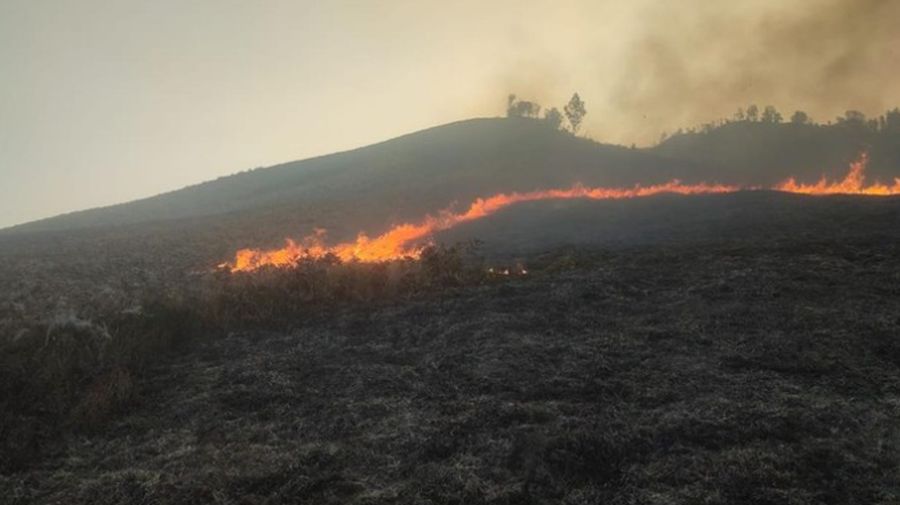
A devastating wildfire broke out once again within the famed landscapes of the Bromo Tengger Semeru National Park (TNBTS), specifically ravaging the lush savanna expanse located in the Blok Pengol region of Probolinggo Regency. The incident, which unfolded on Thursday, September 10, 2026, has cast a grim shadow over one of Indonesia’s premier tourism crown jewels. Visual documentation captured from the scene presented a harrowing spectacle, with winding lines of intense flames cutting through the darkened landscape, starkly resembling a glowing river of fire snaking across the iconic valley.
The recurrence of forest and land fires—locally known as karhutla—in this ecologically sensitive zone has once again triggered emergency protocols, forcing authorities to implement immediate closures and mobilize joint firefighting task forces to contain the blaze before it could inflict catastrophic damage on the broader ecosystem.
Chronology of the Incident: How the Fire Unfolded
The disaster began late in the afternoon on Thursday, September 10, 2026. According to field reports and official monitoring systems, the first signs of smoke and flames were detected at approximately 16:10 Western Indonesia Time (WIB). The fire originated in Blok Pengol, a picturesque valley characterized by undulating hills and expansive savanna fields situated on the southern slopes of Mount Bromo. This specific terrain lies in close proximity to the world-renowned Bukit Teletubbies (Teletubbies Hill), a primary tourist magnet known for its rolling green mounds.
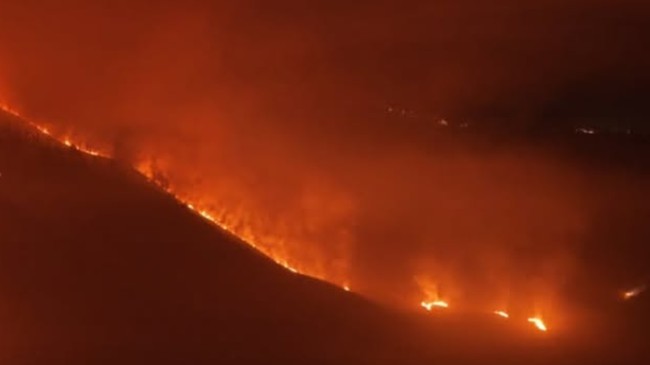
As daylight faded, the scale of the fire became terrifyingly clear. Strong winds sweeping across the caldera fueled the flames, allowing them to race rapidly through the dry savanna grass. Aerial imagery and ground-level photographs shared widely by local authorities, including the Bromo Tengger Semeru National Park Büyük (BBTNBTS) and the Indonesian National Armed Forces (TNI) from Kodam V/Brawijaya, depicted a sweeping wall of fire. The visual resemblance to a "river of fire" quickly went viral, alarming conservationists, local tourism operators, and travelers alike.
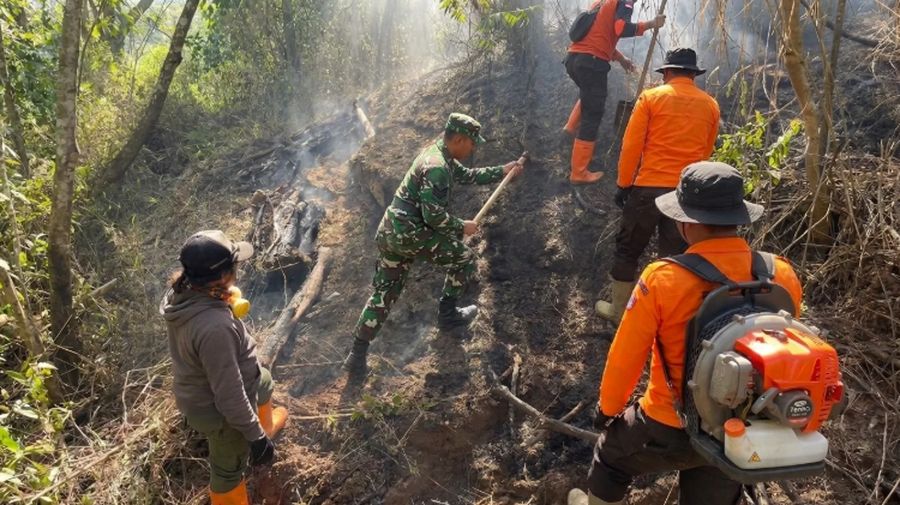
Recognizing the imminent danger posed by the shifting winds and the rugged topography of the southern slopes, park authorities and emergency response teams immediately swung into action. A joint task force comprising forestry rangers, military personnel, police, and local volunteers was deployed to the heart of the disaster zone to establish firebreaks and execute manual suppression efforts.
Immediate Emergency Response and Visitor Access Restrictions
In the wake of the disaster, the Balai Besar Taman Nasional Bromo Tengger Semeru (BBTNBTS) acted swiftly to prioritize human safety and facilitate unhindered access for firefighting units. Through an official statement released via their verified social media channels, including Instagram, the management announced a strict partial closure of the national park.
"In connection with the occurrence of a fire in the Savana Pengol region of the Bromo Tengger Semeru National Park, tourist visits to Mount Bromo via the Jemplang entrance are closed starting September 10, 2026, until further notice," the BBTNBTS administration stated in their official broadcast.
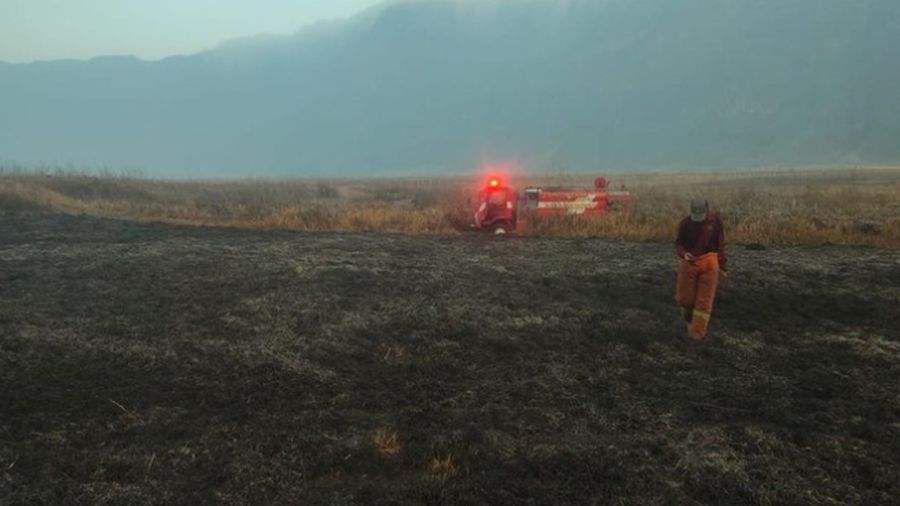
The closure of the Jemplang entrance—a vital arterial route for travelers entering the sea of sand and savanna from the southern and eastern approaches—effectively halted tourist traffic in the affected sectors. Authorities emphasized that these restrictive measures were necessary not only to protect visitors from the unpredictable hazards of shifting wildfire fronts but also to ensure that emergency vehicles, water trucks, and firefighting personnel could navigate the narrow park roads without congestion.
Background Context: The Vulnerability of Bromo’s Ecosystems
Wildfires in the Bromo Tengger Semeru National Park are unfortunately not isolated incidents. The region’s unique geography and climate make it exceptionally vulnerable to seasonal blazes, particularly during the dry periods of the year. The savanna zones, dominated by dry grasses, shrubs, and occasional mountain flora, act as a tinderbox when prolonged dry spells reduce moisture levels to a minimum.
Historically, the national park has faced numerous high-profile fires over the years. Incidents in previous dry seasons have frequently been attributed to a combination of natural factors—such as friction from dry vegetation under intense solar heat—and human activities, including negligence by tourists or local agricultural practices outside strict containment zones. The recurrence of fires in Blok Pengol highlights a persistent vulnerability in the park’s management of its extensive grasslands, which require constant vigilance and rapid-response infrastructure.
The ecological stakes are exceptionally high. TNBTS is designated not only as a national tourism priority but also as a critical conservation area harboring diverse endemic flora and fauna. While savanna ecosystems are naturally adapted to periodic fires—often regenerating rapidly once the rainy season returns—severe and uncontrolled blazes can permanently degrade the soil structure, accelerate erosion during subsequent monsoons, and threaten vulnerable wildlife species that call the caldera and its surrounding forests home.
Socio-Economic and Tourism Implications
The timing of the September 2026 fire deals a severe blow to the local economy, which is heavily dependent on sustainable ecotourism. Mount Bromo consistently ranks among the top foreign and domestic tourist destinations in Indonesia, welcoming hundreds of thousands of visitors annually. The closure of the Jemplang entrance and the disruption of tours to the southern savanna and Bukit Teletubbies translate into immediate financial losses for jeep drivers, horse rental operators, homestay owners, culinary vendors, and tour agencies operating around Probolinggo, Malang, and Pasuruan.
Local tourism associations have expressed deep concern over the recurring nature of these environmental disasters, noting that each closure tarnishes the destination’s reputation and disrupts travel itineraries booked months in advance. While safety remains the paramount concern, stakeholders are increasingly urging federal and regional governments to invest in more advanced early-warning systems, permanent water reservoirs stationed within the caldera, and aerial firefighting capabilities to swiftly suppress incipient fires before they escalate into major crises.
Fact-Based Analysis and Future Prevention Strategies
Analyzing the broader implications of the September 2026 Bromo wildfire reveals systemic challenges in managing high-altitude conservation areas in Southeast Asia amid changing climatic patterns. Extended dry seasons driven by global climate anomalies have exacerbated the frequency and intensity of forest and land fires across the Indonesian archipelago.
To mitigate these recurring threats, environmental experts and park management agencies are advocating for a multi-layered prevention framework:
- Enhanced Community and Visitor Education: Strengthening strict regulations regarding the prohibition of open flames, campfires, and careless smoking within the national park boundaries, backed by heavy penalties for violators.
- Community-Based Fire Watch Networks: Empowering local Jeep driver associations, villagers, and tour guides who know the terrain intimately to act as first responders equipped with basic portable suppression tools.
- Infrastructure Upgrades: Installing strategic water hydrants and storage tanks at key locations across the vast caldera and savanna to reduce the response time required to pump water to elevated fire zones.
- Advanced Monitoring Technology: Utilizing thermal imaging cameras and drone surveillance to detect heat anomalies and smoke plumes in remote sectors like Blok Pengol before the flames expand uncontrollably.
As joint security and conservation forces continue their grueling mop-up operations on the ground in Probolinggo, the collective hope remains focused on a swift and complete containment of the blaze. The fiery spectacle of the Blok Pengol savanna serves as a sobering reminder of the fragile balance between human enjoyment of nature’s wonders and the profound responsibility required to safeguard them for future generations.