Lusiana Hamidun
In the annals of fashion history, the practice of matching a handbag to one’s shoes was once dismissed as a relic of mid-century etiquette—a rigid, overly conservative aesthetic that prioritized uniformity over individual expression. For decades, the "matchy-matchy" look was relegated to the category of "naff" or outdated, synonymous with stiff twinsets and pearl necklaces. However, the current fashion cycle has seen a dramatic recalibration. The polished, feminine look is undergoing a renaissance, shedding its restrictive reputation to emerge as a bold, modern, and occasionally subversive interpretation of "ladylike" style. This shift is not merely a nostalgia trip; it is a sophisticated evolution that marries traditional elegance with contemporary edge.

The Evolution of the Matching Aesthetic
The history of the matching handbag and shoe set is deeply rooted in the post-war era, where social decorum dictated that a woman’s accessories should create a cohesive, deliberate ensemble. During the 1950s and early 1960s, designers like Christian Dior and Chanel championed this synchronicity. Yet, as the youth-led fashion revolutions of the late 1960s and 1970s prioritized bohemian flair and non-conformity, the coordinated accessory set fell out of favor.
The resurgence we see today, often dubbed "The Lady 2.0," signifies a shift in consumer behavior and styling philosophy. Rather than mimicking the rigid formality of the past, contemporary designers are leveraging the "matching" concept as a canvas for contrast. By pairing highly structured, polished accessories with relaxed, unexpected silhouettes, the modern fashion landscape challenges the traditional definition of conservative dressing.

Chanel and the Modernization of Classicism
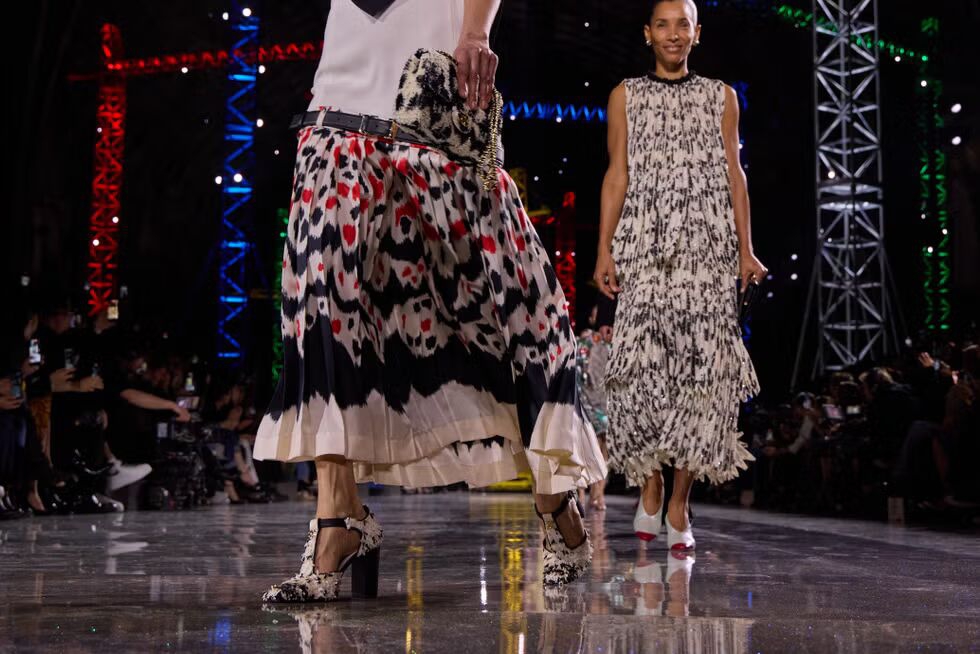
At the vanguard of this movement is Chanel, a house whose very identity is built upon the pillars of timeless, feminine design. In recent collections, the brand has masterfully recontextualized its iconic accessories. On the fall/winter runways, the presence of coordinated sets—ranging from shimmering gold pumps paired with matching clutches to classic black-and-white textured footwear paired with synchronized handbags—served as a masterclass in modern styling.
The brilliance of this approach lies in the subversion of context. When a luxury house pairs a highly formal bag with a casual garment, such as a pair of loose-cut jeans or a quarter-zip sweater, the result is a disruption of the "proper" image. This technique, heavily influenced by the creative direction seen across major luxury houses, aims to make classic items feel accessible rather than archival.
The "Lady 2.0" Phenomenon: Case Studies in Styling
The efficacy of this trend is perhaps best illustrated by its adoption in real-world environments. One notable example from the recent pre-fall campaign saw style icon Bhavita Mandava traversing the New York City subway system. Her ensemble—a taupe quarter-zip top and oversized denim jeans paired with classic Chanel two-tone footwear and a signature flap bag—became a viral touchstone for the "Lady 2.0" movement.
This specific look highlights a critical stylistic lesson: the contrast between the high-end, polished accessory and the "low-end," utilitarian clothing item. By stripping away the formal skirt suit or the evening gown, the accessory is allowed to shine as a deliberate choice rather than a mandatory component of a uniform.

Celebrity influence has further accelerated this trend. Kendall Jenner has been documented incorporating burgundy Chanel accessories into minimalist outfits, such as white denim and black t-shirts. Her approach demonstrates that an accessory set can function as a "pop" of color and structure in an otherwise understated outfit, successfully stripping away any lingering connotations of stuffiness. Similarly, Teyana Taylor’s appearance at the Paris haute couture shows showcased the potential for edge. By pairing matching accessories with a "Canadian Tuxedo" (denim-on-denim), Taylor signaled that the matching trend could be both playful and inherently punk, breaking the traditional boundaries of what "feminine" elegance entails.
Data and Market Implications: Why Trends Rebound
The return of the matching set can also be attributed to a broader market trend favoring "Quiet Luxury" and investment pieces. According to retail data analytics, consumers are increasingly seeking longevity in their purchases. Matching sets provide a sense of completeness and intentionality, which aligns with the current move toward building a capsule wardrobe.

Furthermore, the secondary luxury market has seen an uptick in the demand for vintage-inspired, matching sets. Collectors are looking for specific seasonal pairings from the 1990s and early 2000s, suggesting that the "matching" trend is not just a passing runway whim but a sustained interest in structured, high-quality craftsmanship. The financial implication for luxury brands is significant; by marketing accessories as "sets," houses can encourage multi-item purchases, effectively increasing the average transaction value.
Styling Strategies for the Contemporary Wardrobe
For the modern consumer looking to adopt this aesthetic, the key lies in the balance of elements. Experts suggest the following guidelines:

- The High-Low Mix: Never pair a formal set with an equally formal outfit unless the intention is theatrical. Instead, pair a patent leather bag and shoe set with casual staples like high-quality cotton t-shirts, oversized knitwear, or structured denim.
- Texture Play: If the accessories are uniform in color, use the clothing to provide texture. A suede matching set looks remarkably different when paired with heavy denim compared to light silk.
- Proportional Contrast: If wearing a highly structured shoe and bag, ensure the garment has a relaxed silhouette. Oversized blazers, wide-leg trousers, or baggy sweaters help ground the look and prevent it from appearing "costumey."
- Confidence in Color: If a neutral match feels too safe, experiment with bold, saturated colors like burgundy, emerald, or cobalt. The coherence of the set allows the wearer to take more risks with the shade without the outfit appearing chaotic.
The Future of Coordinated Dressing
As the industry looks toward the next fiscal year, the "matching accessory" trend is expected to evolve further. We are seeing a move toward more unconventional materials—neoprene, technical meshes, and recycled synthetics—being integrated into these sets. This suggests that the trend will continue to drift away from the "ladylike" roots of the 1950s toward a more futuristic, utilitarian identity.
Moreover, the sustainability conversation remains central. By encouraging consumers to view their shoes and bags as permanent fixtures of their wardrobe, brands are inadvertently promoting a "buy less, choose well" philosophy. The longevity of a well-crafted matching set is significantly higher than that of fast-fashion accessories, which often lack the material integrity to be worn for multiple seasons.

Conclusion
The revival of the matching handbag and shoe set is a testament to fashion’s cyclical nature and its capacity for reinvention. By stripping away the dated expectations of the past and embracing a philosophy of high-low contrast, modern fashion has successfully reclaimed the matching set as a tool for personal expression. Whether worn with vintage denim on a subway commute or styled for a couture event, the coordinated accessory has proven that it is no longer a signifier of conformity, but a hallmark of a thoughtful, modern wardrobe. As the industry continues to balance heritage with innovation, the "Lady 2.0" trend stands as a compelling reminder that the most "dated" ideas often hold the greatest potential for contemporary relevance.