Lusiana Hamidun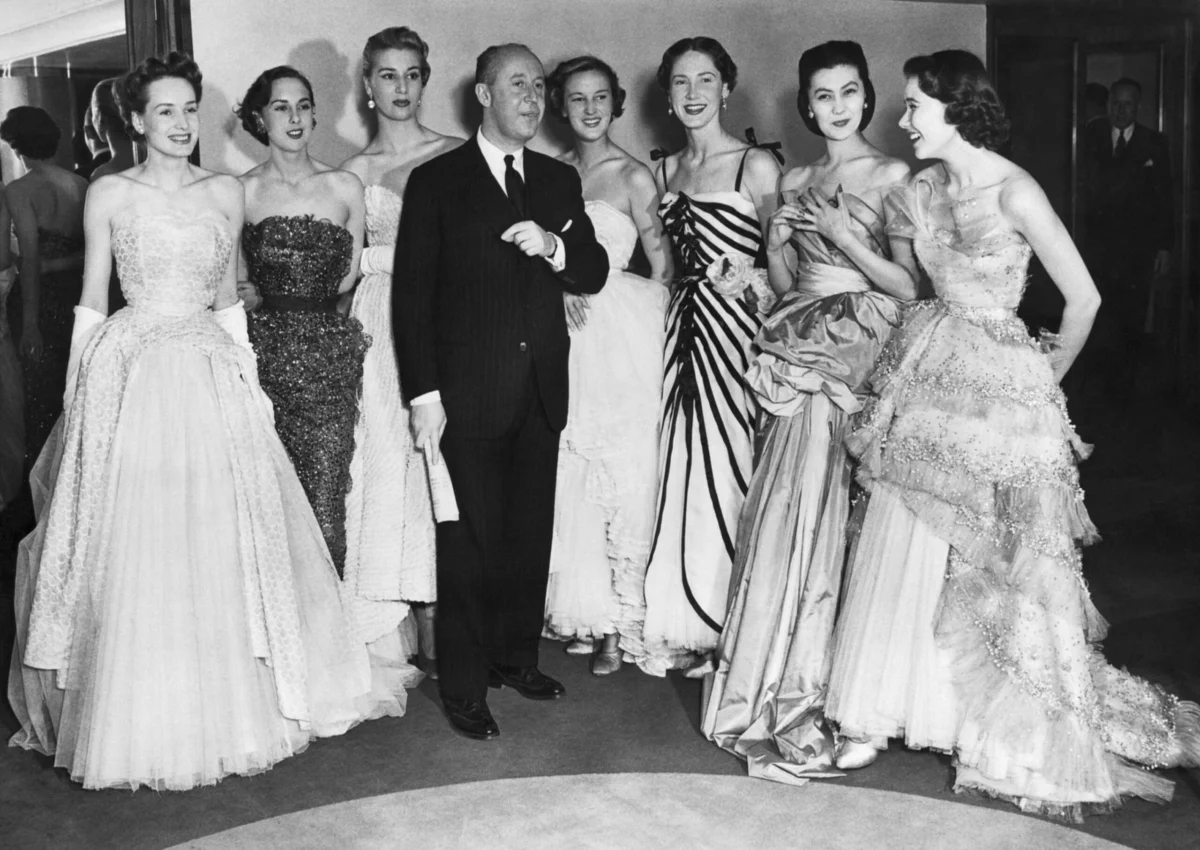
In the contemporary era of hyper-connected social media, Fashion Week has transcended its original, exclusive roots to evolve into a global cultural phenomenon of unprecedented scale. What was once a discreet, invitation-only affair reserved for a select coterie of department store buyers and industry editors has transformed into a high-octane, digital-first spectacle accessible to millions. Today’s runways serve as the nexus where high-concept theatrical production, celebrity influence, and real-time street style converge. However, the trajectory of this industry pillar from its humble, intimate origins to the current age of digital dominance reveals a profound shift in both the business of fashion and the broader societal values it reflects.
The Genesis: 1943 and the Birth of a New York Institution
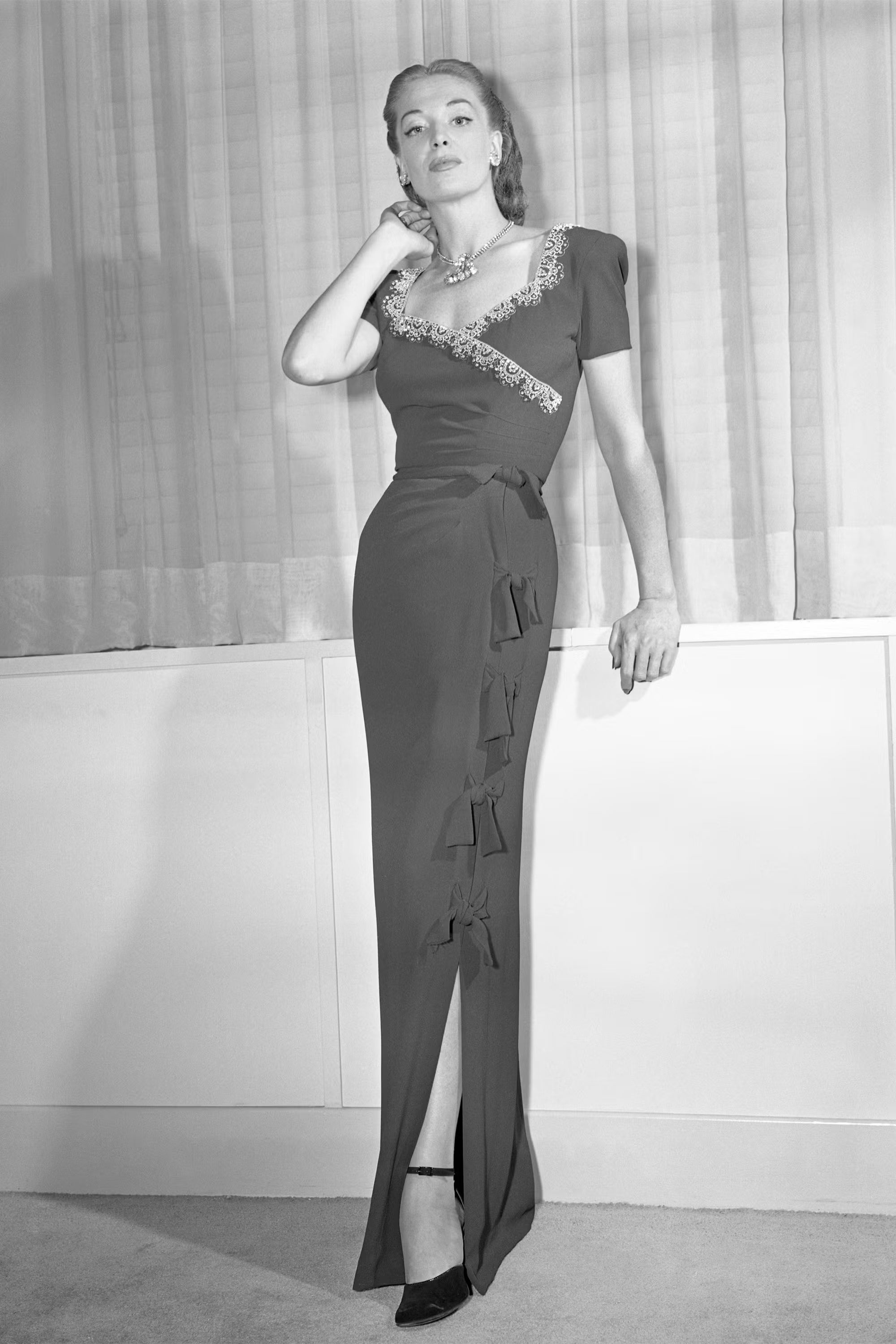
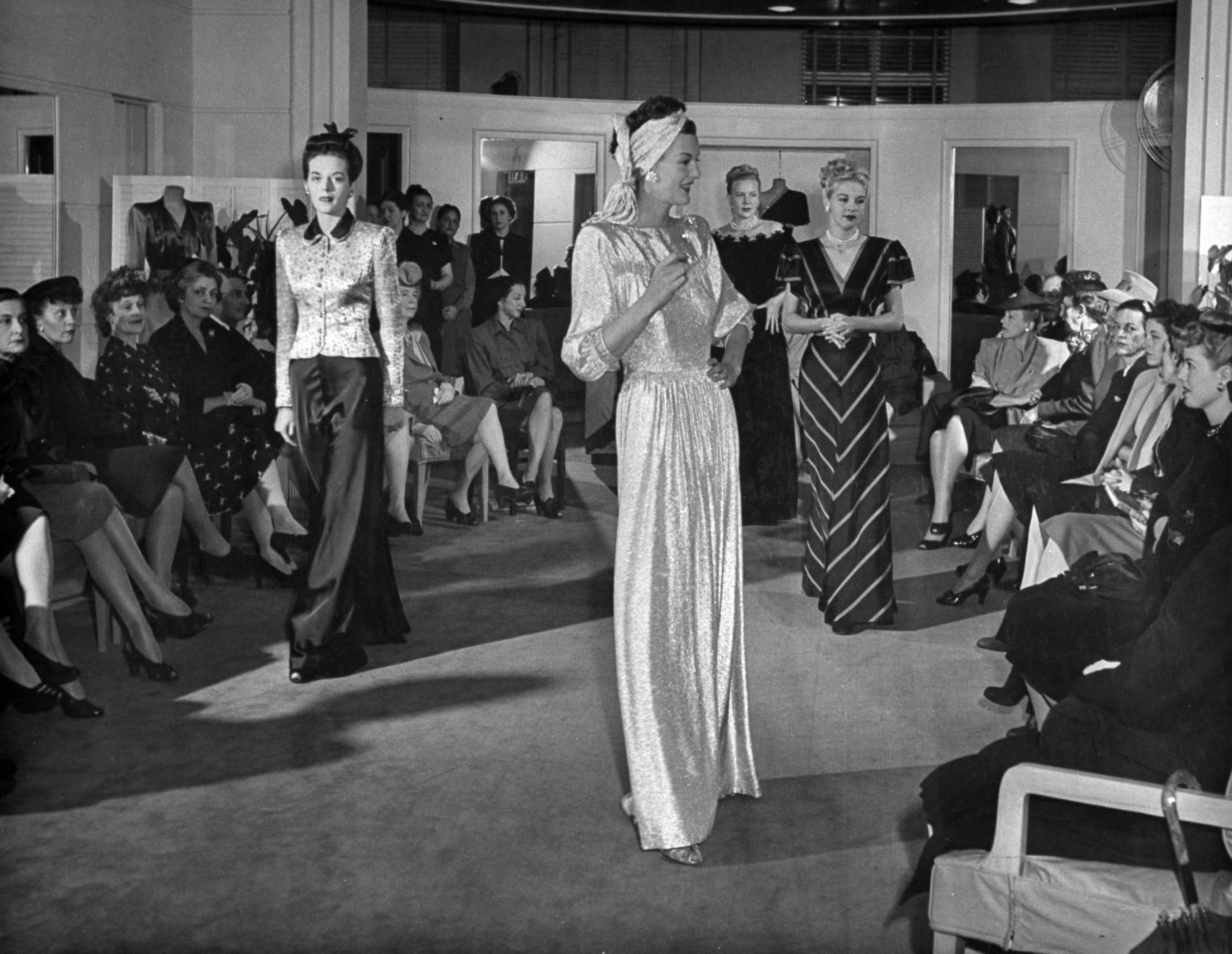
The modern concept of Fashion Week traces its formal origins to 1943. Amidst the constraints of World War II, when Paris was under German occupation and the industry was effectively severed from its traditional epicenter, Eleanor Lambert, a pioneering publicist, organized "Press Week" in New York. The objective was clear: to redirect the attention of the American fashion press toward domestic designers.
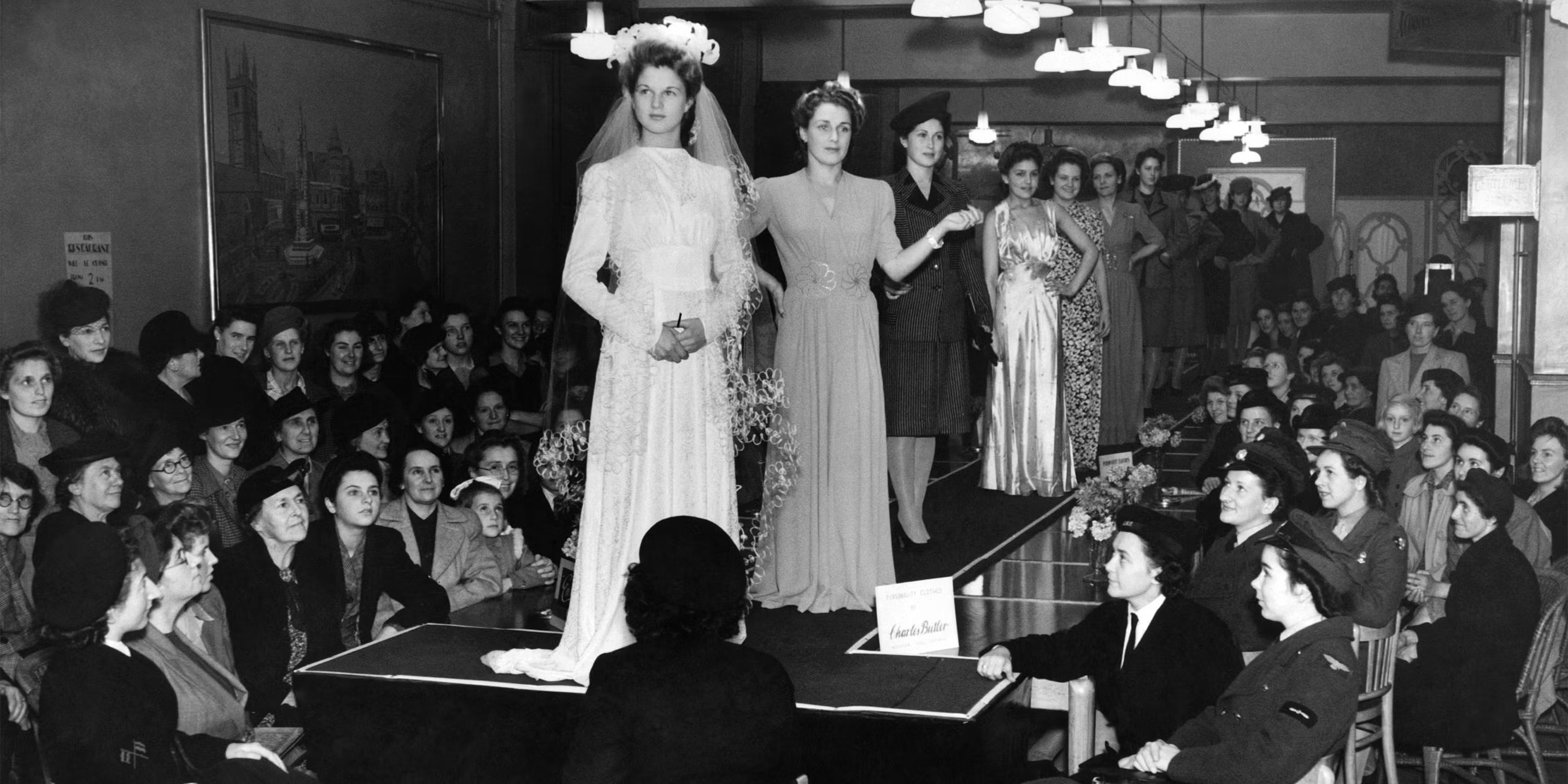
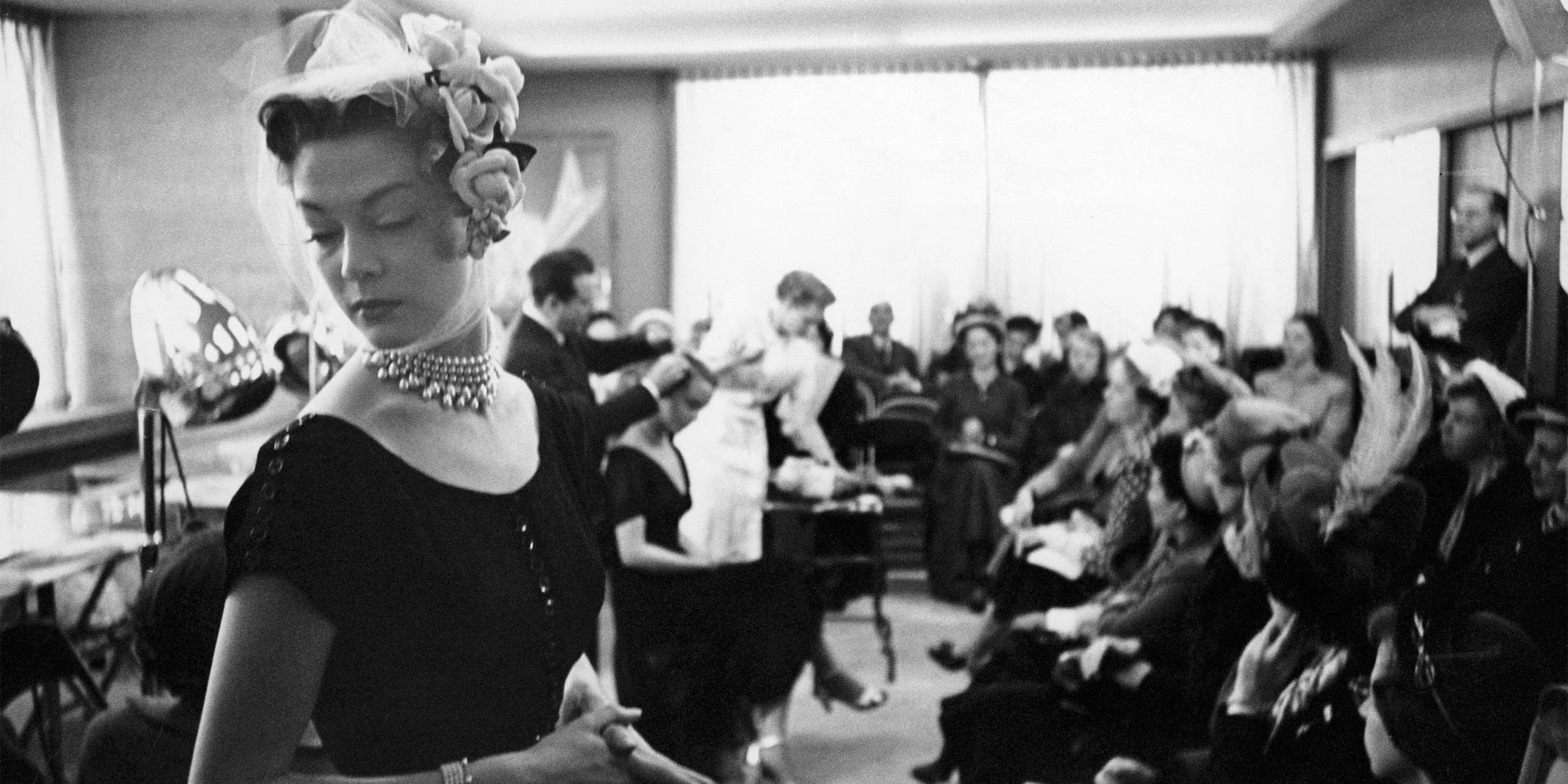
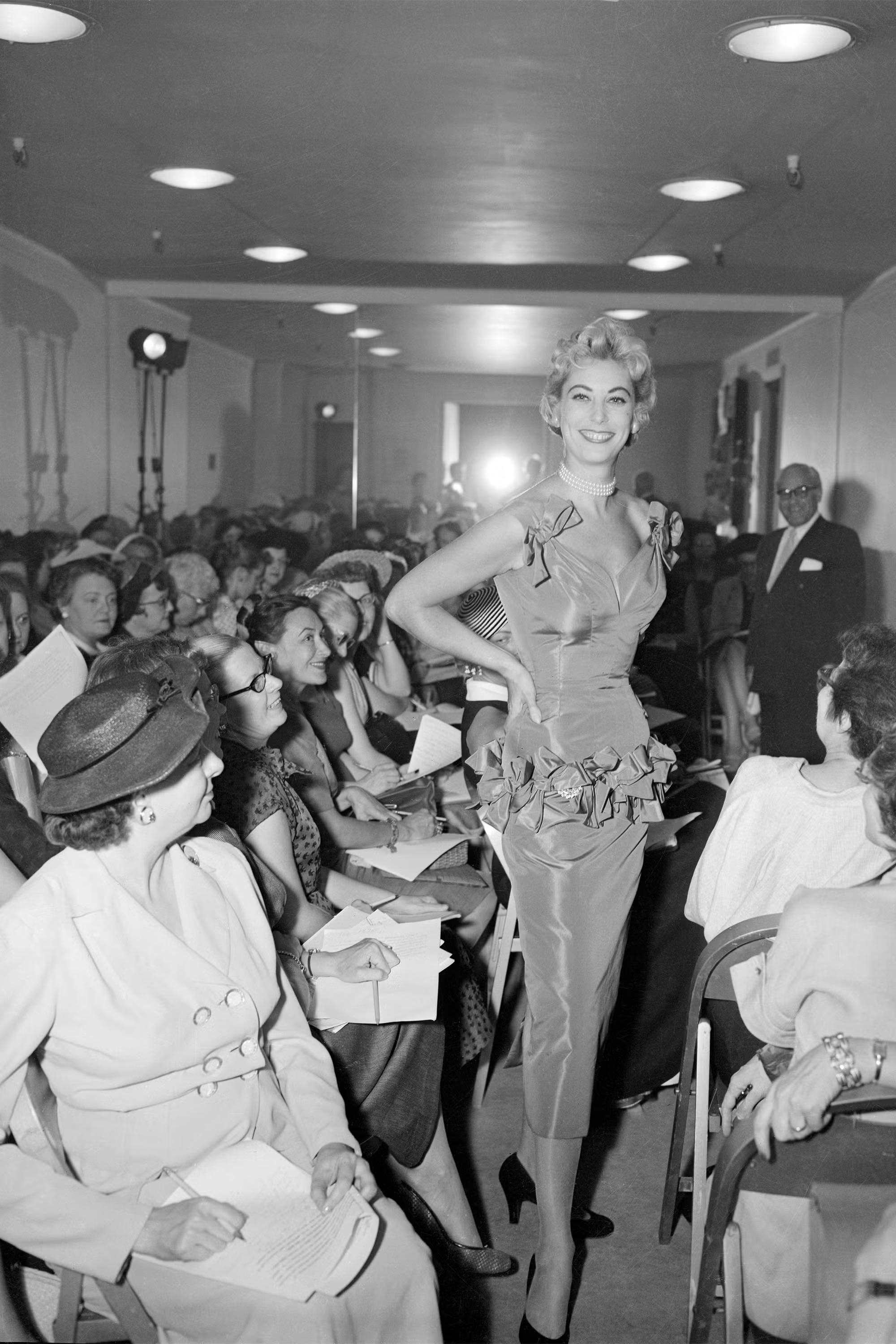
By the mid-1940s, the structure of these presentations was remarkably intimate. Early records show shows hosted within private ateliers, where designers like Jo Copeland and later, Pierre Balmain, displayed collections through direct, face-to-face interactions. These presentations served a purely utilitarian purpose: the wholesale acquisition of garments. By 1945, the industry had begun to formalize, emphasizing tailored daywear that mirrored the changing roles of women entering the workforce, a demographic shift that permanently altered the trajectory of ready-to-wear clothing.
The Mid-Century Transition: Elegance and Expansion
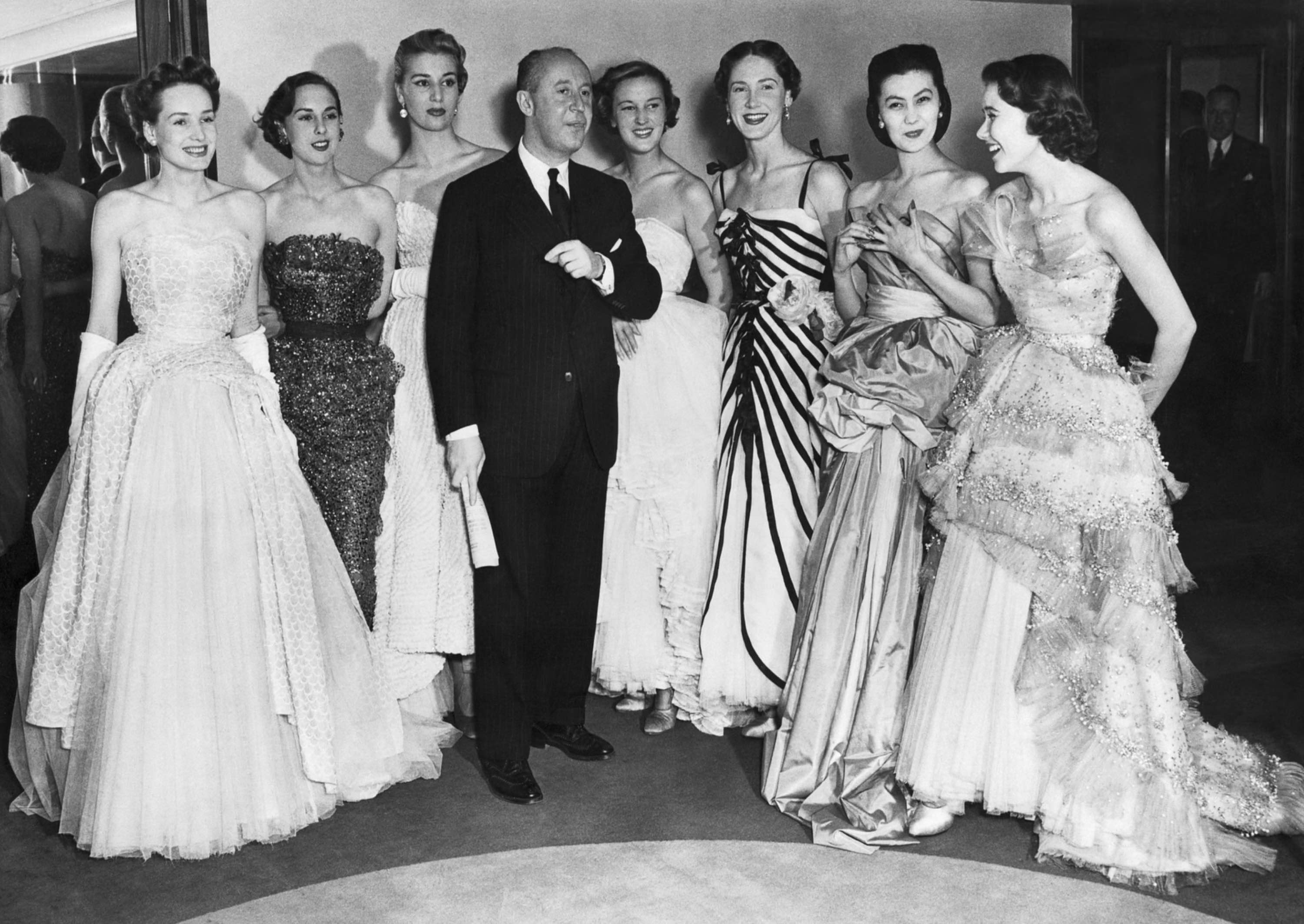
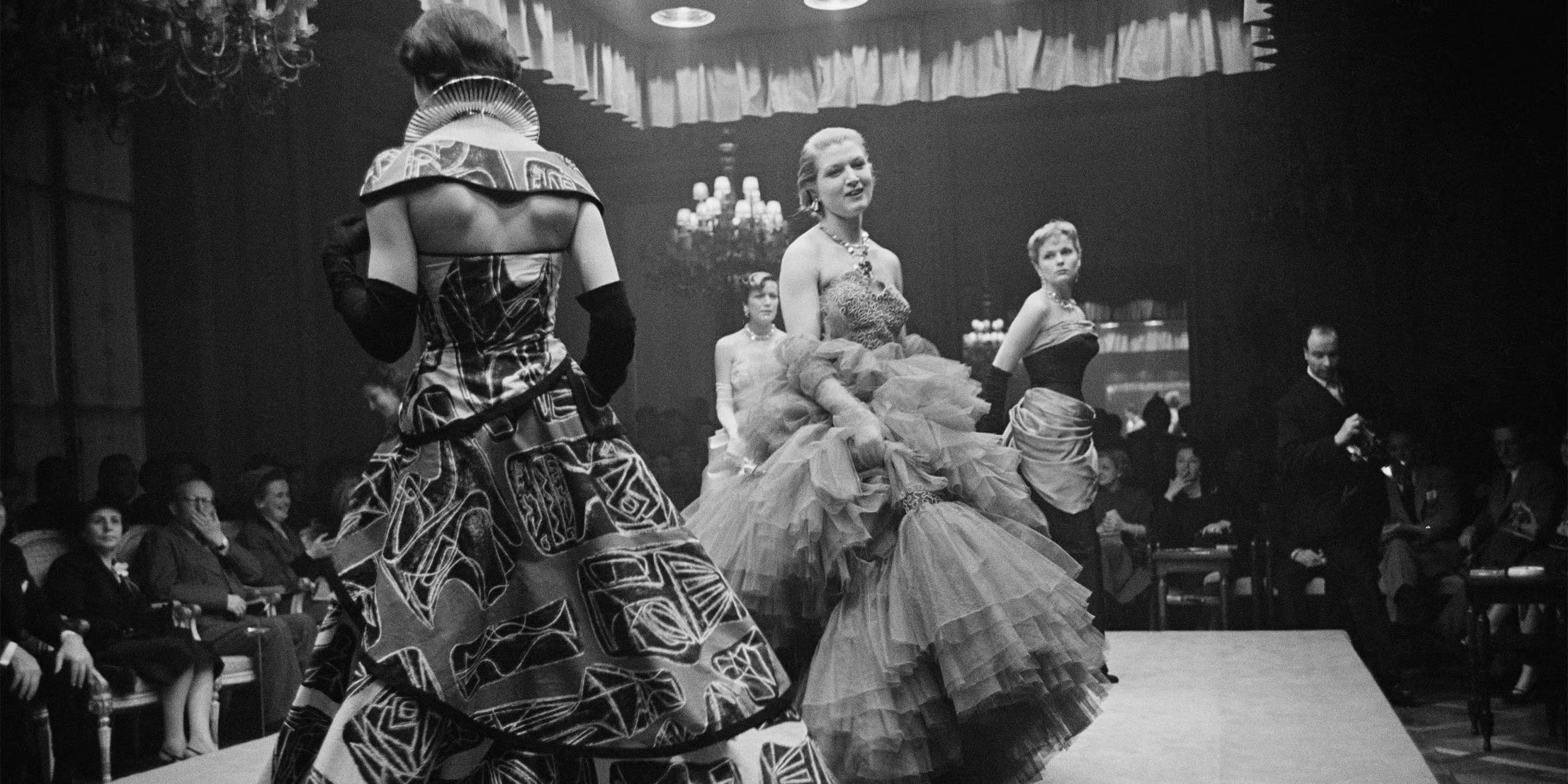
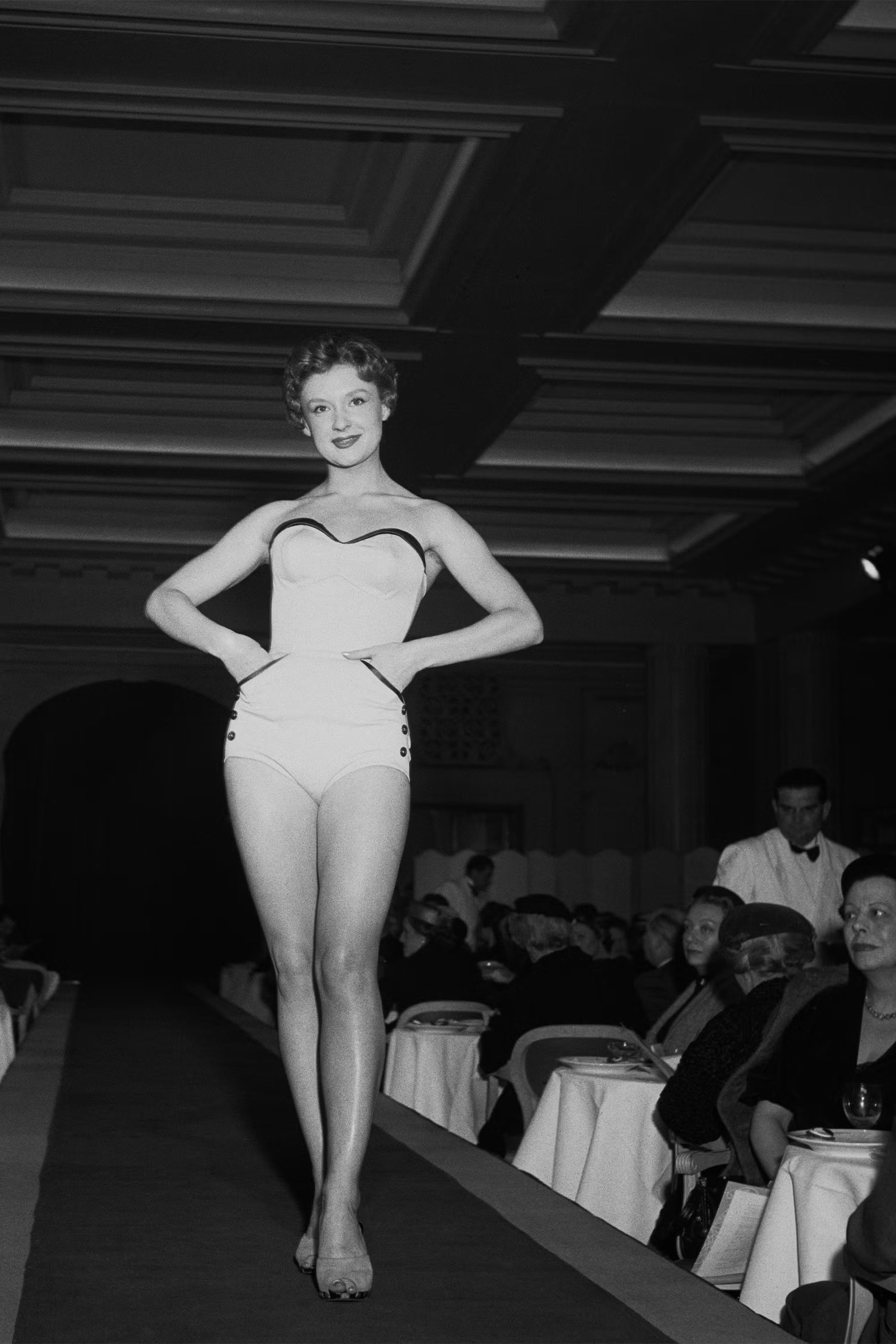
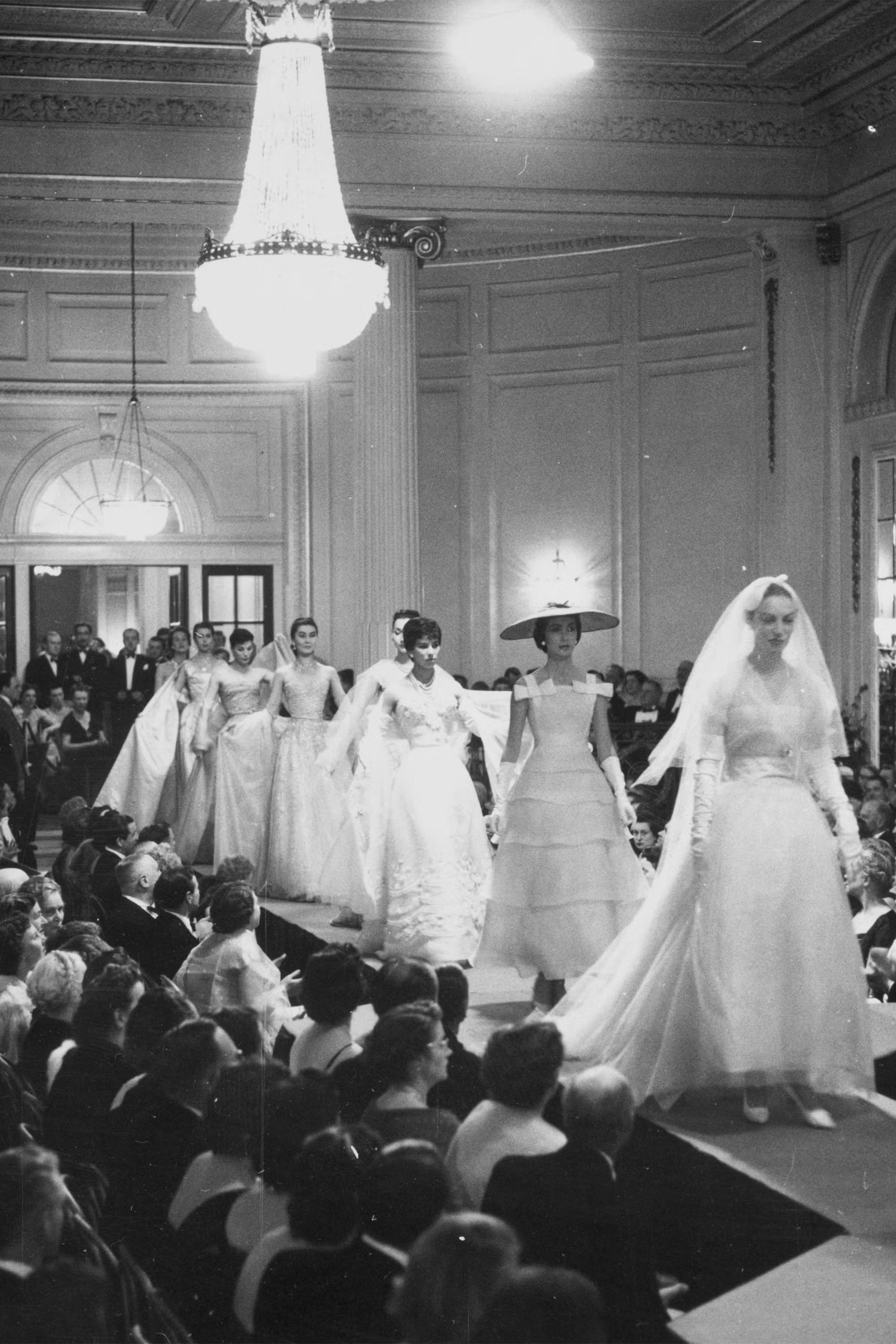
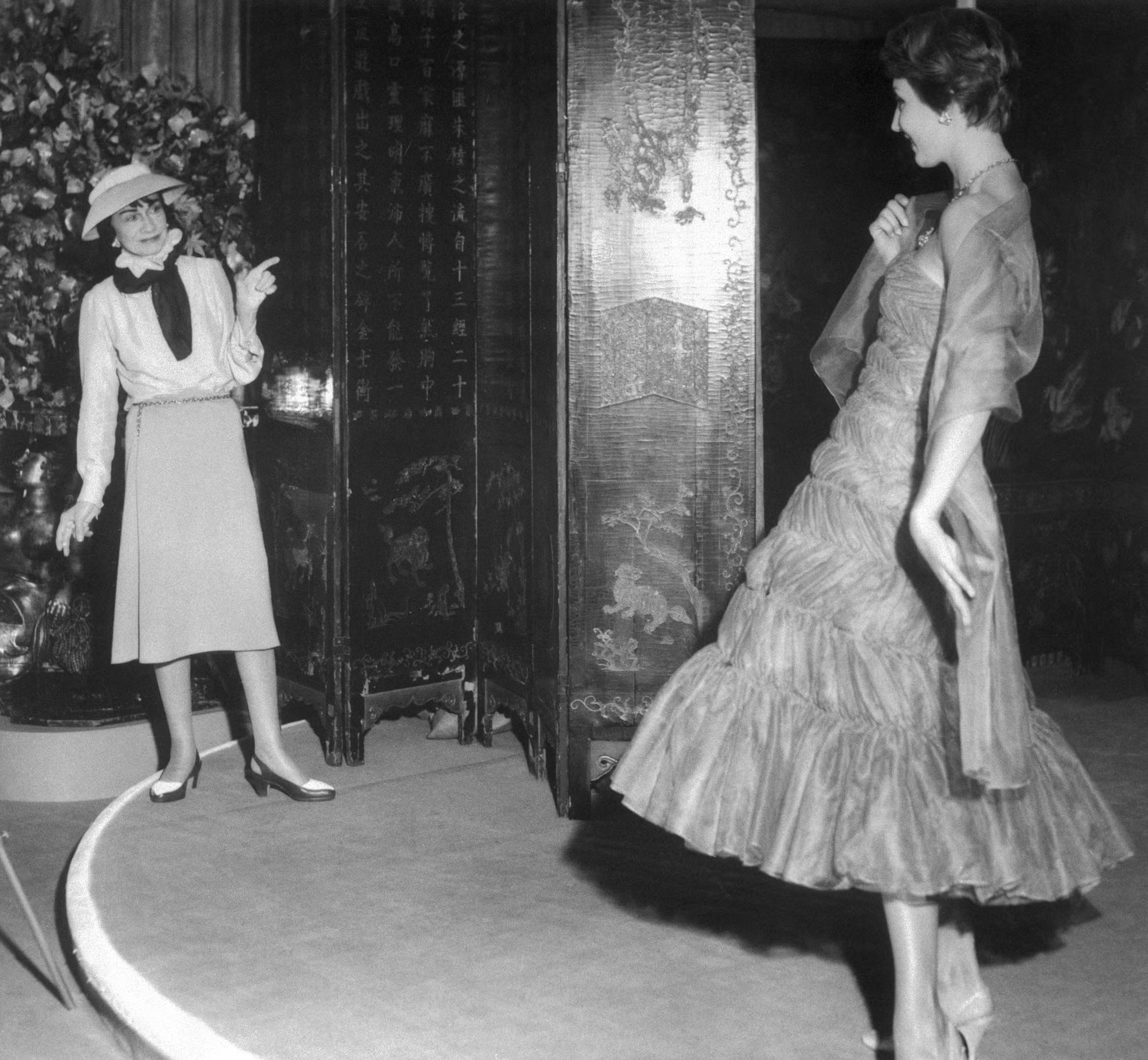
Between 1946 and 1960, the industry began to embrace the spectacle of the runway. Iconic fashion houses such as Christian Dior and Chanel refined the presentation model, moving from small, quiet viewings to larger, more performative events. The 1955 Dior show in Scotland, which involved the transport of 172 garments and a full creative team to the Gleneagles ballroom, signaled a pivotal moment where fashion became a traveling exhibition of culture rather than just a trade requirement.
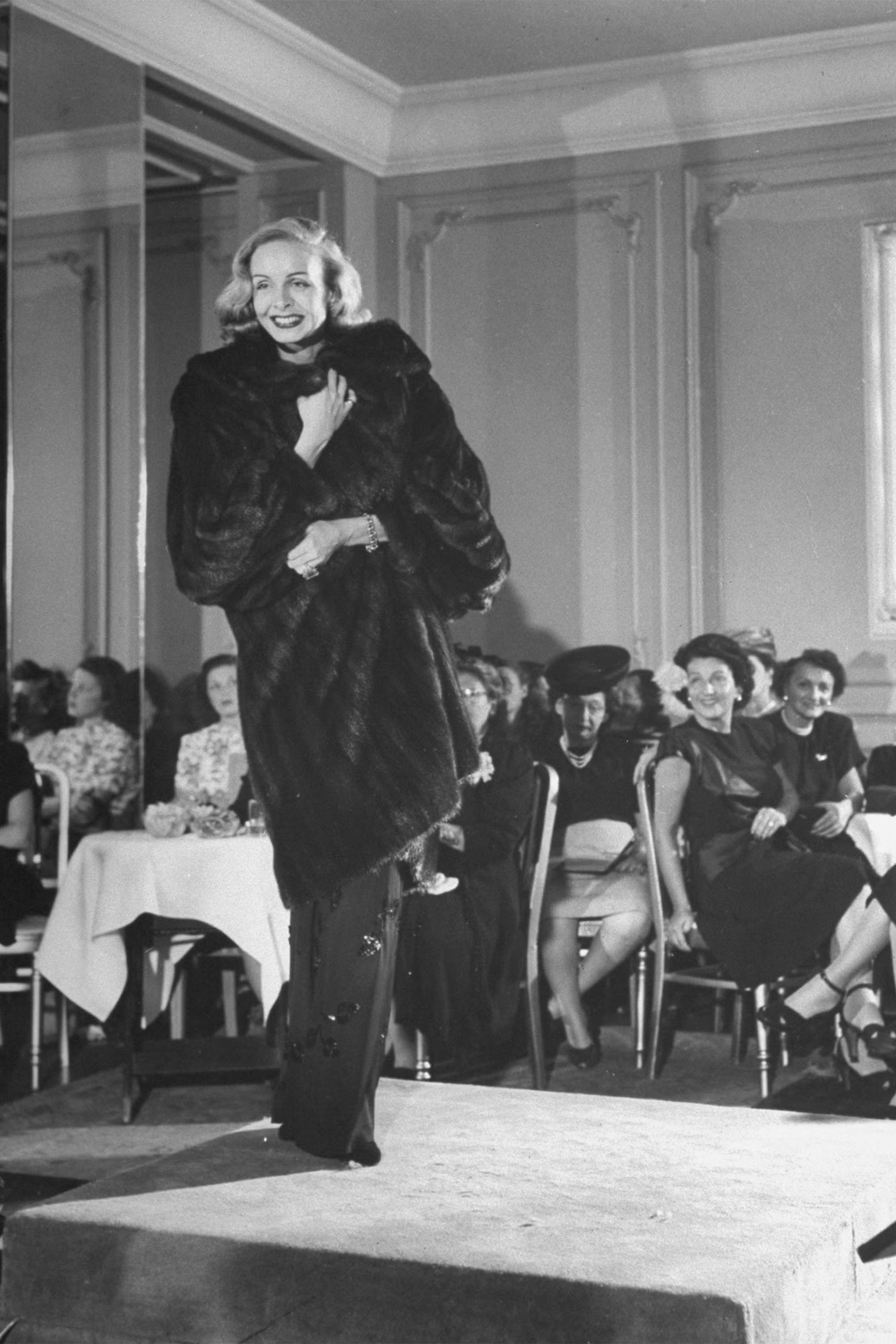
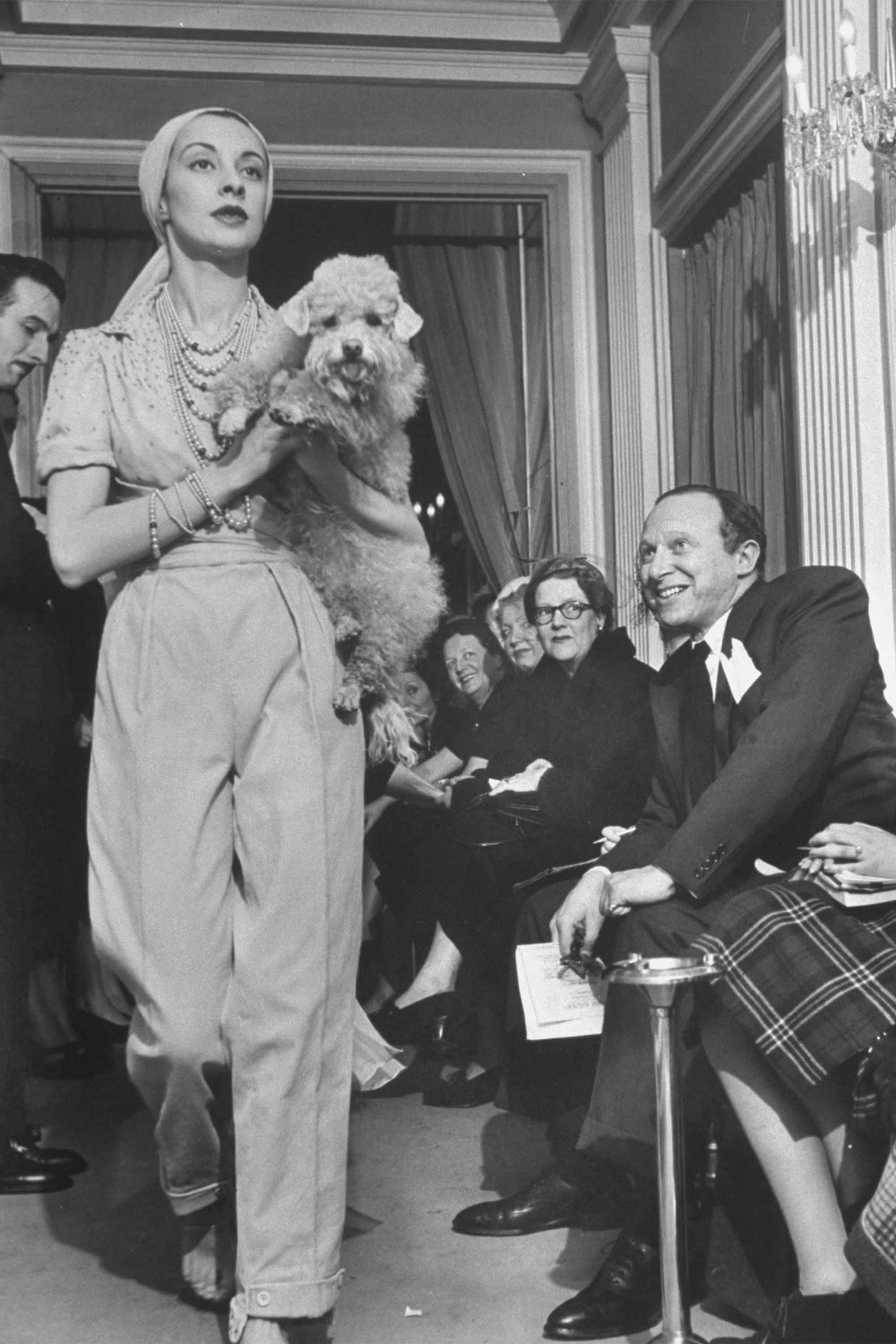
The aesthetic of this period was defined by structured silhouettes, mink furs, and the integration of accessories—such as the whimsical inclusion of poodles in Balmain’s 1951 show—which added a layer of personality to the rigid standards of couture. During this time, the "buyer" remained the primary audience, but the presence of fashion photographers began to grow, setting the stage for the era of visual documentation.
The Youthquake and the 1960s/70s Cultural Shift
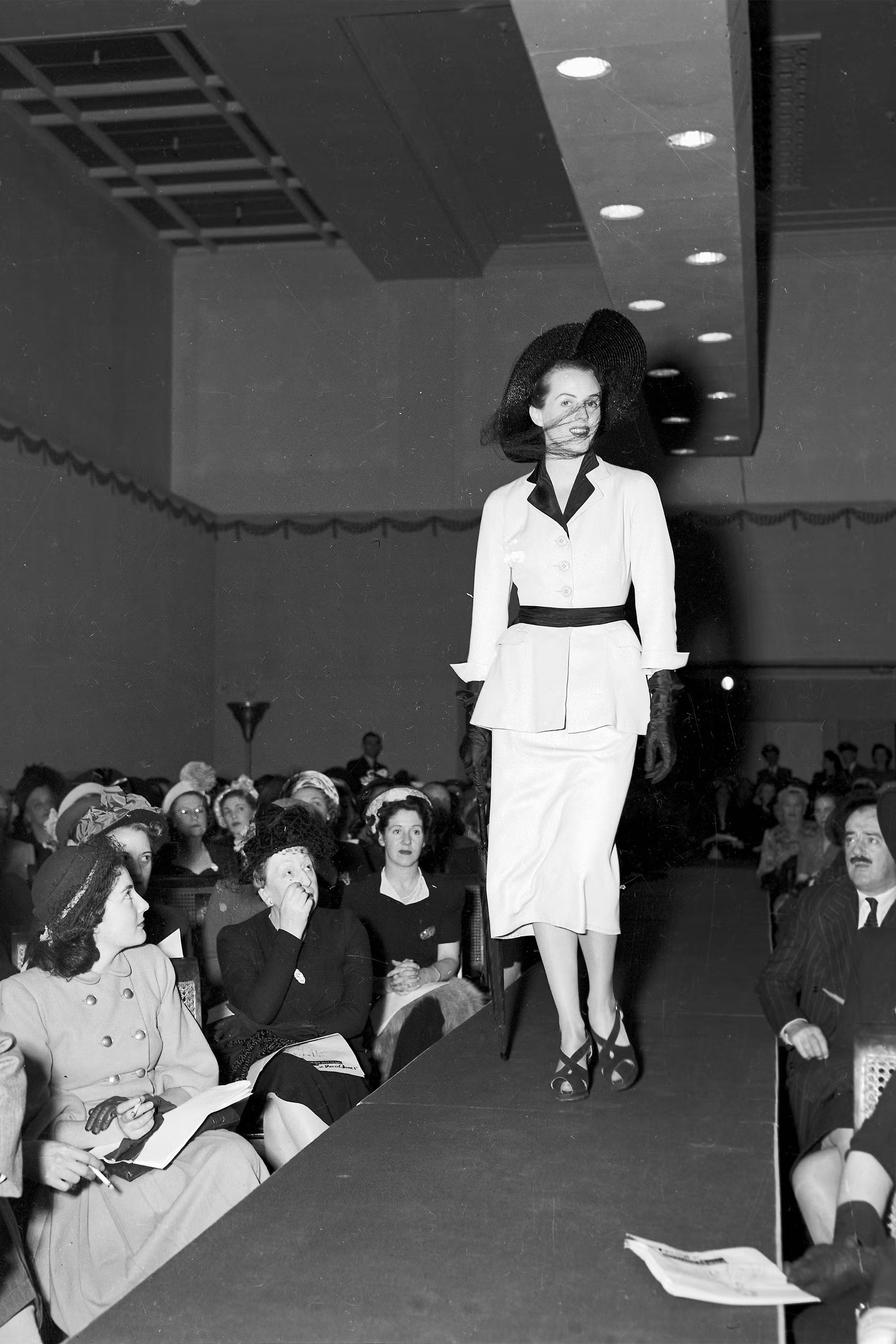
The 1960s represented a tectonic shift in the fashion calendar. The rise of "Youthquake" culture, pioneered by designers like Mary Quant, introduced the mini-skirt and a democratic approach to style that defied the stuffy traditions of the post-war era. Fashion Week began to reflect the experimental nature of the decade. Pierre Cardin’s 1968 space-age collection, influenced by the era’s lunar exploration, demonstrated that the runway was becoming a platform for artistic and conceptual expression rather than merely garment sales.
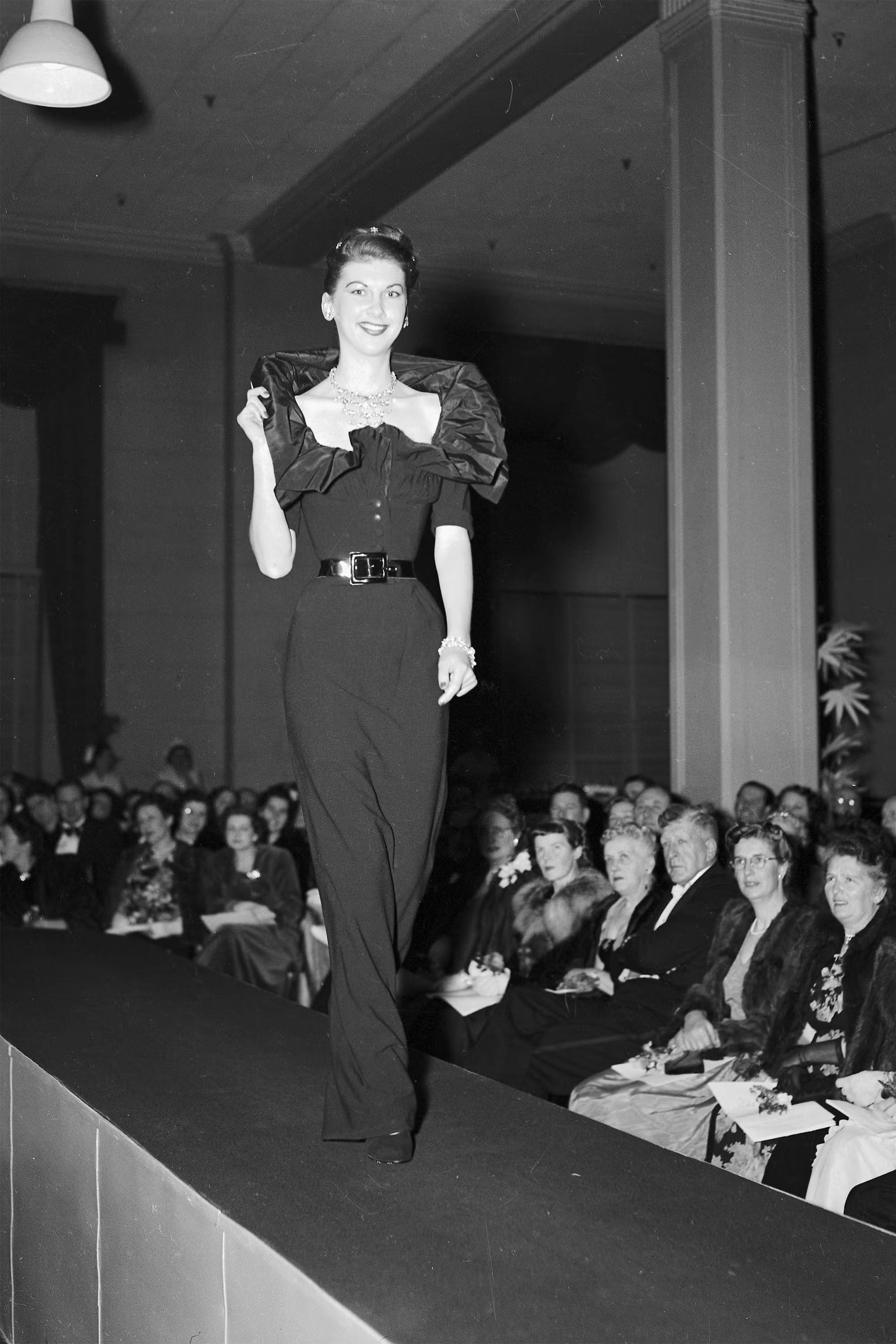
As the industry moved into the 1970s, the "naked dress" and the emergence of icons like Twiggy and Jerry Hall heralded the dawn of the personality-driven runway. The 1976 Kenzo show, featuring Jerry Hall carrying a bottle of champagne, marked the beginning of a shift toward entertainment. These shows were no longer just about the clothes; they were about the atmosphere, the attitude, and the emerging concept of the "supermodel."
The Supermodel Era: The 1980s and 1990s
The 1980s and 1990s solidified the status of the fashion show as a major cultural event. Supermodels like Naomi Campbell, Claudia Schiffer, and Cindy Crawford became the anchors of the runway, elevating the status of fashion designers to global celebrity levels. The staging during these two decades grew increasingly grand. Giorgio Armani’s 1990 runway featuring a giant globe and the theatrical intensity of Thierry Mugler’s shows during the same period underscored a shift toward immersive set design.
This era was marked by high-profile moments that entered the public consciousness: Naomi Campbell’s graceful recovery after a fall in Vivienne Westwood’s 1993 show and Gianni Versace’s legendary 1994 finale featuring the era’s biggest supermodels solidified the runway as a space where "moments" were manufactured for the press. By the late 1990s, with Alexander McQueen’s 1998 robotic-paint-spray finale, the runway had become a laboratory for technological and artistic innovation.
The Digital Millennium and the Rise of Celebrity
The early 2000s saw the further integration of Hollywood and high fashion. Paris Hilton’s 2003 appearance on the Heatherette runway with her chihuahua, Tinkerbell, marked a definitive shift in the guest list; the front row was no longer solely the domain of editors and buyers but also of celebrities, socialites, and influencers.
By the late 2000s, technology began to dictate the format. Hussein Chalayan’s 2007 experiments with lighting and electronics were the precursors to the digital-first strategy that would eventually dominate the 2020s. Chanel’s penchant for grand, world-building sets—from 2010’s iceberg to 2017’s full-scale rocket—demonstrated that the budget for these events was reaching the level of film production.
Resilience and Reinvention: 2020 to the Present
The COVID-19 pandemic in 2020 served as a profound interruption that forced the industry to reconsider its sustainability and exclusivity. With traditional gatherings halted, designers pivoted to digital lookbooks and intimate, socially distanced presentations. This period acted as a catalyst for a long-overdue evaluation of the industry’s environmental impact and the necessity of the traditional Fashion Week model.
Post-pandemic, the runway returned with a renewed focus on spectacle and legacy. The 2022 Coperni show, where a dress was sprayed onto Bella Hadid in real-time, proved that the desire for "viral" moments remained a top priority. Recent years have seen a mixture of nostalgia—such as the tributes paid to legends like Giorgio Armani—and radical innovation, exemplified by John Galliano’s 2024 collection for Maison Margiela, which utilized extreme structural silhouettes and prosthetic-like makeup to challenge the definition of beauty.
Analysis: The Implications of Industry Evolution
The evolution of Fashion Week from 1943 to 2026 reflects a broader transition in global consumption. Data from major fashion conglomerates suggests that the "see-now-buy-now" model, which gained traction in the late 2010s, has permanently altered the production cycle. The industry has moved from a B2B (business-to-business) model—where buyers were the sole arbiters of what the public would wear—to a B2C (business-to-consumer) model, where the immediate social media reaction of the public drives market demand.
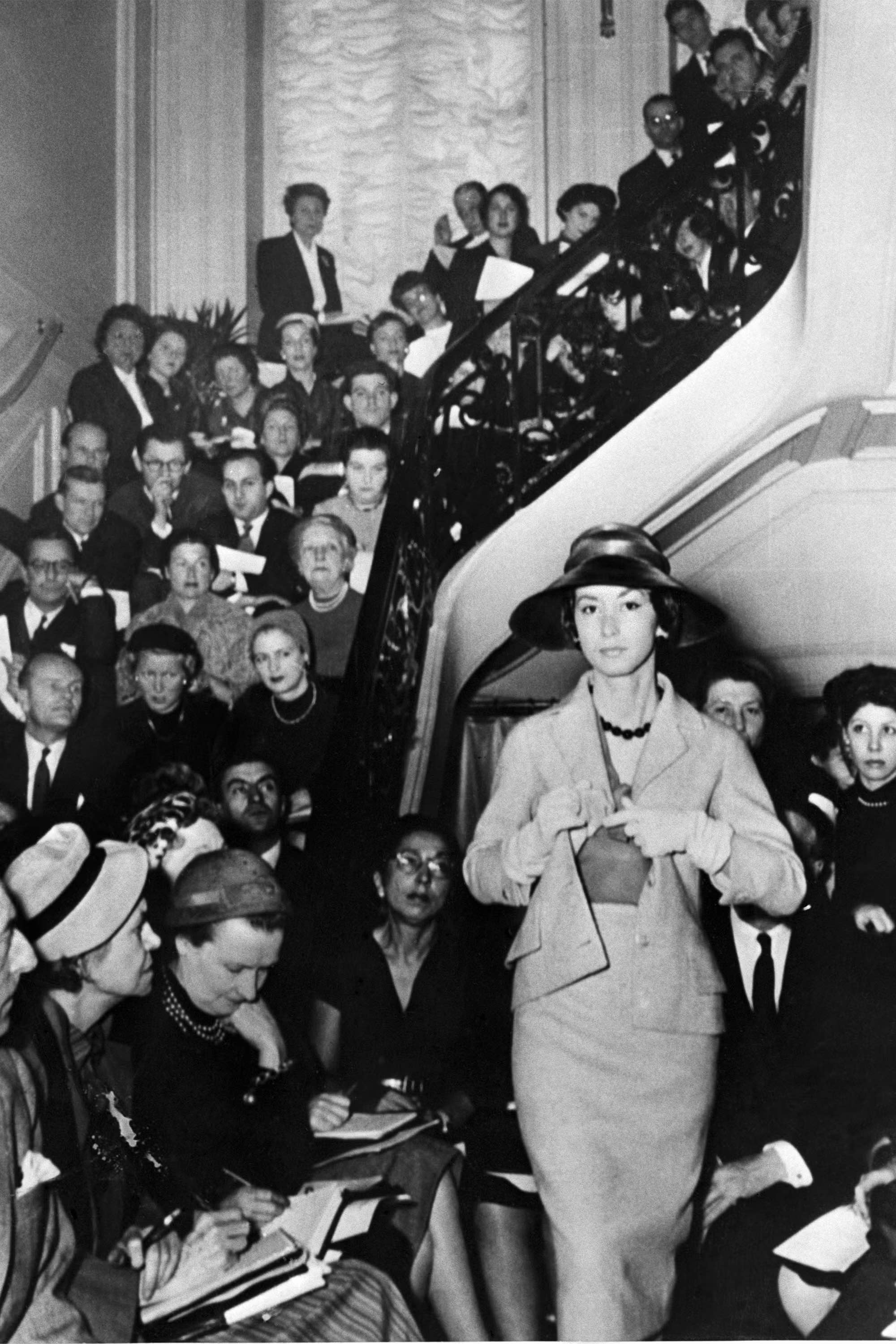
Industry experts note that while the spectacle generates massive digital impressions, the challenge for luxury houses remains the balance between artistic integrity and commercial viability. The proliferation of "influencer culture" has democratized access, but it has also arguably shortened the lifespan of trends, leading to a demand for faster production cycles.
Conclusion
As we look toward the future, Fashion Week stands at a crossroads. The integration of artificial intelligence in design, the increasing focus on circularity and sustainability, and the continued blurring of lines between physical and virtual reality suggest that the next decade of Fashion Week will be as transformative as the last eight. Whether through the debut of new icons or the re-evaluation of heritage, the event remains the primary vehicle for the fashion industry to communicate its vision of the future. The runway, once a narrow path for trade, has become a global stage, and its influence continues to shape the way the world perceives, consumes, and values the art of the garment.