Tyo Susilo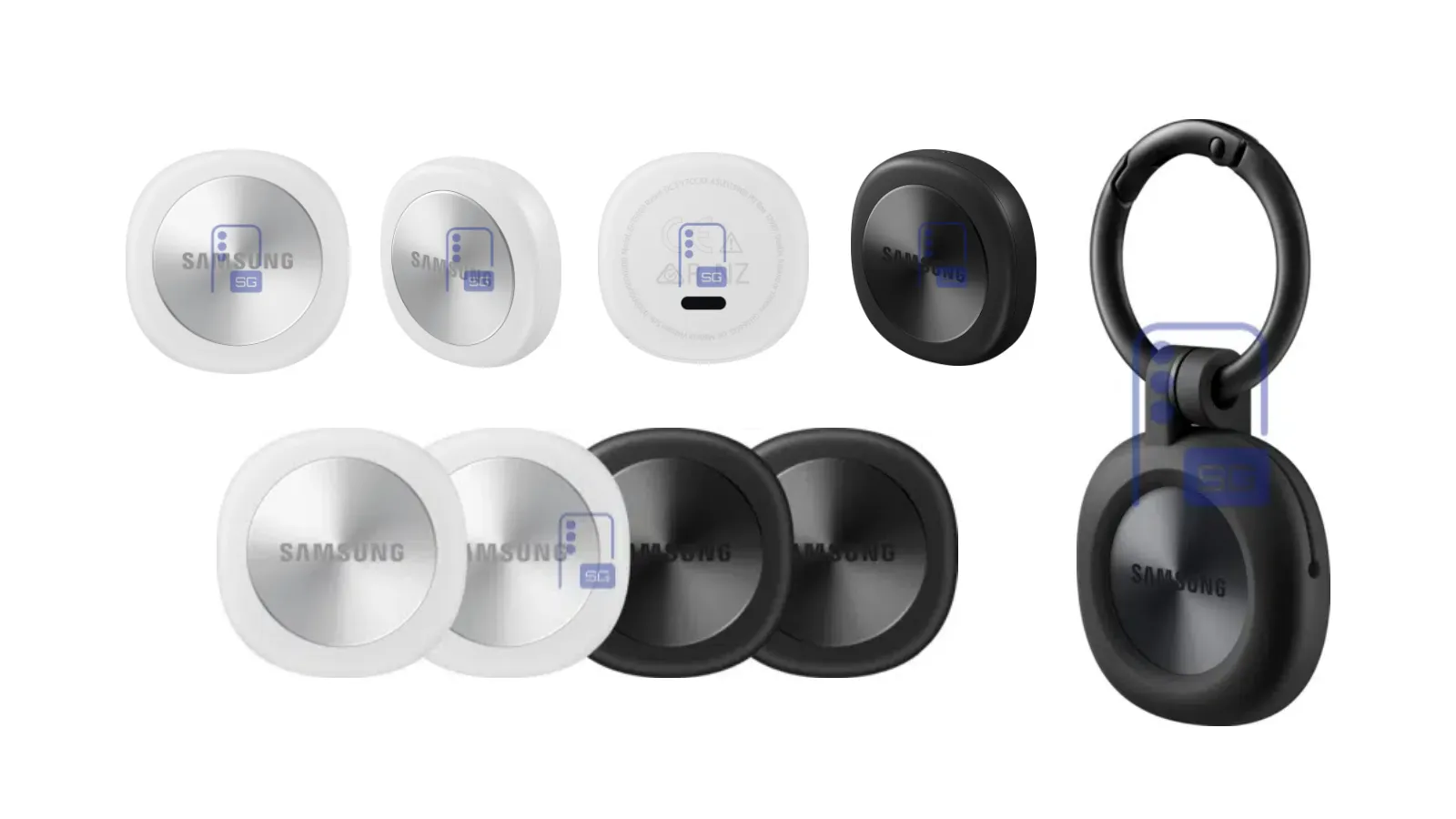
Samsung is once again at the center of industry anticipation as fresh leaks surrounding the upcoming Samsung Galaxy SmartTag 3 emerge, offering tech enthusiasts and everyday consumers a clearer look at the brand’s next-generation Bluetooth tracker. Following a series of regulatory certification appearances earlier this month, newly leaked high-resolution renders have surfaced online, showcasing a major departure from the design language established by its predecessors. As the market for item-tracking devices grows increasingly competitive, these latest revelations highlight how Samsung plans to evolve its hardware ecosystem to meet modern consumer preferences and aesthetic standards.
Evolution of Design: Embracing the Squircle Form Factor
The most striking revelation from the recent image leaks is the complete overhaul of the device’s physical shape. The Samsung Galaxy SmartTag 3 transitions away from the rounded or pill-shaped designs of the past, opting instead for a "squircle" geometry—a harmonious hybrid between a square and a circle with heavily curved corners. This unique geometric approach aligns with preliminary technical illustrations that first leaked during the summer, confirming that Samsung’s design teams have committed to this modern silhouette. Furthermore, the leaked imagery reveals at least two distinct colorways, hinting at a minimalist and versatile aesthetic tailored to blend seamlessly with personal accessories, luggage, and everyday carry items.
In addition to the new shape, a notable modification has been implemented regarding the physical housing of the tracker. Unlike previous iterations of the Galaxy SmartTag series, which featured an integrated cutout or loop hole directly within the chassis for effortless attachment to keyrings, lanyards, or straps, the Galaxy SmartTag 3 appears to lack any native pass-through aperture. This structural change suggests that users wishing to tether the tracking device to backpacks, luggage, keys, or pet collars will likely need to rely on proprietary or third-party protective cases equipped with designated loops or carabiners. While this shifts the attachment mechanism to secondary accessories, it also allows for a cleaner, more streamlined primary chassis free of structural compromises.
Centrally positioned on the face of the tracker is a physical button emblazoned with the iconic Samsung logo. The tactile button features a distinct metallic-finish accent, contrasting against the matte or soft-touch polymer of the surrounding body. While the exact functional capabilities of this button remain officially unconfirmed, historical precedent within the ecosystem suggests it could serve multiple purposes, ranging from triggering a paired smartphone to ringing a misplaced mobile device, serving as a smart home automation trigger, or doubling as a remote shutter button for the camera app on compatible Galaxy smartphones.

Background and Chronology of the SmartTag Ecosystem
To understand the significance of the Galaxy SmartTag 3 leaks, it is essential to examine the historical trajectory of Samsung’s entry into the smart tracking market. Samsung introduced its original Galaxy SmartTag in early 2021, closely followed by the enhanced Galaxy SmartTag+ later that year, which integrated Ultra-Wideband (UWB) technology for precision finding. These initial releases laid the foundation for the ecosystem, allowing Galaxy device owners to locate lost items via the SmartThings Find network, which crowdsources location data from millions of participating smartphones and tablets worldwide.
The second major iteration, the Galaxy SmartTag 2, arrived in late 2023, bringing a dramatic redesign featuring a ring-shaped metal-reinforced strap loop, improved battery life, and enhanced durability ratings. The SmartTag 2 was widely praised for its ruggedness and ease of attachment. However, the technology landscape has shifted significantly since then. Competitors in the item-tracking space, including Apple with its AirTag and various manufacturers leveraging Google’s newly expanded Find My Device network, have raised the bar for integration, privacy protections, and global tracking accuracy.
The current leak cycle for the Galaxy SmartTag 3 began in earnest earlier in September 2026, when regulatory filings surfaced in international database registries, indicating that mass production and commercialization phases were well underway. Industry observers noted that these certification documents typically precede a product launch by just a few weeks or months, setting the stage for the subsequent visual leaks that have now captured public attention.
Technological Implications and Market Positioning
The transition to a new form factor and the omission of a built-in lanyard hole carry several strategic and functional implications for consumers. From a manufacturing standpoint, a solid squircle body without an integrated hole may offer enhanced structural integrity and improved water and dust resistance ratings, potentially surpassing the IP67 rating of its predecessor. Improved ingress protection would make the Galaxy SmartTag 3 more resilient against harsh outdoor environments, accidental submersions, and daily wear and tear.
However, the necessity of purchasing an additional case for attachment introduces a minor economic and logistical hurdle for end-users. In response to this design shift, third-party accessory manufacturers are expected to flood the market with specialized silicone, leather, and hard-shell cases featuring integrated key rings and loops shortly after the official product launch. This mirrors the flourishing aftermarket accessory ecosystem that has long surrounded competing devices like the Apple AirTag.

From a connectivity perspective, industry analysts anticipate that Samsung will retain and refine both Bluetooth Low Energy (BLE) and Ultra-Wideband (UWB) technologies in the Galaxy SmartTag 3. UWB, in particular, is critical for providing directional arrows and augmented reality (AR) visual guidance when searching for nearby items within a home or office environment. Furthermore, deep integration with Samsung’s SmartThings ecosystem ensures that the device will benefit from a robust global mesh network, allowing users to locate missing items even when they are miles away from their personal devices, provided other compatible Samsung or Android devices pass within Bluetooth range.
Official Stance and Anticipated Launch Timeline
As of publishing, Samsung has maintained an official silence regarding the existence, specifications, and pricing of the Galaxy SmartTag 3, adhering to standard corporate protocols concerning unannounced hardware. Representatives for the company have declined to comment on the circulating leaks and speculative reports.
Based on historical product lifecycles and the recent flurry of regulatory and visual leaks, consumer technology analysts project that Samsung will officially unveil the Galaxy SmartTag 3 within the next one to two months. The launch could either coincide with a dedicated hardware announcement event or be quietly introduced via a press release ahead of the holiday shopping season. Pricing details remain speculative, though market watchers expect Samsung to position the new tracker competitively against established alternatives to capture market share within the rapidly expanding personal asset management sector.
As consumers weigh the visual and functional changes—such as the sleek new squircle design versus the loss of the built-in strap hole—the debate among tech enthusiasts highlights the ongoing tension between minimalist aesthetics and everyday practical utility in modern consumer electronics. Further updates regarding official specifications, battery performance, pricing, and availability are expected to emerge as Samsung moves closer to the formal commercial release of the device.