Tyo Susilo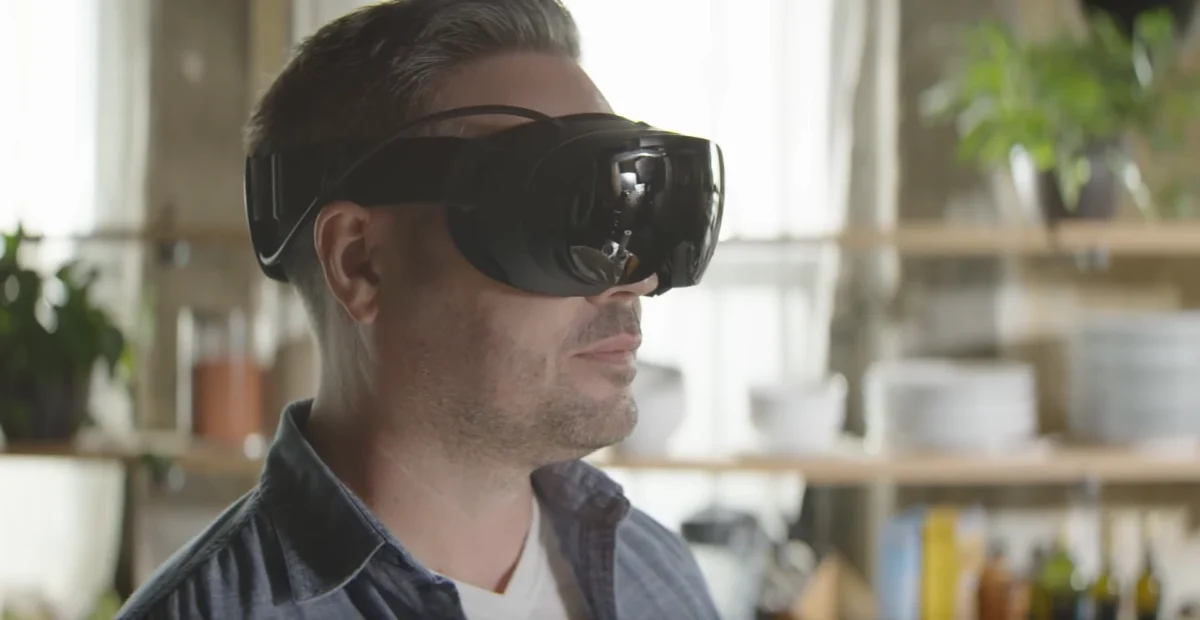
The global virtual reality (VR) hardware market is facing a significant cooling period, presenting a complex challenge for industry stakeholders as major manufacturers prepare for upcoming flagship device launches. According to the latest market intelligence data published by Counterpoint Research, worldwide shipments of VR headsets experienced an 18 percent year-over-year decline during the second quarter of 2026, alongside a 16 percent sequential drop compared to the previous quarter. This downturn highlights a broader stagnation in consumer demand for immersive head-mounted displays, arriving at a precarious time for Valve Corporation as it finalizes the rollout of its highly anticipated Steam Frame headset, slated for a late 2026 debut.
The contraction of the VR market cannot be attributed to a single variable, but rather to a convergence of macroeconomic pressures, supply chain bottlenecks, and a persistent scarcity of blockbuster software titles. Industry analysts point out that hardware pricing has escalated sharply over recent quarters. Meta Platforms, historically the dominant volume driver in the consumer VR segment, was forced to adjust the retail prices of its Quest 3 and Quest 3S hardware lines upward. This pricing adjustment was precipitated by severe global shortages and rising costs within the semiconductor and memory component sectors, ultimately pricing out casual adopters who previously drove the category’s accessible entry points.

Compounding these economic headwinds is a severe software drought that has plagued the ecosystem for years. Aside from intermittent releases and iterative updates, the industry has struggled to produce a generational software killer app capable of driving hardware adoption on the scale witnessed during the launch of Half-Life: Alyx. Released more than six years ago, Valve’s landmark VR title remains an industry benchmark for immersive PC-based gaming experiences, yet few subsequent software releases have successfully replicated its cultural or commercial momentum. Consequently, prospective buyers find themselves lacking compelling catalysts to invest in new hardware, leading to elongated upgrade cycles and heightened consumer apathy toward dedicated VR ecosystems.
Valve Corporation now finds itself navigating a uniquely delicate market position. While the upcoming Steam Frame is expected to benefit tremendously from deep integration with the expansive Steam gaming library—the world’s largest digital PC distribution platform—the company must convince a hesitant consumer base to adopt a new form factor. Many potential buyers already own legacy VR hardware and see minimal functional incentive to upgrade, while others remain deterred by anticipated launch pricing driven by elevated global component costs. Indications that Valve is preparing a formal reservation system for the Steam Frame suggest that initial manufacturing volumes may be restricted, reflecting cautious supply chain management in response to the sluggish wider market.
Despite the pronounced contraction within the standalone and tethered VR sectors, the broader extended reality (XR) landscape is not uniformly depressed. Market metrics reveal a stark divergence in consumer preferences, with the augmented reality (AR) segment demonstrating extraordinary resilience and exponential growth. Counterpoint Research data indicates that global shipments of AR devices surged by an impressive 138 percent year-over-year in the second quarter of 2026, accompanied by a 10 percent sequential quarterly increase.

This rapid expansion in the augmented reality sector has been propelled by the introduction of innovative form factors, aggressive international market expansion, and targeted promotional campaigns, particularly within high-growth Asian markets such as China. The data suggests that consumers are not abandoning immersive digital technologies altogether; rather, consumer interest is actively shifting away from fully occlusive VR headsets—which isolate users from their physical environments—and toward lightweight AR glasses and wearable displays that integrate seamlessly into everyday daily routines and productivity tasks.
The dichotomy between the faltering VR market and the surging AR market transforms the upcoming launch of the Steam Frame into a critical litmus test for Valve’s long-term hardware strategy. If mainstream consumers no longer view virtual reality as an essential, high-priority technology category, the gaming conglomerate will need to rely on more than high-end technical specifications and ecosystem integration to spark sustained sales momentum. Valve’s ability to demonstrate unique value propositions—such as advanced ergonomic designs, superior tracking fidelity, or frictionless software compatibility—will likely determine whether the Steam Frame can defy broader market gravity or fall victim to the current cooling trend.
As the industry looks toward the final months of 2026, hardware manufacturers, independent developers, and digital storefront operators are monitoring these market indicators with heightened caution. The convergence of rising component expenses, shifting consumer appetite toward augmented reality solutions, and plateauing VR software innovation requires a strategic pivot across the board. For Valve and the Steam Frame, successfully launching a high-profile hardware ecosystem amid an 18 percent market contraction will require precise execution, strategic pricing resilience, and a renewed commitment to fostering compelling virtual reality content that can revitalize consumer confidence in the medium.