Azin Asro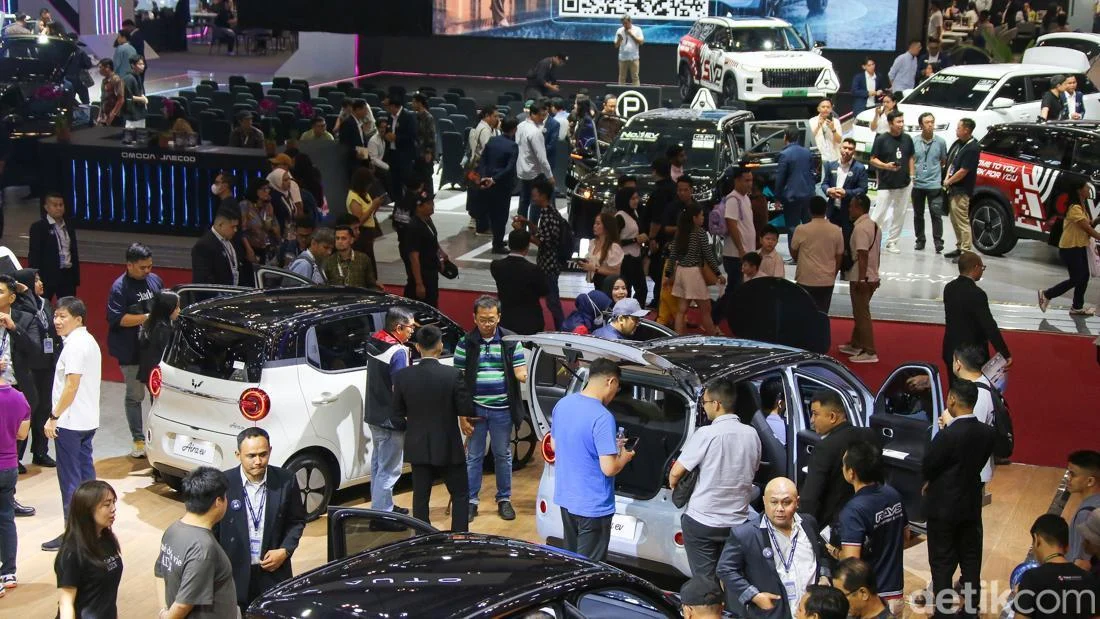
The landscape of the Indonesian automotive industry is undergoing a profound structural shift, as evidenced by retail and wholesale data released for August 2026. While traditional internal combustion engine (ICE) vehicles and even certain hybrid segments experienced a noticeable contraction on a month-to-month basis, battery electric vehicles (BEVs) continued an aggressive upward trajectory. This evolving consumer preference underscores a broader nationwide transition toward sustainable mobility, accelerated by proactive government policies, an influx of varied electric models, and increasingly competitive pricing strategies from major global and domestic manufacturers.
According to data compiled by the Association of Indonesian Automotive Industries (Gaikindo), the wholesale distribution of pure gasoline-powered vehicles—encompassing Low Cost Green Cars (LCGCs), non-LCGC ICE passenger cars, and commercial vehicles—stood at 54,683 units in August 2026. This figure reflects a distinct decline from the 57,166 units recorded in July 2026, representing a contraction of approximately 4.34 percent within a single month.
However, a deeper analysis of the internal components within the traditional combustion category reveals a nuanced market reality. While the broader category contracted, the LCGC segment demonstrated remarkable resilience, managing to sustain positive growth. The downward pressure was instead heavily concentrated within the non-LCGC ICE passenger car segment and the commercial vehicle sector, indicating that budget-conscious entry-level buyers continue to support traditional formats, while mid-to-high-tier consumers and corporate fleets are altering their purchasing decisions.
Hybrid Vehicles Face Short-Term Headwinds While Plug-In Models Inch Upward
Interestingly, the contraction was not strictly limited to conventional fuel vehicles. The hybrid electric vehicle (HEV) segment, which has long been touted as a vital transitional technology for the Indonesian market, also encountered a minor downturn. Sales of HEVs dropped from 8,004 units in July 2026 to 7,667 units in August 2026, marking a decrease of roughly 4.21 percent.
Conversely, plug-in hybrid electric vehicles (PHEVs) managed to eke out a marginal gain. Sales within the PHEV category ticked upward from 1,973 units in July to 1,993 units in August, translating to a modest growth rate of 1.01 percent. Though the absolute volume of PHEVs remains relatively small compared to pure ICEs and standard hybrids, the continuous positive movement highlights a diversifying interest among eco-conscious motorists who require extended driving ranges without relying solely on public charging infrastructure.
The shining star of the August 2026 dataset, however, was the pure battery electric vehicle (BEV) market. While specific unit tallies for BEVs within the August dataset reflect an accelerating momentum, their rapid ascent stands in sharp contrast to the cooling figures of fossil-fuel counterparts. This surge points to a structural turning point in consumer adoption patterns across the archipelago.
Macroeconomic Context and Year-to-Date Performance
Despite the monthly fluctuations observed between July and August 2026, the macro-level outlook for the Indonesian automotive sector remains robust. On an accumulative basis, total national car sales spanning from January through August 2026 reached an impressive 599,491 units. When compared to the corresponding eight-month period of the previous year, this figure represents a significant year-on-year growth rate of 20.1 percent.
This double-digit expansion indicates that the domestic automotive market is maintaining a solid recovery path following historical disruptions. Industry analysts attribute this overall resilience to stabilizing macroeconomic conditions, controlled inflation, accessible auto-financing options, and consistent consumer confidence. Even as traditional segments experience localized dips, the influx of fresh capital, localized manufacturing investments, and new model launches have collectively sustained the market’s upward momentum throughout 2026.
Catalysts of the Electrification Boom
The accelerating momentum of vehicle electrification in Indonesia is far from accidental. Over the past several years, the Indonesian government has systematically laid the groundwork to position the nation as a regional hub for electric vehicle production and adoption. Strategic fiscal interventions, including luxury sales tax (PPnBM) incentives, import duty exemptions for completely built-up (CBU) electric vehicles meeting specific local investment commitments, and value-added tax (VAT) subsidies, have significantly reduced the financial barrier to entry for prospective EV buyers.
Furthermore, automotive manufacturers have intensified their localization strategies. Major global players—originating from Asia, Europe, and the Americas—have either established or expanded domestic assembly plants, allowing them to offer competitively priced BEVs tailored to the purchasing power of Indonesian consumers. The expanding variety of models, ranging from affordable city hatchbacks and utility vehicles to luxury SUVs, has successfully broadened the demographic appeal of electric mobility well beyond early adopters.
Infrastructure development has also played a crucial catalytic role. The continuous expansion of public fast-charging stations across major toll roads, urban centers, and key inter-city corridors has helped alleviate "range anxiety," a historical psychological deterrent for consumers transitioning away from internal combustion engines.
Industry Perspectives and Stakeholder Reactions
Reacting to the shifting market dynamics, industry observers and automotive analysts suggest that the August 2026 data serves as a bellwether for the future of Indonesian transportation.
"The contraction in pure gasoline vehicle sales, coupled with the simultaneous rise in zero-emission alternatives, is no longer a temporary anomaly," noted a senior automotive market strategist in Jakarta. "We are witnessing the early stages of a definitive market saturation point for traditional ICE vehicles, particularly in urban areas where charging accessibility is improving. Consumers are increasingly factoring long-term operational costs, fuel price volatility, and environmental sustainability into their purchasing calculus."
Meanwhile, representatives from leading manufacturing associations emphasize that the coexistence of internal combustion engines, hybrids, and electric vehicles will remain necessary during this transitional phase. However, the accelerated adoption rate of BEVs suggests that automakers must pivot their capital expenditure and marketing strategies toward electrification faster than originally projected to maintain market share.
Broader Implications for the Economy and Environment
The implications of these August 2026 sales trends extend far beyond showroom floors, touching upon national energy security, fiscal policy, and environmental targets. As Indonesia works toward its overarching commitments to reduce greenhouse gas emissions and achieve carbon neutrality, the organic growth of the EV sector provides a tangible mechanism for reducing urban air pollution and lowering the nation’s reliance on imported fossil fuels.
At the same time, the transition presents complex challenges for the domestic automotive supply chain. Traditional component manufacturers specializing in internal combustion engine parts—such as exhaust systems, transmissions, and engine blocks—face mounting pressure to diversify their production lines to align with the demands of electric vehicle architectures. Conversely, upstream industries, particularly those involved in nickel mining, refining, and battery cell manufacturing, stand to benefit immensely from the sustained domestic and regional demand for electrified transport.
As the Indonesian automotive market enters the final quarter of 2026, stakeholders will closely monitor whether the cooling trend in gasoline and hybrid vehicles persists, and whether battery electric vehicles can sustain their aggressive growth pace. With total year-to-date sales comfortably exceeding the half-million mark, the industry remains well-positioned to close the year on a strong financial footing, anchored firmly by an accelerating electric revolution.