Nila Kartika Wati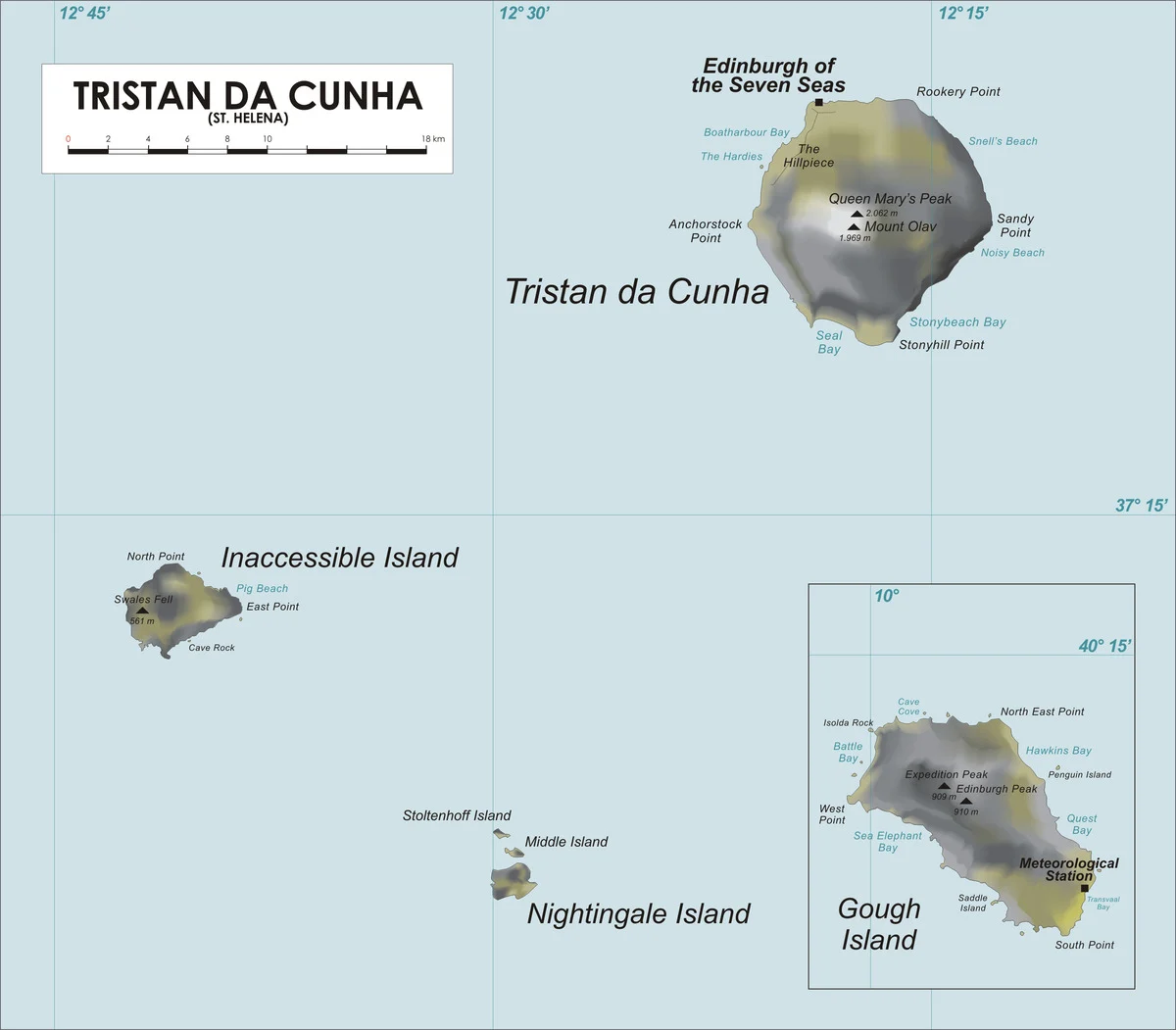
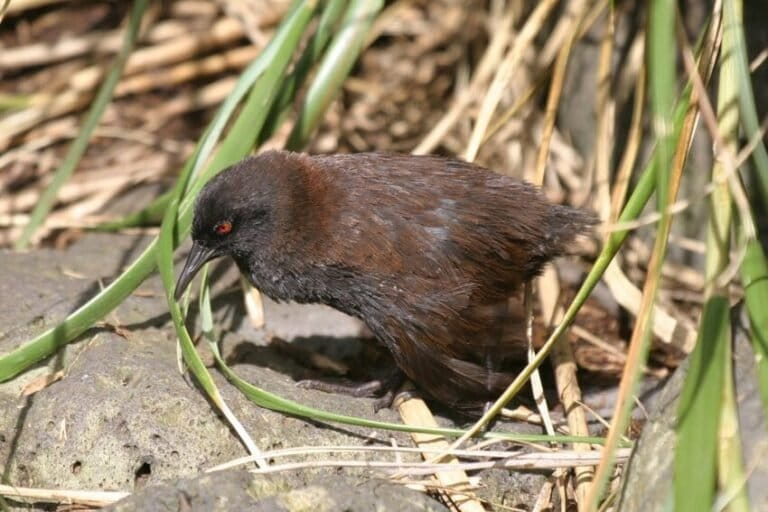
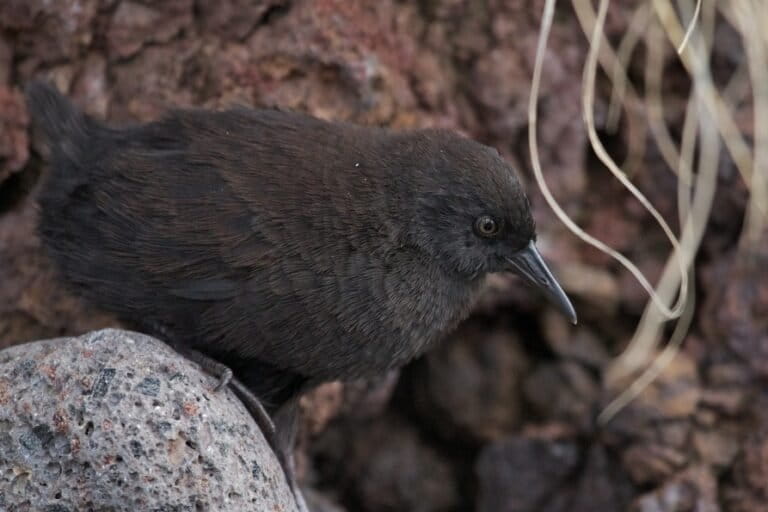
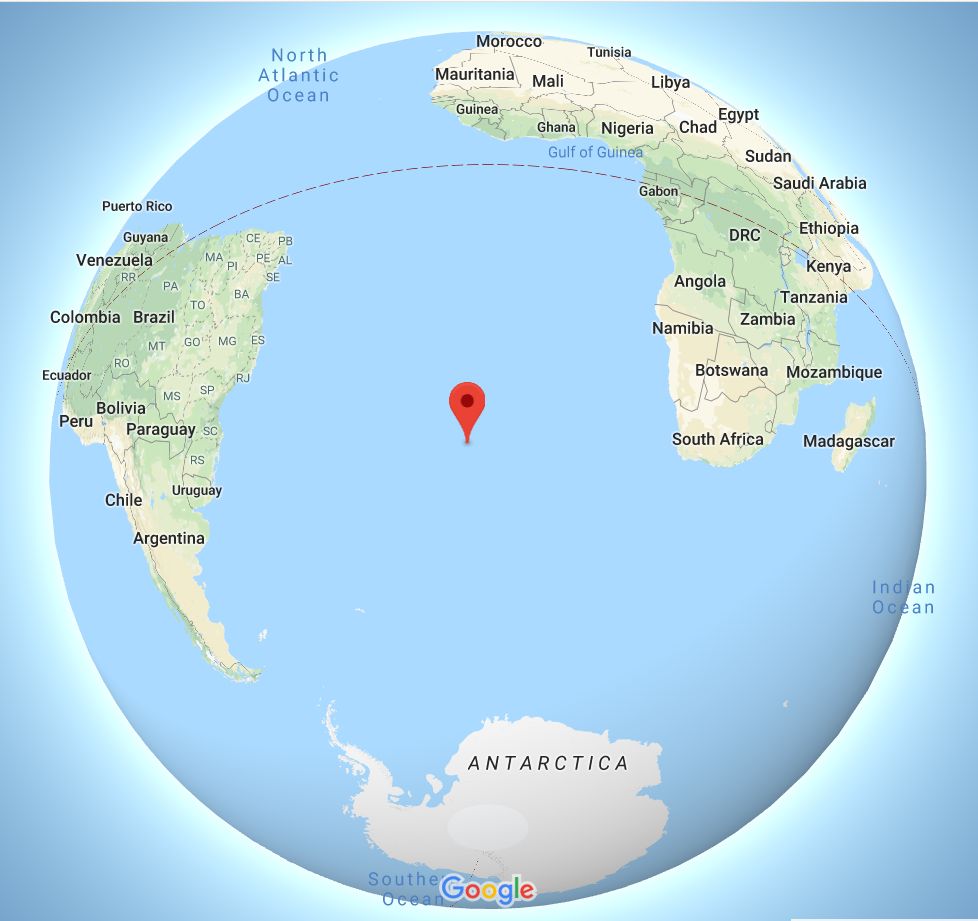
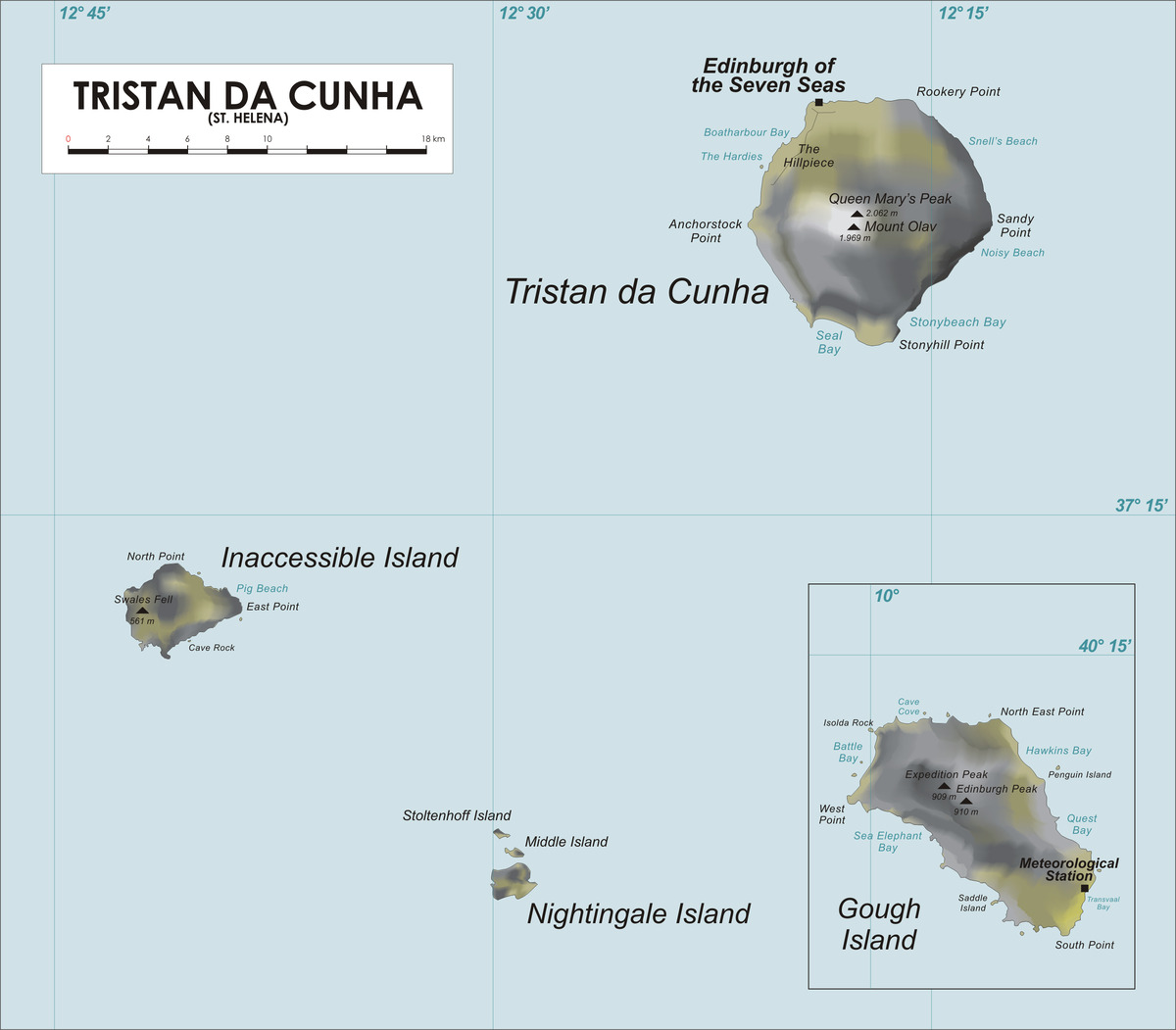
In the remote reaches of the South Atlantic Ocean, separated from the nearest continental landmass by thousands of kilometers of turbulent water, lies Inaccessible Island. This volcanic outcrop, a mere 7.4 square kilometers in size, serves as the singular home to the Inaccessible Island Rail (Atlantisia rogersi), the world’s smallest flightless bird. Weighing no more than a standard ping-pong ball—typically between 30 and 40 grams—this diminutive creature has long fascinated evolutionary biologists. For nearly a century, the mechanism by which this flightless species colonized such an isolated, hostile environment remained one of ornithology’s most enduring enigmas, until recent genetic breakthroughs fundamentally altered our understanding of island biogeography and the evolutionary trajectory of flightless birds.
Deconstructing the Land Bridge Hypothesis
For decades, the prevailing scientific consensus regarding the presence of the rail on such a remote island was dictated by the hypothesis established in the 1920s by ornithologist Percy Lowe. Lowe theorized that the ancestors of the Inaccessible Island Rail had traversed ancient land bridges that once connected the continents of Africa and South America. According to this narrative, these birds walked across terrestrial corridors that subsequently subsided into the ocean, leaving the populations stranded on the emerging peaks of the Tristan da Cunha archipelago.
However, this theory faced significant scrutiny as geological evidence regarding the formation of the South Atlantic islands began to emerge. Inaccessible Island is not a remnant of a sunken continent; it is a volcanic structure that rose from the seafloor approximately 3 to 6 million years ago. As geological data matured, the timeline of the island’s birth proved incompatible with the existence of any permanent land bridges. The discrepancy between the island’s relatively recent geological age and the assumed antiquity of the bird’s arrival prompted a multidisciplinary investigation led by Dr. Martin Stervander and a team from the FitzPatrick Institute of African Ornithology.
Genetic Evidence and the Sweepstakes Dispersal Model
The team’s research, published in the journal Molecular Phylogenetics and Evolution, utilized advanced DNA sequencing to reconstruct the lineage of the rail. By comparing the genetic markers of Atlantisia rogersi with those of various Rallidae species worldwide, the researchers dismantled the land bridge theory. The phylogenetic analysis indicated that the Inaccessible Island Rail arrived on the island approximately 1.5 million years ago—millions of years after any potential land bridge would have disappeared.
Perhaps most revealing was the discovery that the bird’s closest living relatives are not found in nearby Africa, as once conjectured, but rather in South America. The Dot-winged Crake and the Black Rail, both native to the Americas, share the closest genetic affinity with the Inaccessible Island Rail. This finding suggests a phenomenon known as "sweepstakes dispersal." It is hypothesized that a small group of ancestral, flight-capable rails was caught in the powerful westerly winds of the South Atlantic. While the vast majority of these individuals likely perished in the open ocean, a rare few were blown 3,500 kilometers across the sea, eventually finding sanctuary on the rugged terrain of Inaccessible Island.
The Evolutionary Mechanics of Island Syndrome
Once the ancestral rails established a foothold on the island, they were subjected to the unique selective pressures of their environment. In the absence of mammalian predators and with an abundance of resources—such as dense tussock grass, worms, moths, and seeds—the evolutionary cost of maintaining flight began to outweigh the benefits. This process, termed "island syndrome," involves the reallocation of energy from the expensive metabolic requirements of flight toward reproduction and physical robustness.
Over generations, the physical morphology of the rail shifted significantly. Its wings, no longer necessary for predator avoidance or seasonal migration, underwent extreme reduction. Simultaneously, the bird developed stronger legs, optimized for terrestrial movement through dense vegetation. This morphological adaptation allowed the species to thrive in its isolated niche, effectively becoming a permanent resident of the volcanic crags. The transformation of the Inaccessible Island Rail serves as a textbook example of how environmental isolation can accelerate evolutionary divergence, turning a migratory avian species into a sedentary, specialized endemic.
Conservation Status and Vulnerability in an Era of Connectivity
Despite its successful adaptation, the Inaccessible Island Rail remains in a precarious position. The global population is estimated at approximately 5,600 mature individuals. Because the entire species is confined to a single, small geographic location, it is classified as "Vulnerable" by the International Union for Conservation of Nature (IUCN). The species’ long-term survival is inextricably linked to the continued absence of invasive predators, a status that has been maintained largely through the island’s isolation and its designation as a protected nature reserve since 1994.
The history of the Tristan da Cunha archipelago provides a stark warning regarding the fragility of these ecosystems. On the neighboring Gough Island, populations of native birds have been devastated by the introduction of house mice, which were likely brought to the islands via human maritime activity. These invasive rodents have been documented killing the chicks of burrow-nesting seabirds, a catastrophe that has necessitated massive, multi-million dollar eradication efforts. The Inaccessible Island Rail, having evolved in a "predator-free vacuum," lacks the behavioral instincts required to evade threats such as rats, cats, or mice. Should these species be introduced to Inaccessible Island via a vessel, the impact could be terminal for the rail.
Implications for Global Biodiversity Policy
The study by Stervander et al. carries profound implications for how conservationists approach the management of remote biodiversity hotspots. The research underscores that the protection of these species requires more than just habitat preservation; it necessitates the strict enforcement of biosecurity protocols. The government of Tristan da Cunha has implemented stringent restrictions on tourist and scientific access to Inaccessible Island, a move that is essential to prevent the accidental introduction of invasive species.
Furthermore, the study highlights the role of oceanic dispersal in shaping global avian distribution. The fact that a flightless bird could successfully colonize a remote island via long-distance storm-driven flight suggests that our understanding of species migration remains incomplete. It serves as a reminder that biodiversity is a dynamic, ongoing process, often governed by rare, stochastic events rather than slow, predictable transitions.
Looking forward, the preservation of the Inaccessible Island Rail acts as a barometer for the health of remote ecosystems. As climate change alters global weather patterns and shifts the intensity of Atlantic storm systems, the "sweepstakes" of dispersal may change, potentially impacting the survival rates of migratory species. However, for the resident rail, the primary challenge remains the prevention of human-mediated biological invasion.
As global maritime traffic continues to expand into even the most isolated regions, the responsibility of maintaining the integrity of such habitats becomes a matter of international concern. The survival of the world’s smallest flightless bird is not merely a scientific curiosity; it is a testament to the resilience of life in extreme isolation and a challenge to human stewardship in an increasingly connected world. With rigorous biosecurity and continued monitoring, this tiny sentinel of the South Atlantic may continue to thrive, safely tucked away from the pressures of the modern world, as it has for the last 1.5 million years.
Chronological Summary of Research and Context
- 1920s: Ornithologist Percy Lowe proposes the "Land Bridge" hypothesis, suggesting that ancestral rails walked to the islands across now-submerged landmasses.
- 3–6 Million Years Ago: Geological formation of Inaccessible Island occurs due to volcanic activity in the South Atlantic.
- 1.5 Million Years Ago: Genetic analysis suggests the arrival of the ancestral rail population via storm-driven long-distance dispersal.
- 1872 & 1909: Documented grass fires on the island are believed to have caused significant, though temporary, declines in the rail population.
- 1994: Inaccessible Island is officially designated as a nature reserve, with strict limits on human visitation to protect native fauna.
- 2019: The study by Dr. Martin Stervander and colleagues is published in Molecular Phylogenetics and Evolution, definitively refuting the land bridge theory through DNA sequencing.
- Present Day: The species remains classified as "Vulnerable" by the IUCN, with ongoing efforts focused on biosecurity to prevent the arrival of invasive predators.
The narrative of the Inaccessible Island Rail is one of remarkable adaptation, evolutionary luck, and profound vulnerability. By synthesizing modern genetics with historical ecology, scientists have not only solved a century-old mystery but have also provided a clearer roadmap for the future protection of some of the world’s most unique and fragile biological treasures.