Lusiana Hamidun
The evolution of modern professional attire has undergone a tectonic shift over the past half-decade, moving away from rigid formal wear toward a more flexible, hybrid aesthetic. Central to this transformation is the emergence of the "smart jean"—a tailored, elevated take on the quintessential casual staple. As corporate dress codes continue to relax in the wake of the remote-work revolution, the denim industry is pivoting to meet the demand for garments that bridge the gap between office-appropriate formality and weekend comfort.
The Anatomy of the Modern Smart Jean
The definition of "smart" in the context of contemporary denim has moved away from the tech-integrated wearables of the early 2010s toward a return to classic, sartorial principles. A smart jean is distinguished by three primary characteristics: a high-rise waist, a refined, often indigo-heavy color palette, and a cut that avoids the extreme trends of excessive distressing or oversized, baggy silhouettes.
Market research into denim trends suggests that while the "straight-leg" cut dominated the retail landscape from 2018 through 2024, consumers are now seeking more structure. The smart jean offers a cleaner line, effectively acting as a substitute for traditional trousers. By utilizing higher-quality, often stretch-infused or heavier-weight denim, these pieces maintain their shape throughout the day, ensuring the wearer remains polished during back-to-back meetings or after-hours engagements.
Celebrity Influence and High-Fashion Adoption
The transition of denim into the luxury and smart-casual space has been heavily documented on the global stage. Fashion influencers and celebrities have served as the primary catalysts for this shift, demonstrating how to integrate denim into high-end wardrobes.
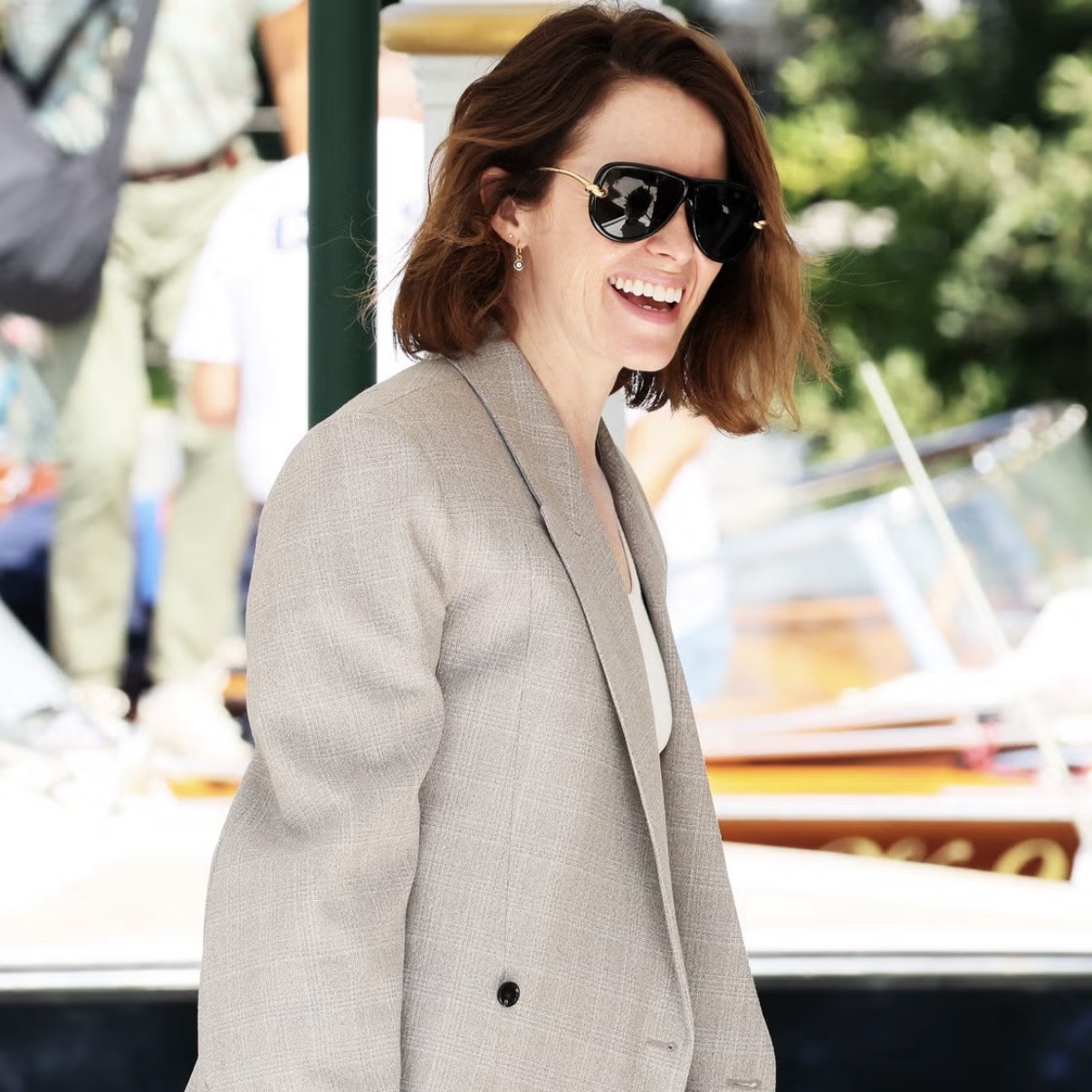
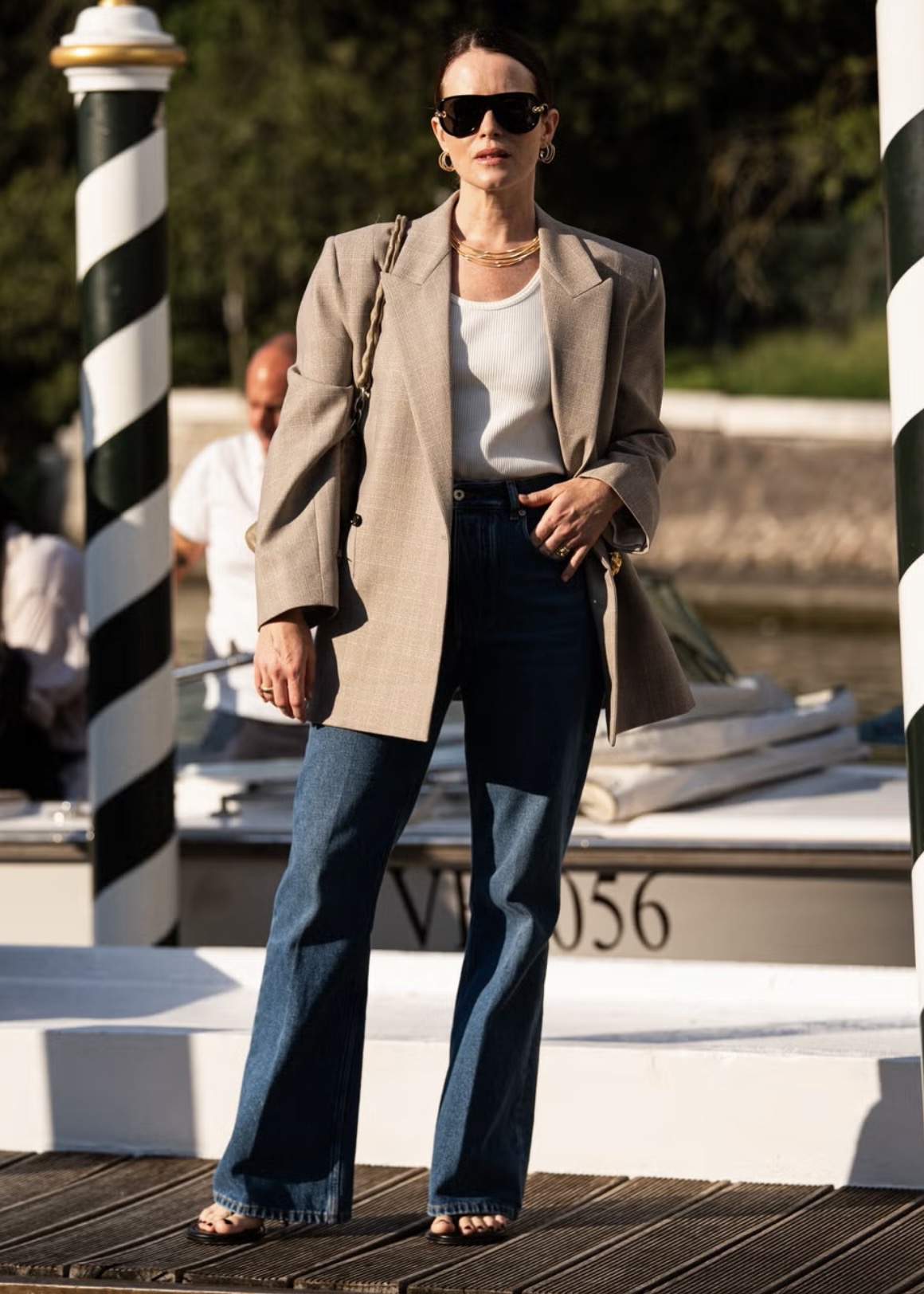
During the recent Venice Film Festival, actress Claire Foy illustrated the versatility of the category by sporting a pair of Bottega Veneta smart jeans. By pairing the denim with a structured wool jacket and refined sandals, Foy demonstrated that denim could be appropriate for even the most prestigious red-carpet events. This look served as a template for early autumn styling, emphasizing that the key to a "smart" look lies in the contrast between casual textures and sharp, tailored outerwear.
Similarly, Gigi Hadid, through her label Guest in Residence, has championed the pairing of elevated knitwear—specifically cashmere cardigans—with structured denim. The choice of footwear, such as loafers from The Row, serves to ground the outfit, replacing the athletic sneakers that typically accompany standard jeans. Industry analysts note that this specific styling choice—mixing luxury textures like cashmere with mid-range or high-end denim—has become the preferred "uniform" for the modern professional transitioning between office environments and social settings.
Market Data and Retail Shifts
Retail data from the past eighteen months indicates a significant surge in interest regarding high-waisted, slim-to-straight silhouettes. Major retailers, including Marks & Spencer and luxury houses like Victoria Beckham and Another Tomorrow, have reported that inventory focused on "smart" denim has seen higher sell-through rates than heavily distressed or trend-specific variants.
This trend is not merely anecdotal; it reflects a broader macro-economic shift. As the cost-per-wear value becomes a primary driver for consumer purchasing, buyers are gravitating toward items that offer maximum versatility. A pair of indigo, high-rise jeans can be styled with a blazer for a business-casual boardroom appearance or with a simple shirt for a weekend brunch. This "one-garment, many-functions" approach is a direct response to the sustainability-conscious shopping habits of the current generation.
Chronology of the Denim Pivot
- 2020-2021 (The Pandemic Shift): The dominance of "work-from-home" culture rendered rigid denim obsolete, leading to a temporary spike in sweatpants and loungewear sales.
- 2022 (The Return to Structure): As offices reopened, there was a tentative return to "business casual," where straight-leg jeans became the standard, albeit slightly informal, option.
- 2023-2024 (The Refinement Phase): Designers began to iterate on the straight-leg model, introducing higher waistlines and darker washes to mimic the look of wool trousers.
- 2025-2026 (The Smart Jean Standard): The current era, where the "smart jean" has solidified its place as a standalone category in retail, effectively replacing the previous iteration of the "casual Friday" aesthetic.
Stylistic Analysis: Achieving the Look
To successfully integrate smart jeans into a professional wardrobe, industry stylists emphasize the importance of proportion. The "smart" effect is achieved not just by the jeans themselves, but by the items paired with them.
- The Silhouette: The denim should sit at the natural waist. Avoid low-rise cuts, which are historically associated with casual, weekend-only aesthetics.
- The Palette: Stick to dark indigo, black, or deep charcoals. These colors mimic the formal properties of suiting fabrics.
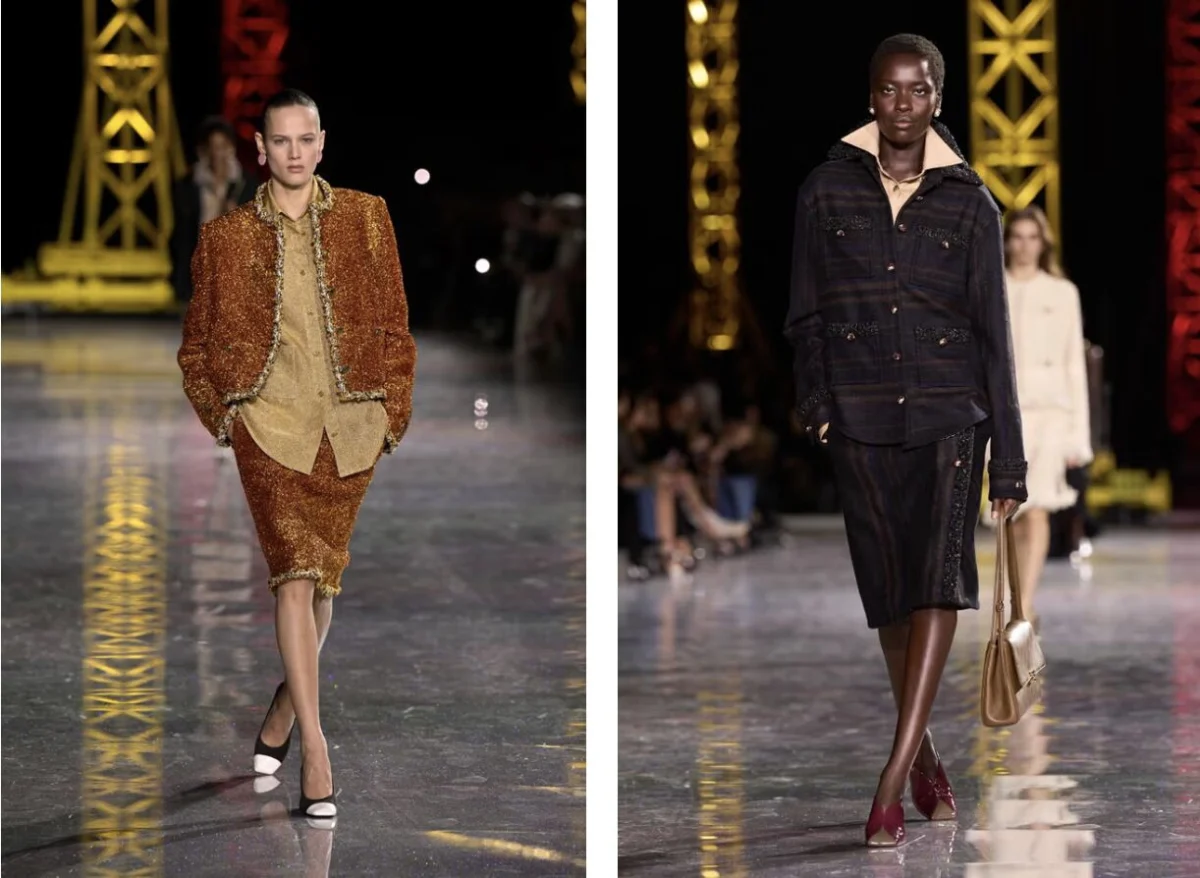
- The Accessories: A high-quality leather belt is considered essential. Luxury accessories—such as the recent, widely discussed designs from Celine—add an immediate sense of authority to the outfit.
- Footwear: Pointed-toe pumps or leather boots are the most effective way to elevate the ensemble. These choices elongate the leg and provide a stark, intentional contrast to the rugged nature of denim fabric.
Broader Implications for the Fashion Industry
The rise of the smart jean signifies a departure from the "fast fashion" cycle of micro-trends. By focusing on longevity, fit, and timeless design, the fashion industry is acknowledging that the modern consumer values durability.
Furthermore, the integration of denim into the professional sphere is forcing traditional textile manufacturers to innovate. We are seeing an increase in the production of "super-stretch" but high-recovery denim, which allows for comfort without the aesthetic sacrifice of baggy or overly casual silhouettes.
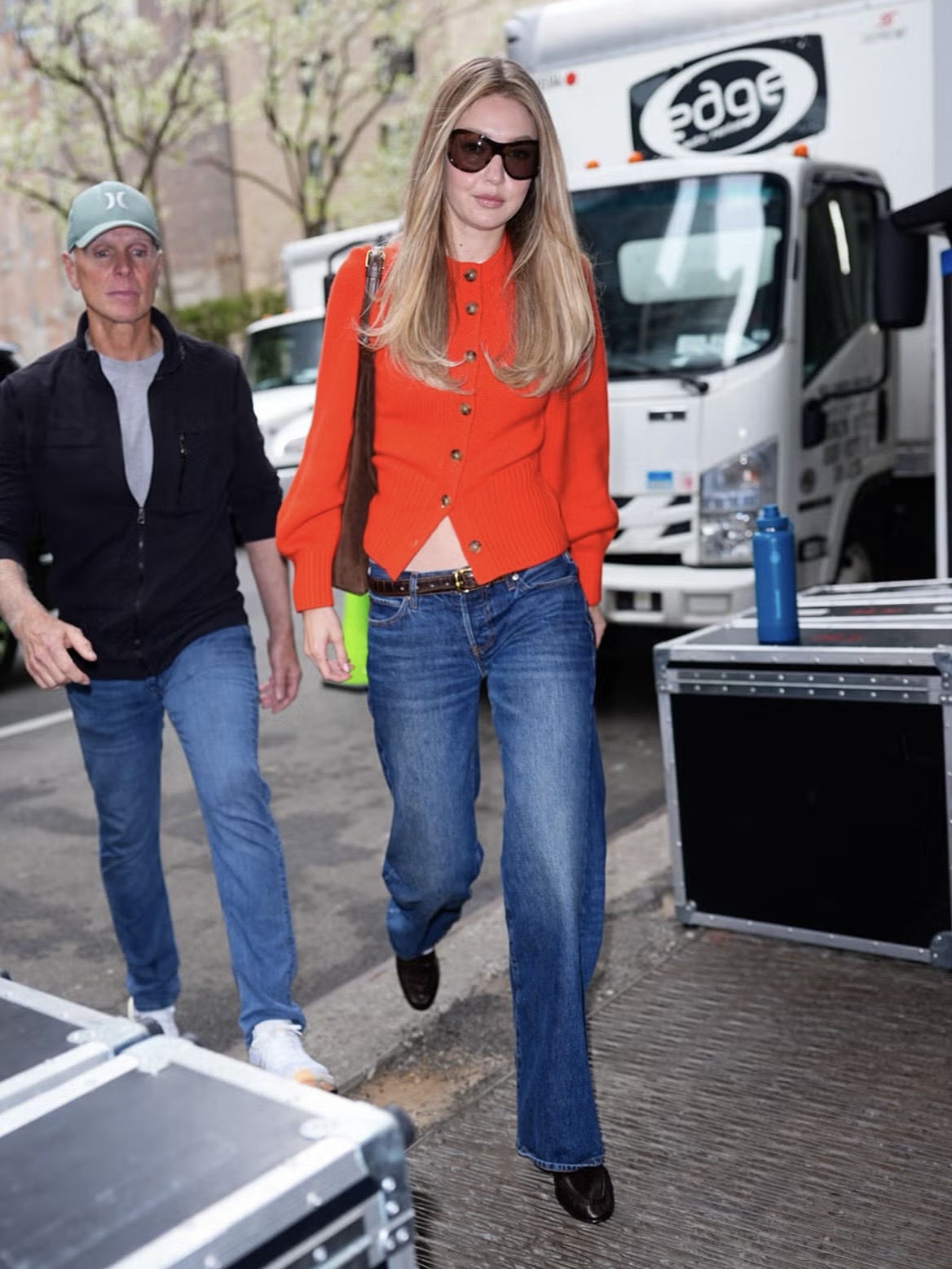
Brands such as Khaite, Frame, and Cos have recognized that the "smart" consumer is looking for investment pieces. By focusing on high-rise, slim-leg, or wide-leg options that maintain a tailored appearance, these brands are positioning themselves as leaders in the post-pandemic style landscape.
Future Outlook
As we move further into the autumn of 2026, the trajectory of this trend suggests it will not be short-lived. The comfort-first mentality established during the remote-work era has permanently altered our expectations of what a "professional" garment entails. The smart jean is the logical conclusion of this evolution: it provides the comfort of casual wear with the visual language of business attire.
While experimental trends in denim—such as extreme rips or avant-garde cuts—will always have a place in fashion, the smart jean is poised to remain a staple of the permanent collection for years to come. It represents a pragmatic solution to the demands of modern life, proving that style does not necessarily have to come at the expense of ease.
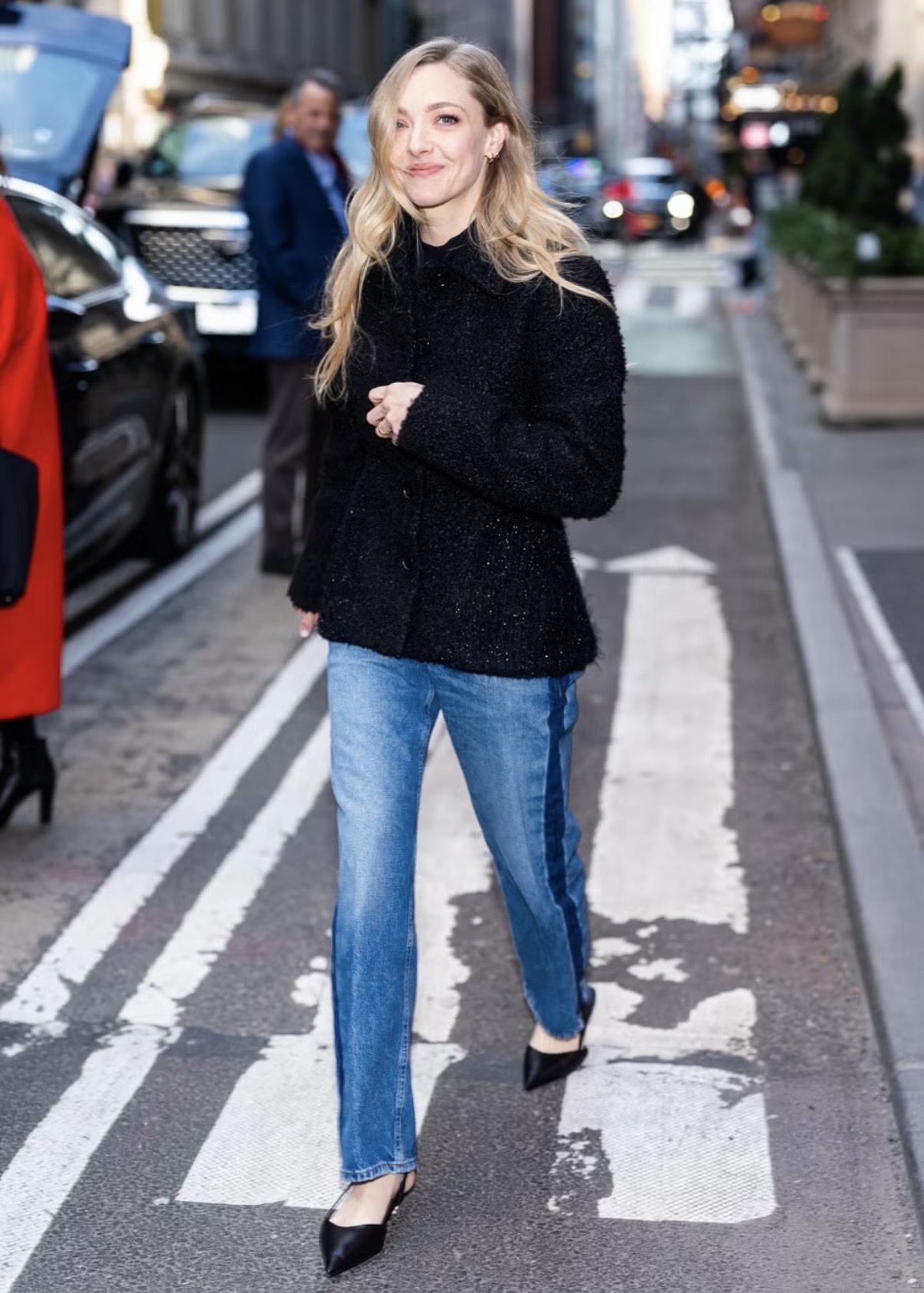
For the professional looking to update their wardrobe, the message is clear: prioritize fit, embrace darker hues, and view your denim as a foundational element of your business repertoire rather than a garment reserved for leisure. In doing so, you align with a global shift toward intentional, functional, and undeniably chic dressing that suits the complexities of the current professional environment.