Nila Kartika Wati
The launch of a 300 MW solar power plant (PLTS) in Gilimanuk, Bali, marks a significant, albeit contentious, milestone in Indonesia’s ongoing energy transition. While the government positions this massive infrastructure project as a cornerstone of its 100 GW national solar ambition, the initiative has sparked a vigorous debate regarding the island’s true commitment to decarbonization. Critics, including environmental advocacy groups and legal aid organizations, argue that without a concrete plan to decommission existing fossil fuel-based plants, the project risks becoming a token gesture rather than a genuine shift toward sustainability.
The Gilimanuk Project and the 100 GW Ambition
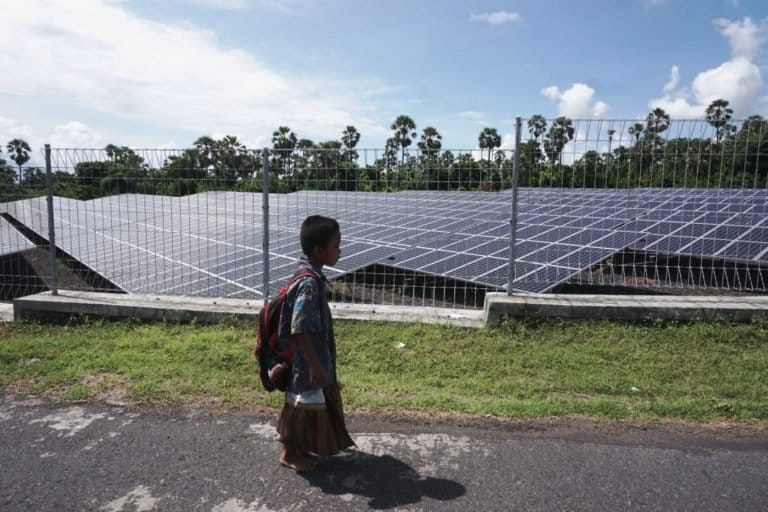
The construction of the 300 MW facility in Gilimanuk is part of a broader, high-stakes national roadmap to expand Indonesia’s solar energy capacity to 100 GW. The project, which saw the presence of President Prabowo Subianto, Coordinating Minister for Economic Affairs Airlangga Hartarto, and Minister of Energy and Mineral Resources Bahlil Lahadalia, is intended to curb the island’s dependence on imported fuel and stabilize electricity supply.
For the provincial government of Bali, the project is framed as a strategic necessity. Former Governor Wayah Koster has consistently advocated for such developments, emphasizing that renewable energy not only lowers production costs but also bolsters Bali’s global reputation as a premium, green tourism destination. However, the presence of top-tier government officials at the inauguration highlights the national strategic importance of the facility, which is designed to integrate into the wider Java-Bali grid system.
The Conflict Between Solar Ambition and Gas Expansion
Despite the celebratory tone surrounding the Gilimanuk project, environmental organizations such as Trend Asia, LBH Bali, and 350 Indonesia have issued a joint warning. They contend that the government is operating under a dual-track policy that undermines the efficacy of the energy transition. Specifically, while the government pushes for solar expansion, it is simultaneously accelerating the development of Liquefied Natural Gas (LNG) and steam power plants (PLTGU).
Data from the 2025–2034 General Electricity Supply Plan (RUPTL) indicates a complex energy landscape for Bali. The current power generation mix includes 16 diesel units (PLTD) with a total capacity of 70 MW, five gas-fired plants (PLTG/PLTMG) totaling 557 MW, and three coal-fired plants (PLTU) totaling 380 MW. According to policy analysts, this continued reliance on gas and coal ensures that the island remains vulnerable to both global commodity price volatility and the environmental degradation associated with extraction and combustion.
The Case for Decentralization: Why Rooftop Solar Matters
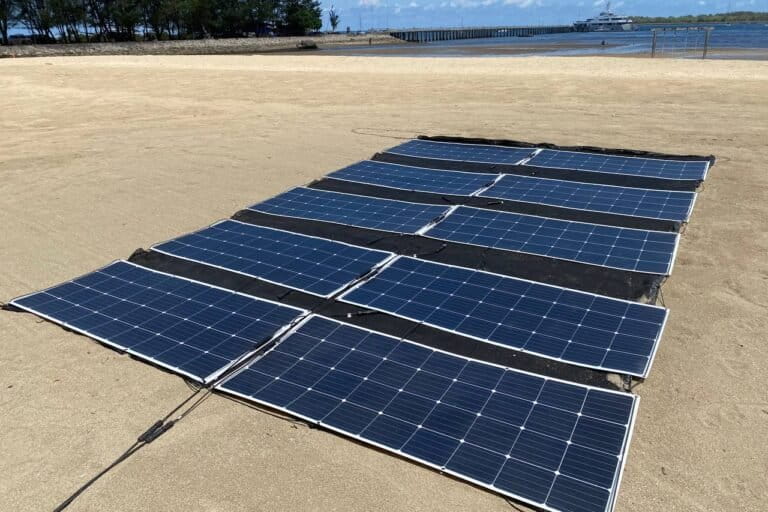
A primary point of contention is the regulatory environment surrounding small-scale energy production. Sisilia Nurmala Dewi, Country Manager for 350 Indonesia, argues that the government’s focus on utility-scale solar farms, such as the one in Gilimanuk, often overlooks the potential of decentralized energy. She emphasizes that the current regulatory framework, specifically the Ministry of Energy and Mineral Resources (ESDM) Regulation No. 2/2024, has effectively throttled the growth of rooftop solar.
The regulation introduces restrictive quotas, specific submission periods, and, most critically, the removal of net-metering mechanisms that allowed households to reduce their electricity bills by exporting excess energy back to the grid. For advocates, this creates a paradox: the government promotes solar energy but restricts the very people—households, small businesses, and community organizations—who are most willing to invest in it. Decentralized solar, they argue, provides energy security without the need for large-scale land conversion, which is a sensitive issue in a land-constrained province like Bali.
Environmental and Social Impacts on the Ground
The human cost of maintaining a fossil-fuel-heavy grid is already visible in several Balinese communities. In the vicinity of the Celukan Bawang power plant in Buleleng, residents have long documented the adverse effects of coal and gas combustion. LBH Bali, which has provided legal counsel to affected villagers, reports that the plant has caused significant degradation to local air and water quality.
According to Rezky Pratiwi, Director of LBH Bali, the operational noise from nearby plants has reached levels as high as 88 dB, far exceeding the 55 dB legal limit for residential zones. Furthermore, structural damage to homes caused by industrial vibrations has become a common grievance. In the village of Pemaron, families living near a gas-fired facility have reported respiratory issues among vulnerable populations, including children and the elderly, attributed to consistent emissions. The tension between the local population and industrial operators serves as a stark reminder that the "energy transition" is not merely a technical challenge but a social justice issue.
The Myth of Natural Gas as a Transition Fuel
A significant portion of the debate centers on the government’s reliance on gas as a "bridge" fuel. The industry often promotes gas as a cleaner alternative to coal; however, scientific consensus is increasingly challenging this narrative. Research published in 2025 by the Center of Economic and Law Studies (CELIOS) and Greenpeace Indonesia, titled Why Reliance on Gas Hinders the Clean Energy Transition, highlights the severe risks associated with methane emissions.
Methane, the primary component of natural gas, is a potent greenhouse gas. While it may burn cleaner than coal in terms of CO2 emissions, its capacity to trap heat in the atmosphere over a 20-year period is estimated to be over 80 times greater than that of carbon dioxide. The report notes that the entire supply chain—from extraction and processing to transport and consumption—is rife with "fugitive" methane leaks. Consequently, the transition from coal to gas is viewed by many climate scientists not as a bridge to a carbon-neutral future, but as a path that locks the nation into decades of continued fossil fuel reliance, effectively delaying the target of Net Zero Emission (NZE) by 2060.
Moving Forward: A Need for a Comprehensive Roadmap
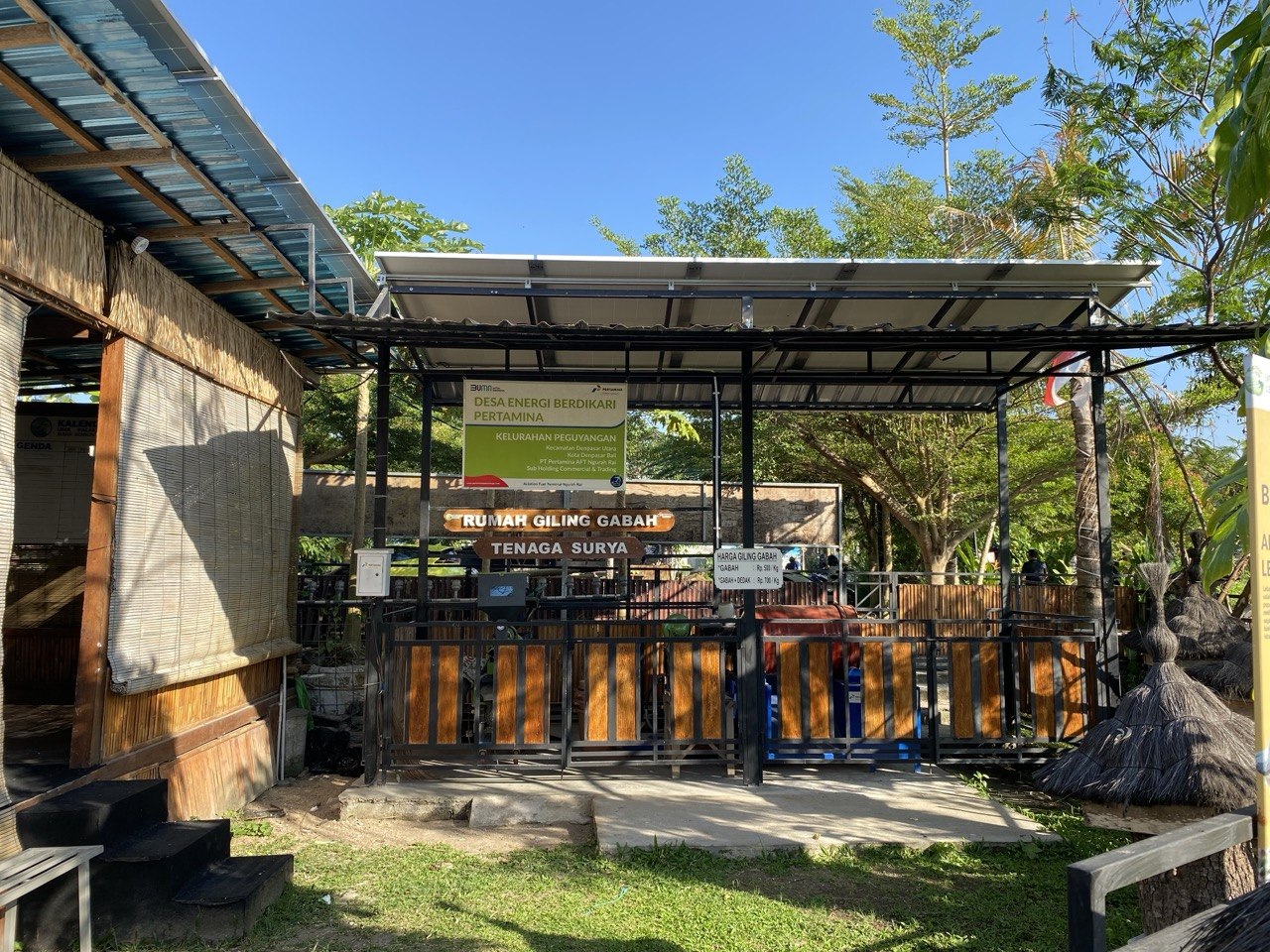
For the transition to be legitimate, experts argue that the government must move beyond simply adding renewable capacity to the grid. A truly effective strategy requires a clear, time-bound roadmap for the retirement of older, inefficient, and polluting fossil fuel plants.
The integration of advanced energy storage systems, specifically grid-scale batteries, is essential to manage the intermittency of solar power. Furthermore, the reinforcement of the electricity grid is required to handle more diverse energy inputs. Novita Indri of Trend Asia emphasizes that "transition" must involve the physical replacement of fossil generation, not just an addition of renewables alongside it. If the expansion of solar is offset by the continued or increased operation of gas and coal plants, the net environmental gain remains negligible.
Conclusion
The 300 MW solar plant in Gilimanuk is a welcome development for those who see a future for Bali beyond fossil fuels. However, it exists in a political and economic ecosystem that remains deeply tethered to traditional energy models. Whether this project acts as a catalyst for a systemic change or remains an isolated project in a broader fossil-fuel-dependent landscape will depend on the government’s willingness to reform current regulations.
If the goal is to honor the spirit of local regulations—such as the Bali Provincial Regulation No. 45/2019 regarding clean energy—the path forward must include the liberalization of rooftop solar policies, the cessation of new gas-fired power infrastructure, and a transparent plan to phase out the existing, polluting facilities that continue to impact the lives of local residents. As Bali stands at this crossroads, the decisions made in the coming years will not only determine the island’s energy future but will also serve as a barometer for Indonesia’s broader climate ambitions on the global stage.