Nila Kartika Wati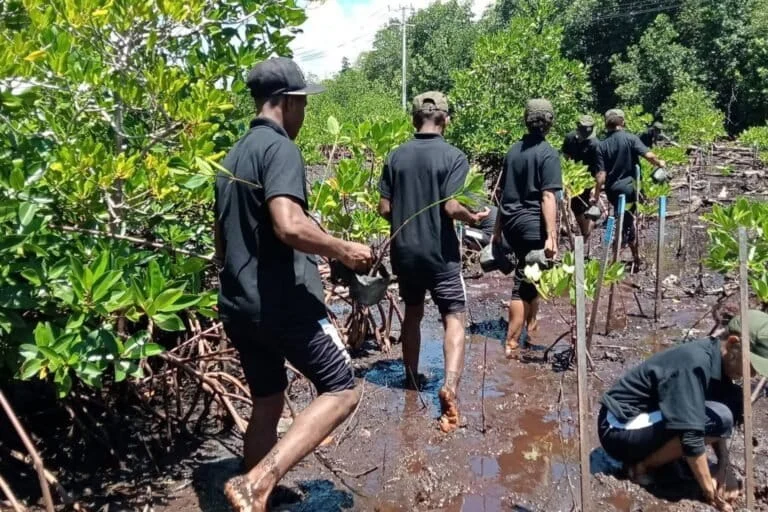
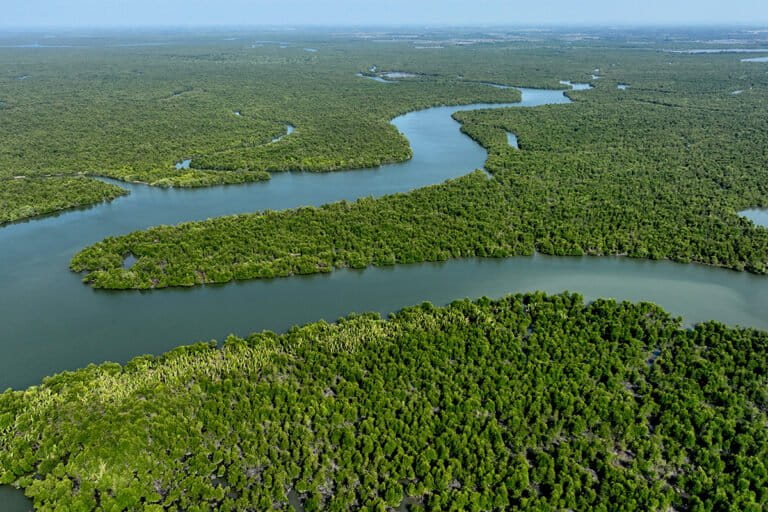
Indonesia is once again accelerating its long-stalled initiative to establish the World Mangrove Center (WMC), a global collaborative hub designed to synchronize international efforts in the conservation, restoration, and sustainable management of mangrove ecosystems. With Indonesia holding approximately 3.4 million hectares of mangroves—nearly 25 percent of the global total—the nation is positioning itself as the epicenter for planetary coastal resilience. The push to formalize the WMC comes at a critical juncture where climate change, rising sea levels, and industrial pressures threaten the very existence of these vital blue carbon sinks.
The vision for the WMC, which has been under development in various iterations since 2017, is not intended to create a traditional, brick-and-mortar bureaucratic institution. Instead, stakeholders envision a dynamic "hub-and-node" network that connects scientists, policymakers, local communities, and private investors. By leveraging Indonesia’s unmatched geographical advantage, the WMC aims to standardize best practices for mangrove restoration, provide verified data for carbon credit markets, and foster cross-border knowledge transfer.
A Chronology of Diplomatic Persistence
The journey toward the WMC began in earnest in 2017, following a series of regional mangrove conferences in Bali. Recognizing that the destruction of mangrove forests was a transboundary issue, Indonesia’s diplomatic corps, led by figures such as Putera Parthama and veteran diplomat Makarim Wibisono, spearheaded an initiative to bring the issue to the United Nations.
The strategic effort culminated at the fourth session of the United Nations Environment Assembly (UNEA-4) in Nairobi, Kenya, in 2019. The resulting Resolution 12/2019 provided the formal international framework for the protection of mangrove ecosystems. This resolution established eight core principles for member states, emphasizing the necessity of integrated management. However, despite the diplomatic success in Nairobi, the actual implementation of the WMC faced significant administrative and logistical hurdles. Initial plans to house the center at a former mangrove facility in Bali were met with delays, and subsequent discussions regarding a potential move to Balikpapan further stalled progress. Now, with the Ministry of Environment and Forestry having signaled a formal push for the initiative in 2024, the project is finally emerging from its years-long hiatus.
The Triple Dimension of Mangrove Management
Dyan Murtiningsih, Director General of the Directorate General of Watershed Management and Forest Rehabilitation (Ditjen PDASRH) at the Ministry of Forestry, emphasizes that mangroves serve a tripartite purpose that extends far beyond mere aesthetic or forestry concerns.
First, the ecological dimension is paramount: mangroves function as the primary guardians of biodiversity, acting as nurseries for marine life and preventing coastal erosion. Second, the socio-economic dimension is the foundation of community resilience. Millions of people living along Indonesia’s vast coastline depend on mangroves for their daily livelihoods, ranging from sustainable fisheries to eco-tourism. Finally, the global dimension—mitigation and adaptation to climate change—has elevated the mangrove to a strategic national asset. As a potent carbon sink, the preservation of these forests is central to Indonesia’s Nationally Determined Contributions (NDC) under the Paris Agreement.
Despite this recognized value, the threats are mounting. Data from the Indonesian Panel Wood Association (Apkindo) indicates that approximately 700,000 hectares of the nation’s mangroves are currently in a state of degradation. Factors such as land-use conversion for aquaculture, industrial pollution, and the uneven institutional capacity of regional governments to monitor these areas present a complex landscape that no single ministry can navigate alone.
Financial Sustainability and the Blended Finance Model
A primary concern for the architects of the WMC is ensuring that the center does not become a financial burden on the state. Agus Justianto, an expert in forestry and natural resource economics, argues that the WMC must adopt a "blended finance" model to ensure its long-term viability. This approach integrates public funding, private sector investment, and international grants into a cohesive financial ecosystem.
By connecting large-scale restoration projects to the global carbon market through a robust, internationally recognized Measurement, Reporting, and Verification (MRV) platform, the WMC could generate self-sustaining revenue streams. This is further complemented by "result-based payment" (RBP) schemes, which align with the UNFCCC’s REDD+ mechanisms. Recent precedents, such as the $206 million partnership with Norway for forest protection, demonstrate the potential for international cooperation to unlock significant capital for environmental restoration.
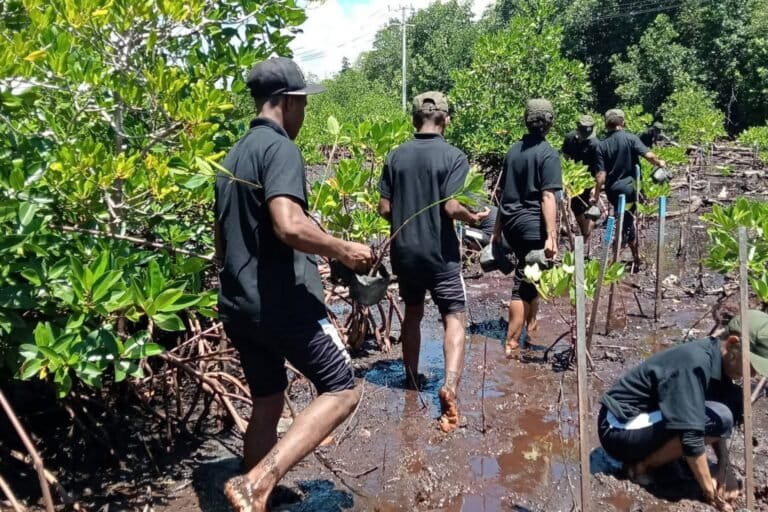
The German development bank KfW has already signaled its willingness to provide initial funding to support the WMC’s first two years of operations. This "seed" period is intended to allow the center to finalize its governance structure, build its digital network, and establish the credibility required to attract long-term, independent funding.
Governance and the NGO-Government Hybrid
In terms of organizational structure, proponents of the WMC are favoring a hybrid model. The goal is to establish an entity that functions effectively as a non-governmental organization (NGO) but maintains a formal association with the government. This "pelat merah" (government-backed) NGO model is intended to provide the stability and legal backing of state support while retaining the agility and inclusivity required to engage researchers, global private sector partners, and grassroots organizations.
This "hub-and-node" approach is designed to minimize administrative overhead while maximizing reach. Rather than competing with existing research bodies, the WMC will act as a central clearinghouse for data, best practices, and technological exchange. The center’s mandate includes setting international standards for blue carbon accounting—a critical step in creating a global marketplace where mangrove restoration is accurately valued and incentivized.
Global Competition and the Urgency of Action
Indonesia’s leadership in this space is not uncontested. The rise of the International Mangrove Center (IMC), backed by substantial Chinese investment and diplomatic outreach, highlights the urgency of the WMC’s mission. Nyoto Santoso, an academic from IPB University with experience in the ASEAN Mangrove Network (AMNET), warns that if Indonesia fails to act decisively, it risks losing its competitive advantage in leading the global mangrove agenda.
"We have seen this pattern before," says Putera Parthama. "Indonesia often invests heavily in the early stages of an international initiative, only to see its influence wane because of a lack of domestic follow-through." To avoid this, experts stress that the WMC must avoid the bureaucratic stagnation that has plagued similar environmental initiatives in the past.
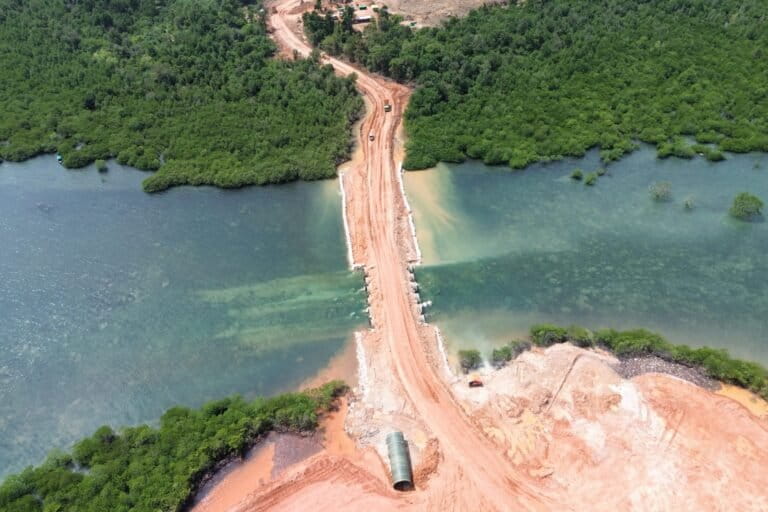
The pressure to succeed is compounded by the shifting nature of domestic politics. Every change in administration brings the potential for shifts in policy priority, which can threaten long-term environmental targets. A consistent, non-partisan, and transparent governing framework for the WMC is viewed by stakeholders as the only way to insulate the project from political volatility.
Implications for Global Climate Policy
The potential success of the World Mangrove Center extends well beyond Indonesia’s borders. If the WMC succeeds in creating a global standard for mangrove restoration and carbon credit valuation, it could fundamentally alter the economics of coastal conservation worldwide.
The integration of local knowledge with high-tech monitoring—such as satellite imagery and drone-assisted assessments—will provide developing nations with the tools they need to protect their own coastlines. Furthermore, by formalizing the role of coastal communities, the WMC could serve as a model for "inclusive conservation," proving that climate action can go hand-in-hand with poverty reduction and local economic development.
As the international community grapples with the accelerating impacts of climate change, the restoration of blue carbon ecosystems like mangroves has shifted from a peripheral environmental issue to a core pillar of global climate security. Indonesia, with its vast, complex, and vital mangrove forests, has the opportunity to lead this transition. However, the path forward requires more than just biological potential; it demands a sustained commitment to diplomatic, financial, and administrative excellence. The next two years will be decisive in determining whether the World Mangrove Center becomes the transformative global institution it was envisioned to be, or whether it remains a missed opportunity on the international stage.