Azin Asro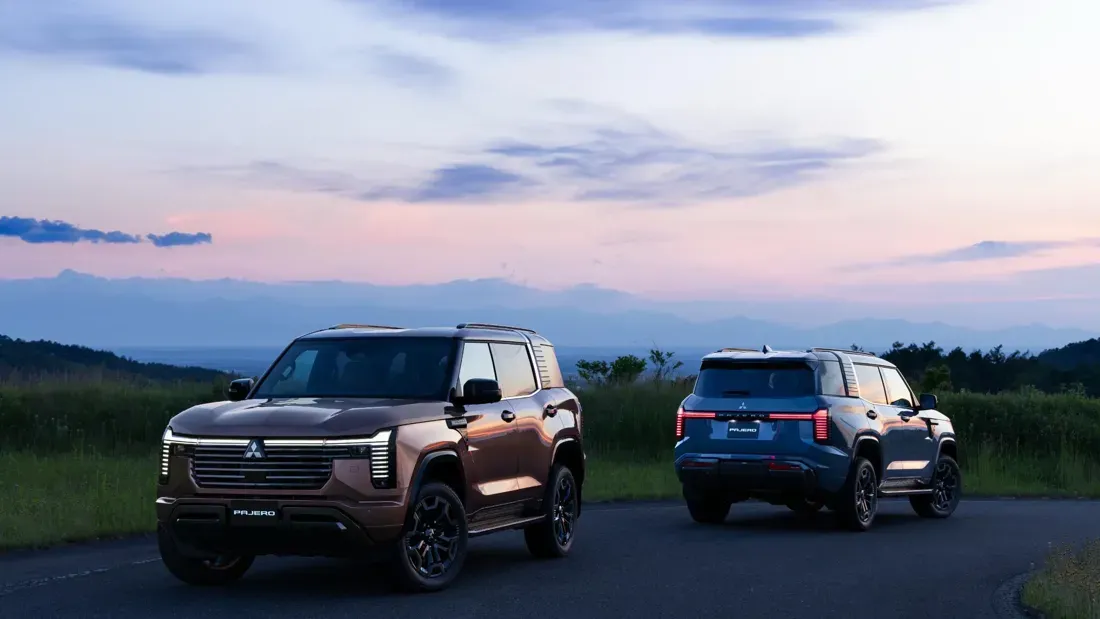
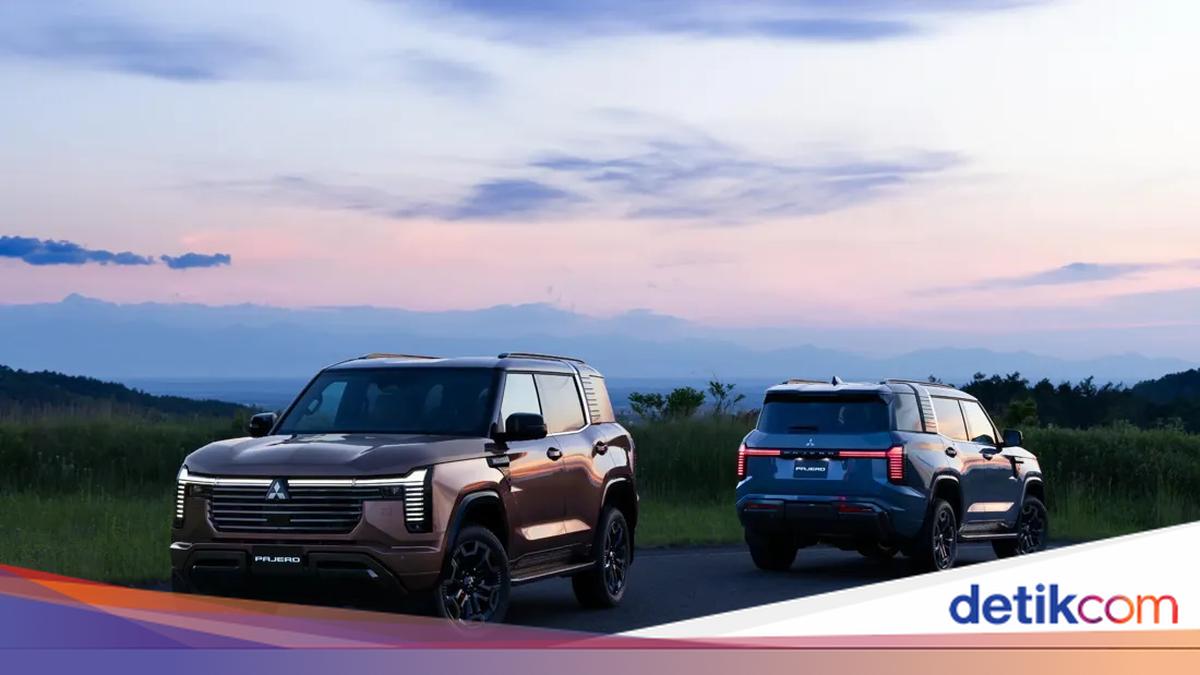
The global automotive landscape has witnessed a momentous revival with Mitsubishi Motors Corporation officially bringing back its iconic flagship Sport Utility Vehicle, the Mitsubishi Pajero. After ending production of its previous iteration in 2021, the Japanese automaker has resurrected the prestigious nameplate with a comprehensive, next-generation overhaul. This global relaunch has naturally sparked widespread curiosity and anticipation among automotive enthusiasts, particularly in key strategic markets such as Indonesia, where the Pajero nomenclature carries a profound legacy.
In response to the global debut, PT Mitsubishi Motors Krama Yudha Sales Indonesia (MMKSI)—the sole distributor of passenger and light commercial vehicles from Mitsubishi Motors in the country—has issued an official statement regarding the potential introduction of the newly reborn flagship SUV to local consumers. While the excitement surrounding the vehicle’s return is palpable, MMKSI maintains a measured and strategic approach, emphasizing the distinct positioning between the newly unveiled flagship model and the immensely popular, locally distributed Mitsubishi Pajero Sport.
Understanding the Distinction: Flagship SUV Versus Medium SUV
To fully comprehend the business and product strategy of Mitsubishi Motors, industry analysts and consumers must first recognize the fundamental differences between the newly resurrected Mitsubishi Pajero and the existing Pajero Sport. Although they share a legendary familial heritage and robust off-road DNA, both vehicles operate in completely different segments, cater to distinct consumer demographics, and serve separate market purposes.
The newly launched Mitsubishi Pajero is a true full-size Big SUV that sits comfortably at the absolute apex of the brand’s vehicle hierarchy as its undisputed flagship. It is engineered to embody the pinnacle of Mitsubishi’s engineering prowess, luxury amenities, and advanced technological integration. Conversely, the Mitsubishi Pajero Sport occupies the fiercely competitive Medium SUV segment. Built upon a ladder-frame chassis shared with the Triton pickup truck, the Pajero Sport is tailored for consumers seeking a versatile, rugged, and family-oriented adventure vehicle that balances daily drivability with off-road capability.
Because of this clear segmentation, the global leadership of Mitsubishi Motors has confirmed that the resurrection of the flagship Pajero will not spell the end for the Pajero Sport. Speaking to international media outlets in Australia and Thailand, Chief Product Specialist at Mitsubishi Motors, Kunitoshi Itagaki, clarified the company’s multi-tiered product strategy. Itagaki emphasized that the Pajero Sport will remain a core model in the brand’s global lineup.
"We will continue to maintain the Pajero Sport in the market. This (latest) Pajero is a very different model as our flagship. It is also a different model from the Pajero Sport," Itagaki stated. He further noted that market-specific strategies will dictate the availability of each vehicle, but the foundational corporate plan firmly retains the Pajero Sport across its established territories.
The Chronology of an Icon: From Rally Legend to Modern Flagship
The return of the Pajero nameplate marks a significant milestone in automotive history, closing a five-year hiatus that began when production of the fourth-generation model ceased in 2021. The history of the Pajero is deeply intertwined with grueling motorsport endurance, most notably the legendary Dakar Rally.
Introduced decades ago, the Mitsubishi Pajero quickly transcended its status as a utilitarian four-wheel-drive vehicle to become a global symbol of durability and off-road dominance. Its crowning achievement lies within the unforgiving terrains of the Dakar Rally, where the Pajero secured an astonishing 12 championship titles, making it one of the most successful and decorated vehicles in the history of motorsport endurance racing. This motorsport pedigree formed the bedrock of the "Pajero" identity, translating race-bred toughness into consumer-ready machinery.
Over the course of its production lifecycle, the vehicle earned a reputation for conquering the most challenging geographical landscapes on earth. To cater to various international markets and regulatory environments, the vehicle was marketed under alternative names, most notably as the Mitsubishi Montero in North and South America (and parts of Europe) and as the Mitsubishi Shogun in the United Kingdom. Similarly, its smaller sibling, the Pajero Sport, has been known globally by alternative monikers including the Challenger, Montero Sport, and Shogun Sport.
When Mitsubishi Motors decided to sunset the previous-generation flagship Pajero in 2021 due to shifting global emission regulations, tightening safety standards, and changing corporate priorities, automotive purists mourned the loss of a legend. The subsequent five-year vacuum allowed the company to re-engineer the vehicle from the ground up, utilizing cutting-edge automotive technologies, modernized platform architectures, and electrified powertrains to meet contemporary environmental and performance demands.
MMKSI Perspective: Current Stance and Future Outlook in Indonesia
In Indonesia, the relationship with the Pajero nameplate is overwhelmingly anchored by the Pajero Sport. Since its introduction to the archipelago, the Pajero Sport has cultivated a fiercely loyal customer base, establishing itself as a dominant force in the medium ladder-frame SUV category. It competes fiercely against other heavyweights in the Indonesian market, consistently recording strong sales figures and retaining high resale value.
Addressing the arrival of the redesigned global flagship, Director of Sales & Marketing Division of PT MMKSI, Irwan Kuncoro, expressed enthusiasm for the positive reception the vehicle has garnered internationally. However, he was quick to contextualize the local business strategy, reiterating that MMKSI’s immediate focus remains firmly on the established product lineup.
"As part of the legacy of Mitsubishi Motors SUVs, the All-New Pajero and Pajero Sport both carry a strong DNA and tradition, but both come with different characters, positioning, and intended uses to answer the diverse needs of customers," Irwan explained in an official statement.
When questioned about the potential introduction of the newly reborn flagship into the Indonesian domestic market, Irwan offered a balanced and calculated perspective. He acknowledged that the vehicle is actively under review as part of the company’s long-term product planning, but explicitly stated that no immediate launch is scheduled for the current fiscal year.
"In Indonesia, the Pajero Sport has earned strong trust from customers and will continue to be one of the mainstay models of Mitsubishi Motors. Meanwhile, the All-New Pajero which was recently introduced globally is currently one of the models we are considering to complement the Mitsubishi Motors product lineup in the future. However, to date, there are no plans to present the All-New Pajero in the running fiscal year. If there are further developments regarding our product plans, we will convey them through official Mitsubishi Motors communication channels," Irwan elaborated.
This measured approach highlights MMKSI’s pragmatic market strategy. Introducing a full-size flagship SUV involves complex evaluations, including import tariffs, luxury tax structures in Indonesia, localized homologation processes, and accurate demand forecasting for the ultra-premium segment. By keeping the Pajero Sport as its primary volume driver in the upper-mid tier, MMKSI ensures steady business operations while evaluating the commercial viability of importing or assembling the new flagship tier.
Broader Industry Implications and Market Analysis
The dual-track strategy pursued by Mitsubishi Motors—simultaneously reviving a ultra-premium flagship while protecting and continuing the mass-market mid-size SUV—reflects a broader trend within the global automotive sector. Legacy automakers are increasingly leveraging their historical heritage names to capture consumer nostalgia while adapting to modern technological shifts.
For the Indonesian automotive market, the continued dominance of the Pajero Sport underscores consumer preference for robust, diesel-powered or versatile ladder-frame SUVs that can handle the country’s diverse infrastructure conditions. The vehicle’s styling, towing capacity, and road presence have made it a favorite among both corporate executives and family buyers.
At the same time, the potential future arrival of the All-New Pajero flagship would serve as a halo product for the brand in Indonesia. Halo cars—even those with lower sales volumes due to their high price points—play a crucial role in elevating brand equity, showcasing cutting-edge safety and luxury innovations, and drawing foot traffic into dealership showrooms.
As the global automotive industry transitions through electrification and digitalization, the reinvention of the Pajero proves that traditional off-road heritage still holds immense emotional and commercial value. Whether Indonesian consumers will eventually get to experience the new flagship on local tarmac remains a question for future fiscal years, but MMKSI’s careful evaluation signals that the possibility remains very much alive on the corporate horizon.