Nila Kartika Wati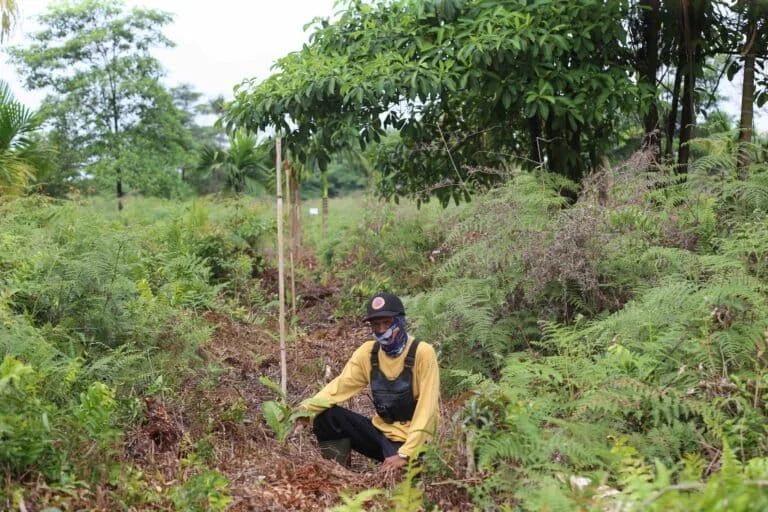
The haze that blanketed the Desa Persiapan Air Merah in the Sungai Gelam district of Muaro Jambi this August was not merely a seasonal nuisance; it was a symptom of a systemic ecological crisis. For local farmers like Tahang, the cycle of smoke and fire has become an agonizingly familiar burden. What began as a routine day of transporting pineapples across the undulating, dust-choked peat roads turned into a frantic battle against an encroaching inferno. As the dry peatlands—depleted of their natural moisture—succumbed to the heat, the landscape transformed into a powder keg, highlighting the fragility of Indonesia’s critical carbon-rich ecosystems.
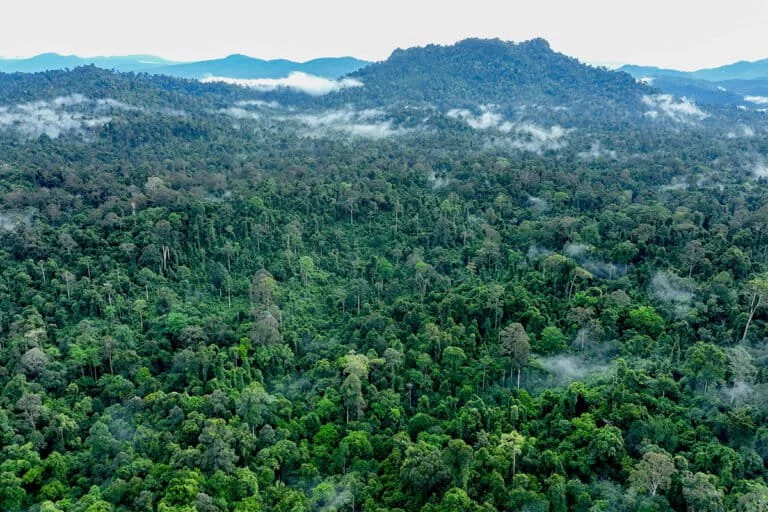
The fire that broke out in August 2026, which ultimately consumed over 130 hectares in its initial burst, serves as a grim case study of the vulnerabilities inherent in the Hutan Kemasyarakatan (HKm) Air Merah. Spanning 1,764 hectares, this area, managed by the Koperasi Multi Usaha Mandiri, sits atop deep peat layers that have been historically degraded by past logging concessions and the subsequent expansion of oil palm plantations.
A Chronology of Crisis
The escalation of the August 2026 incident was rapid and illustrative of the dangers posed by dry peat. Initially observed as a faint wisp of smoke near the community forest, the blaze defied early containment efforts. By mid-afternoon, the fire had breached the surface, with witnesses reporting an explosive sound as the subterranean peat ignited.
The response was immediate but hampered by the reality of the landscape: the canals, intended to manage water levels, had run dry due to the prolonged drought. Tahang and fellow community members worked from 5:00 PM until 2:00 AM, battling the flames with whatever water they could salvage. Despite the intervention of Manggala Agni (the Indonesian forest fire brigade) and local disaster management agencies (BPBD), the fire surged across three irrigation ditches, expanding over a kilometer from its point of origin. It would take ten grueling days and the deployment of three water-bombing helicopters to finally suppress the fire.
This event was not an isolated incident. Records indicate that Muaro Jambi, alongside districts such as Tanjung Jabung Timur, Tanjung Jabung Barat, Sarolangun, Tebo, and Batang Hari, has faced a surge in fire hotspots. By September 3, 2026, KKI Warsi reported that the total area burned in Jambi had reached 10,000 hectares—a staggering figure that doubled within a single week.
The Science of Peatland Degradation
The recurring nature of these fires is a subject of intense concern for experts like Sri Wilarso Budi, a Professor of Silviculture at IPB University. According to Wilarso, the degradation of peatlands is the primary driver of these disasters. Healthy peatlands act as natural sponges; their dense vegetation canopy protects the soil from direct sunlight, while organic matter creates porous structures that retain moisture.
However, when these landscapes are drained by canal networks and stripped of their natural cover, the hydrological cycle is shattered. During the "Godzilla" El-Nino conditions experienced in 2026, the lack of canopy cover allowed surface temperatures to spike, evaporating the remaining moisture in the soil. Wilarso notes that the lack of anticipation is a recurring failure. "We must move away from reactive fire-fighting," he explains. "Once the fire is large, the battle is already lost. We need a landscape-level management approach rather than treating concessions as isolated, protected plots."
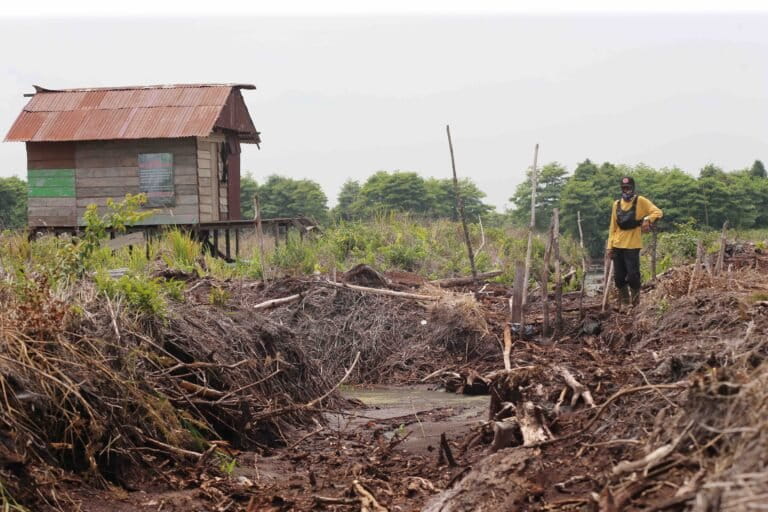
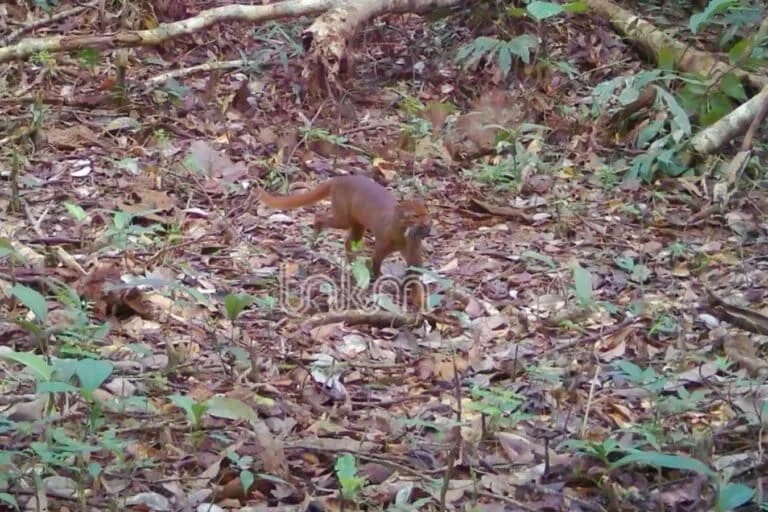
Asmadi Sa’ad, a lecturer in soil science at the University of Jambi and Chair of the Center for Land Reclamation, adds that the damage is often irreversible on a human timescale. The rate of peat accumulation is agonizingly slow—approximately 0.1 to 2 millimeters per year. Restoring 10 centimeters of lost peat could take centuries. Furthermore, the loss of biodiversity, including habitats for the endangered Sumatran tiger (Panthera tigris sumatrae) and sambar deer (Rusa unicolor), represents an ecological deficit that may never be fully repaid.
Technological Intervention: The Rise of DIY Early Warning
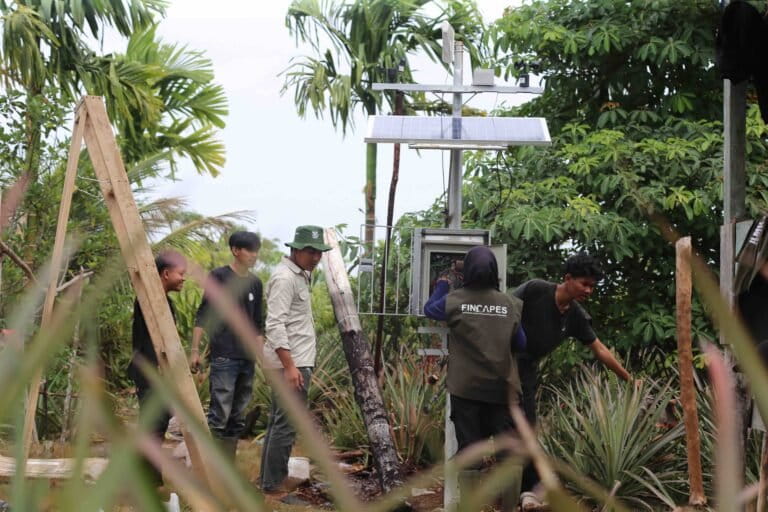
In a pivot toward proactive mitigation, a collaborative project supported by Fincapes—a partnership between the University of Waterloo and various Canadian and Indonesian stakeholders—has introduced a low-cost, high-impact solution: DIY Early Warning Systems (EWS).
Installed in late August 2026, these systems are designed to monitor the "vitals" of the peatland in real-time. By utilizing sensors that measure groundwater levels, soil moisture, ambient temperature, humidity, and even smoke density, the system provides an automated alert before conditions reach the threshold of combustion.
"We believe in localized, community-led solutions," says Mawardi Muhammad, Program Officer for Flood Risk at Fincapes. "The equipment is cost-effective, easy to maintain, and can be assembled using off-the-shelf components. By streaming this data to the cloud, community members can monitor their land from their phones or through local sirens."
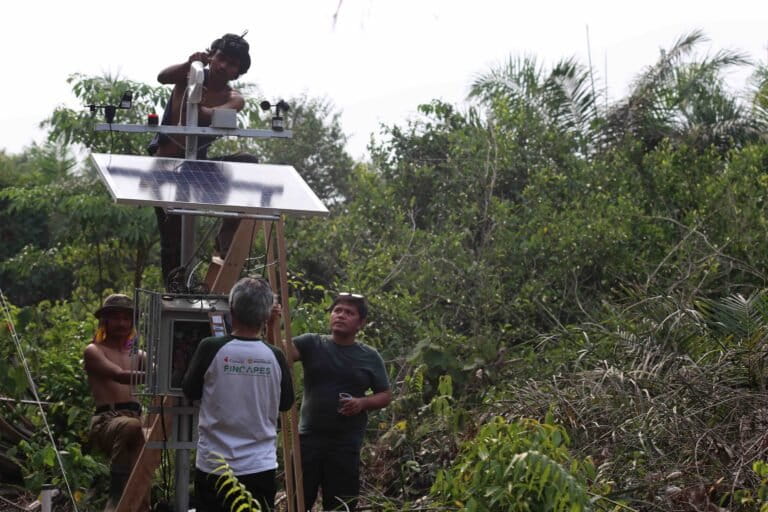
The goal is to provide a "golden window" of opportunity. If the sensor detects that the water table has dropped below a critical depth—often cited as 1.5 to 2 meters—local teams can initiate re-wetting efforts or block canals before the peat becomes dry enough to ignite.
Restoring the Landscape: A Socio-Ecological Approach
The recovery of Sungai Gelam requires more than just technology; it requires a fundamental shift in how the land is utilized. Mindawati Azmi, Program Officer for Nature-based Solutions at Fincapes, emphasizes that ecological restoration cannot succeed if it ignores the economic realities of the people living there.
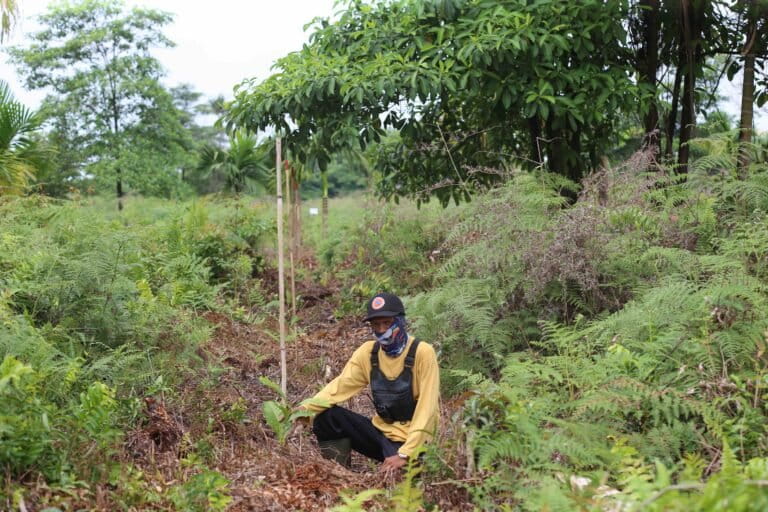
The current strategy involves a multi-purpose approach. Through a partnership with I-CAN (a research center at IPB University), efforts are underway to integrate native species into existing agricultural plots. By intercropping commodities like pineapples and liberica coffee with native peat-swamp trees such as Jelutung (Dyera costulata), Balangeran (Shorea balangeran), and Pulai (Alstonia scholaris), the project aims to create a "living barrier."
"Agroforestry offers a pathway to restore the canopy and improve soil health while maintaining the livelihoods of the farmers," Azmi explains. The project targets 47 hectares for initial restoration, with a total of 80,000 seedlings to be planted. The long-term vision, projected for 2028, is to establish the Sungai Gelam landscape as a functional, science-based model for community-led peatland restoration.
Implications and Future Outlook
The 2026 Jambi fires serve as a reminder of the volatile intersection between climate change, land-use policy, and local survival. With Jambi hosting 14 distinct Hydrological Peat Units (KHG) covering over 600,000 hectares, the management of these areas is of global importance for carbon sequestration and climate regulation.
The failure to maintain consistent water levels through timely canal blocking remains a significant hurdle. Experts agree that sekat kanal (canal blocks) must be installed as a preventative measure during the wet season, rather than an emergency measure during the drought. The current shift toward data-driven monitoring and community-integrated restoration marks a departure from the failed strategies of the past.
For farmers like Tahang, the new sensor arrays installed in the HKm Air Merah represent more than just hardware; they represent a tool for agency. After years of relying on intuition and manual patrols, the ability to see the "invisible" danger of drying peat provides a sense of security. As the community continues to refine these methods, the hope is that the smoke-filled horizons of the past will gradually give way to a more stable, resilient landscape.
The challenge remains vast, but by combining indigenous knowledge of the land with modern sensor technology and sustainable agroforestry, the people of Sungai Gelam are forging a blueprint for the future. The success of this model, however, will depend on long-term government support, the scaling of monitoring systems across all high-risk districts, and an unwavering commitment to treating peatlands as the vital, interconnected living systems that they are.