Nila Kartika Wati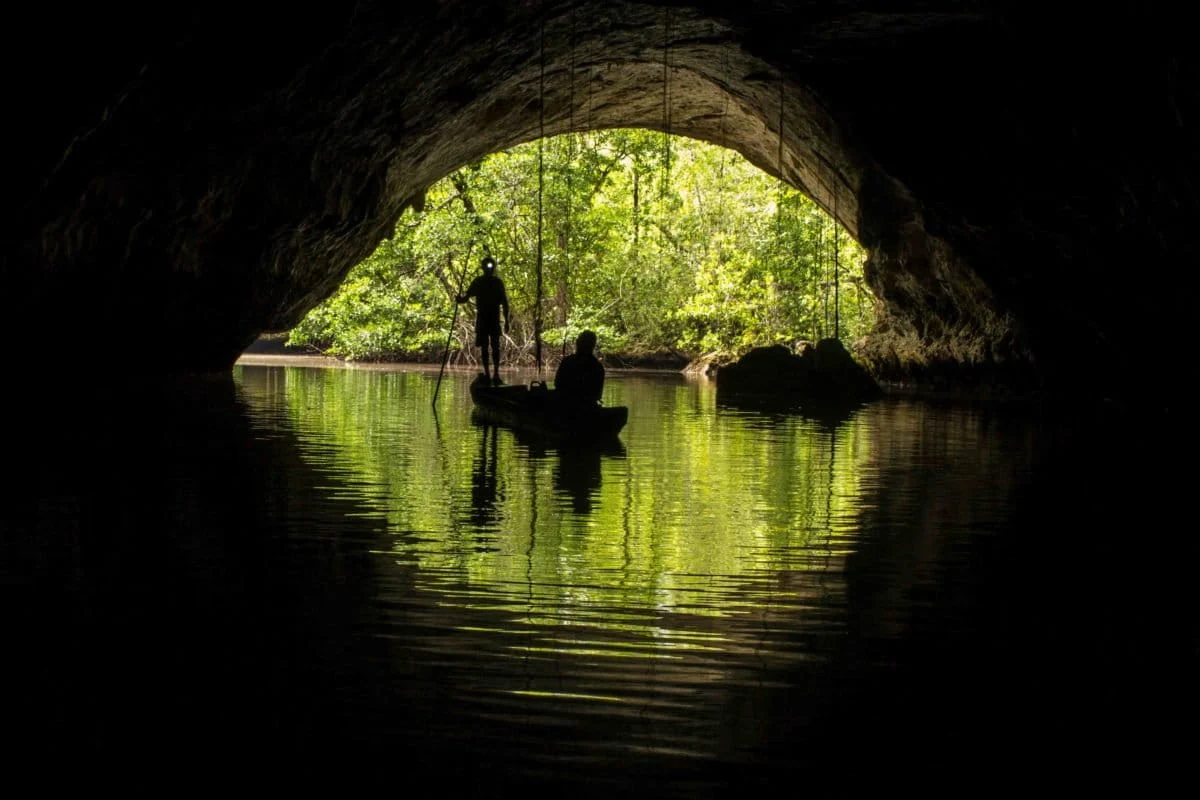
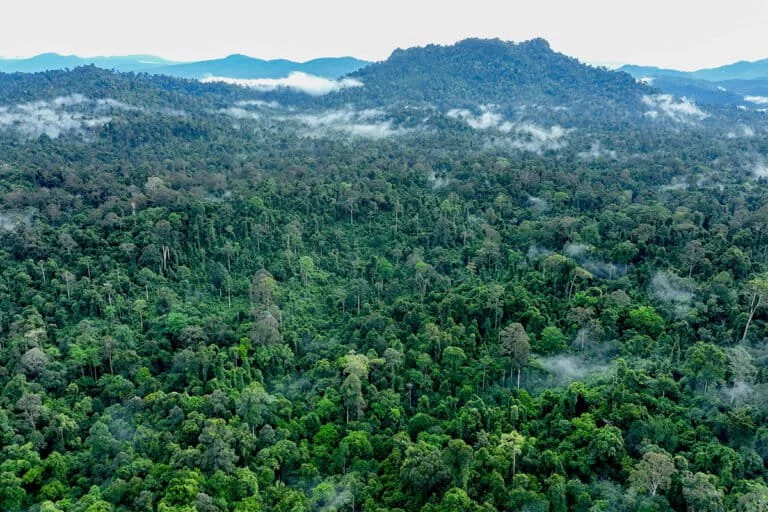
The silent, darkened chambers of the world’s karst landscapes serve as the planet’s most enduring archives, holding within their limestone walls the intricate history of Earth’s geological evolution and the earliest chapters of human civilization. Karst topography, characterized by the dissolution of soluble rocks like limestone, dolomite, and gypsum, creates a landscape of dramatic sinkholes, sinking streams, caves, and complex underground drainage systems. These formations are not merely geological curiosities; they are vital, living ecosystems that harbor highly specialized fauna, provide critical water resources for millions, and preserve priceless archaeological evidence of our ancestors. However, as industrial demand for raw materials and land expansion grows, these fragile environments face unprecedented threats from extractive mining and unchecked land conversion, rendering the protection of karst ecosystems an urgent global imperative.
The Geological and Biological Significance of Karst
Karst landscapes occupy approximately 15 percent of the Earth’s land surface and provide drinking water for nearly 25 percent of the global population. The unique hydrology of these regions—where water flows through conduits and fissures rather than over surface streams—allows for rapid filtration but makes the system exceptionally vulnerable to surface pollution.
Beyond their hydrological role, caves act as evolutionary laboratories. The creatures found within, known as troglobites, have undergone extreme physiological adaptations to survive in total darkness and resource-scarce environments. Many of these species are endemic, meaning they exist nowhere else on Earth. The destruction of a single cave system can lead to the silent extinction of species that have evolved over millions of years, representing an irreparable loss to global biodiversity.
A Repository of Human History
The historical significance of karst cannot be overstated. Because caves offer natural protection from the elements, they have served as shelters for hominids for millennia. These subterranean spaces contain some of the world’s oldest known cave paintings, sophisticated stone tools, and burial sites that provide a chronological map of human migration and cultural development.
In Indonesia, for example, the Maros-Pangkep karst area has gained international attention for housing prehistoric rock art that dates back at least 45,500 years. These depictions of animals and human hand stencils are among the oldest known figurative artworks in the world. When mining operations destroy these limestone hills, they are not merely removing industrial material; they are erasing the tangible evidence of human creative expression that predates recorded history.
The Chronology of Conflict: Mining vs. Conservation
The tension between industrial development and environmental preservation has reached a critical juncture over the last decade. The timeline of this conflict is marked by a recurring pattern:
- 1990s–2000s: Increased industrialization and the expansion of the cement industry lead to the intensive mapping of karst areas for limestone extraction. During this period, environmental regulations remain lax in many developing nations, with karst often classified merely as "non-productive" land.
- 2010s: Scientific research begins to highlight the importance of karst as a carbon sink and a critical groundwater reservoir. Conservation groups start lobbying for "Karst Landscape Protection Areas," yet mining concessions continue to be granted by local governments seeking revenue.
- 2020–Present: Public awareness grows as local communities, particularly those dependent on cave-fed springs for agriculture and drinking, report the drying up of water sources following large-scale quarrying. Legal battles ensue, pitting indigenous land rights and conservationists against multi-national mining conglomerates.
Supporting Data: The Scale of the Threat
The data regarding the degradation of karst landscapes is sobering. According to recent reports from the International Union of Speleology (UIS), nearly 40 percent of the world’s significant karst areas are currently under some form of industrial threat. In Southeast Asia alone, satellite imagery indicates that over 1,200 square kilometers of primary karst forest have been cleared or altered for limestone quarrying since 2010.
Furthermore, the economic valuation of these areas is frequently miscalculated. While a quarry provides immediate short-term revenue through the sale of cement and aggregate, the long-term cost—measured in the loss of permanent water supply, the collapse of biodiversity, and the destruction of cultural heritage—far outweighs the initial financial gain. Hydrological studies indicate that the destruction of a karst catchment area can result in a 30 to 50 percent reduction in groundwater quality and availability within five years of the start of operations.
Official Responses and Policy Gaps
Responses from government bodies regarding karst protection have been historically fragmented. While many nations have signed international conventions on biodiversity, the "subterranean" nature of karst often results in its exclusion from protected area legislation. Most terrestrial conservation efforts focus on surface-level flora and fauna, ignoring the complex biological networks beneath the soil.
Environmental advocates argue that current environmental impact assessments (EIAs) for mining projects are insufficient. They contend that EIAs often fail to account for the "underground connectivity" of karst systems, where a mining operation in one location can affect the water quality of a spring or cave system located kilometers away. In response, international NGOs have begun calling for the establishment of "Karst Protection Zones," where industrial activity is strictly prohibited regardless of the perceived economic value of the limestone deposits.
The Broader Impact: Why Karst Matters for the Future
The implications of continued karst degradation extend far beyond the loss of aesthetic landscapes. As the global climate shifts, water security is becoming the defining challenge of the 21st century. Karst aquifers are the primary water source for vast agricultural regions; their destruction threatens food security and increases the risk of regional water scarcity.
Additionally, karst systems play a role in the global carbon cycle. Limestone is a carbon-sequestering mineral, and the chemical weathering of these rocks acts as a long-term regulator of atmospheric carbon dioxide. When mining exposes these rocks to rapid weathering and destroys the forest cover above, the potential for carbon sequestration is compromised, further exacerbating the effects of the climate crisis.
A Call for Integrated Management
To prevent the permanent loss of these geological treasures, a multi-faceted approach is required. First, there must be a shift in legal status for karst regions, moving them from "extractive resource zones" to "protected ecological assets." Second, there is a need for interdisciplinary cooperation between geologists, archaeologists, hydrologists, and policy-makers to create comprehensive mapping that acknowledges the interconnectedness of surface and subsurface environments.
Finally, the burden of proof must shift. Developers should be required to prove that their activities will not disrupt the hydrological integrity or cultural heritage of a karst region before any permits are issued. The preservation of these sites is not a hindrance to development; it is a prerequisite for the survival of the communities and ecosystems that depend on the water and history hidden beneath the limestone crust.
As we look toward the future, the stewardship of these subterranean worlds must be recognized as a vital component of global environmental policy. We are the current custodians of records that span eons, and the decisions we make today regarding these fragile landscapes will resonate through the geological and human record long after the mining machinery has fallen silent. Protecting our karst is, ultimately, protecting the foundation of our own existence.