Nila Kartika Wati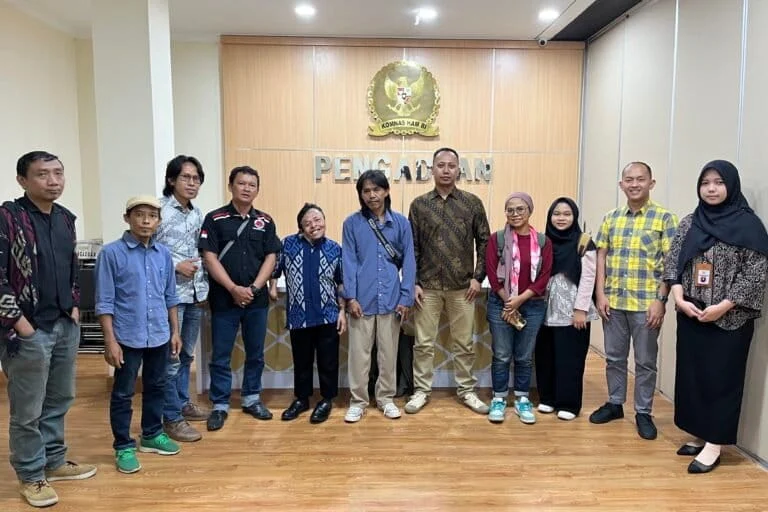
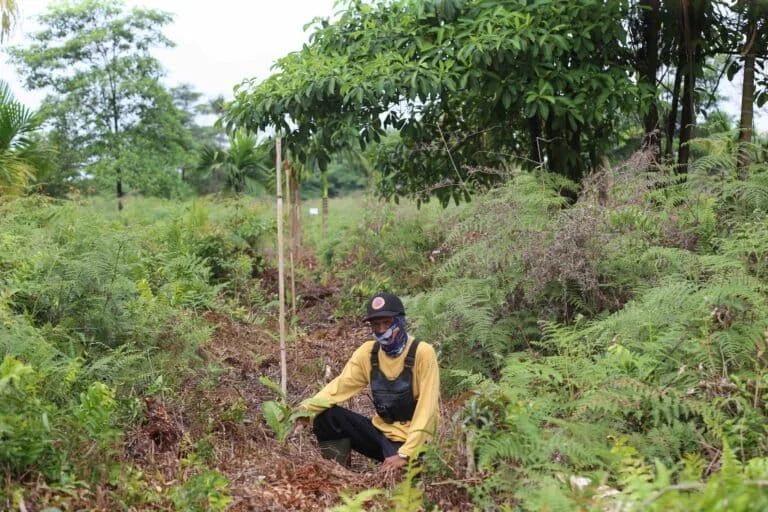
The ongoing legal ordeal of Tarsisius Fendy Sesupi, the Kepala Adat (Indigenous Chief) of Dusun Lelayang in Ketapang, West Kalimantan, has become a defining case study in the friction between customary law and corporate expansion in Indonesia. Fendy, representing the Dayak Kualan community, currently faces criminal charges of extortion—a development he and a coalition of civil society organizations assert is a classic Strategic Lawsuit Against Public Participation (SLAPP) designed to neutralize indigenous resistance to PT Mayawana Persada’s industrial operations.
The conflict, which has simmered for years, highlights a systemic failure to protect indigenous rights, as state institutions struggle to reconcile modern legal frameworks with the long-standing sovereignty of traditional communities. The crux of the dispute lies in a 2023 incident where the Dayak Kualan community imposed customary sanctions on PT Mayawana Persada for environmental degradation, land displacement, and the subsequent economic hardship suffered by local residents. What began as a traditional mechanism to resolve community grievances has since been weaponized by the company, with a corporate employee filing a criminal complaint that led to Fendy being named a suspect by the Ketapang Police in 2025.
A Chronology of Contention
The timeline of the dispute illustrates a pattern of escalation and institutional gridlock. In 2023, the Dayak Kualan community sought redress through "batang adat," a customary sanction, after experiencing severe disruption to their livelihoods due to the company’s land-clearing activities. The firm initially participated in this process, providing a payment of Rp 16 million and signing a formal record of the agreement. However, the subsequent legal pivot by the company transformed this act of customary justice into a criminal case of extortion.
By early 2026, the situation reached a breaking point, prompting Fendy and a coalition of activists to seek intervention from state authorities. Despite mediation efforts by the Commission II of the West Kalimantan Regional Legislative Council (DPRD), which recommended that the company respect indigenous sovereignty and proposed the formation of a conflict-resolution Task Force, progress stalled. The promised task force failed to materialize, leaving the community in a state of legal limbo.
In April 2026, the Regent of Ketapang, Alexander Wilyo, attempted to bridge the divide by promoting a restorative justice (RJ) approach. This proposal, however, met firm resistance from Fendy. For the indigenous leader, accepting restorative justice was tantamount to an admission of guilt for actions he maintains were legally and ethically justified under customary law. Fendy argued that such a move would not only undermine the legitimacy of his community’s traditions but would also set a dangerous precedent for future disputes.
The Congressional Intervention
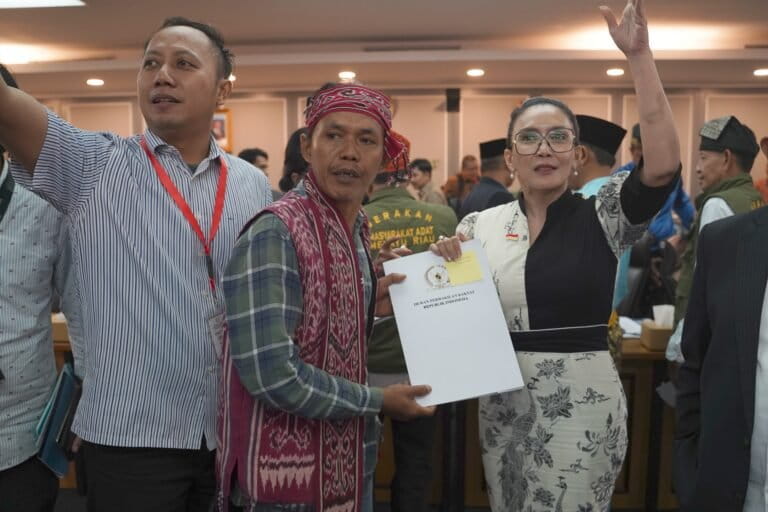
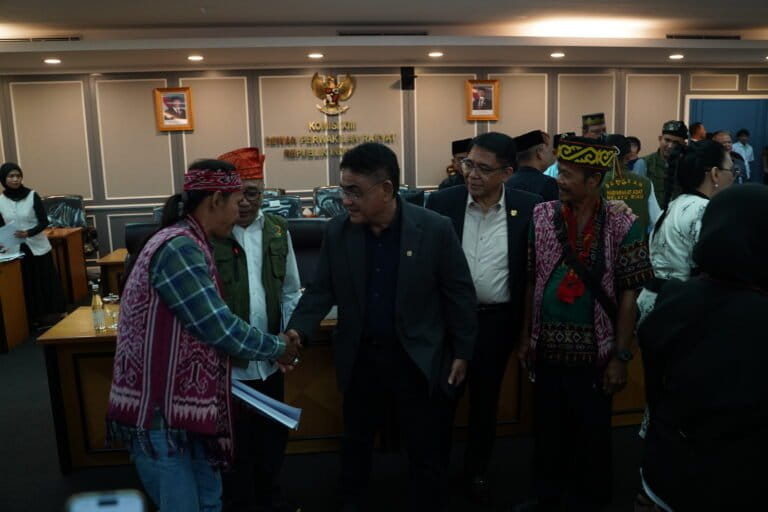
The lack of progress at the regional level forced the conflict into the national spotlight. In mid-2026, Fendy testified before the House of Representatives (DPR) in Jakarta, providing a detailed account of the intimidation he has faced, including no fewer than 28 police summons. The emotional and legal gravity of his testimony drew a significant response from the Commission XIII of the DPR.
Andreas Hugo Pareira, Vice Chair of Commission XIII, concluded that the evidence presented suggested a structural and systematic violation of human rights in the conflict between the Dayak Kualan community and PT Mayawana Persada. Consequently, the commission recommended that the Ministry of Human Rights coordinate with the National Commission on Human Rights (Komnas HAM), the Witness and Victim Protection Agency (LPSK), and other relevant stakeholders to establish a Joint Fact-Finding Team (TGPF). This body is tasked with conducting an exhaustive investigation to resolve the dispute in accordance with human rights principles and national laws.
Environmental Impact and Corporate Conduct
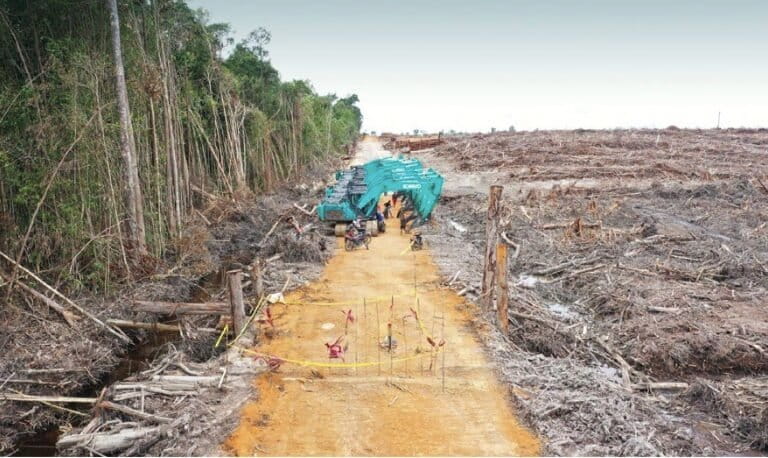
Beyond the legal battle, the conflict is underscored by staggering environmental data. According to research from the organization Satya Bumi, PT Mayawana Persada cleared approximately 42,500 hectares of forest between 2016 and 2024—a massive footprint exceeding half the size of Singapore.
The environmental implications are profound: 27,500 hectares of the cleared area were peatlands, including 11,000 hectares of protected peat ecosystems. This activity directly contradicts Government Regulation No. 57 of 2016, which mandates the strict protection and management of peat ecosystems. Furthermore, the clearing has fragmented the habitat of the Bornean orangutan, with an estimated 38% of the species’ habitat within the concession being compromised.
These statistics provide the empirical context for why the Dayak Kualan community felt compelled to act. The environmental degradation is not merely a technical breach of regulation but a direct assault on the community’s "spiritual and cultural relationship" with their land, as protected under international instruments such as the UN Declaration on the Rights of Indigenous Peoples (UNDRIP) and the Convention on Biological Diversity (CBD).
The Limits of Restorative Justice
In August 2026, the Ministry of Human Rights hosted a high-level meeting in West Kalimantan involving local government, law enforcement, and representatives from the companies. The meeting produced a consensus urging the parties to adopt restorative justice to end the standoff. However, Fendy’s subsequent formal statement remained defiant. He reiterated his rejection of the RJ mechanism, maintaining that the criminal charges against him are baseless and that he should not be forced to apologize for exercising his community’s rights.
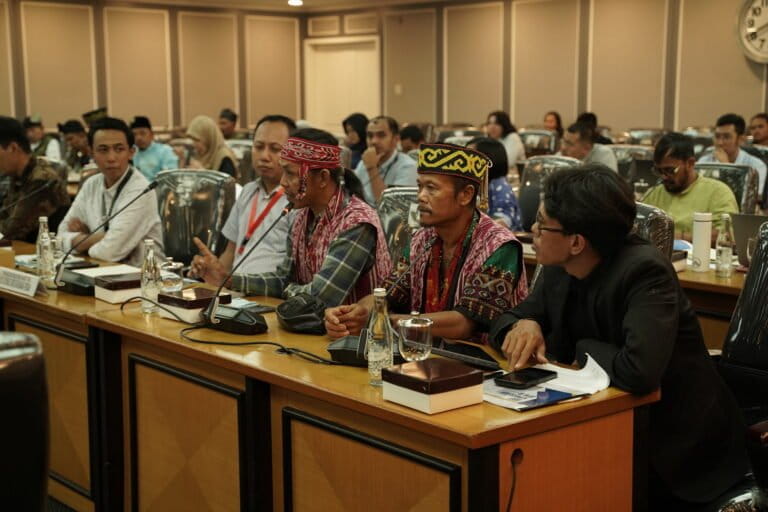
Legal counsel for Fendy, Suparman, has characterized the state’s reliance on formalistic police procedures as a dereliction of duty. He argues that the mediation documents produced by the regional government constitute sufficient grounds for the police to drop the case. The insistence that individual employees must formally withdraw complaints—despite the existence of broader corporate-community agreements—is seen by advocates as a tactical delay designed to avoid accountability.
Broader Implications for Indigenous Rights in Indonesia
The case of Tarsisius Fendy Sesupi serves as a litmus test for Indonesia’s commitment to its international human rights obligations. Uli Arta Siagian, a campaign coordinator at Walhi, has called on the Ministry of Human Rights to use this case as a foundational learning opportunity for legal reform. As the government considers revisions to the Human Rights Law, there is a growing consensus that the law must provide stronger protections for environmental defenders, who are essentially the frontline defenders of human rights.
The push for the "rights of nature"—the legal recognition that ecosystems have an inherent right to exist and thrive—is gaining traction in this discourse. The conflict in Ketapang demonstrates that without such protections, indigenous communities remain vulnerable to being criminalized for merely attempting to preserve the natural resources upon which their survival depends.
The Path Forward
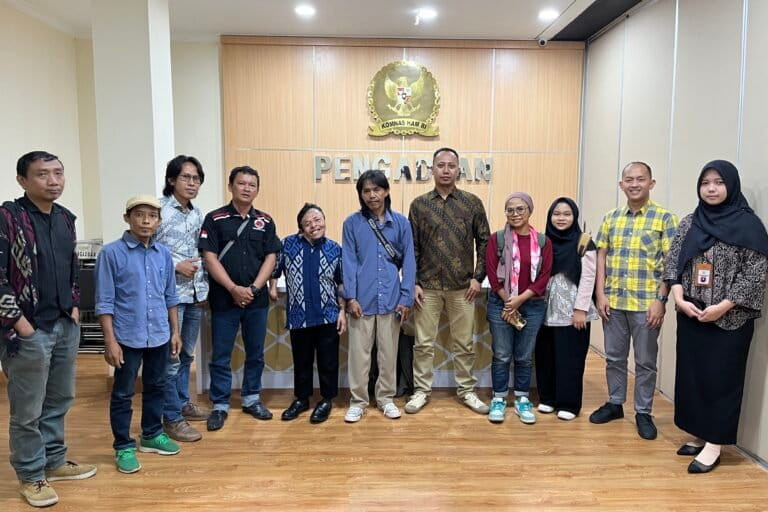
The coalition supporting Fendy remains committed to monitoring the implementation of the Commission XIII recommendations. At the provincial level, they continue to pressure the Department of Environment and Forestry (DLHK) to establish the promised task force. The goal is to move beyond mere rhetoric and ensure that state institutions actively uphold the rights of indigenous people.
Ahmad Syukri, Director of Linkar Borneo, summarized the stakes clearly: "The government must recognize the evidence and take action. If not, the ratification of international policies on indigenous rights becomes merely performative."
As the case continues to unfold, it highlights an unavoidable reality for modern Indonesia: industrial expansion that ignores the sovereignty of indigenous communities and the health of the environment is inherently unstable. For Fendy and the people of Dusun Lelayang, the battle is not just about clearing their names of criminal charges—it is about securing the legal and cultural space to exist as stewards of their ancestral land for generations to come. The resolution of this case will likely influence how future land disputes are handled, signaling whether Indonesia will prioritize corporate interest or the fundamental human rights of its traditional peoples.