Nila Kartika Wati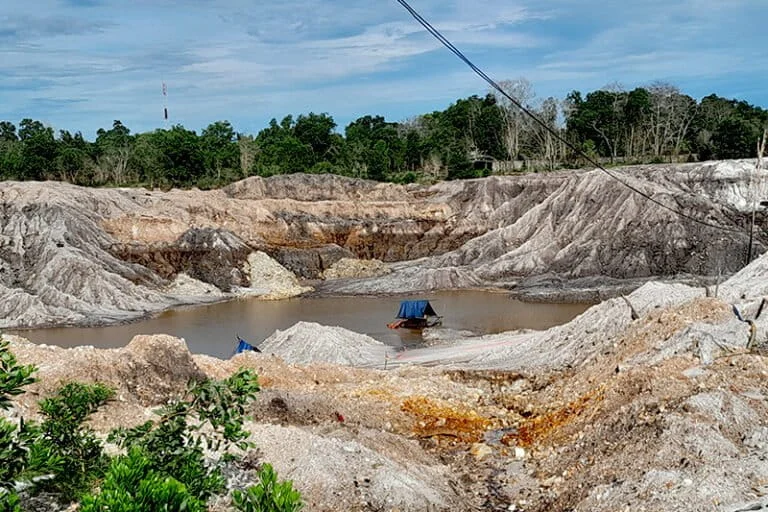
The dominance of extractive industries in Indonesia’s economic landscape has reached a critical juncture, as the aggressive pursuit of critical minerals—namely nickel, gold, and tin—threatens to fundamentally destabilize the ecological and social foundations of the archipelago. While government projections often highlight high growth rates in mineral-rich regions, mounting empirical evidence from researchers and environmental observers suggests a persistent trend of structural poverty, ecological degradation, and systemic inequality. As the nation pivots toward a global supply chain heavily reliant on these resources, the inherent flaws of an extractive-based development model have become increasingly apparent, necessitating a shift toward alternative frameworks such as the "Living Economy."
The Anatomy of the Extractive Model
The extractive economic model currently employed in Indonesia is characterized by a reliance on the export of raw commodities. Historically, this model has been linked to the "resource curse," a phenomenon where countries rich in natural resources paradoxically experience slower economic growth, weaker democracy, and poor development outcomes compared to resource-poor nations.
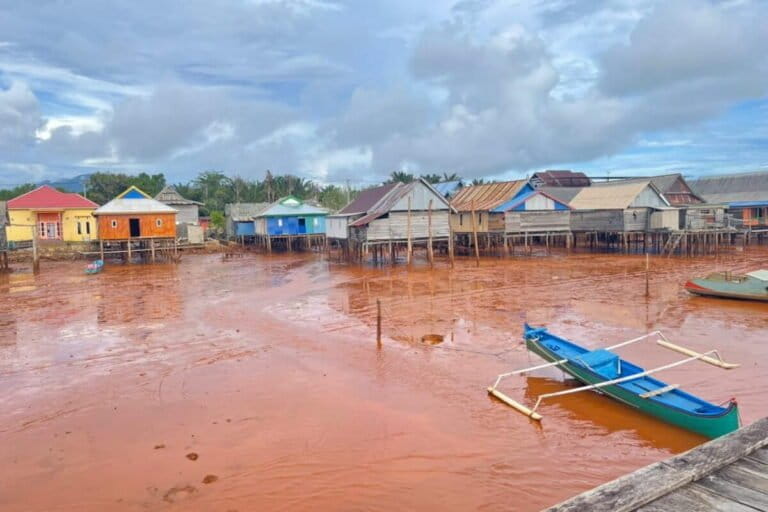
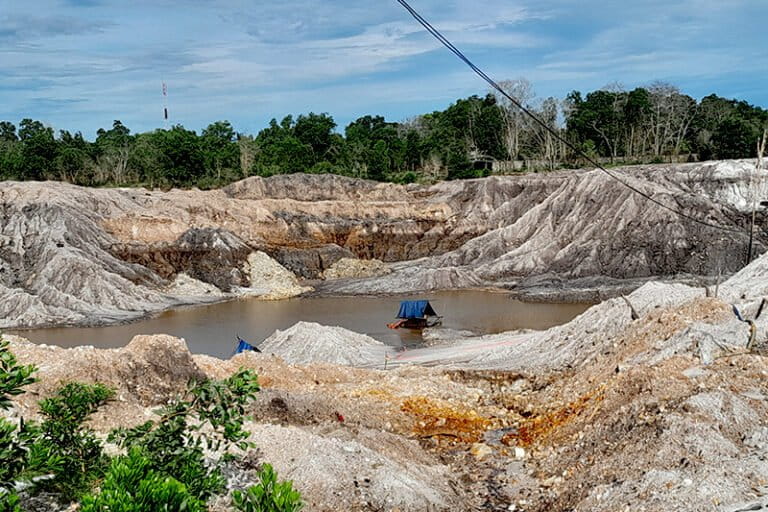
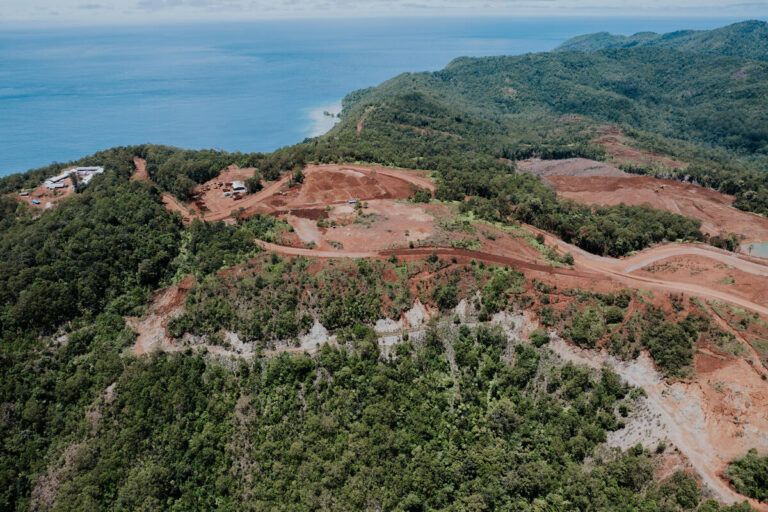
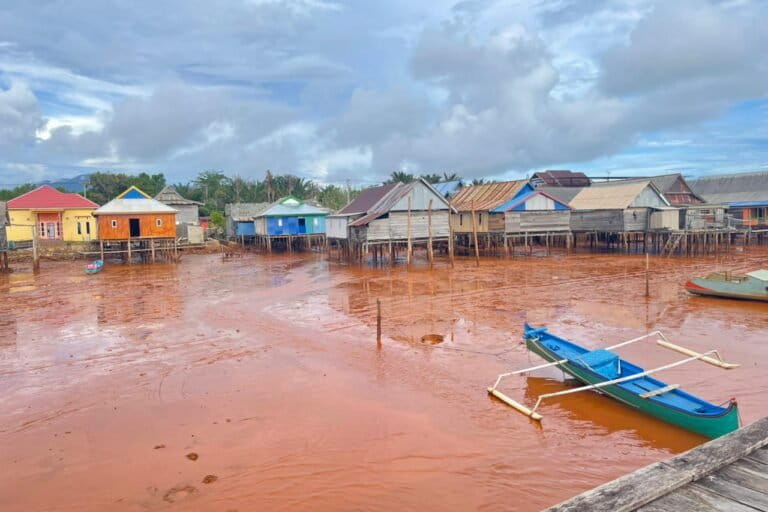
Current trends indicate that this model has evolved from classical colonial-era extraction to a modern, neoliberal "green extractivism." This contemporary iteration often justifies the destruction of forests and ecosystems in the name of the global energy transition, specifically to fuel the demand for electric vehicle (EV) batteries. However, this transition frequently bypasses the local populations who depend on the land for their livelihoods. In regions like Raja Ampat, often described as a terrestrial paradise, the encroachment of nickel mining has sparked significant public outcry. The environmental footprint of these operations—ranging from deforestation and soil erosion to the dumping of toxic tailings into waterways—has decimated the traditional fishing grounds and agricultural lands that once sustained local communities.
Chronology of Conflict and Environmental Degradation
The progression of extractive activities in Indonesia has followed a predictable, yet destructive, pattern over the last decade. Since the mid-2010s, there has been a notable acceleration in land concessions granted for mining in protected areas and small islands.
- 2018–2020: Expansion of mining operations in Bangka-Belitung and Tumpang Pitu intensified concerns regarding water contamination and the displacement of artisanal farmers.
- 2023–2024: The focus shifted heavily toward critical minerals in eastern Indonesia. Massive nickel mining projects in North Maluku and Central Sulawesi gained momentum, despite increasing reports of heavy metal contamination (Copper, Lead, Mercury) in coastal ecosystems.
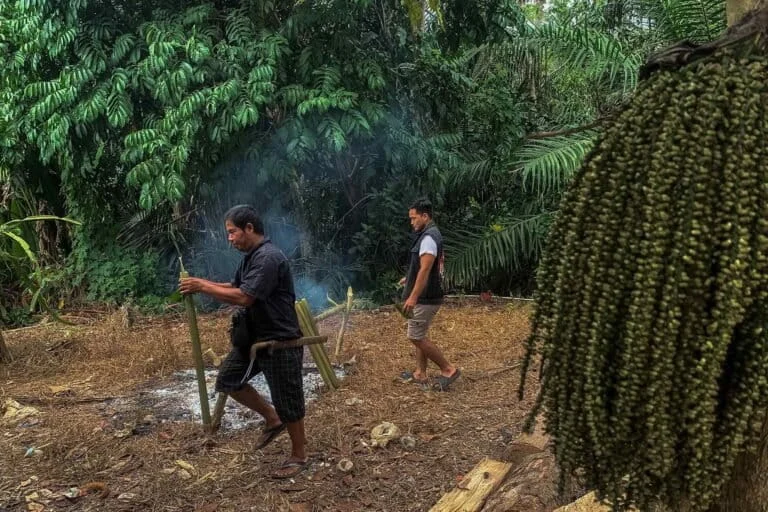
- 2025–2026: Field research conducted by the Indonesia for Global Justice (IGJ) in Konawe Kepulauan and West Sumbawa revealed the direct impact of these policies. Studies showed that local communities lost access to clean water and agricultural land, leading to an erosion of food security.
Economic Paradox: Growth vs. Welfare
A primary contention of the extractive model is that it drives regional GDP growth. However, statistics from resource-rich districts often reveal a stark contradiction: while industrial output may rise, local poverty rates remain high or stagnant. This is largely because the capital-intensive nature of mining provides limited local employment, and the wealth generated is often extracted by central government entities and multinational corporations rather than being redistributed to the local populace.
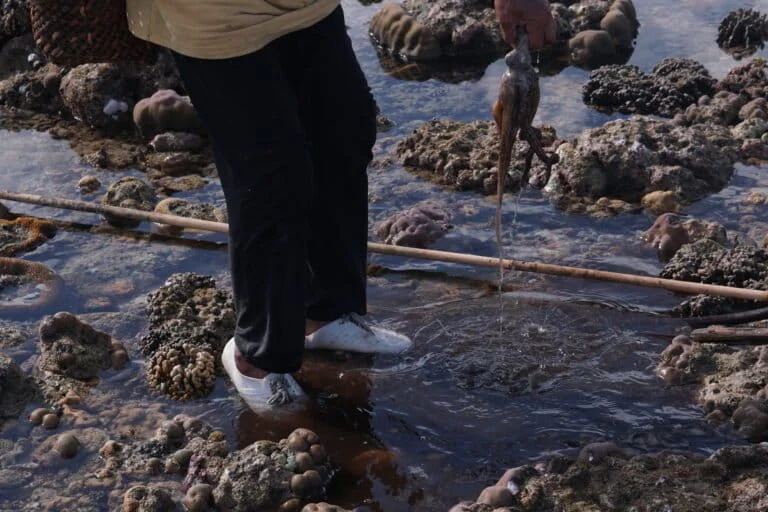
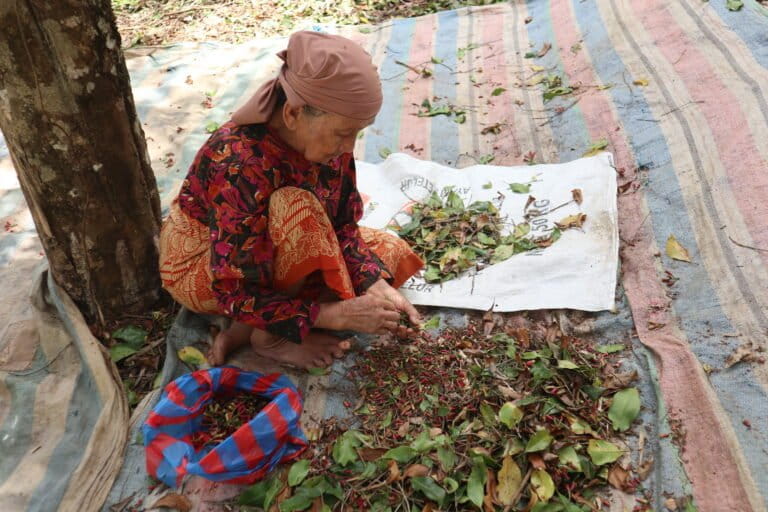
Research findings from 2026 illustrate the profound loss of "total economic value" (TEV) when extractive industries displace traditional livelihoods. In the Konawe Kepulauan region, the potential loss of fishing and agroforestry services, valued at approximately Rp2.17 trillion annually, far outweighs the immediate fiscal gains from mining operations. Similarly, in West Sumbawa, the combined value of small-scale fisheries and agricultural output is estimated at Rp6.63 trillion per year. When these sectors are compromised by mining-related environmental degradation, the long-term economic cost to the region is catastrophic.
The Rise of the Living Economy as a Strategic Alternative
In response to the failures of the conventional, growth-obsessed economic paradigm, scholars and policy analysts are increasingly advocating for a "Living Economy." Rooted in the works of economists such as E.F. Schumacher and the Club of Rome, the Living Economy framework rejects the notion that GDP growth is the sole indicator of national success.
Instead, this paradigm proposes four pillars:
- Holistic Wellbeing: Prioritizing the fulfillment of basic human needs and the preservation of ecosystem health over aggregate industrial output.
- Redefining Progress: Utilizing metrics such as the Physical Quality of Life Index (PQLI) and Net National Welfare rather than relying exclusively on Gross National Product (GNP).
- Nature as Capital: Treating natural resources as finite, foundational assets that must be managed sustainably rather than as inexhaustible commodities.
- Decentralized Governance: Emphasizing local emancipation, community-based cooperatives, and the reduction of dependency on monopolistic global supply chains.
Implications for Policy and Sustainability
The transition toward a Living Economy does not imply an end to all economic activity, but rather a re-calibration of priorities. For Indonesia, this means integrating environmental protection into the core of economic policy. The 17 Sustainable Development Goals (SDGs) provide a framework, but as analysts suggest, these targets cannot be achieved through a siloed approach.
The current reliance on "green extractivism" creates a false dichotomy between climate action and local development. By focusing on the extraction of minerals for global energy storage, the state is effectively sacrificing the very ecosystems—such as mangroves, which serve as crucial carbon sinks—that it is otherwise pledging to protect. The degradation of these "blue carbon" assets represents a long-term liability for the state, as it reduces the resilience of coastal areas against climate-induced disasters.
Stakeholder Perspectives and Future Outlook
While industry proponents argue that current mining practices are necessary for industrialization and global competitiveness, civil society organizations and indigenous rights advocates maintain that the social cost is too high. The use of repressive measures to silence criticism—often observed in mining-impacted areas—further erodes the democratic space necessary for local communities to defend their rights.
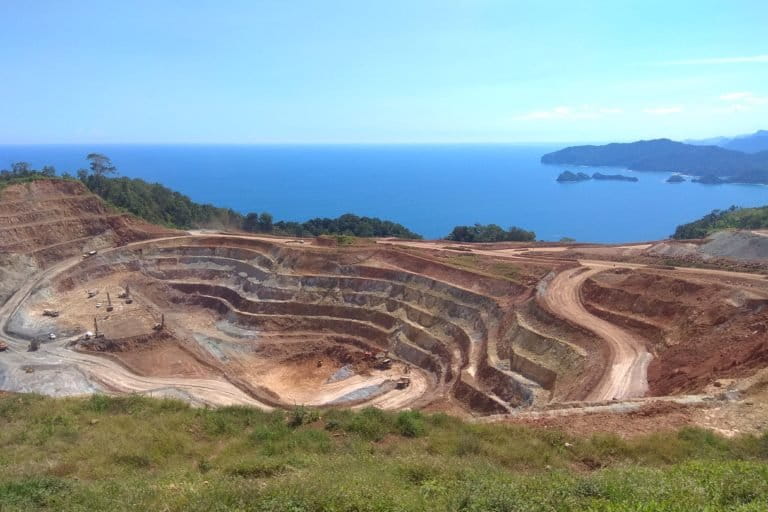
Official responses to these concerns have historically been muted, often emphasizing the necessity of the "downstreaming" (hilirisasi) policy. However, as the evidence of the "ecological and social collapse" in mining regions grows, there is an increasing demand for the government to adopt a more nuanced approach. This includes mandatory independent environmental audits, the implementation of more stringent "carrying capacity" assessments before issuing mining permits, and a greater share of mining royalties being directed toward the rehabilitation of damaged ecosystems.
Conclusion: A Path Forward
The Indonesian government stands at a crossroads. Continuing on the current trajectory of rapid, unbridled extraction will likely lock the nation into a cycle of structural poverty and environmental depletion. Conversely, adopting elements of the Living Economy would allow for a more sustainable, equitable path. By valuing the ecosystem services provided by mangroves, coral reefs, and traditional agricultural systems, Indonesia can secure a more resilient future. The goal of economic policy must shift from the pursuit of growth for its own sake toward the cultivation of an economy that is deeply rooted in the land, the people, and the long-term health of the planet. Only by acknowledging the limitations of current models can the nation begin to address the systemic inequalities that have for too long defined its relationship with its natural wealth.