Nila Kartika Wati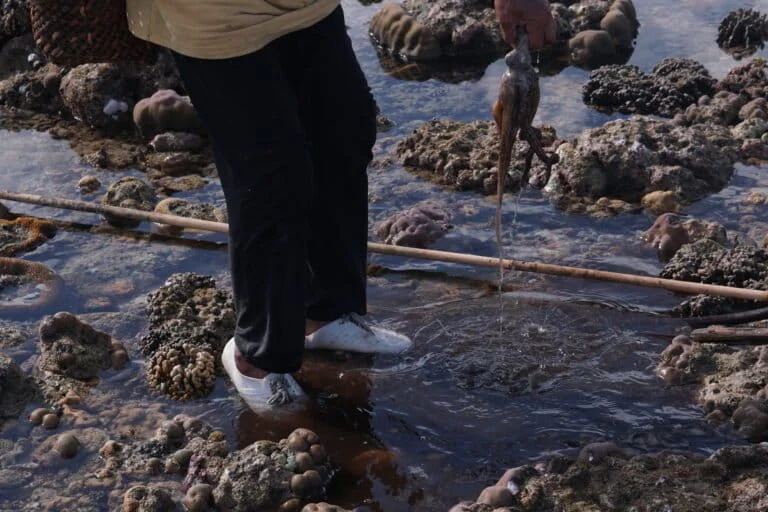
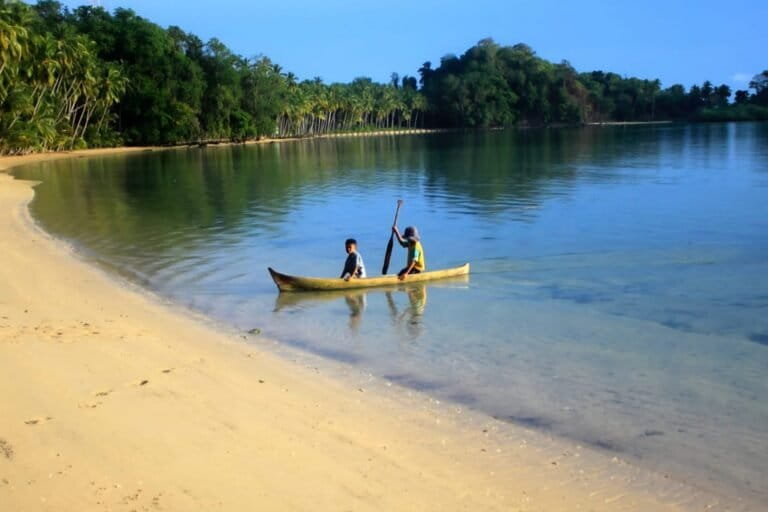
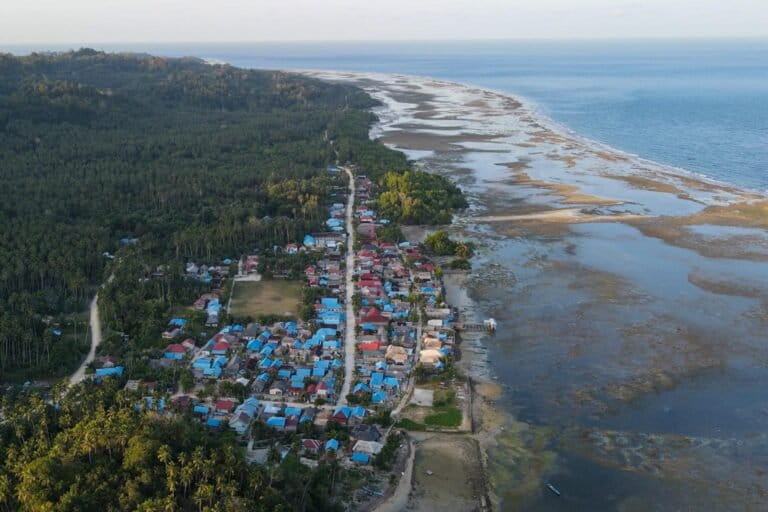
The coastal residents of Wawonii Island in Southeast Sulawesi are locked in a persistent struggle to safeguard their marine and forest resources from an encroaching double threat: the rampant use of destructive fishing practices and the looming shadow of nickel mining. For the people of Konawe Kepulauan (Konkep), the sea is not merely a source of livelihood but the bedrock of their cultural and economic identity. Yet, the proliferation of fish bombing and the use of potassium cyanide (potas) have decimated coral reefs, forcing local communities to take matters into their own hands through the formation of the Tahi Tewabuno Young Guardians of the Sea and Coast group.
A Daily Struggle for Survival
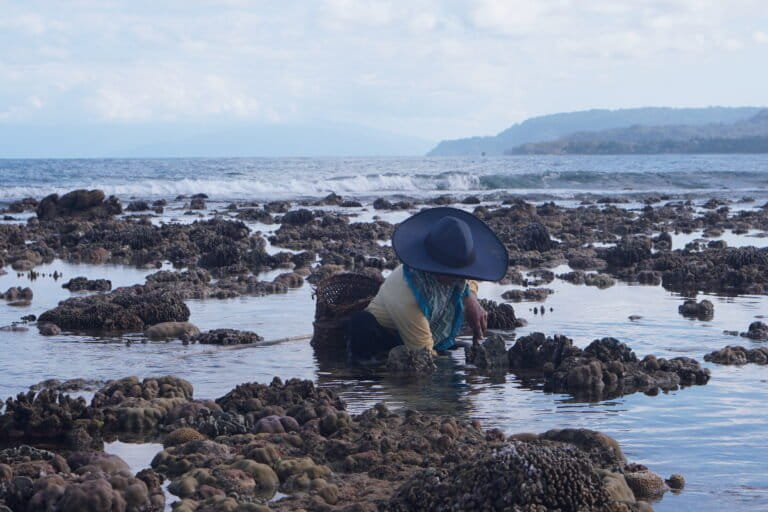
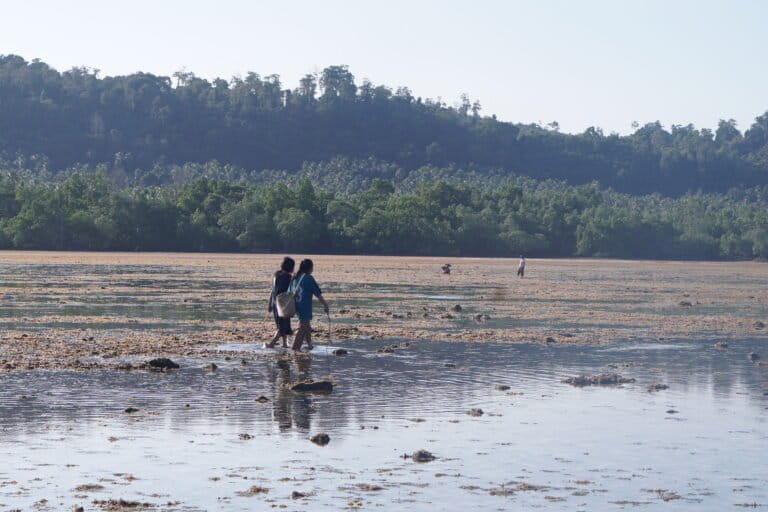
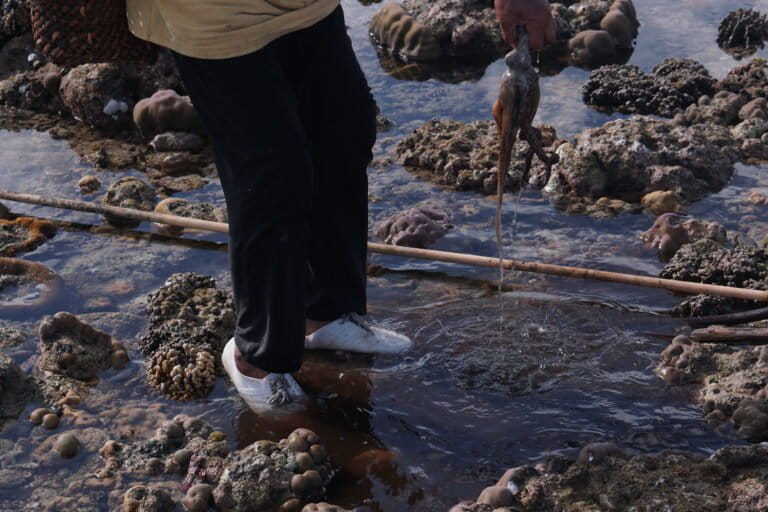
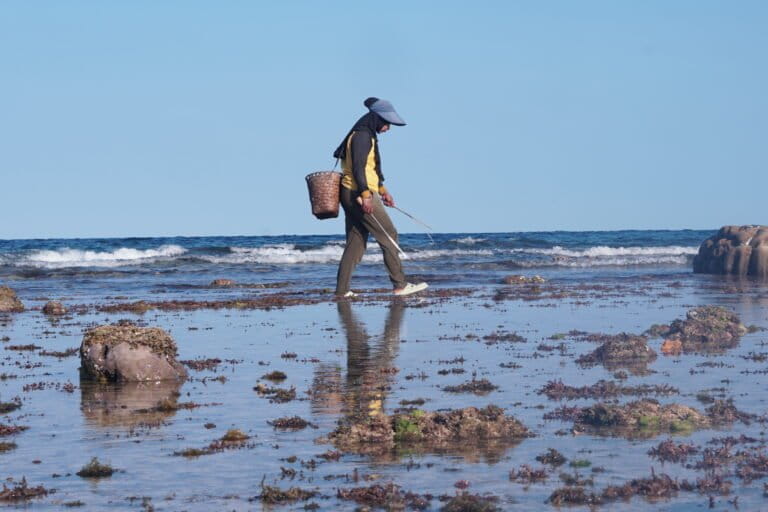
Wa Niia, a 57-year-old resident of Saburano Village, embodies the resilience of the local fishing community. On a typical Sunday, she can be found walking the shallow reefs of Tekonea, equipped with a simple metal spear. Her daily routine involves hunting for terangisi (sandfish) and octopuses during low tide. For Wa Niia, these small catches are not intended for large-scale commercial markets but are vital for her family’s daily sustenance.
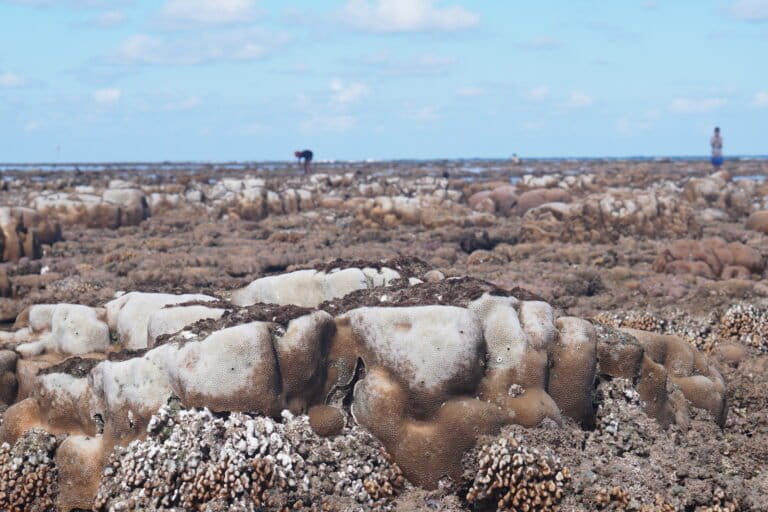
However, her recent excursions have become increasingly grim. She describes vast stretches of coral reefs that have turned white, fractured, and lifeless. Local residents attribute this degradation primarily to the use of potassium cyanide—a toxic chemical that has been used extensively over the past four years—and the legacy of explosive fishing, which has plagued the region for decades. The destruction of these shallow zones, spanning over 250 hectares, has forced traditional fishers to venture further into deeper waters, drastically increasing their operational costs and personal risks.
The Anatomy of Destruction
The degradation of Wawonii’s marine biodiversity is not a localized incident but a systemic crisis. According to community leaders like Andi Muin Nuhun, the Head of Tekonea Village, the peak of destructive activity occurs during the western monsoon (October to March) when the seas are calm.
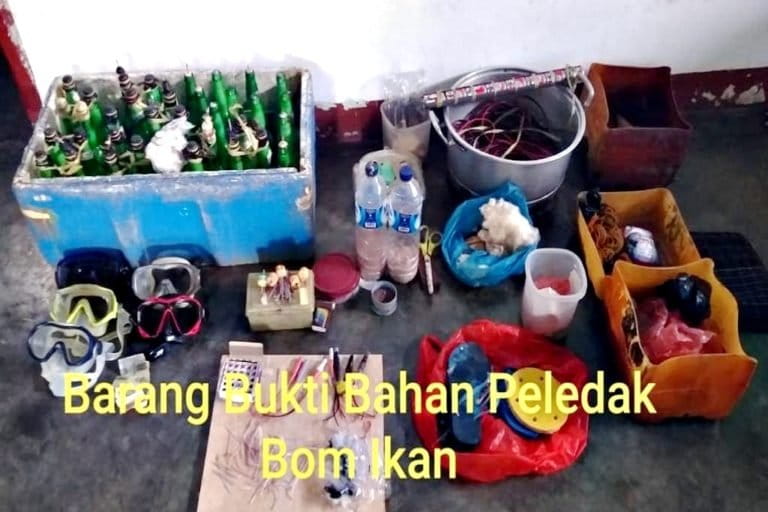
Scientific data underscores the severity of this issue. Research from the World Bank indicates that a single explosion from a bottle-sized bomb can destroy five square meters of coral reef. Furthermore, the economic repercussions are staggering, with estimated losses of up to US$306,800 per square kilometer in areas with high tourism potential. Beyond the physical destruction, the use of chemicals like potassium cyanide and traditional akar tuba (derris root) poisons entire ecosystems, killing not only targeted fish but also juvenile populations, effectively wiping out the next generation of marine life.
The Indonesian Ministry of Marine Affairs and Fisheries (KKP) has long documented the prevalence of ammonium nitrate and potassium nitrate-based explosives in Eastern Indonesia. These makeshift devices, often disguised in common household bottles, represent a crude but devastatingly effective tool for illegal fishers who prioritize immediate, high-volume yields over long-term ecological sustainability.
Historical Context and Social Dilemmas
The persistence of blast fishing in Wawonii has deep historical roots. Anthropologist Danial from Halu Oleo University notes that the practice can be traced back to the aftermath of World War II, when abandoned military explosives were repurposed by local fishers. Over the decades, this knowledge has been passed down through generations, often becoming a normalized—albeit destructive—survival strategy.
The social fabric of the island makes enforcement particularly difficult. Many of the perpetrators are neighbors or acquaintances of the victims, creating a complex web of social conflict. As Danial explains, "There is a significant dilemma. People want to protect their sea, but they are wary of confronting those they live alongside. Furthermore, the perceived lack of consistent, firm action from law enforcement agencies emboldens the perpetrators."
The Rise of Community-Based Stewardship
In a proactive attempt to reclaim their waters, the residents of four villages—Tekonea, Waburano, Butuea, and Saburano—established the Tahi Tewabuno (Sea of the Four Villages) group in mid-2026. Armed with a formal decree from the Southeast Sulawesi Marine and Fisheries Agency (DKP), this group acts as a bridge between the community and law enforcement. Their primary role is documentation and reporting; they act as the eyes and ears on the ground, gathering evidence to assist the Pokmaswas (Community Surveillance Groups) in holding illegal fishers accountable.
Despite these efforts, the group faces significant hurdles. Albar, the leader of the group, recalls instances where he heard the deafening roar of explosives near the Tekonea headland but felt unable to act. Without concrete evidence—which is notoriously difficult to secure in the open ocean—reporting to the authorities often proves futile and potentially dangerous, as the perpetrators may retaliate against whistleblowers.
The Broader Threat: Extraction on Land
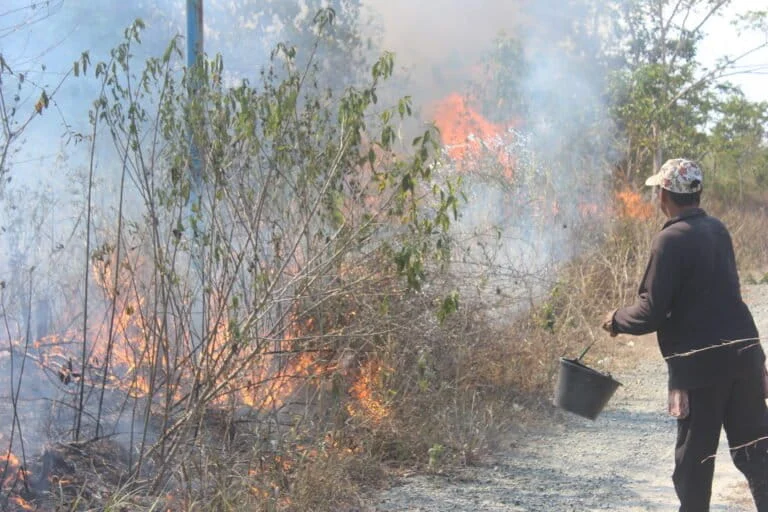
The crisis in the water is compounded by the ongoing struggle against land-based extractive industries. Wawonii, a small island covering approximately 85,760 hectares, has been a central battlefield for environmental activists and local communities opposing nickel mining. The legal battle has been long and arduous, with numerous court victories—including rulings from the Supreme Court and the Constitutional Court—affirming that mining activities are inconsistent with the island’s status as a protected small island under the Law on the Management of Coastal Areas and Small Islands.
Despite these legal successes, the threat remains persistent. The arrival of new mining interests, such as the proposed diorite stone quarrying by PT Adnan Jaya Sekawan in 2025, suggests that the island’s environment remains under constant pressure from industrial interests. For the residents of Wawonii, the distinction between the "bombs in the sea" and the "mines on the land" is negligible; both are viewed as existential threats to their way of life.
The Financial Constraints of Governance
The struggle for conservation is hindered further by a severe lack of resources. Azai, a senior official at the DKP Southeast Sulawesi, admits that the budget for monitoring the province’s 110,000 square kilometers of sea is insufficient. With an annual monitoring budget of only Rp100 million for 16 regencies, the cost of a single patrol mission can consume a significant portion of available funds.
Moreover, the implementation of Law No. 23 of 2014, which shifted authority for marine management from the regency to the provincial level, has created an administrative bottleneck. Local governments often find themselves stripped of the power to take immediate action, while the provincial government lacks the budget and personnel to effectively cover such a vast, archipelagic territory.
Implications and Future Outlook
The situation in Wawonii is a microcosm of the challenges facing small islands across Indonesia. It highlights a critical failure in the intersection of environmental policy, community empowerment, and law enforcement. For the residents of Tahi Tewabuno, the fight is not just about catching fish; it is about reclaiming the right to a sustainable future.
The path forward requires a multi-pronged approach:
- Strengthening Local Capacity: Providing the Tahi Tewabuno group with advanced monitoring technology and legal training to ensure they can gather admissible evidence against illegal fishers.
- Economic Diversification: Supporting the shift toward sustainable, small-scale ecotourism and traditional fishing practices that provide higher value than the short-term gains of destructive fishing.
- Decentralized Enforcement: Re-evaluating the bureaucratic structures that hinder quick, local responses to environmental crimes.
- Strict Enforcement of Mining Prohibitions: Ensuring that judicial rulings protecting Wawonii from extractive industries are enforced without exception, preventing the precedent of "mining by permit" from overriding environmental law.
As the community continues to stand its ground, the fate of Wawonii serves as a reminder of the fragility of Indonesia’s small islands. The resilience of people like Wa Niia and Albar is remarkable, but community spirit alone cannot withstand the combined weight of illegal fishing and industrial exploitation. Without stronger institutional support and a genuine commitment to protecting the ecological integrity of the region, the vibrant, biodiverse reefs of Wawonii risk becoming nothing more than a memory.