Nila Kartika Wati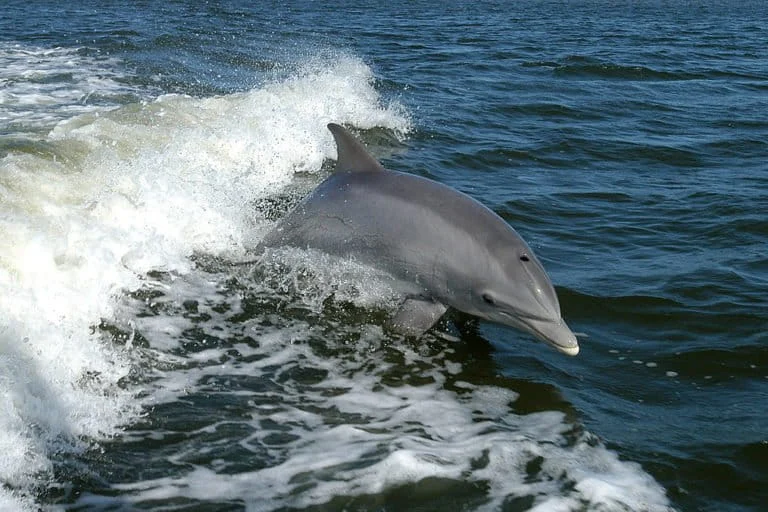
Indonesia sits at the critical crossroads of the world’s oceans, serving as a biological bridge between the Pacific and Indian Oceans. Within its vast archipelagic waters, the nation hosts 37 species of marine mammals, 17 of which are species of dolphins. These charismatic megafauna serve as the "canaries in the coal mine" for the maritime ecosystem; their presence, movement patterns, and health are direct indicators of the overall biological integrity of the Indonesian seas. As global marine populations face unprecedented pressures from climate change, industrial noise, and habitat degradation, the role of Indonesia as a sanctuary and migratory highway for these creatures has never been more significant.
The geographic positioning of Indonesia makes it a global priority for cetacean conservation. From the deep trenches of the Banda Sea to the high-traffic corridors of the Bali and Lombok Straits and the protected expanses of the Sawu Sea, these waters are not merely transit points but essential habitats where dolphins forage, socialize, and breed. However, the intersection of these vital biological highways with human maritime activity creates a complex conflict that scientists are only beginning to quantify.
The Dynamics of Migratory Corridors and Habitat Use
Dolphin species such as the Bottlenose (Tursiops truncatus), Spinner (Stenella longirostris), Spotted (Stenella attenuata), and Risso’s dolphin (Grampus griseus) rely on the connectivity of Indonesia’s deep-water channels. According to Dondy Arafat, a lecturer at the Department of Marine Science and Technology at IPB University, the health of these waters is the primary determinant of whether these mammals establish residency or simply pass through.
"Dolphins are highly mobile, wide-ranging mammals," Arafat notes. "Their ability to traverse vast distances between oceans means they are susceptible to threats that are not confined by national borders. A healthy environment invites them to settle, but the increasing encroachment of human activity turns these corridors into gauntlets of risk."
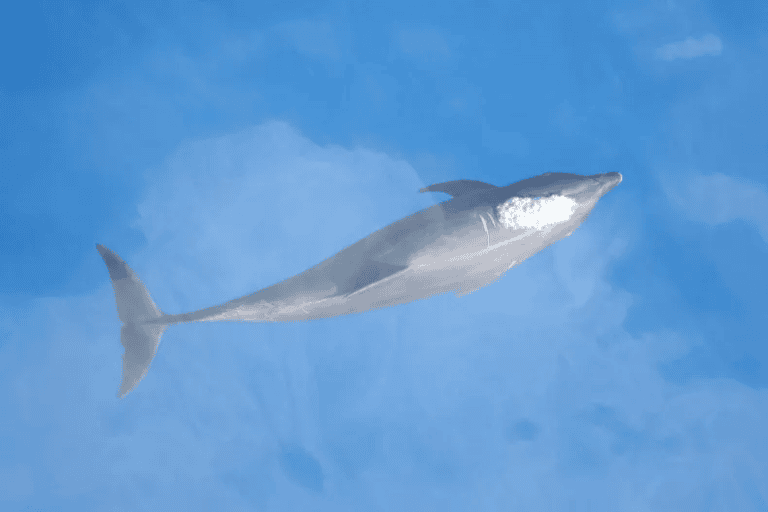
The "highway" analogy used by marine biologists is apt. Just as terrestrial wildlife corridors require protection to prevent fragmentation, marine corridors in Indonesia act as the arteries of the ocean. When these paths are obstructed by vessel traffic, acoustic pollution, or chemical runoff, the ripple effects are felt throughout the marine food web.
A Chronology of Increasing Anthropogenic Pressure
The history of marine mammal conservation in Indonesia has been characterized by a transition from traditional coexistence to modern-day systemic threats.
- Pre-1990s: Interactions between humans and dolphins were largely localized and subsistence-based. While incidental catch occurred, the scale of maritime traffic and plastic pollution was significantly lower.
- 1990–2000: The formalization of wildlife protection began with the enactment of Law No. 5 of 1990, which provided the first legal framework for the conservation of biological natural resources. This was further bolstered by Government Regulation (PP) No. 7 of 1999, which strictly regulated the preservation of plant and animal species.
- 2017: The international community signaled the severity of the crisis when the Convention on International Trade in Endangered Species (CITES) placed most cetacean species under Appendix I and II, reflecting a global consensus that these populations are at risk of extinction due to trade and habitat loss.
- 2020–Present: Increased focus on the "bycatch" phenomenon—where dolphins are accidentally trapped in commercial fishing nets—has emerged as a primary driver of mortality. Coupled with the rise of marine tourism in areas like the Sawu Sea, the cumulative impact of human presence has reached a critical threshold.
The Data Gap: A Major Hurdle for Conservation
One of the most profound challenges facing Indonesian marine researchers is the lack of baseline data. Mira Sekar, a marine mammal expert at the National Research and Innovation Agency (BRIN), emphasizes that while we know these animals are present, we lack the quantitative data necessary for evidence-based policy.
"Research is exceptionally expensive, requiring significant funding and a genuine shift in national priorities," Sekar states. "With the exception of the Mahakam river dolphin, which is a freshwater species, we have very little data on the population dynamics of our marine cetaceans. We are essentially trying to protect a population whose size and distribution remain a mystery."
This lack of data creates a "vicious cycle." Without accurate population surveys, it is difficult to lobby for dedicated marine protected areas (MPAs) or to implement specific, evidence-based restrictions on shipping lanes and industrial activity. Researchers are calling for a national "master plan" that would consolidate monitoring efforts, improve rehabilitation infrastructure for stranded animals, and standardize data collection across the archipelago.
Multi-Faceted Threats to Marine Biodiversity
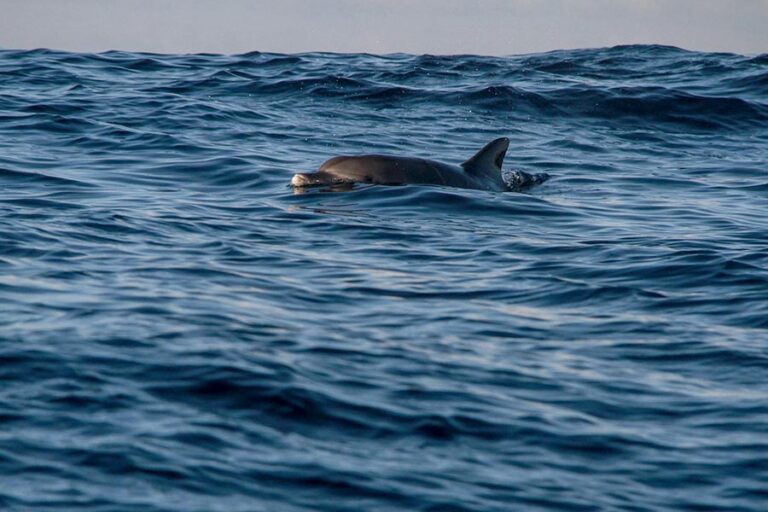
The threats facing dolphins in Indonesian waters are diverse and often synergistic.
- Bycatch and Gear Entanglement: Commercial fishing operations, particularly those using gillnets, pose an immediate lethal threat. Dolphins, being air-breathing mammals, drown rapidly when entangled.
- Acoustic Pollution: Dolphins rely on echolocation for navigation, hunting, and communication. The rising noise levels from cargo ships, oil and gas exploration, and underwater construction create a "fog" that disrupts these vital functions, leading to disorientation and increased strandings.
- Plastic Pollution and Contamination: As apex or mesopredators, dolphins bioaccumulate toxins found in the water column and ingest microplastics, which can lead to long-term health complications and reproductive failure.
- Direct Exploitation and Tourism: While commercial hunting is largely curtailed by law, "incidental" hunting as bait for other fisheries persists in some regions. Furthermore, unregulated dolphin-watching tourism can cause extreme stress to pods, disrupting feeding and nursing behavior.
- Climate Change: Rising sea temperatures alter the distribution of prey species. If the food supply migrates or declines due to thermal stress on coral reefs, dolphins are forced to travel further, expending vital energy and entering high-risk, human-populated waters.
The Path Forward: Policy and Integrated Management
The legal framework exists, but enforcement remains the primary hurdle. Indonesia’s legislation, including Law No. 5 of 1990, is robust on paper, but the reality of policing thousands of kilometers of coastline is a logistical nightmare.
Conservationists argue that a "whole-of-society" approach is required. This involves the active participation of the fishing industry—through the adoption of "dolphin-safe" gear—and the tourism sector, which must adhere to strict codes of conduct to minimize disturbance. Furthermore, the government must elevate the status of cetacean conservation to match its status as a mega-biodiverse nation.
"We need a dedicated institutional body for megafauna," says Arafat. "While other species have specialized conservation agencies, our cetaceans are often treated as secondary concerns. These animals are the ‘benteng’ or the fortresses of the ocean; if they fall, the entire ecosystem falls with them."
The Socio-Economic Link
The conservation of dolphins is not merely an environmental altruism; it is an economic necessity. A healthy, functioning marine ecosystem supports the fisheries sector, which feeds millions of Indonesians. If the ocean’s health declines—as indicated by the disappearance or mortality of dolphins—the collapse of fish stocks usually follows shortly thereafter.
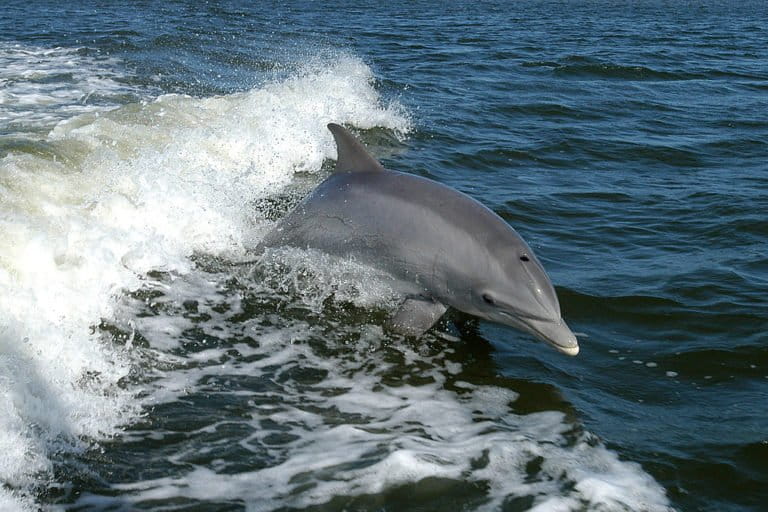
As we observe the annual World Dolphin Day on September 12, the message from the scientific community is clear: protecting these creatures is a form of self-protection for humanity. The decline of dolphin populations is a warning signal that the oceanic systems providing food security, carbon sequestration, and coastal protection are reaching a breaking point.
The future of Indonesia’s marine mammals depends on a shift from reactive management to proactive stewardship. This includes the development of clear protocols for the rehabilitation of stranded dolphins, the implementation of "quiet zones" in critical migratory corridors, and a sustained investment in scientific research. By viewing dolphins not just as subjects of tourism or biological curiosities, but as vital infrastructure for the health of the Indonesian archipelago, the government can take the necessary steps to ensure that these intelligent mammals continue to traverse the nation’s waters for generations to come. The window for effective action is narrowing, but the integration of policy, science, and community engagement offers a viable path toward a more resilient maritime future.