Nila Kartika Wati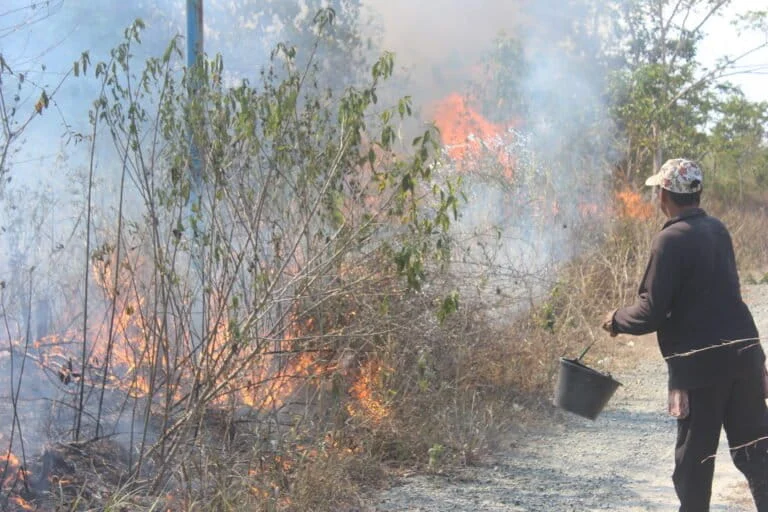
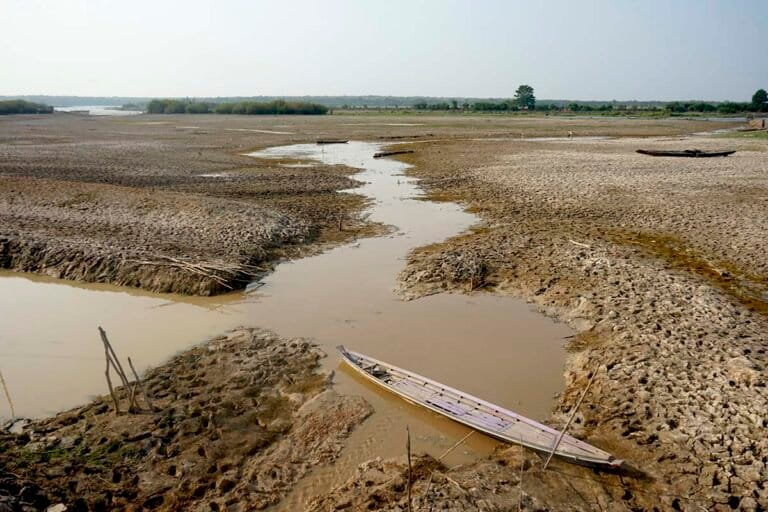
The relentless grip of an intensifying drought, exacerbated by El Niño conditions, has pushed the province of South Kalimantan into a state of emergency as catastrophic wildfires continue to decimate agricultural land, threaten critical water infrastructure, and jeopardize the livelihoods of thousands. By late August 2026, the convergence of prolonged dry weather—marked by over 60 days of zero precipitation in some regions—and surging forest and land fires (karhutla) has created a complex humanitarian and environmental challenge that local authorities are struggling to contain.
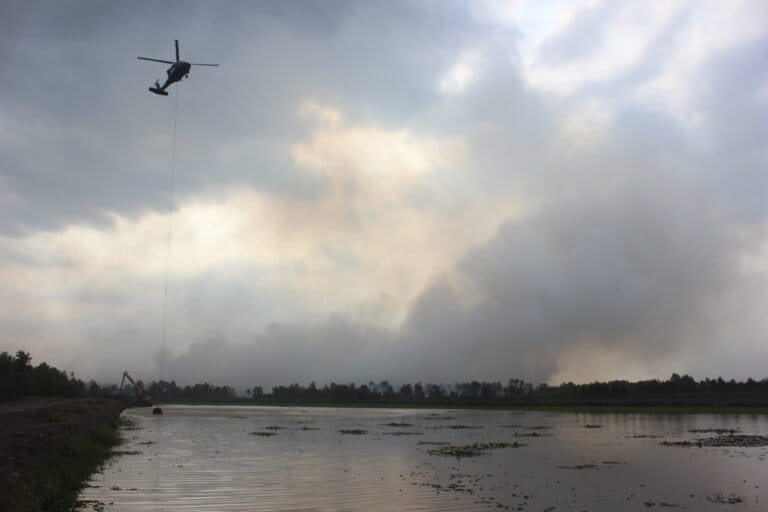
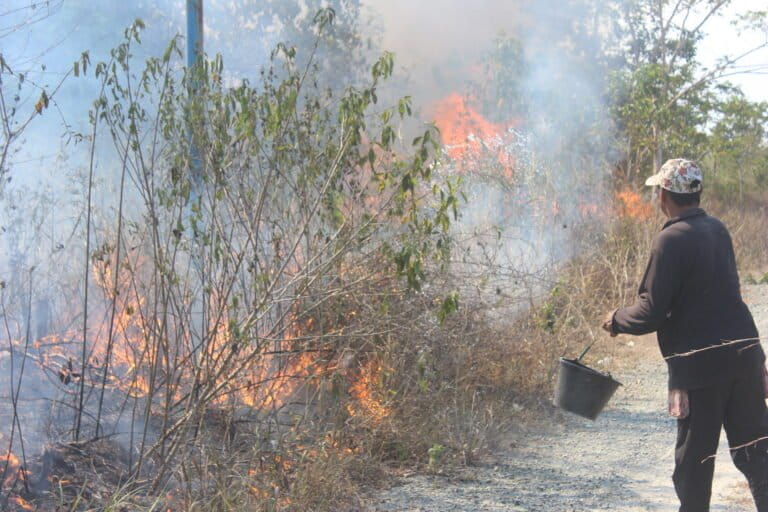
The human cost of this disaster is starkly visible in the outskirts of Banjarbaru, where small-scale farmers like Bambang have seen their life savings turn to ash. On August 24, as thick, acrid smoke enveloped his property, Bambang stood helpless while his 1.2-hectare rambutan orchard—intended to secure his retirement—was consumed by flames. Despite his desperate attempts to defend his land with a newly purchased water pump, the lack of accessible water in nearby irrigation canals, now choked with weeds and parched from the drought, rendered his efforts futile. While water-bombing helicopters circled overhead, their focus remained on larger, more critical fire fronts, leaving individual landowners to face the encroaching inferno alone.
A Meteorological Breakdown: The Anatomy of a Drought
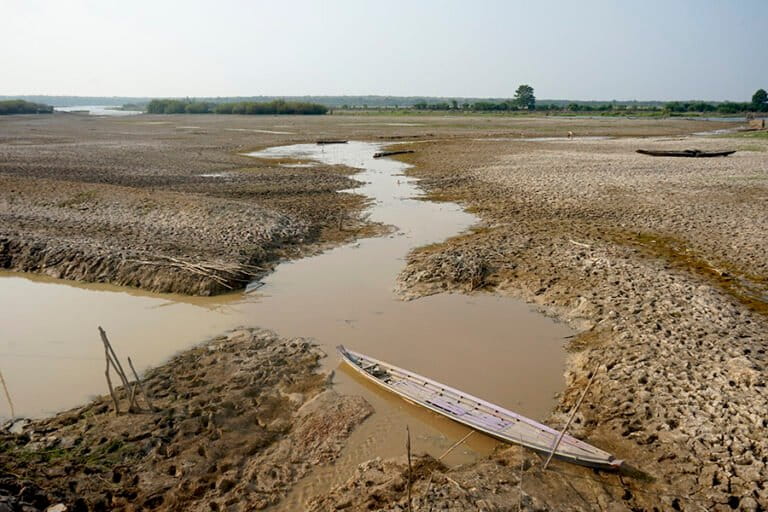
The crisis currently unfolding in South Kalimantan is not an isolated event but the culmination of a severe meteorological anomaly. According to data provided by the Meteorology, Climatology, and Geophysics Agency (BMKG) at the South Kalimantan Class I Climatology Station, the period between August 21 and August 31, 2026, marked a critical tipping point.
Klaus Johannes Apoh Damanik, head of the station, confirmed that numerous regions across the province had entered a state of meteorological drought, with rainfall deficits persisting for more than two months. The BMKG’s warning maps painted a grim picture: while the majority of districts—including Banjarbaru, Barito Kuala, Kotabaru, Tapin, and several Hulu Sungai regions—were placed on "Alert" status, the Tanah Laut regency reached the "Warning" level. This classification serves as a formal notification to regional disaster management agencies to escalate their response protocols, as the hydrological situation continues to deteriorate under the influence of persistent El Niño patterns.
The Logistics of Scarcity: A Crisis of Water
The firefighting effort in South Kalimantan is facing a paradoxical crisis: while the province possesses the financial and organizational capacity to deploy personnel and equipment, it lacks the essential resource to combat the flames. Hanif Faisol Nurofiq, the Deputy Coordinating Minister for Food, underscored the severity of this logistical bottleneck following a high-level coordination meeting in the Pengayuan area on August 24.
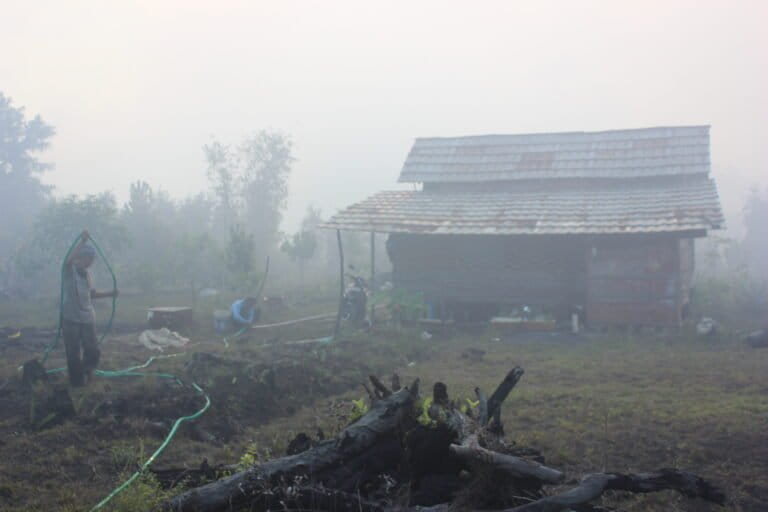
"We have the funding and the logistical framework, but we do not have the water," Nurofiq stated. "Without water, the most advanced firefighting technology remains ineffective."
This scarcity has placed immense pressure on strategic water reservoirs, most notably the Riam Kanan dam. The facility is the lifeblood of the regional economy, providing irrigation for agriculture, water for municipal distribution, and 30 megawatts of electricity to the local power grid. The plummeting water levels in Riam Kanan have forced the provincial government to initiate urgent assessments to balance the needs of fire suppression, agricultural irrigation, and municipal water security. The risk is that prioritizing water for firefighting may inadvertently destabilize the power grid or force water rationing for the general population.
The Human Toll and Economic Ripple Effects
The impact of the drought extends far beyond the scorched earth of individual farms. In the urban centers, the demand for clean water has surged to unprecedented levels. PT Air Minum (PTAM) Intan Banjar has reported a significant behavioral shift among its consumer base. As private wells and local water sources have dried up, thousands of residents have turned to the municipal water supply, leading to a massive increase in new service connections.
Between July and mid-August 2026, PTAM Intan Banjar recorded an influx of approximately 5,000 new customers, bringing the total subscriber base to 122,000. This spike in demand, coupled with increased per-capita usage—rising from 12 cubic meters to as much as 14 cubic meters per month—has caused a drop in pressure across the distribution network. Mahyuni, a spokesperson for the utility, noted that the system is under extreme strain, particularly during peak morning and evening hours. "The end-of-line users are the most vulnerable," Mahyuni explained. "We are urging the public to exercise extreme caution, store water when possible, and eliminate non-essential usage."
Regional Response and Disaster Management Chronology
The provincial government and the Regional Disaster Management Agency (BPBD) have been in a state of continuous response since June. The following timeline outlines the progression of the crisis:
- June 17: Official start of the emergency water distribution initiative as early drought signs appeared in the Banjar regency.
- Late July: A noticeable surge in demand for municipal water connections begins, signaling the depletion of private, shallow water sources.
- August 21–31: BMKG issues formal alerts for meteorological drought across 13 districts, identifying the conditions as critical.
- August 24: A major coordination meeting is held in Banjarbaru. Deputy Minister Nurofiq highlights the critical shortage of water for firefighting operations.
- August 27: BPBD officials confirm that 45 villages across 13 sub-districts are suffering from acute water shortages, necessitating an emergency relief effort.
In the Banjar regency, the scale of the relief operation is massive. Between mid-June and late August, the BPBD distributed over 1.5 million liters of clean water to affected communities. The most severely impacted areas, such as the Astambul district, received nearly 500,000 liters of water alone. To facilitate this, the government has provided 248 large-capacity water tanks for temporary community use. Wasis Nugraha, head of the BPBD for Banjar, emphasized that this is a long-term battle: "We have been operating in crisis mode for over a month, and we are directing all resources to the villages where the water supply has completely ceased."
Broader Implications and Future Outlook
The current situation in South Kalimantan serves as a grim case study on the intersection of climate change and local disaster resilience. The combination of land clearing, peatland degradation, and the cyclical nature of El Niño creates a "perfect storm" that degrades the environment and disrupts the economy.
The economic implications are twofold: the immediate loss of agricultural output, which threatens local food security, and the long-term cost of disaster management. When municipal utilities are forced to shift from standard service provision to emergency crisis management, the cost of water production increases, often leaving the most vulnerable populations at risk of higher tariffs or service interruptions.
Furthermore, the environmental degradation caused by the fires—releasing massive quantities of carbon into the atmosphere—contributes to a feedback loop that may only worsen future climate patterns. Experts suggest that unless the regional government implements more robust water management infrastructure and stricter land-use regulations that prevent the drying of peatlands, these crises will likely become more frequent and more intense.
As of late August, the outlook remains uncertain. While emergency supplies and firefighting efforts continue, the relief of the drought remains dependent on the arrival of the monsoon season. Until then, for residents like Bambang, the struggle is not just against the flames, but against the clock to save what little remains of their livelihoods in a landscape transformed by fire and dust. The provincial government’s upcoming review of the Riam Kanan reservoir will be a pivotal moment in determining how the region survives the remainder of the dry season and how it will prepare for the inevitable challenges of the future.