Bambang Pamungkas
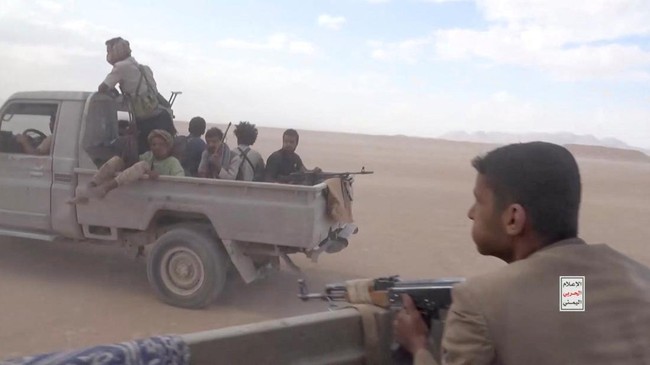
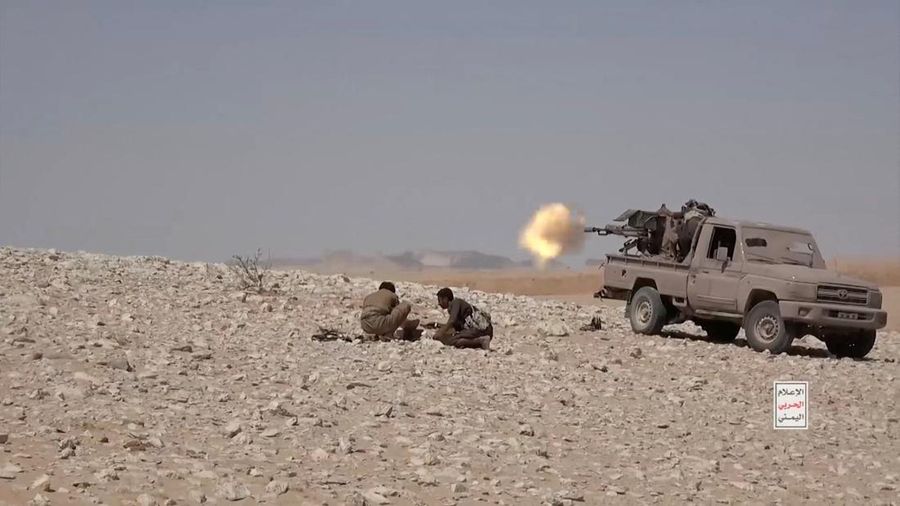
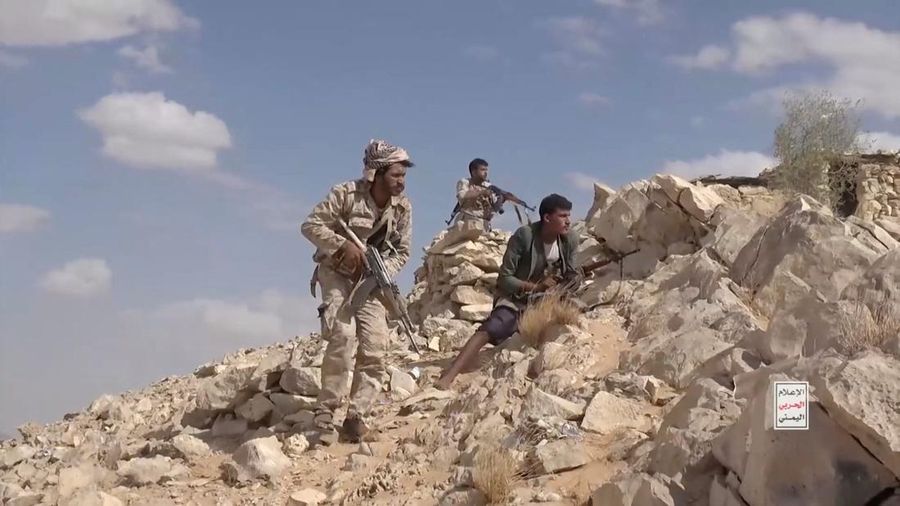
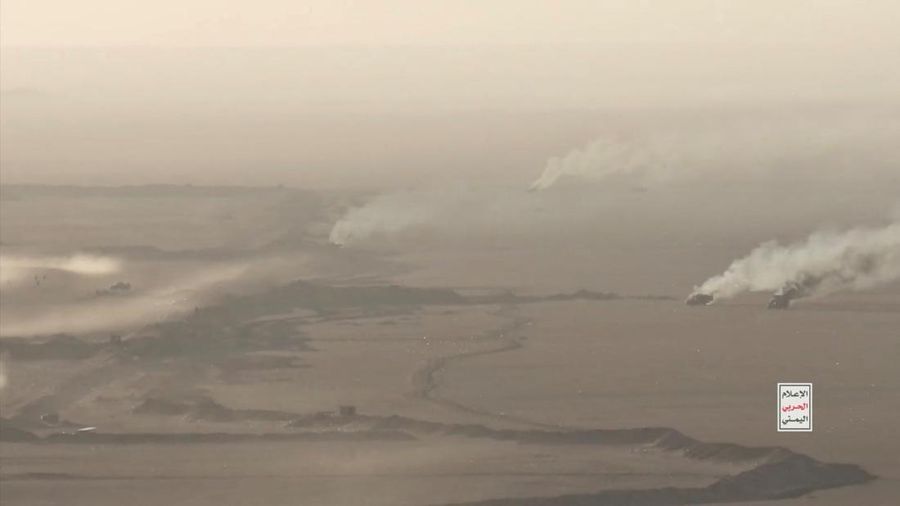
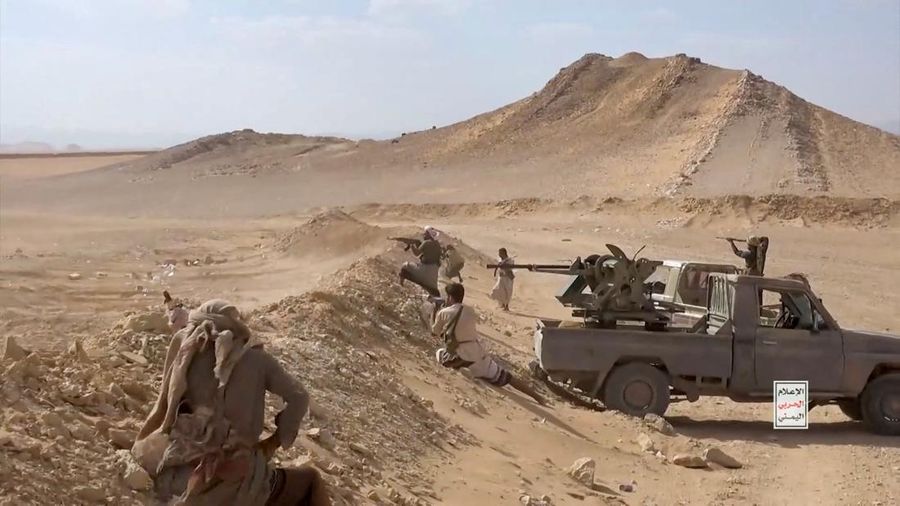
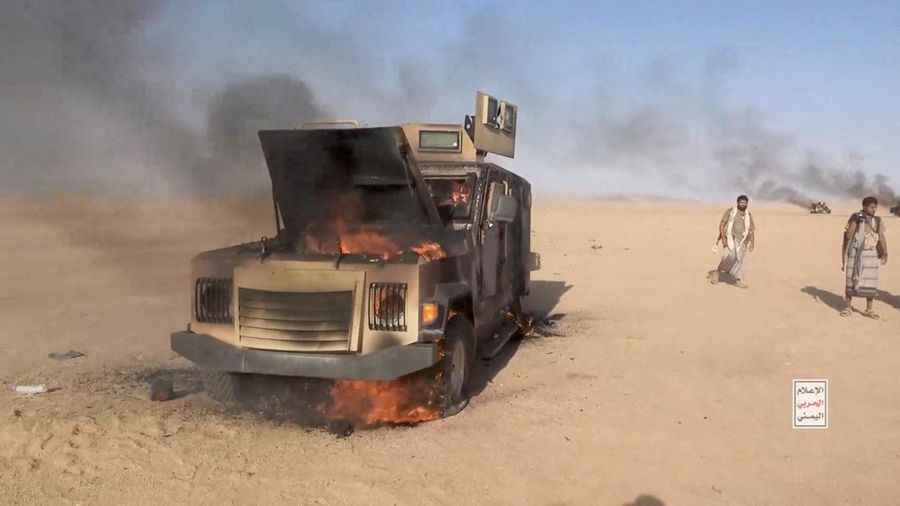
The security landscape of the Arabian Peninsula has experienced a sharp and alarming deterioration following a resurgence of active combat between the Houthi movement and coalition forces aligned with the internationally recognized Yemeni government and backed by Saudi Arabia. Recent military footage released by the Ansar Allah Media Center—the official communications wing of the Houthi movement—has brought to light intense frontline skirmishes in the eastern Yemeni province of Jawf. This visual documentation, alongside concurrent reports of airstrikes and maritime threats, signals a profound breakdown of the fragile equilibrium that has largely held the region in check since the landmark UN-brokered truce of 2022.
The renewed hostilities threaten to unravel years of painstaking diplomatic efforts aimed at securing a permanent political settlement to one of the world’s most devastating humanitarian and geopolitical crises. As military engagements intensify across multiple flashpoints, regional stability hangs in the balance, drawing concern from international observers and humanitarian organizations alike.
Escalation in Jawf and Saada: A Chronology of Renewed Hostilities
The latest flare-up marks a dramatic departure from the relative lull that characterized the Yemeni conflict over the preceding years. According to military statements issued by Houthi authorities, the past 24 hours alone have witnessed over 50 discrete military strikes directed against their defensive positions by Saudi-led coalition aircraft. These operations appear concentrated primarily along volatile demarcation lines and strategic border areas.
Further compounding the escalation, reports broadcast by Almasirah television—the primary media network operated by the Houthi movement—confirmed that Saudi warplanes launched precision airstrikes targeting the rugged mountainous terrain of Saada. Saada has historically served as the ultimate stronghold, political nerve center, and spiritual base of the Houthi movement, making operations in this sector particularly provocative.
Cumulatively, Houthi military spokespersons claim that their positions have sustained upwards of 100 aerial and artillery attacks since Tuesday of the preceding week. Despite the volume of these reported strikes, the current military campaign appears deliberately calibrated. Analysts note that coalition air power has concentrated heavily on active frontline combat zones and contested peripheries rather than striking deep into core urban centers under Houthi control, such as the national capital, Sanaa. This tactical restraint suggests that while military pressure is mounting, both sides may still be probing each other’s boundaries rather than seeking an immediate, all-out conventional war for territorial conquest.
Background and Context: The Fragile Aftermath of the 2022 Truce
To understand the gravity of the current escalation, it is essential to examine the historical trajectory of the Yemeni conflict. The war effectively commenced in late 2014 and early 2015 when Houthi forces swept out of Saada, captured Sanaa, and ousted the internationally recognized government led by President Abdrabbuh Mansur Hadi. This rapid territorial expansion prompted a decisive military intervention in March 2015 by a coalition led by Saudi Arabia and the United Arab Emirates, aimed at restoring the ousted administration.
For nearly a decade, the conflict devolved into a protracted stalemate characterized by devastating airstrikes, a crippling land, air, and sea blockade, widespread famine, and immense civilian casualties. The turning point arrived in April 2022, when the United Nations brokered a nationwide truce. Although that formal agreement officially expired after several months without a comprehensive renewal, it successfully ushered in a prolonged period of de-escalation. During this window, direct back-channel negotiations between Riyadh and Sanaa, facilitated by Omani mediators, raised hopes that a sustainable peace treaty was within reach.
However, the underlying political divisions, unresolved disputes over public sector salaries, oil revenue sharing, and the ultimate governance structure of a post-conflict Yemen were never fully resolved. The recent outbreak of fighting in Jawf and the surrounding borderlands underscores the fragility of negative peace—a state where formal hostilities are paused, but fundamental grievances and mutual mistrust remain unaddressed.
The Maritime Dimension: Red Sea Threats and Economic Warfare
The resurgence of violence is not confined to land-based skirmishes in eastern and northern Yemen. In tandem with the military confrontations on the ground, the Houthi leadership has escalated its strategic posture by announcing a naval blockade targeting Saudi maritime interests. Houthi officials have explicitly warned that commercial and military vessels associated with Saudi Arabia operating within the strategic expanse of the Red Sea will be treated as legitimate targets.
This maritime dimension introduces a severe economic and geopolitical risk factor. The Bab el-Mandeb Strait, situated at the southern entrance to the Red Sea, is one of the world’s most critical maritime chokepoints, through which a substantial portion of global energy supplies and international trade flows. Any sustained campaign of maritime harassment or blockade by the Houthi movement threatens not only Saudi economic infrastructure and shipping lanes but also triggers profound anxieties regarding international freedom of navigation, global supply chain resilience, and energy market stability.
Official Responses and the Silence from Riyadh
As of press time, official channels in Riyadh have maintained a cautious silence, offering no direct public confirmation or detailed operational breakdown of the recent airstrikes reported by Houthi media. The Kingdom of Saudi Arabia has increasingly favored a diplomatic exit strategy from the Yemeni quagmire, prioritizing its ambitious domestic economic transformation plans under Vision 2030 and seeking to project an image of regional stability and peacemaking.
The lack of immediate official commentary from the Saudi-led coalition reflects the delicate diplomatic tightrope Riyadh must walk. Acknowledging active combat operations could jeopardize ongoing peace talks and invite renewed retaliatory cross-border drone and missile strikes against Saudi critical infrastructure—tactics that the Houthi movement has previously employed with devastating precision. Conversely, failing to respond to perceived military encroachments or provocations risks undermining the morale of allied Yemeni government forces on the ground.
Meanwhile, the internationally recognized Presidential Leadership Council of Yemen has echoed concerns over the breakdown of the truce, accusing the Houthi movement of exploiting the prior peace window to regroup, rearm, and prepare for new territorial offensives. International diplomatic bodies, including the United Nations Security Council, have repeatedly urged maximum restraint from all belligerents, warning that a return to full-scale warfare will exacerbate an already catastrophic humanitarian crisis that has left millions of Yemenis dependent on international aid.
Fact-Based Analysis of Implications and Future Outlook
The sudden escalation of violence in Jawf and Saada, coupled with maritime threats in the Red Sea, carries severe implications for the future of the region:
-
Stalled Peace Diplomacy: The revival of active combat significantly diminishes the immediate viability of finalizing a comprehensive bilateral peace agreement between Saudi Arabia and the Houthi movement. Trust, which was painstakingly built over months of talks, is rapidly eroding.
-
Humanitarian Vulnerability: A return to sustained military operations threatens to displace newly vulnerable civilian populations, disrupt critical agricultural and commercial supply routes, and severely hamper the delivery of humanitarian assistance to remote areas of Yemen.
-
Regional Security Spillover: The intersection of the Yemeni conflict with broader regional tensions—including ongoing confrontations involving various axis-of-resistance groups across the Middle East—amplifies the risk of miscalculation. A localized skirmish in eastern Yemen now carries the potential to ignite wider regional friction.
-
Economic Toll: Continued threats to Red Sea shipping lanes risk driving up maritime insurance premiums, disrupting global trade logistics, and inducing volatility in international energy markets.
In conclusion, the emerging clashes in Yemen’s eastern provinces represent a critical stress test for the regional de-escalation architecture. Whether this flare-up remains a localized tactical escalation or cascades into a broader resumption of the multi-year civil war will depend heavily on the willingness of regional and international stakeholders to re-engage in urgent diplomatic containment before the window for peace closes entirely.