Lusiana Hamidun
The global fashion landscape witnessed a significant transition today as the Armani Group officially announced the appointment of Dario Vitale as the new creative director of Emporio Armani and the accessories division for the Giorgio Armani brand. This strategic move marks a pivotal moment for the Milanese fashion house, as it signals a transition toward a new creative chapter following the passing of founder Giorgio Armani last year. Vitale, whose brief yet meteoric tenure at Versace captivated the industry, is tasked with balancing the heritage of the house with a contemporary, revitalized vision.
A Career Defined by Strategic Precision
Dario Vitale’s trajectory through the echelons of European luxury has been marked by a blend of technical mastery and an intuitive grasp of market sentiment. Born in 1983 in Southern Italy, Vitale pursued his formal design education at the prestigious Istituto Marangoni in Milan. His foundational training included a formative stint at Bottega Veneta under the mentorship of Tomas Maier, an experience that instilled in him the importance of craftsmanship and material integrity.
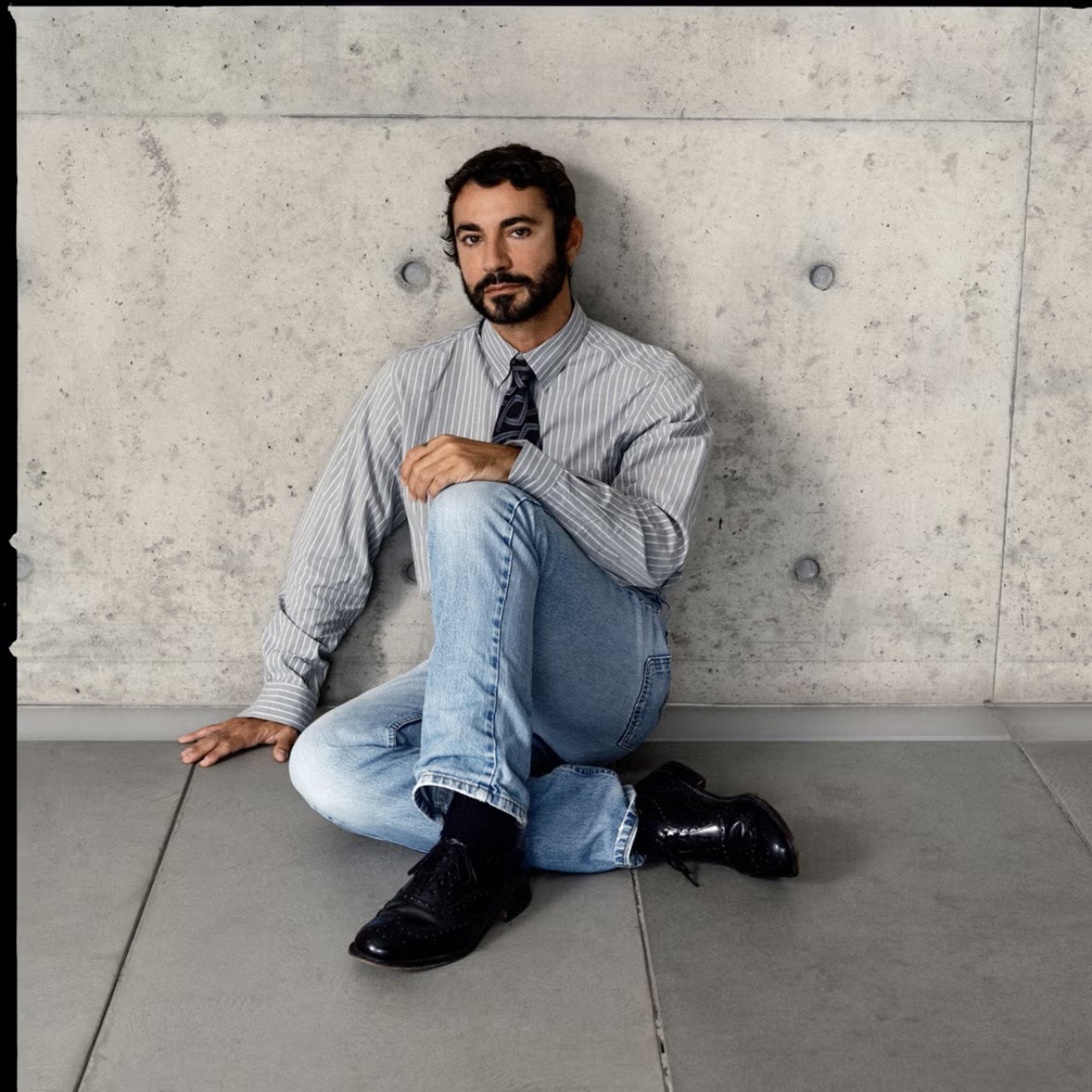
In 2010, Vitale joined Miu Miu, where he ascended to the role of design director for ready-to-wear, eventually overseeing brand image. His fifteen-year tenure there provided him with a comprehensive understanding of brand positioning and the complexities of the bridge-luxury market. His departure in 2025 led to his appointment as chief creative officer at Versace, a role that brought him international acclaim for his singular, high-impact collection for Spring 2026. This collection, characterized by a fusion of 1980s Gianni Versace archives with a contemporary, "clubby" sensibility, demonstrated his ability to leverage brand heritage while inviting critical discourse.
Chronology of a Creative Transition
The appointment follows a period of intense speculation within the industry regarding the future of the Armani Group. The timeline of recent developments is as follows:
- 1975: Giorgio Armani establishes his eponymous fashion house, revolutionizing tailoring by introducing unstructured silhouettes.
- 2024: The industry mourns the passing of Giorgio Armani, prompting a transition of creative leadership to Silvana Armani and Leo Dell’Orco.
- Early 2025: Dario Vitale departs Miu Miu and is appointed Chief Creative Officer of Versace.
- December 2025: Vitale debuts his first and only collection for Versace, earning critical praise and commercial success.
- January 2026: Vitale departs Versace as the house undergoes strategic realignment following its acquisition by the Prada Group.
- Current Date: The Armani Group confirms Vitale’s appointment, tasking him with the creative direction of Emporio Armani and Giorgio Armani’s accessory lines.
The Armani Legacy and the Need for Evolution
Giorgio Armani’s contribution to fashion is foundational. By dismantling the rigid structures of 1970s menswear and introducing a relaxed, fluid aesthetic, he effectively defined modern Italian elegance. Today, the Armani Group stands as a multi-tiered empire, spanning from the exclusive haute couture of Armani Privé to the accessible, youth-oriented Emporio Armani and the global reach of Armani Exchange.
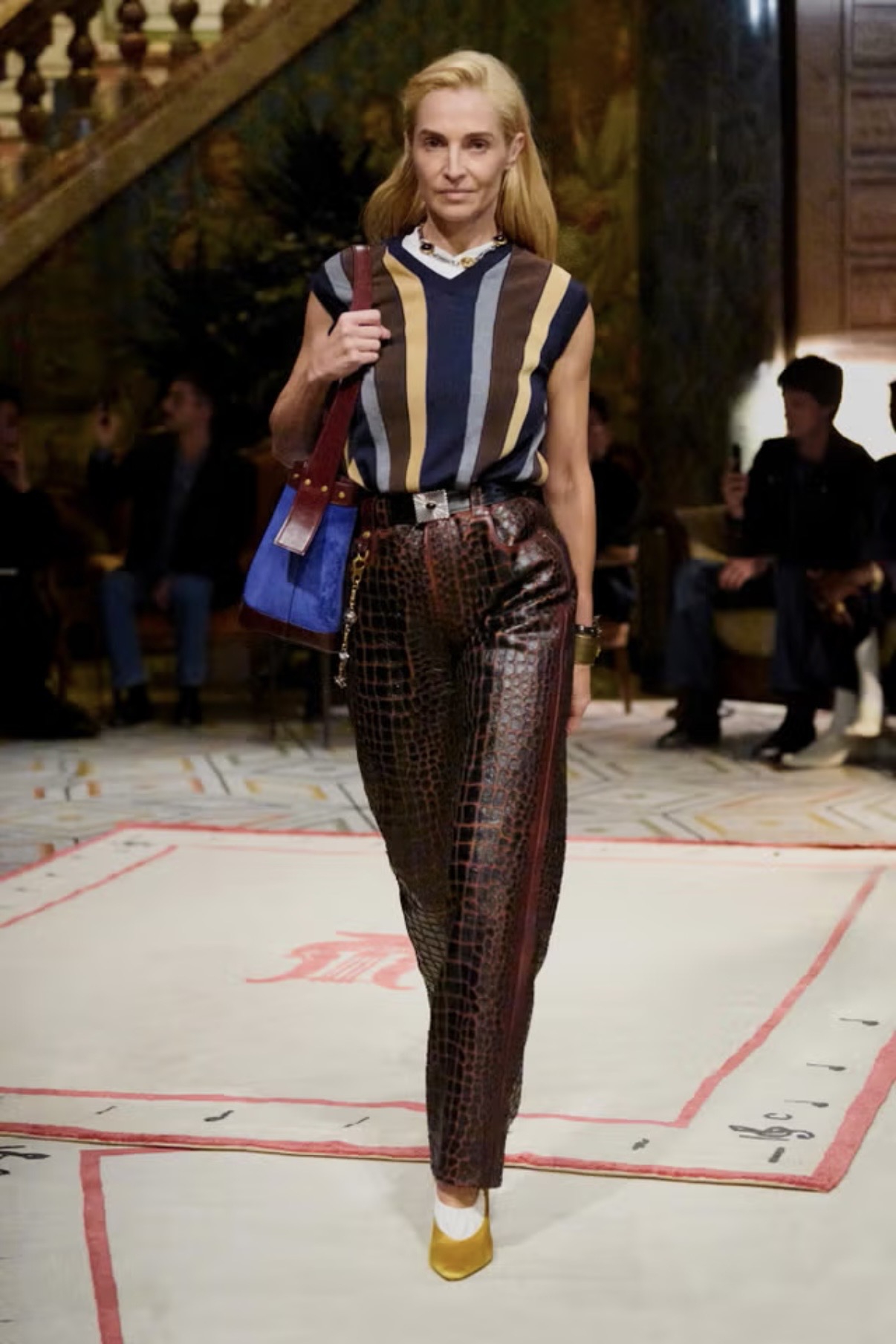
The appointment of Vitale as the first non-family creative director in the house’s history is an acknowledgment that the brand must evolve to remain relevant to a younger, more digitally savvy demographic. While Silvana Armani and Leo Dell’Orco have successfully maintained the brand’s core identity through consistent tailoring and a commitment to "effortless" style, the injection of Vitale’s provocative design language into the Emporio Armani line is intended to capture a new energy.
Official Perspectives and Strategic Alignment
In an official statement released by the Armani Group, Silvana Armani addressed the rationale behind the hire: "Emporio Armani was founded as a laboratory for freedom, experimentation, and dynamic energy. We believe that Dario’s arrival, as a talent of proven international caliber, will allow us to translate that spirit with both respect for our heritage and an authentic vision for the future."
Vitale himself expressed a profound awareness of the weight of the brand’s history. "Armani possesses a distinct, unmistakable design language that has shaped the history of fashion for decades," he stated. "I accept this responsibility with deep enthusiasm, as we prepare to honor this foundation while defining a new era for the brand."
Implications for the Luxury Market
The implications of Vitale’s appointment extend beyond the creative studio. Market analysts suggest that this move is a calculated attempt to reinvigorate the "bridge luxury" segment, where competition is fierce and consumer loyalty is increasingly driven by cultural relevance.
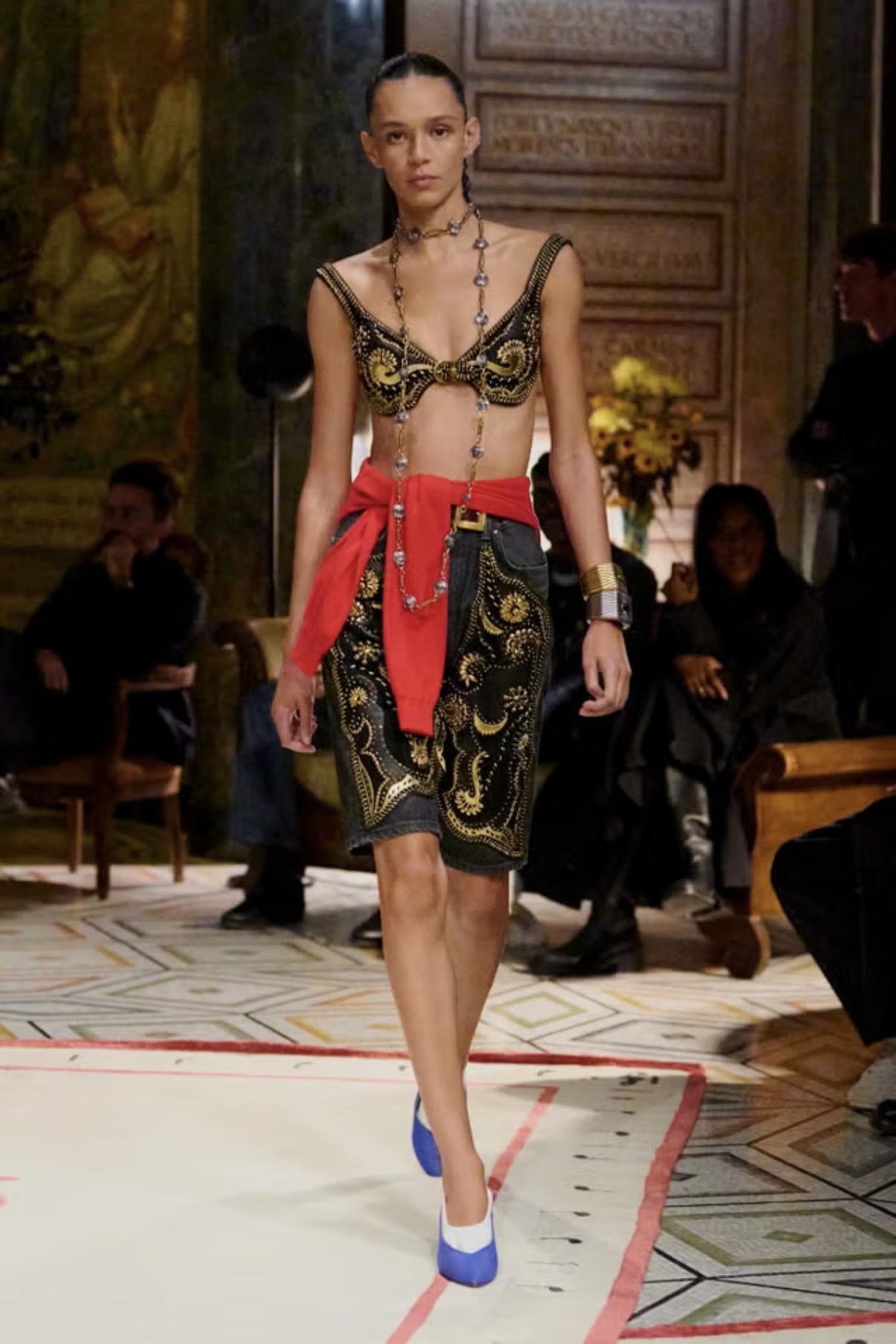
Vitale’s previous success with accessories—particularly the retro-inspired pumps and Art Deco-inflected hardware that became staples of the New York and Milan fashion weeks—suggests a clear focus on high-margin product categories. By placing him at the helm of the Giorgio Armani accessories division, the Group is likely aiming to replicate this commercial success, leveraging his ability to create "it" products that drive foot traffic and social media engagement.
Furthermore, the appointment serves as a test case for how an established, family-led institution can integrate external creative talent without diluting the brand’s DNA. The success of this transition will be closely watched by investors and industry peers, as it may set a precedent for how other legacy houses manage succession in a post-founder era.
Analytical Outlook: Risk and Reward
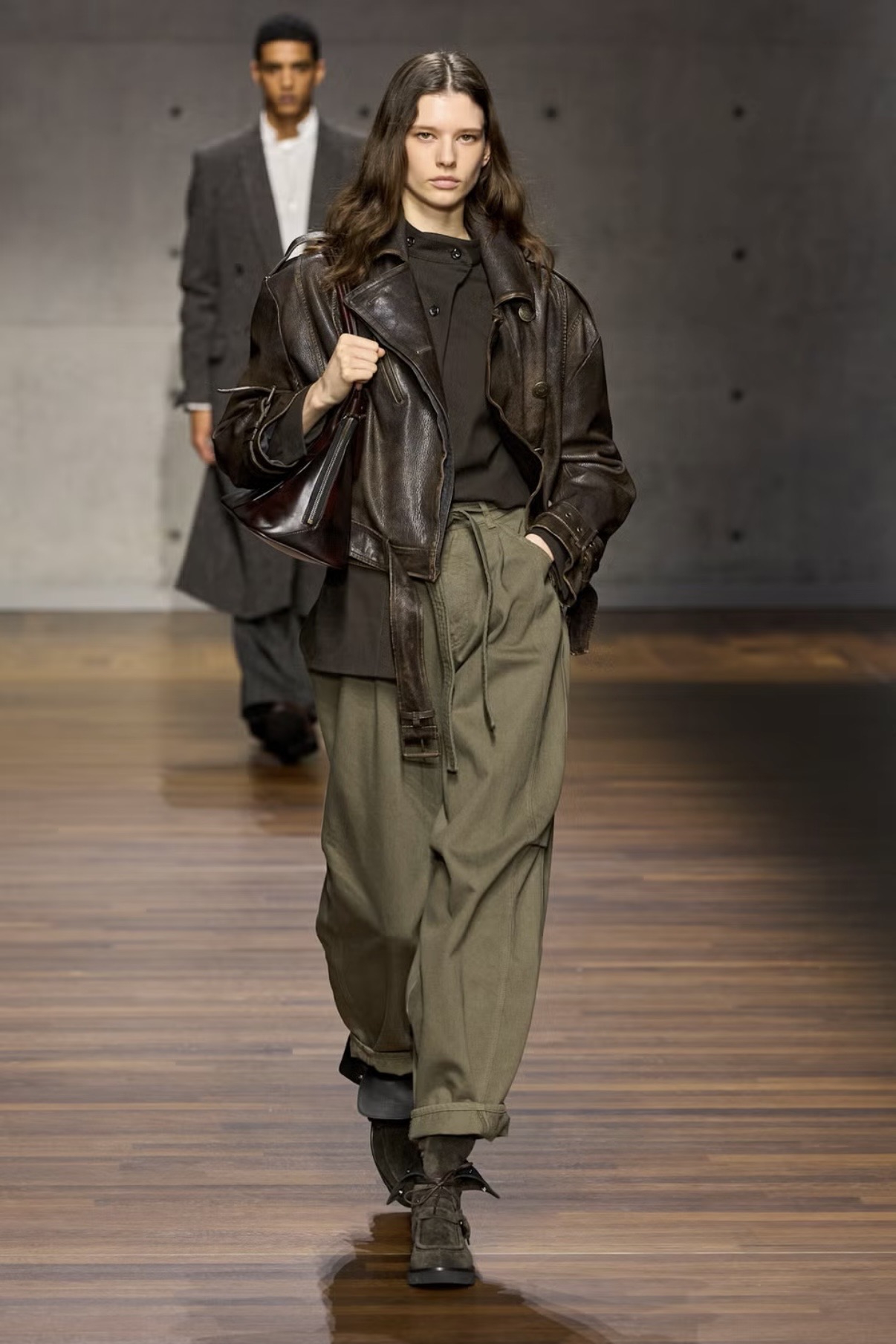
Critics have noted that the luxury sector is currently facing a period of caution, with many brands relying heavily on historical archives to mitigate risk. Vitale, however, has proven to be a disruptor. His work at Versace did not seek to play it safe; rather, it engaged with the tension between the past and the present, a strategy that resulted in both debate and high sell-through rates.
The challenge for Vitale will be to maintain the "louche," sophisticated essence of Armani while introducing the edge that defined his previous work. If his debut collection for Emporio Armani succeeds in blending these two sensibilities, it will likely serve as a catalyst for growth within the brand’s younger demographics.
As the industry looks toward the upcoming seasonal cycles, the spotlight remains fixed on Milan. The appointment of Dario Vitale is not merely a change in personnel; it is a declaration of intent. It signals that even a brand as established and protected as Armani is willing to embrace a degree of uncertainty in exchange for the possibility of renewed cultural dominance. The effectiveness of this move will be measured not just by the aesthetic success of the upcoming runway collections, but by the brand’s ability to sustain its prestige in an increasingly volatile global market.
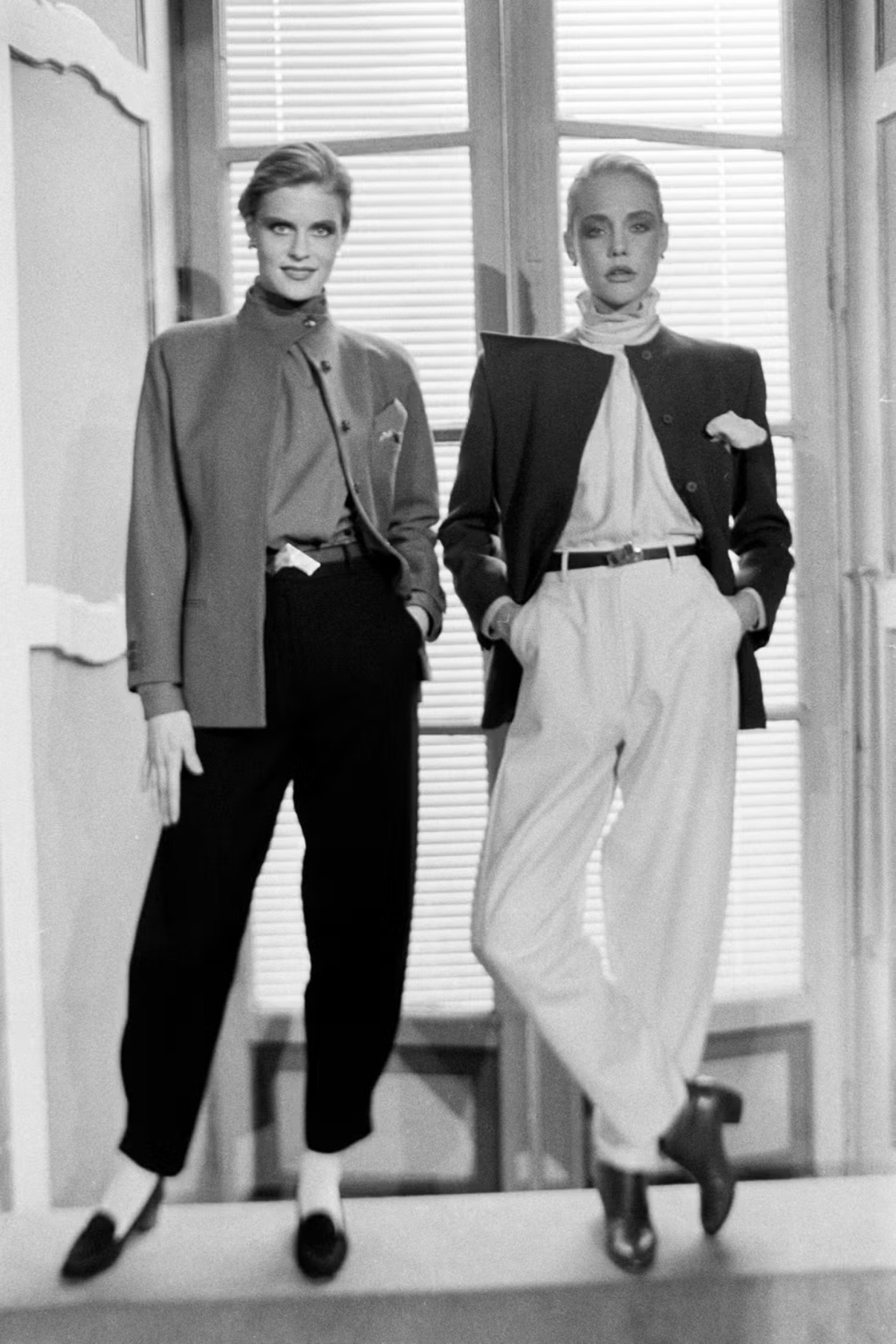
For now, the fashion world waits for the first glimpse of a collection that promises to merge the storied elegance of the house of Armani with the provocative, modern flair of one of Italy’s most talked-about designers. The stakes are high, but the potential to redefine the brand’s trajectory for the next generation of consumers remains the defining ambition of this new partnership.