
 Azin Asro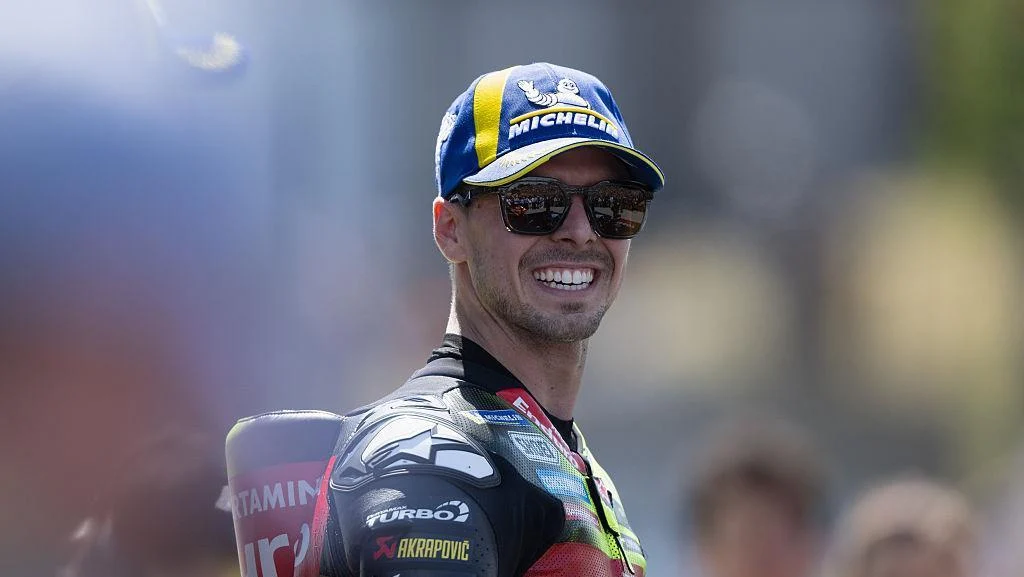
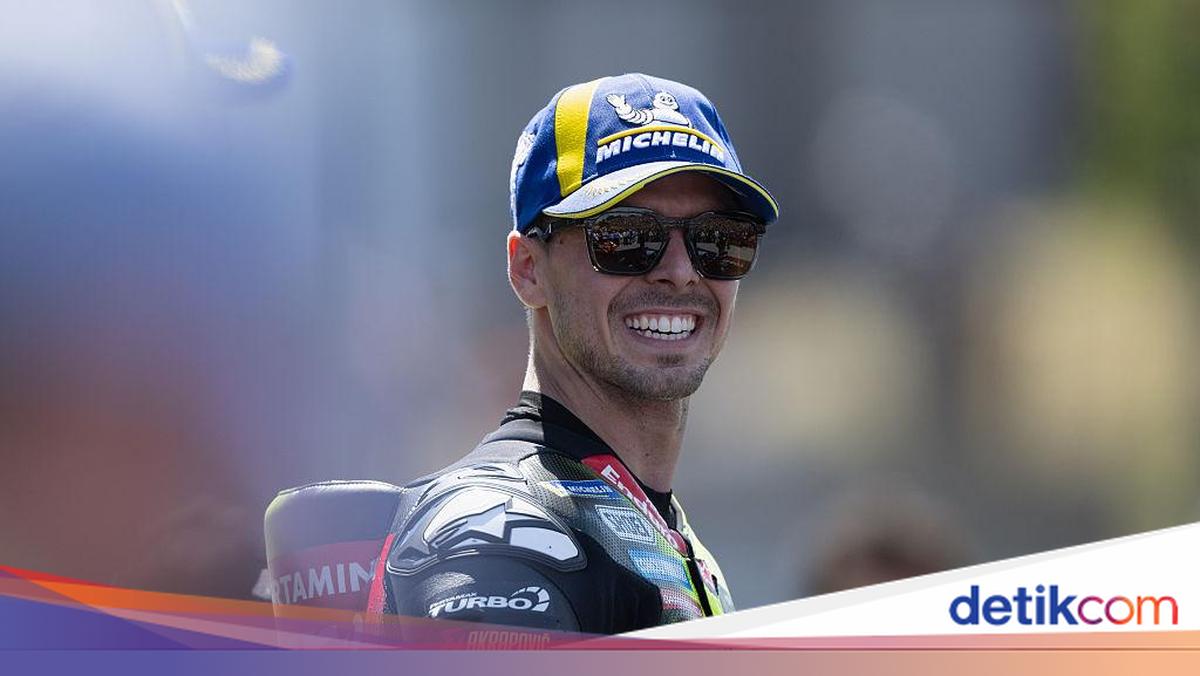
The modern era of elite motorsport places unprecedented demands on athletes, not only in terms of physical endurance and split-second decision-making on the track, but also regarding the constant, unyielding surveillance of the media paddock. This delicate intersection of private professional discourse and public broadcast came under intense scrutiny following the conclusion of the San Marino Grand Prix, when an inadvertent media capture thrust two prominent Ducati riders into the center of a burgeoning technical controversy. Fabio Di Giannantonio, competing under the Pertamina Enduro VR46 Racing Team banner, has publicly addressed and criticized the circulation of a covertly recorded conversation between himself and factory Ducati Lenovo Team rider Francesco Bagnaia, arguing that the modern obsession with sensationalism threatens the fundamental privacy and candid nature of the MotoGP community.
The controversy originated from a casual, off-the-cuff exchange captured by television cameras belonging to Spanish broadcaster DAZN. In the footage, which quickly disseminated across various social media platforms, Di Giannantonio is seen discussing machine setups with Bagnaia, specifically suggesting that the reigning world-class contender adopt a distinct motorcycle configuration to alleviate some of the handling difficulties he had been encountering. However, the revelation came when Bagnaia responded that the manufacturer’s internal hierarchy and technical management had explicitly barred him from pursuing such adjustments, stating on record that Ducati officials would not permit the modification. This brief, unguarded audio clip immediately triggered a flurry of speculative commentary among racing analysts, fans, and industry insiders, casting a spotlight on potential friction points between factory riders and their engineering superiors regarding machine development, autonomy, and performance optimization protocols.
Refusing to Feed the Speculative Cycle
Confronted with the massive wave of online interpretations regarding the Ducati garage dynamics, Di Giannantonio firmly drew a line during subsequent media engagements, expressing his reluctance to delve into the substantive technical aspects of the conversation. Instead, the Italian rider shifted the focus toward what he considers a more alarming issue: the ethical boundaries of sports broadcasting and the systematic erosion of athlete privacy within the confines of the paddock.
"I do not wish to discuss the core of that story, because that is not my story to tell," Di Giannantonio stated firmly during media debriefs. "However, I can say one thing with absolute clarity: we riders, particularly those of us who are Italian and have known one another for a very long time, constantly talk about our motorcycles. It is a completely natural behavior for us. What transpired was an interaction that occurred outside the range of cameras—or at least, what we reasonably believed was outside the range of cameras—only to discover later that a lens had captured it."
The VR46 rider emphasized that the dialogue was never intended for public consumption, nor was it structured as an official technical critique of team management. In his view, broadcasting private moments between competitors solely to drive digital engagement and secure views represents a troubling industry trend that disregards the personal boundaries of athletes who are already subjected to relentless public scrutiny throughout a grueling race weekend.
"From my perspective, that sort of broadcasting is somewhat inappropriate, because it involves another rider discussing private, professional matters," Di Giannantonio continued. "Sometimes, it would be far better to respect specific situations rather than simply chasing additional clicks and engagement metrics."
A Culture of Mutual Support and Mentorship
To contextualize the nature of the conversation, Di Giannantonio elaborated on the long-standing professional relationships that exist behind the scenes in the premier class. Far from being an act of insubordination or a coordinated campaign against team engineers, the exchange was part of a continuous, collaborative dialogue among peers navigating the immense technical complexities of contemporary MotoGP machinery.
Modern prototype motorcycles, particularly those developed by manufacturers at the pinnacle of the sport such as Ducati, rely heavily on intricate electronic architectures, advanced aerodynamics, and highly specialized tire management strategies. Because these machines push the absolute limits of physics, riders frequently experience unique handling anomalies, traction limits, and setup dilemmas that cannot always be resolved through standard data telemetry alone. Consequently, riders within the same manufacturer ecosystem—and often across independent and factory squads—rely on organic peer-to-peer discussions to compare notes, analyze riding lines, and share empirical observations regarding chassis behavior.
Di Giannantonio revealed that Bagnaia has consistently acted as a supportive mentor and technical sounding board during periods when the VR46 rider struggled to extract maximum performance from his own machine.
"When I have experienced difficulties with the Ducati, I have always spoken with Pecco and attempted to gather as much insight from him as possible," Di Giannantonio explained. "He has always been exceptionally helpful, striving to offer the best advice so that I could develop and improve my riding. And whenever possible, I try to extend that exact same courtesy to other riders whom I have known for many years. Within our community, that is simply an ordinary conversation between colleagues."
The Proliferation of Paddock Surveillance
The broader implication of the incident extends far beyond a single misinterpreted conversation between two Ducati riders. Di Giannantonio raised critical concerns regarding the omnipresence of media capture devices throughout the paddock, arguing that the saturation of cameras and boom microphones is fundamentally transforming the working environment for athletes.
In recent years, television rights holders, digital streaming platforms, and social media production crews have increased their access to the inner sanctums of motorsport, including pit lanes, hospitality suites, and the immediate post-race cool-down areas. While this immersive access is designed to bring fans closer to the sport, Di Giannantonio warns that it risks creating an atmosphere of institutional paranoia, where riders and team personnel can no longer speak candidly without fear of unintended broadcast.
"The core issue is that nowadays, cameras are everywhere. Always," Di Giannantonio noted with evident frustration. "Consequently, we are steadily heading toward a reality where free, unscripted communication becomes virtually impossible. For that reason, I firmly believe that journalists and broadcasters must maintain certain boundaries, purely for the long-term health and integrity of this sport."
Official Responses and Industry Fallout
Following the rapid dissemination of the video clip across digital channels, the involved parties moved quickly to manage the public relations fallout and clarify the context of the exchange. Francesco Bagnaia addressed the controversy by characterizing the broadcast as an unfortunate misrepresentation of a private dialogue stripped of its proper framework. The factory Ducati rider confirmed that Spanish broadcaster DAZN subsequently issued an apology regarding the airing of the confidential audio capture.
The incident has reignited ongoing debates within the international motorsport journalism community regarding the ethics of "hot-mic" captures and covert audio amplification. While sports broadcasters face immense commercial pressure to deliver exclusive, behind-the-scenes content that satisfies the modern appetite for unfiltered access, governing bodies and media regulators are increasingly forced to evaluate where the line must be drawn between public entertainment and personal privacy.
Implications for Ducati and the MotoGP Landscape
While the immediate media storm surrounding the Di Giannantonio-Bagnaia exchange has begun to subside, the underlying technical narrative touches upon a sensitive reality within the premier class: the delicate balance of power between factory engineering departments and the riders tasked with piloting their machinery.
Ducati Corse, under the leadership of general manager Gigi Dall’Igna, has established an unprecedented era of dominance in MotoGP, engineering machines that consistently set the benchmark across all aerodynamic and mechanical metrics. This success has been built upon rigorous data collection, standardized engineering protocols, and a centralized development philosophy. However, the sheer competitiveness of the grid—alongside the technical parity enforced by modern regulations—means that rider feedback and customized setup preferences remain crucial differentiators in championship battles.
When an elite rider like Bagnaia is perceived to be constrained by internal developmental directives—whether real or misinterpreted through an isolated audio clip—it feeds an intense public appetite for narratives surrounding garage politics and manufacturer control. For Di Giannantonio, the episode serves as a sharp reminder of the hyper-connected, high-stakes environment of modern grand prix racing, where every casual word uttered in the paddock carries the potential to ignite international headlines.
As the championship progresses through its demanding calendar, the incident stands as a cautionary case study for both media organizations and athletes alike. It highlights the urgent need to establish respectful boundaries that preserve the authenticity of athletic competition while protecting the personal spaces of individuals whose lives are lived under an unceasing global lens.








