Nila Kartika Wati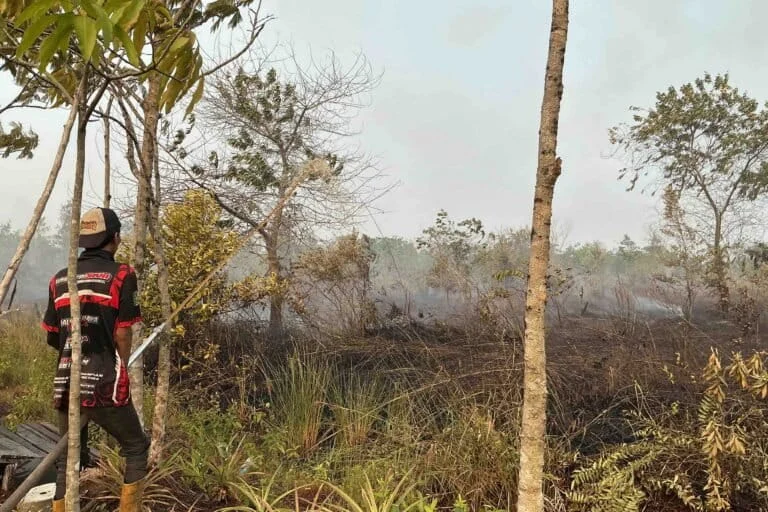
The province of Central Kalimantan, Indonesia, has entered a critical phase of environmental disaster as unrelenting forest and land fires (karhutla) continue to consume vast tracts of peatland, resulting in hazardous air quality and a growing human toll. With the provincial government officially declaring a one-month state of "emergency response" effective from August 31 to September 29, 2026, the region is grappling with the dual challenge of combating infernos and managing the health crisis triggered by a thick, suffocating blanket of toxic haze. The tragedy has been compounded by the loss of three dedicated volunteer firefighters who succumbed to the physical toll of battling the flames, igniting a fierce public debate over the effectiveness of current fire mitigation strategies and the systemic failures that have allowed this annual catastrophe to persist.
A Growing Human Toll
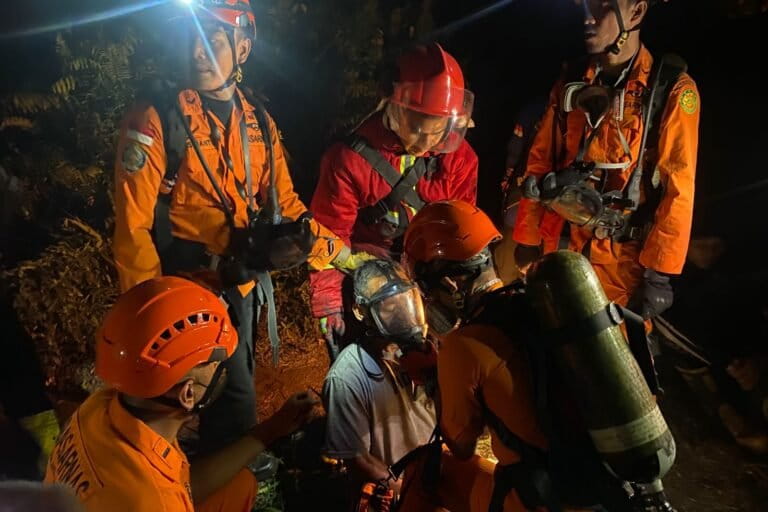
The severity of the 2026 fire season is underscored by the tragic deaths of three volunteers—Akhmad Rizani, Ahmadin, and Aries Sutio Luthfil Hadi—all of whom perished while serving on the front lines. Akhmad Rizani, who led the Fire Response Team in Palangka Raya, passed away on August 27. Shortly thereafter, on August 30, Ahmadin, a firefighter with the Rumah Singgah Ita volunteer group in Pangkalan Bun, lost his life. The most recent fatality occurred on September 10, when Aries Sutio Luthfil Hadi, a member of the Masyarakat Peduli Api (MPA) in Kotawaringin Lama, collapsed and died while being transported to a hospital. Reports indicate that the victims suffered from acute respiratory failure, likely exacerbated by prolonged exposure to smoke and the extreme physical exertion required to combat peat fires. These deaths have sent shockwaves through the local community, serving as a grim reminder of the high stakes involved in the battle against seasonal wildfires.
Chronology of the Crisis
The escalation of the current crisis can be traced back to mid-August 2026, when environmental conditions began to deteriorate rapidly. By August 19, visibility in several parts of Central Kalimantan plummeted to between 300 and 500 meters. This sharp reduction in visibility began to paralyze regional transport, forcing the cancellation or rescheduling of numerous commercial flights.
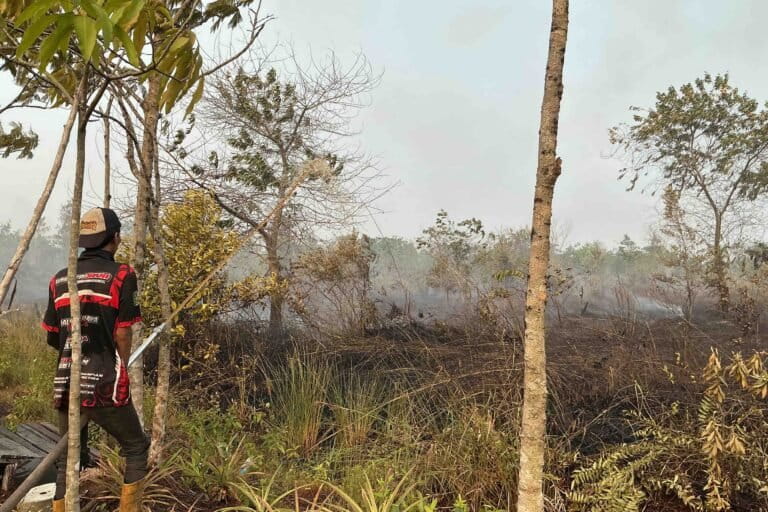
As the fires intensified, the geography of the disaster expanded. By late August, the inferno had reached the Tumbang Nusa region in Pulang Pisau Regency, creeping alarmingly close to human settlements. Residents, still haunted by the memory of the devastating 2015 and 2016 fire seasons, began taking matters into their own hands. Many households have retrofitted their properties with water pumps and other makeshift firefighting equipment, fearing that the flames could reach their homes at any moment.
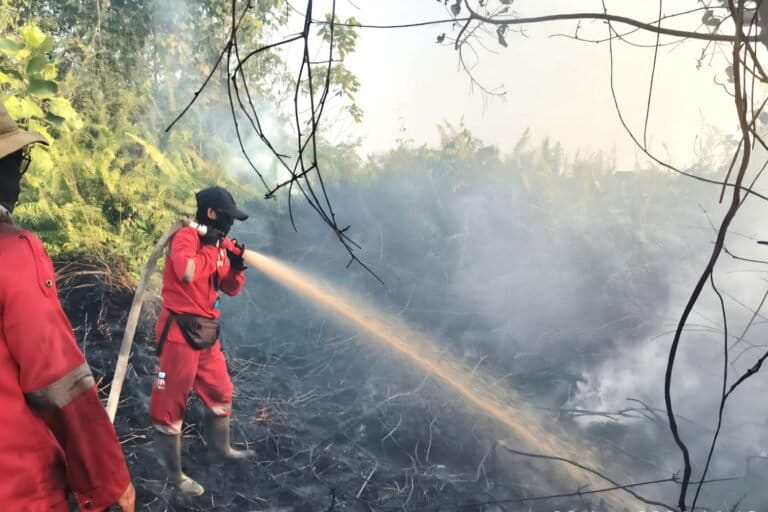
By August 31, the provincial government, led by the Vice Governor of Central Kalimantan, Edy Pratowo, formally elevated the status of the disaster from "alert" to "emergency response." This decision was underpinned by data from the Meteorology, Climatology, and Geophysics Agency (BMKG) and the dangerously high Air Pollutant Standard Index (ISPU) readings recorded across several regencies.
Environmental Drivers and Future Projections
The persistence of the fires is largely driven by a combination of anthropogenic factors and unfavorable climatic conditions. The BMKG has warned that the current El-Nino cycle, which has left the peatlands bone-dry, is expected to persist well into early 2027. This means that the usual rainy season relief, which typically arrives in September or October, may be delayed or insufficient. Meteorologists project only sporadic rainfall until at least early November, creating a prolonged window of vulnerability.
Peatlands, which are central to the landscape of Central Kalimantan, are particularly difficult to extinguish. When they ignite, the fires burn deep underground, often smoldering for months. Even when surface flames appear to be suppressed, the fire continues to consume the carbon-rich soil, releasing vast quantities of carbon dioxide and hazardous particulate matter into the atmosphere.
Public Health and the Economic Impact
The health implications of the haze have been catastrophic. According to data from the Central Kalimantan Health Office cited by the Legal Aid Foundation of Indonesia (YLBHI), by the third week of August 2026, there were at least 72,431 documented cases of Acute Respiratory Infection (ISPA) in the province. Palangka Raya currently reports the highest concentration of these cases, placing an immense burden on the local healthcare infrastructure.
The impact extends beyond health. School closures and the suspension of outdoor activities have disrupted daily life, while the economic productivity of the region has slowed due to logistics disruptions and the need for workers to stay indoors. Civil society groups have pointed out that the current situation mirrors the failures observed in 2015, where the lack of an integrated, preemptive strategy led to thousands of hospitalizations and significant loss of life.
The Debate on Prevention vs. Suppression
A significant point of contention in the current crisis is the government’s heavy reliance on suppression—fighting fires after they have started—rather than long-term prevention. Fathurrohman, a representative of the community-led lawsuit against the government regarding the 2015 haze crisis, argues that the current approach is reactive rather than proactive.
"The concentration is on firefighting, not prevention. That is the fundamental problem," Fathurrohman noted. He argues that prevention should be a year-round, community-based effort, rather than a seasonal scramble for resources. Critics like Andi Kiki of Sawit Watch suggest that the 2026 response feels panicked, indicating a lack of institutional learning from previous disasters. There is a broad consensus among policy analysts that the government must move toward an integrated system that includes better land-use regulation, stricter law enforcement on industrial concessions, and the empowerment of local communities to serve as the first line of defense.
Protecting Traditional Knowledge
The discourse surrounding the fires has also reignited tensions between policy makers and indigenous communities. There have been repeated calls to distinguish between industrial-scale land clearing and traditional indigenous farming practices, such as the "gilir balik" (rotational farming) system used by the Dayak people.
Environmental advocates like Roni Sahala of the Alliance of Indigenous Peoples of the Archipelago (AMAN) argue that traditional farmers are often unfairly scapegoated for the province’s fire issues. Indigenous farmers utilize controlled, small-scale burning techniques governed by generations of local wisdom, which include creating firebreaks and monitoring wind conditions.
"Dayak farmers should not be made into scapegoats," says Damai Alam Usop, chairman of the Batang Garing Foundation. "They are not the cause of massive, systemic forest fires. Instead of being criminalized, their knowledge of land management and fire control should be integrated into the formal provincial strategy."
The Road Ahead: Need for Systemic Reform
The emergency status in Central Kalimantan is a temporary measure, but the underlying issues are chronic. As the province continues to struggle under the weight of the smoke, the lessons from 2015 and 2019 remain relevant. A successful long-term strategy for Central Kalimantan requires more than just water-bombing helicopters and emergency shelters. It necessitates a fundamental restructuring of land-use policies, particularly regarding the management of peatland ecosystems and the enforcement of environmental regulations on large-scale concessions.
Furthermore, the government must address the specific grievances of the 2015 lawsuit, which demanded the establishment of specialized medical facilities for respiratory health and the provision of free treatment for victims of the haze. Without a commitment to these systemic changes, the cycle of fire and toxic air will likely continue to threaten the lives and livelihoods of the people of Kalimantan, regardless of the official "emergency" status declared by authorities.
As of mid-September, the state of emergency remains in full effect. With the regional government, the military, the police, and volunteer groups struggling to contain the spread of fire near Tumbang Nusa and beyond, the residents of Central Kalimantan continue to wait for a solution that prioritizes their health, their environment, and their future over short-term industrial expansion. The loss of the three volunteers stands as a sobering call to action, demanding that the government move beyond the rhetoric of "emergency response" and toward a permanent, sustainable framework for environmental stewardship.