Nila Kartika Wati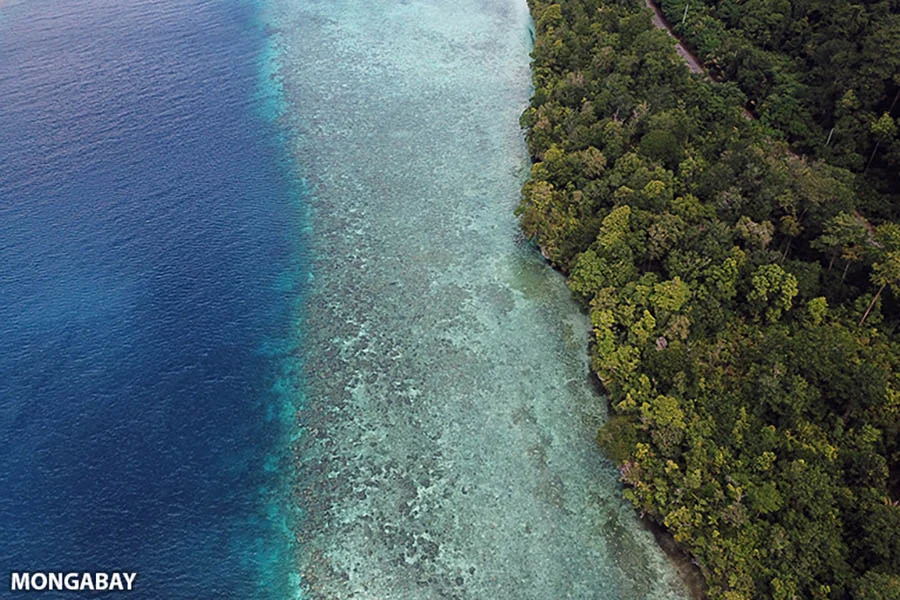
Peatland fires in Indonesia have emerged as a critical environmental crisis that challenges conventional firefighting strategies, forcing authorities and scientists to evaluate the controversial possibility of using seawater to extinguish subsurface blazes during prolonged droughts. As the archipelago faces the compounding effects of climate change and El Niño-induced water scarcity, the reliance on freshwater for emergency response has become increasingly untenable, prompting a rigorous debate over the ecological cost of turning to the ocean to douse flames that burn deep beneath the surface.
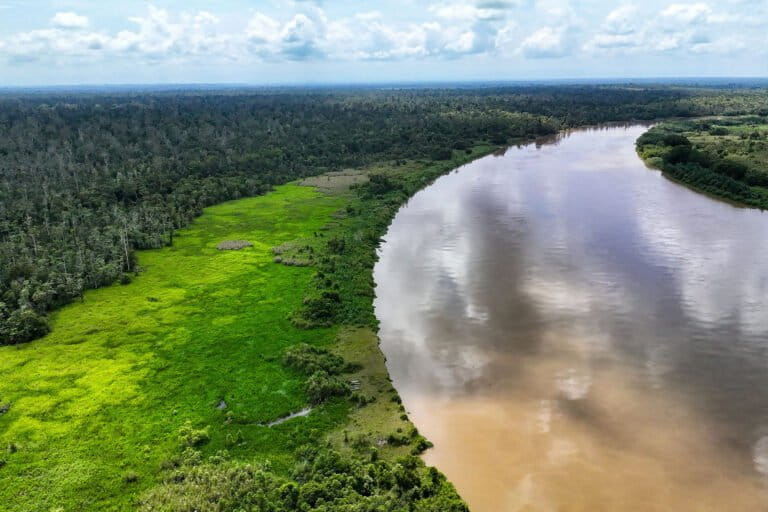
The nature of peatland fires is inherently distinct from terrestrial forest fires. Composed of organic material that has accumulated over thousands of years, peat acts as a carbon sink, sequestering vast amounts of greenhouse gases. When these areas dry out—often due to human-induced drainage for agricultural expansion or extreme weather events—the peat becomes a highly combustible fuel source. Unlike surface fires, which consume canopy and undergrowth, peat fires are characterized by smoldering combustion that can penetrate meters underground. These fires can persist for weeks or months, defying traditional suppression efforts and releasing massive plumes of toxic haze that pose severe public health risks across Southeast Asia.
A Chronology of Crisis and Resource Scarcity
The urgency of the current situation is underscored by a history of recurring, devastating fire seasons. The 2015 and 2019 fire events serve as grim benchmarks in Indonesian environmental history, where millions of hectares of land were scorched, resulting in an estimated $16 billion in economic losses in 2015 alone. The year 2026 has witnessed a resurgence of this phenomenon, with heavy haze once again blanketing urban centers like Palembang, mirroring the crises of previous years.
As freshwater reservoirs deplete during the peak of the dry season, emergency management teams have struggled to maintain a consistent water supply for aerial and ground-based suppression. In the past, instances of using saltwater to combat fires—such as the 2020 intervention in Meranti—have occurred in extreme, localized circumstances. However, these actions were often tactical responses to immediate threats rather than standardized policy, leaving a significant knowledge gap regarding the long-term chemical and biological repercussions on the delicate peatland ecosystem.
The Scientific Perspective: Balancing Emergency Needs with Ecological Integrity
Experts from the National Research and Innovation Agency (BRIN) have been at the forefront of assessing whether the potential benefits of seawater suppression outweigh the permanent damage it may inflict on the soil chemistry.
Augy Syahailatua, a researcher specializing in marine ecology and biodiversity, acknowledges the pragmatism behind the push for seawater usage. "In conditions of extreme emergency, the use of seawater can be compromised, provided that it is conducted under a strictly measured and calculated framework," Syahailatua noted. However, he maintains a cautious stance, emphasizing that seawater is far from an ideal solution. Indonesia’s tropical environment, characterized by high evaporation rates, risks leaving behind high concentrations of sodium and chloride—salt residues that could irreversibly alter the soil’s pH and fertility.
The fundamental concern lies in the salt’s persistence. Once seawater is applied, the water evaporates, but the salts remain, creating a toxic environment for the unique microflora and fauna that define the peatland habitat. This phenomenon is not merely theoretical; historical observations following the 2004 Aceh tsunami demonstrated how saltwater intrusion decimated coastal mangroves and terrestrial ecosystems, with recovery processes taking years, if not decades, to reach even a fraction of their original biodiversity.
Technical Implications and Risk Assessment
From a geochemical standpoint, peat is a living, complex system. Wahyu Catur Adinugroho, a researcher at the BRIN Center for Ecological Research, points out that the introduction of high-salinity water interferes with the natural decomposition processes of organic matter. Peatlands are naturally acidic and nutrient-poor, adapted to specific chemical balances. The sudden influx of mineral-rich seawater could trigger a cascade of negative effects, including the inhibition of native plant growth and the disruption of the microbial communities responsible for carbon sequestration.
Furthermore, there is the risk of infrastructure degradation. The high chloride content in seawater is notoriously corrosive to the specialized equipment used in firefighting, including pump systems, hoses, and the internal components of aerial water bombers. This necessitates a significant investment in specialized, corrosion-resistant technology if seawater is to be integrated into the standard firefighting arsenal.
A Framework for Implementation: The Mitigation Strategy
If seawater is to be utilized as a last-resort option, experts advocate for a systematic approach to minimize environmental footprint. This framework includes several key pillars:
- Strict Volumetric Calculation: Authorities must determine the precise amount of water required to suppress a specific area to avoid over-saturation, which would lead to deeper salt penetration into the soil profile.
- Residual Impact Monitoring: Long-term soil monitoring programs must be established to track the accumulation of salts and their impact on local vegetation, ensuring that the fire suppression effort does not create a "dead zone" that prevents reforestation.
- Technological Integration: The deployment of specialized treatment systems that allow for the temporary storage of seawater—enabling the settling of sediments and potential desalination processes—could mitigate some of the harsh chemical impacts. Such facilities would be most effective in coastal regions of Kalimantan and Sumatra, where proximity to the sea is greatest.
- Ecological Zoning: Not all peatlands are equal. Experts suggest that seawater should be strictly prohibited in high-conservation-value areas or habitats for endangered species, such as the Sumatran orangutan, unless there is an imminent threat to human life.
Broader Economic and Environmental Implications
The debate over seawater usage is emblematic of a broader struggle in Indonesian environmental management: the trade-off between short-term damage control and long-term land viability. If large-scale application of seawater renders land sterile, the long-term economic impact on local communities who rely on these landscapes for agriculture and non-timber forest products could be catastrophic.
Moreover, the conversion of carbon-sequestering peatlands into salt-degraded land represents a double failure in climate change mitigation. By attempting to put out the fire, the intervention could potentially contribute to the degradation of the soil’s capacity to store carbon in the future. The international community, which closely monitors Indonesia’s progress in reducing emissions from deforestation and forest degradation (REDD+), would likely view the unchecked use of saltwater with significant concern.
The Path Forward: Research and Precaution
The consensus among the scientific community is that the use of seawater must remain an option of last resort. It is a tool to be used in the most dire circumstances, where the cost of inaction—the total destruction of a peatland by an uncontrollable fire—is higher than the cost of the chemical intervention.
To bridge the gap between emergency necessity and environmental safety, there is an urgent need for multi-institutional collaboration. This involves not only the National Disaster Management Agency (BNPB) but also environmental scientists, soil chemists, and regional governments. These stakeholders must establish clear, evidence-based protocols that dictate when and how seawater can be deployed.

Further research is also essential to determine the specific salinity thresholds that different types of peat can withstand. By understanding the "tolerance levels" of various peatland regions, authorities can create a more nuanced response plan. This could involve mapping high-risk zones and conducting pilot studies on the impacts of saltwater on already degraded versus pristine peat.
As the 2026 fire season continues to challenge the limits of traditional firefighting, the lesson remains clear: the best approach to peatland fires is not the pursuit of more aggressive chemical suppressants, but rather the restoration of the peatlands’ natural hydrology. By maintaining the water table at appropriate levels, the peat remains saturated with freshwater, effectively preventing ignition in the first place. Seawater may be a necessary shield in a moment of extreme crisis, but it is not a cure for the systemic vulnerability of Indonesia’s peatland ecosystems. The focus must remain on preventative measures, community-led land management, and the long-term restoration of the vital hydrological functions that keep the Indonesian archipelago from smoldering.