Tyo Susilo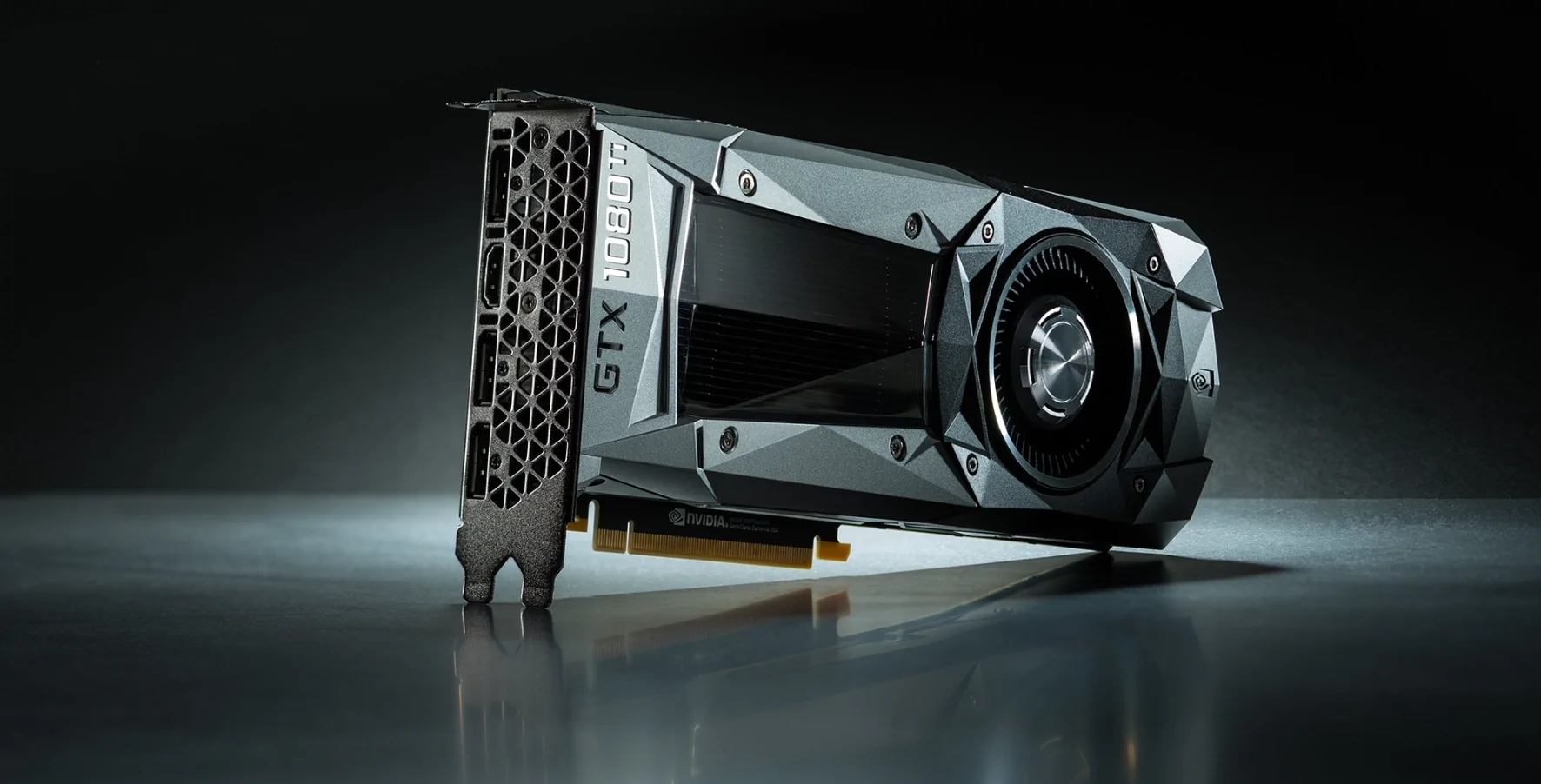
The landscape of retro computing has reached a fascinating new milestone as software modifications continue to breathe unexpected life into operating systems long thought obsolete. Windows XP, a platform that made its debut more than two decades ago in 2001, has recently received a major hardware integration upgrade courtesy of the independent developer community. A notable modder operating under the alias SupraGSX has successfully engineered custom display drivers that introduce native support for NVIDIA’s Pascal architecture graphics processing units onto the 32-bit edition of Windows XP. This achievement not only allows powerful mid-to-high-tier modern graphics cards to interface with a legacy operating system but also successfully modernizes the video output pipeline by enabling DisplayPort 1.4 and HDMI 2.0 protocols for contemporary display panels.
This engineering feat represents a bridge across a massive technological chasm, connecting an era of computing defined by standard-definition cathode-ray tube (CRT) monitors and early single-layer liquid-crystal displays (LCDs) with the modern ecosystem of high-refresh-rate, ultra-wide, and high-resolution digital displays. For enthusiasts dedicated to preserving the software and hardware ecosystems of the early 2000s, this development overcomes one of the most stubborn hardware bottlenecks that has plagued retro gaming rigs for years.
Chronology and Technical Genesis of the ForceWare 382.69 Mod
The path to integrating Pascal architecture into Windows XP was neither straightforward nor instantaneous. Official driver support from NVIDIA for Windows XP effectively concluded years before the Pascal architecture was conceptualized, with the company phasing out the operating system as modern security requirements and hardware paradigms shifted toward Windows Vista, 7, and beyond.
The breakthrough materialized through the release of a heavily modified custom driver package designated as ForceWare 382.69. The architectural foundation of this mod is built upon NVIDIA’s official ForceWare 368.81 driver package, which was among the last iterations to offer stable functional roots compatible with the foundational kernel architecture of Windows XP.
To achieve compatibility with cards released generations later, SupraGSX employed an intricate compilation of driver components harvested from multiple software branches. This included integrating firmware elements from the Quadro 376.84 driver package alongside critical Video Protected Region components pulled from the Windows 7-targeted GeForce 378.78 driver branch. Through meticulous hex-editing, registry manipulation, and system file replacement, the developer mapped the hardware identification strings (Hardware IDs) of Pascal-based silicon directly into the initialization routines of the legacy driver framework.
Hardware Compatibility Matrix and Display Connectivity
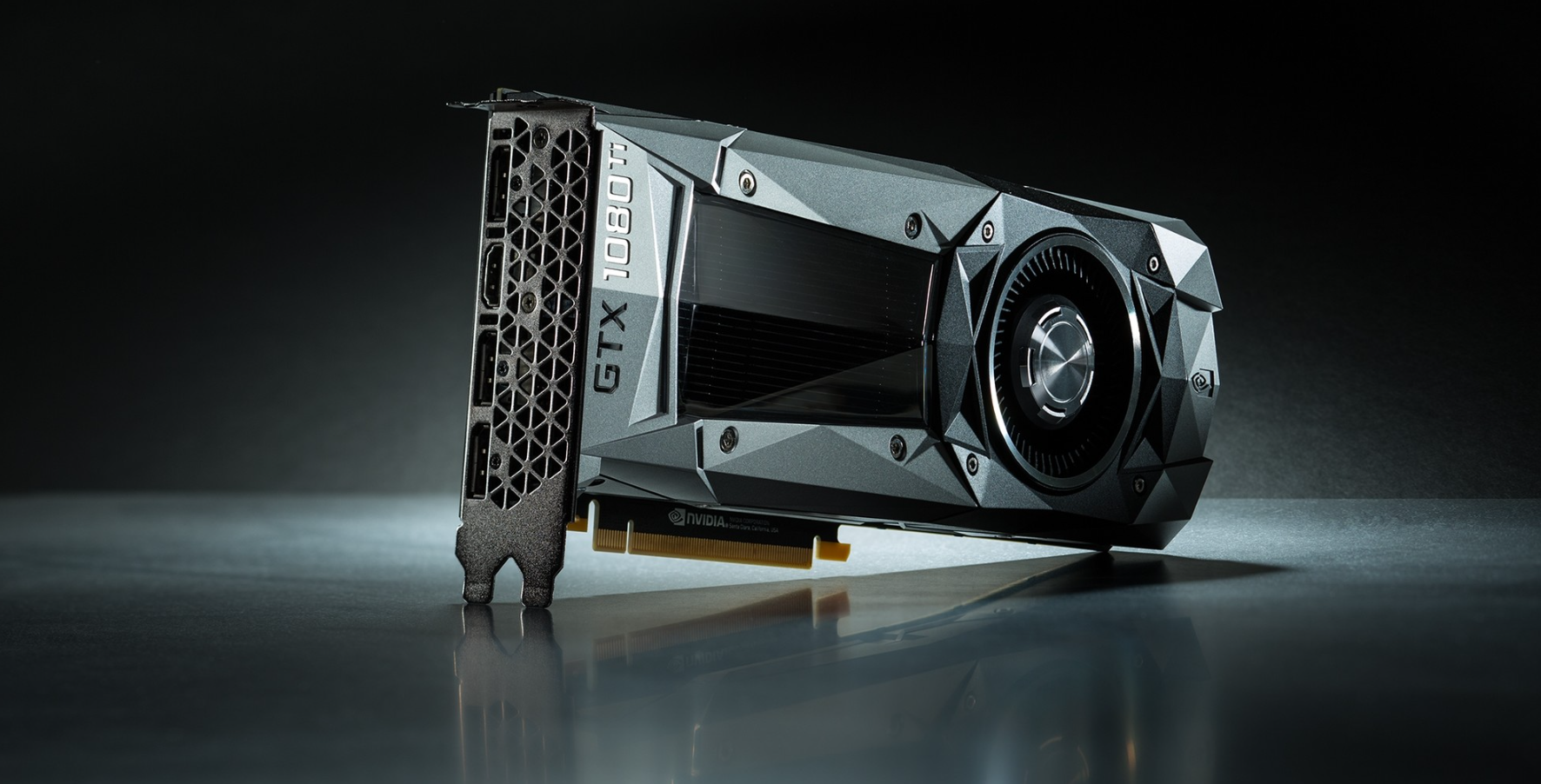
The scope of the ForceWare 382.69 custom driver encompasses a broad spectrum of desktop and workstation graphics hardware from the mid-2010s. The modification successfully targets the GeForce GTX 10-series lineup, offering functional driver integration for cards ranging from the mainstream GeForce GTX 1050 up to the flagship GeForce GTX 1080 Ti. Additionally, enthusiast-tier Titan-class hardware based on the same architecture, specifically the NVIDIA Titan X and Titan Xp, falls within the supported parameters.
Workstation users utilizing professional visualization hardware have also seen incidental benefits. Select models within the NVIDIA Quadro product stack—including the P2000, P4000, P5000, and P6000—demonstrate operational stability under this modified driver environment. However, compatibility is not yet universal across the entire Pascal family. Certain variants, notably the entry-level GeForce GT 1030 powered by the GP108 silicon, remain problematic, while specific implementations like the GeForce GTX 1050 Ti rely on experimental builds that require further refinement by the community.
Perhaps the most technically impressive aspect of the modification lies outside mere GPU recognition, focusing instead on display output capabilities. Standard Windows XP installations paired with legacy drivers were traditionally limited to outdated signaling standards, forcing users to rely on active signal converters or archaic display connectors to output a video signal. The new custom driver unlocks DisplayPort 1.4—complete with High Bit Rate 2 and High Bit Rate 3 (HBR2/HBR3) specifications—alongside native HDMI 2.0 functionality. Furthermore, the mod incorporates sophisticated fixes for monitor detection algorithms and Serial Copy Management System (SCDC) configurations for HDMI outputs. Advanced control panel parameters, including direct access to display topologies and Extended Display Identification Data (EDID), have also been successfully restored.
Implications for Retro Gaming and Modern Hardware Integration
The practical ramifications of this modification primarily center on the retro-computing and classic PC gaming sectors. Historically, enthusiasts wishing to build the ultimate native Windows XP gaming rig faced a severe hardware limitation: utilizing high-end graphics cards required running the operating system on modern motherboards lacking proper legacy BIOS support, or conversely, pairing powerful operating systems with aging GPUs that struggled to interface cleanly with modern display panels.
Before this mod, connecting a vintage Windows XP system to a contemporary 4K monitor, high-refresh-rate gaming display, or ultra-wide panel often resulted in improper scaling, locked resolutions, or complete signal failure. Because standard official drivers lacked the necessary modern display pipeline protocols, users were restricted to lower resolutions and subpar refresh rates that compromised the visual fidelity of classic titles released between 2001 and 2010.
By enabling Pascal GPUs to communicate natively with DisplayPort 1.4 and HDMI 2.0 interfaces, users can now run classic titles at native resolutions on modern high-end displays without relying on CPU-heavy software emulation layers. Emulation, while effective for preserving accessibility, frequently introduces input latency, audio stuttering, and graphical artifacts. Native hardware execution guarantees authentic frame pacing, accurate color reproduction, and proper aspect-ratio scaling—elements of paramount importance to purists within the retro-gaming community.

Limitations, Stability Concerns, and Expert Perspectives
Despite the enthusiasm surrounding the release of ForceWare 382.69, industry observers and hardware modders emphasize that the project is strictly an experimental endeavor rather than a viable solution for daily operational computing. Windows XP reached its official end-of-life status when Microsoft terminated extended support in April 2014, leaving the operating system vulnerable to modern security threats due to unpatched kernel vulnerabilities and lack of modern cryptographic support.
Furthermore, because the driver relies on an amalgamation of official files spanning different Windows versions and hardware generations, stability is heavily contingent on individual system configurations. Subtle conflicts involving motherboard chipsets, ACPI power management tables, and system memory allocations can trigger Blue Screens of Death (BSOD) or hardware initialization failures.
Independent tech analysts note that while projects like SupraGSX’s driver mod hold little commercial value in the traditional sense, they serve a vital archival function. They demonstrate the remarkable adaptability of software architectures and highlight the dedication of hobbyist communities who refuse to let technological history fade into obsolescence. As hardware ages and standard consumer electronics reach the end of their lifecycle, community-driven preservation efforts remain the primary mechanism for maintaining functional access to early digital heritage.
The emergence of Pascal support on Windows XP invites broader reflection on software longevity and hardware stewardship. Whether this community-led momentum will eventually extend to newer GPU architectures, such as NVIDIA’s Turing or Ampere series, remains an open question. For now, retro computing enthusiasts have gained a powerful tool that bridges a decades-long technological divide, ensuring that the golden age of early-2000s PC gaming can be experienced with modern visual clarity.