Lusiana Hamidun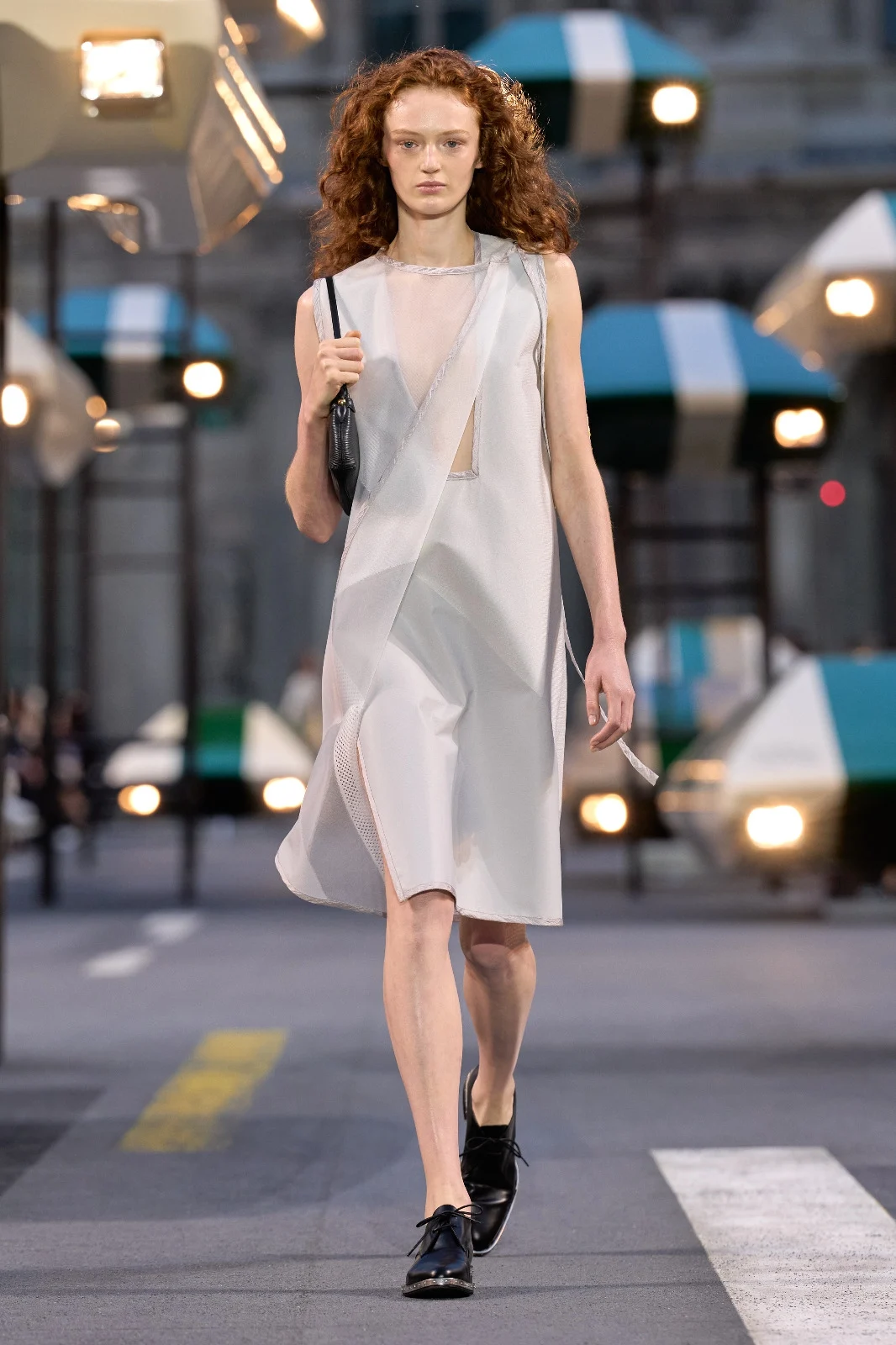
The fashion industry has long grappled with the tension between rigid structural design and the fluidity of the human form, yet the Louis Vuitton Spring/Summer 2027 collection, helmed by Creative Director Nicolas Ghesquière, represents a paradigm shift in this discourse. Unveiled as a profound meditation on ergonomics, the collection moves away from the traditional concept of the silhouette as an external imposition. Instead, Ghesquière has engineered a wardrobe that prioritizes the intrinsic connection between the garment, the human anatomy, and the fundamental necessity of movement. By merging the maison’s historic dedication to mobility and travel with contemporary anatomical engineering, this collection redefines the essence of luxury as a lived, kinetic experience rather than a static visual statement.
The Evolution of Mobility: A Heritage Reimagined
Louis Vuitton has historically been synonymous with the art of travel. From the iconic trunk designs of the 19th century to the modern-day ready-to-wear lines, the brand’s DNA has always been rooted in the logistical requirements of the adventurer. Historically, the brand’s success was built on creating objects that facilitated movement—sturdy, lightweight, and incredibly functional.
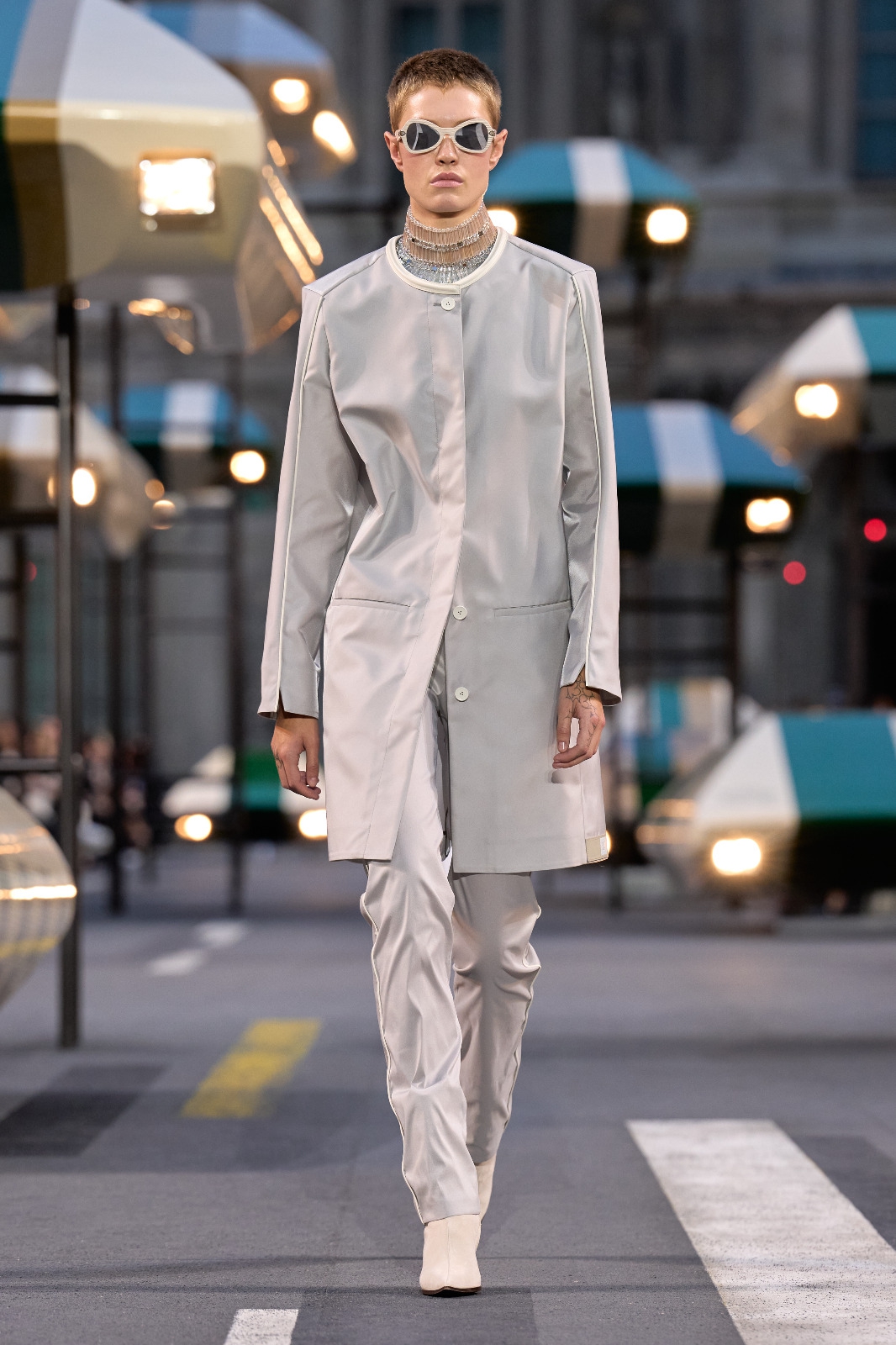
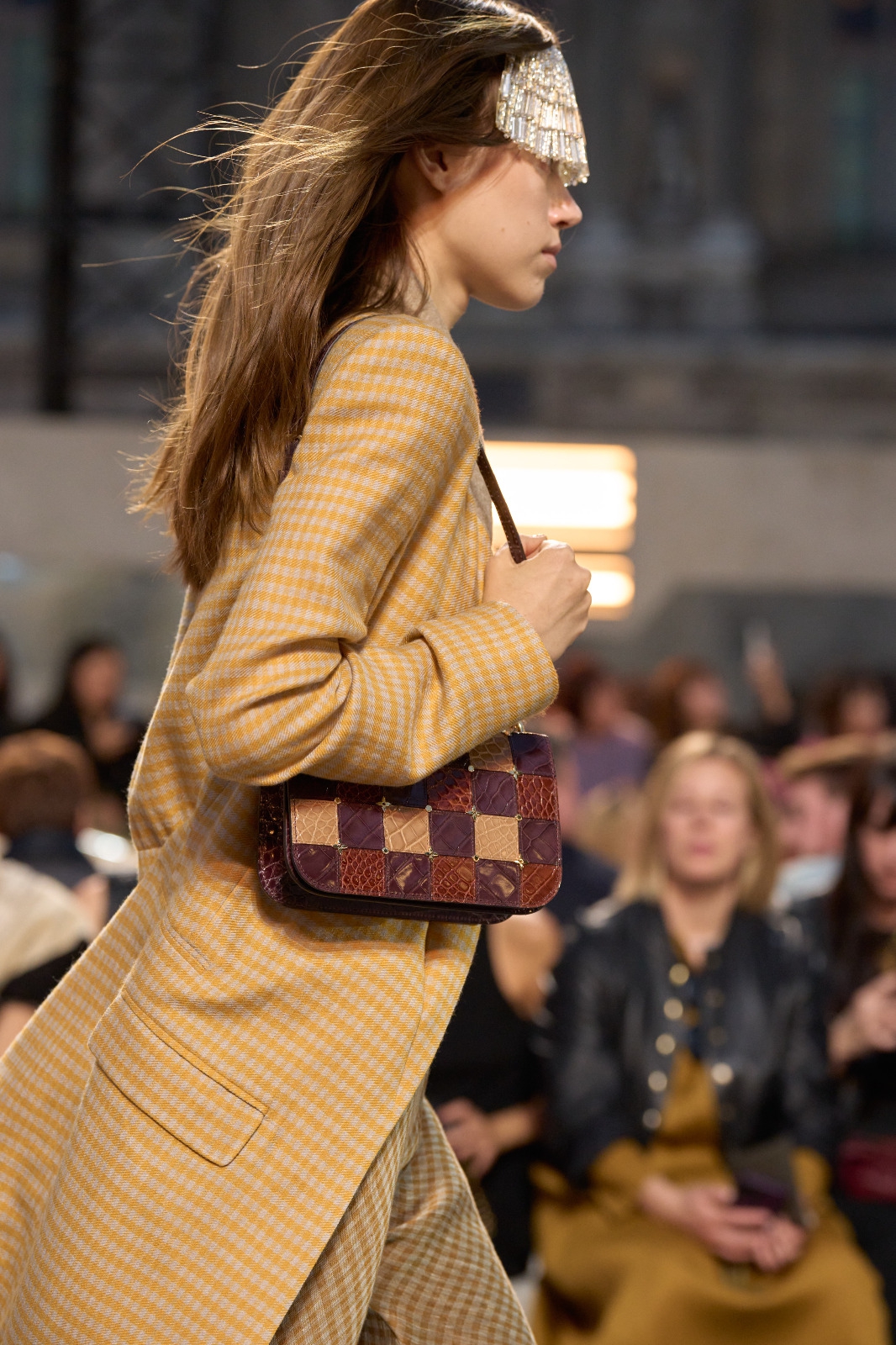
In the Spring/Summer 2027 collection, Ghesquière bridges this heritage with a modern philosophy of "functional ergonomics." Ergonomics, the scientific study of people’s efficiency in their working environment, is applied here to the sartorial landscape. The collection suggests that a garment should not just drape over the body; it should respond to the body’s specific capabilities and ranges of motion. This is a direct evolution from the structured, architecture-heavy collections of the past decade. By stripping away excess internal structural elements—the padding, the stiff canvases, and the restrictive interlinings—Ghesquière has returned to a form of "essentialism" that honors the body’s natural contours.
Architectural Fluidity and Material Innovation
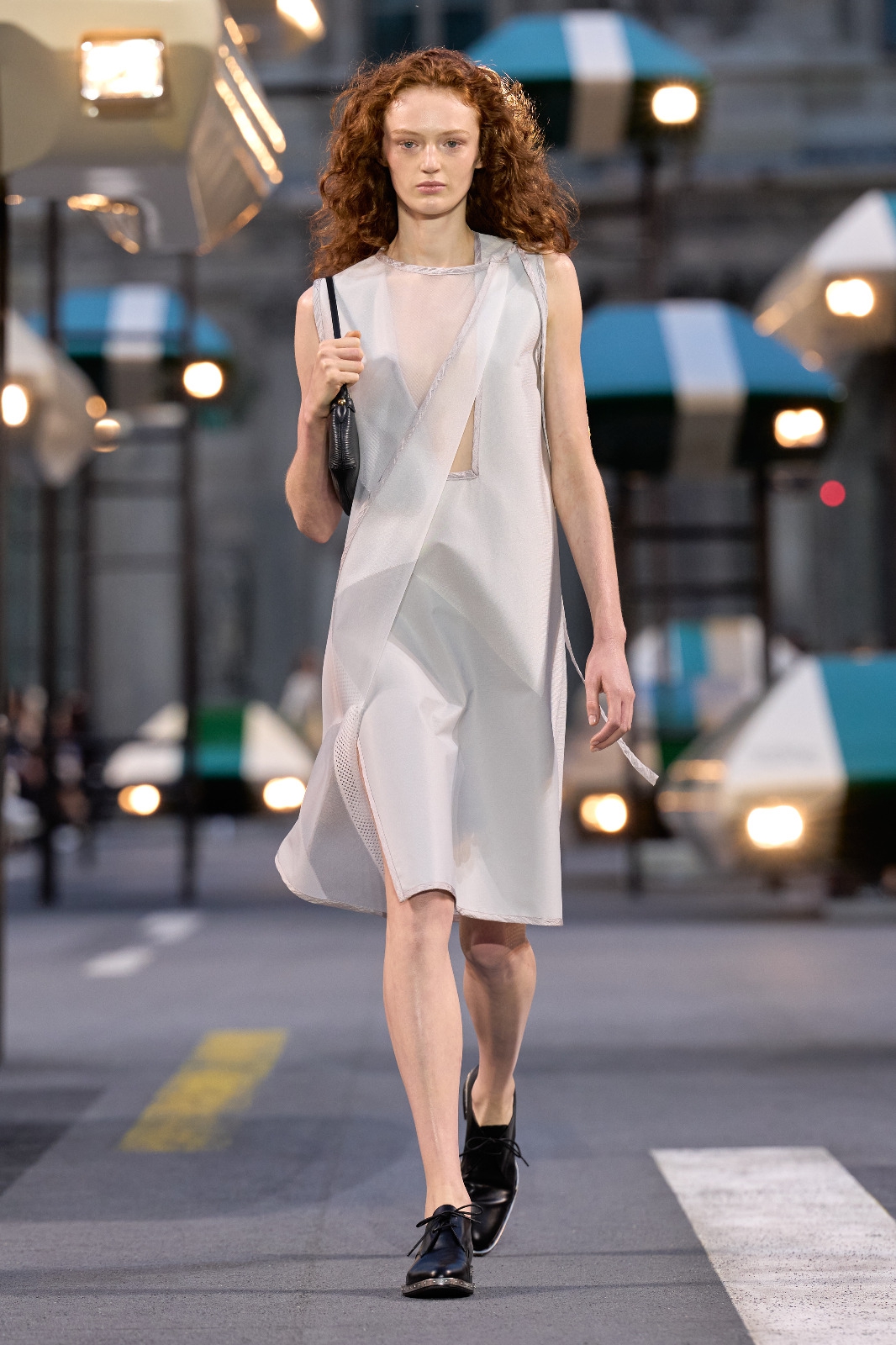
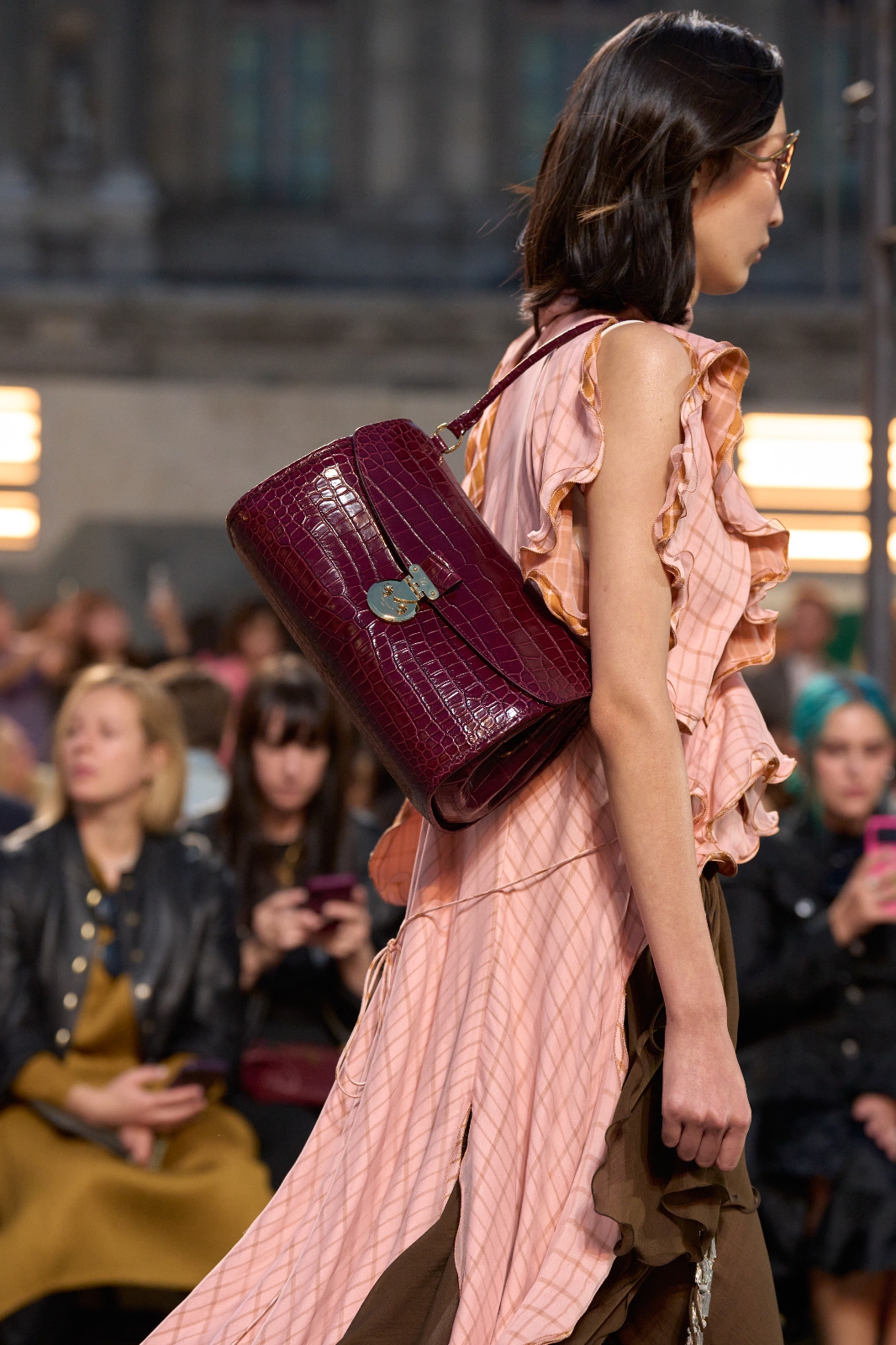
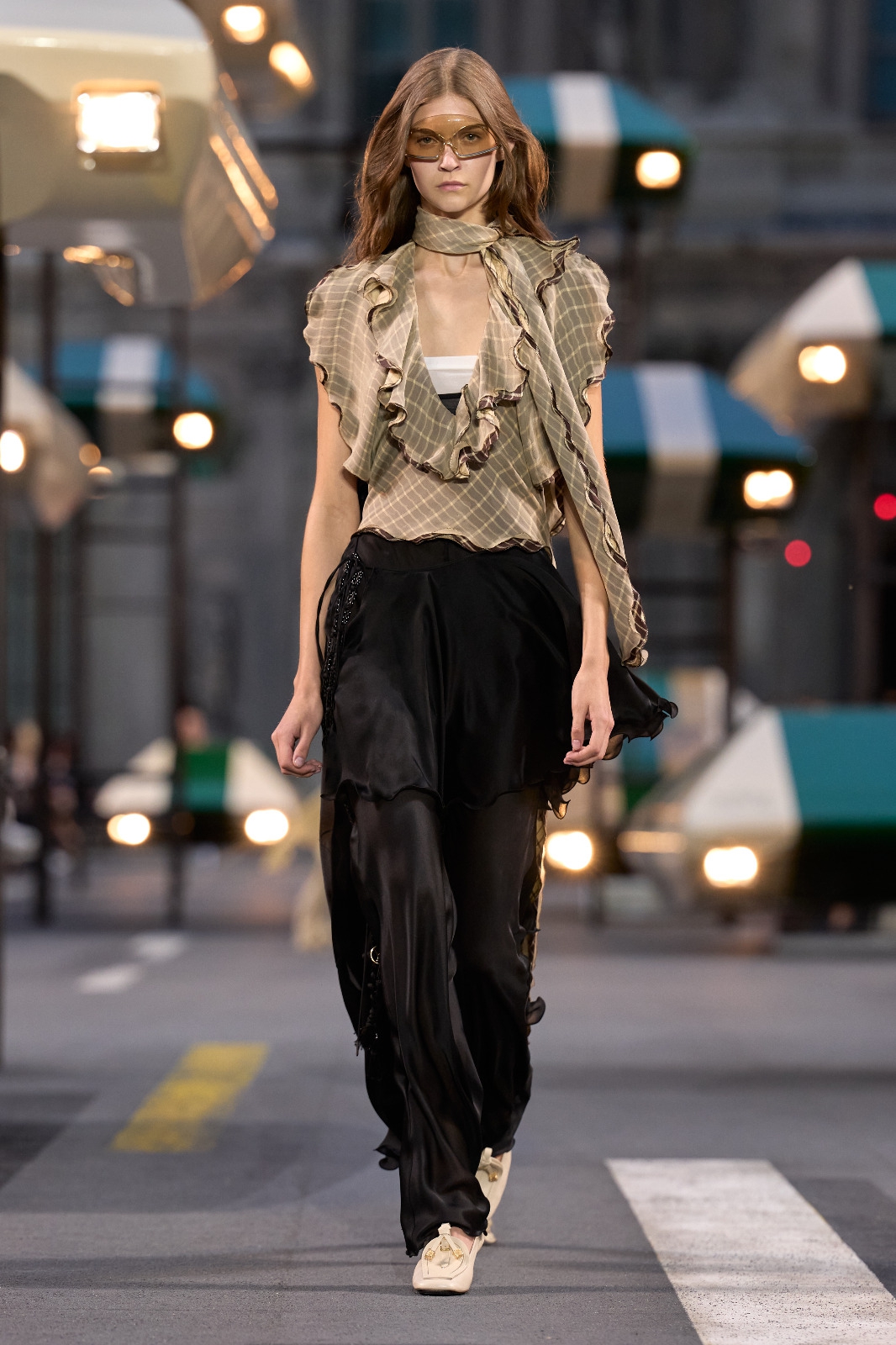
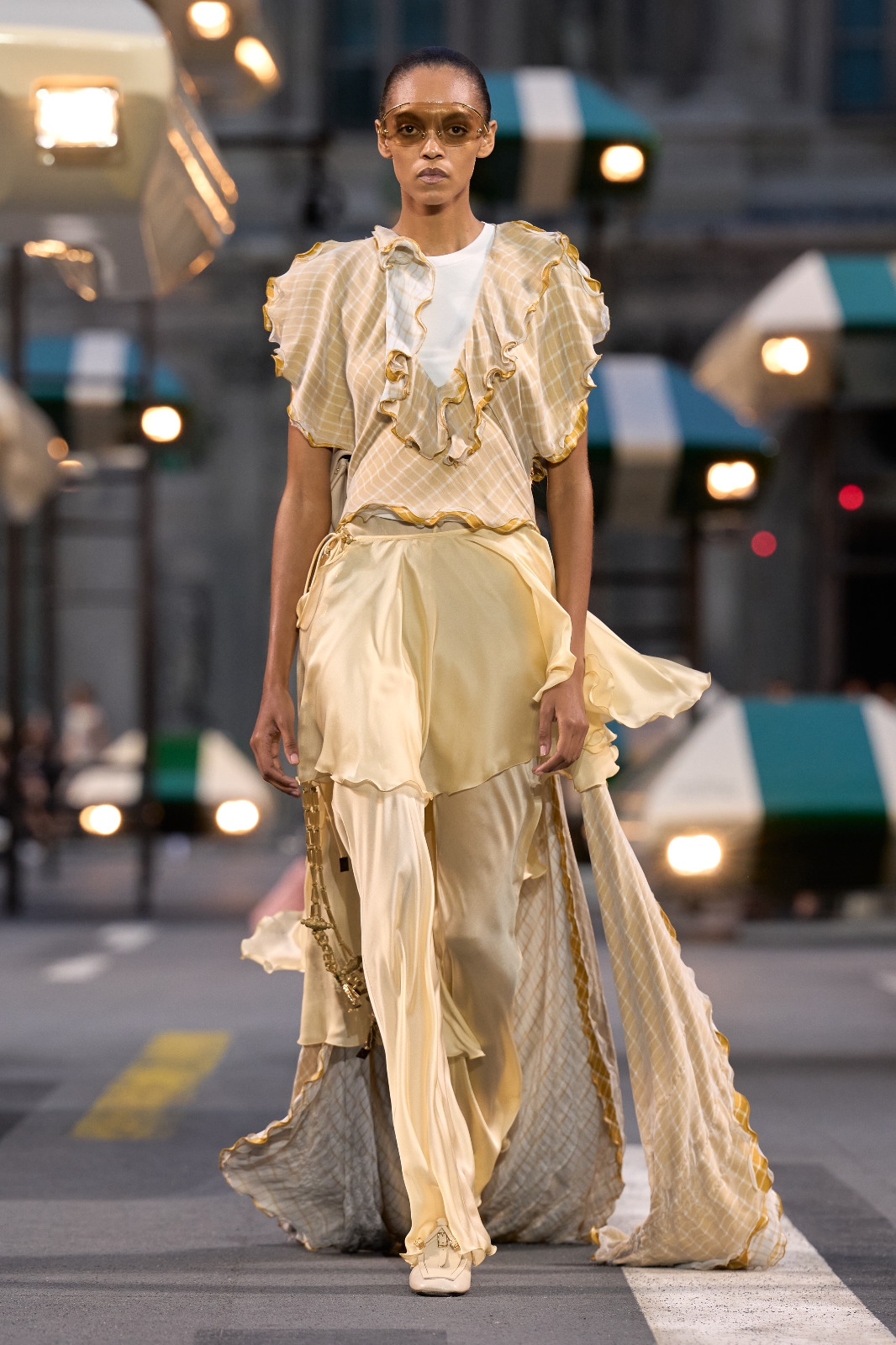
The technical mastery behind this collection lies in the sophisticated manipulation of materials. To achieve the desired "second-skin" sensation, the design team experimented with advanced textile construction. The use of ultralight fabrics, particularly chiffon layered in dual and triple configurations, allows for a visual depth that belies the garments’ actual weight.
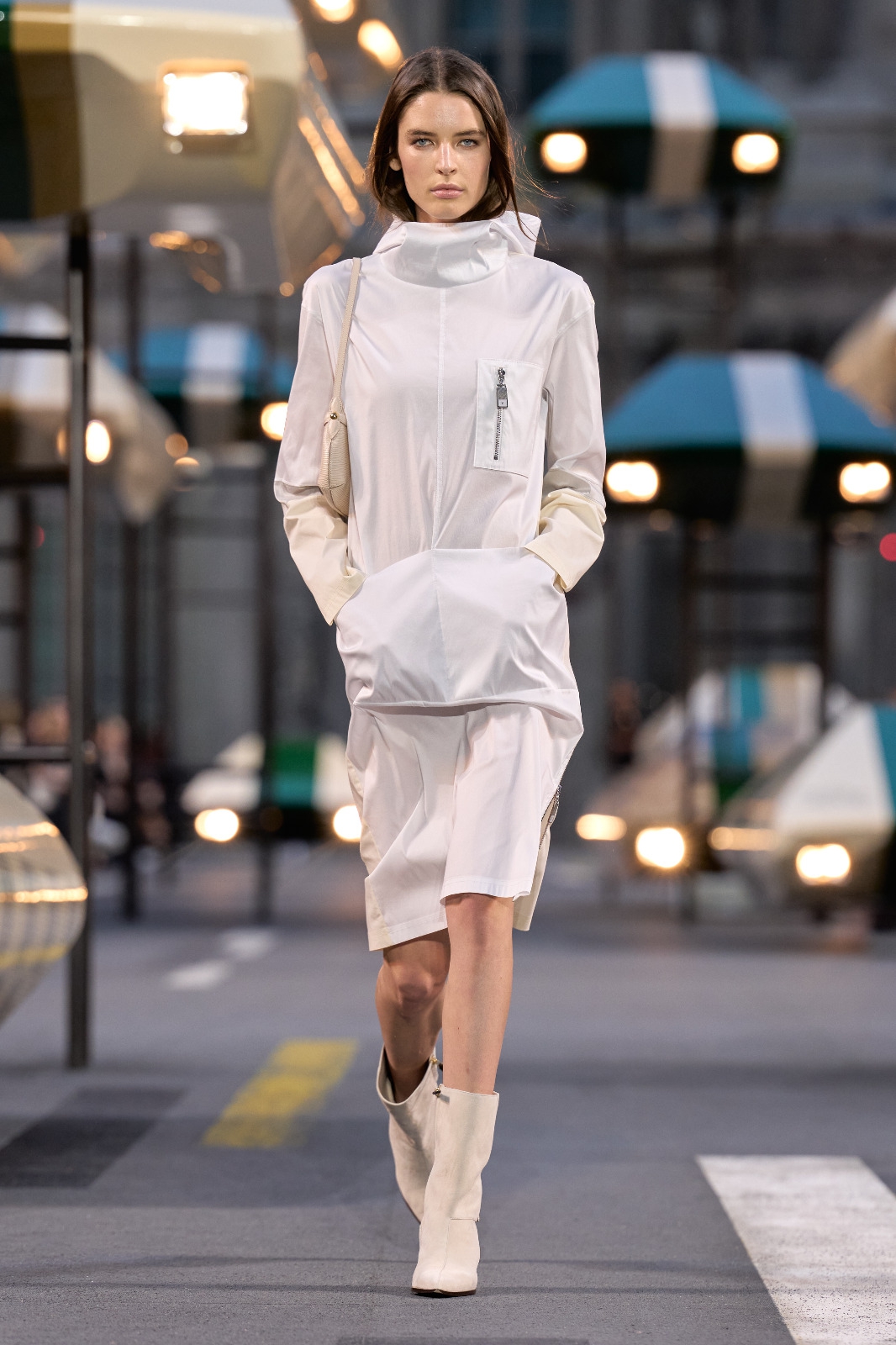
Furthermore, the inclusion of carré silk and specialized silk-cashmere blends serves as a testament to the brand’s commitment to tactile luxury. These fabrics are treated not merely as coverings, but as dynamic components of the wearer’s physical presence. In traditional tailoring, the internal structure dictates the shape of the jacket or coat; in this collection, that hierarchy is inverted. The garment is designed to adapt to the wearer’s posture, shifting in volume and silhouette as the individual walks or gestures. This "fluidity" is not accidental—it is a calculated design choice intended to emphasize that the human body is in a constant state of transition.
Scenography and the Contrast of Stillness
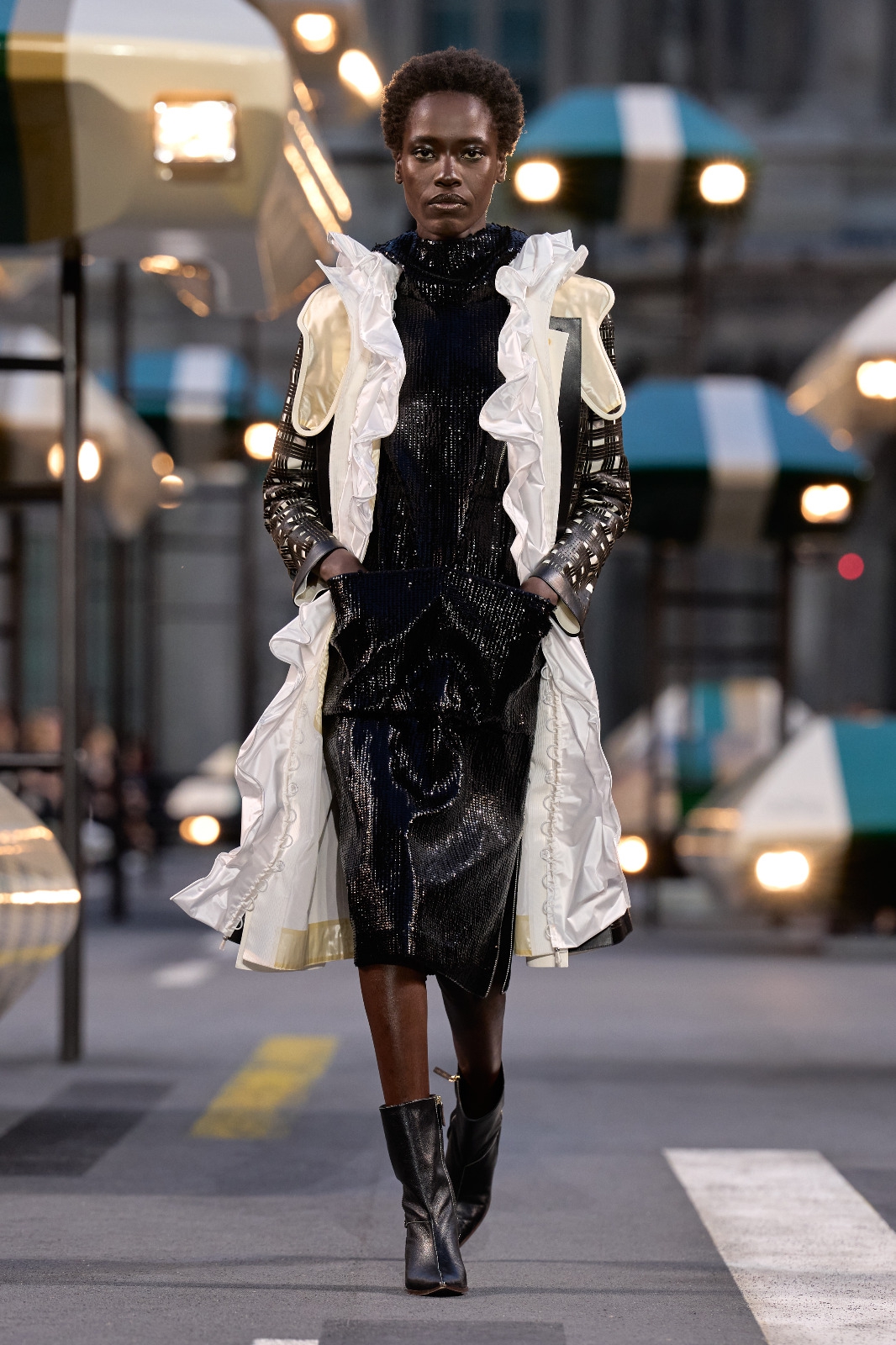
The runway presentation itself provided a stark visual metaphor for the collection’s core message. Set against a backdrop of a static, hyper-real urban landscape, the environment felt frozen in time. This deliberate juxtaposition—the stillness of the architecture versus the kinetic energy of the models—highlighted the central thesis of the season.
As the models traversed the space, their movements appeared remarkably light, almost ethereal, reminiscent of balloons or feathers drifting through a vacuum. This scenography underscored a broader societal observation: in an era where global systems, logistics, and environments can often feel stagnant or overwhelmed by the weight of digital and physical clutter, the human element remains the primary source of agency and movement. Ghesquière’s vision suggests that while the world around us may be fixed, our capacity to navigate it—enabled by clothing that does not impede us—is the ultimate luxury.
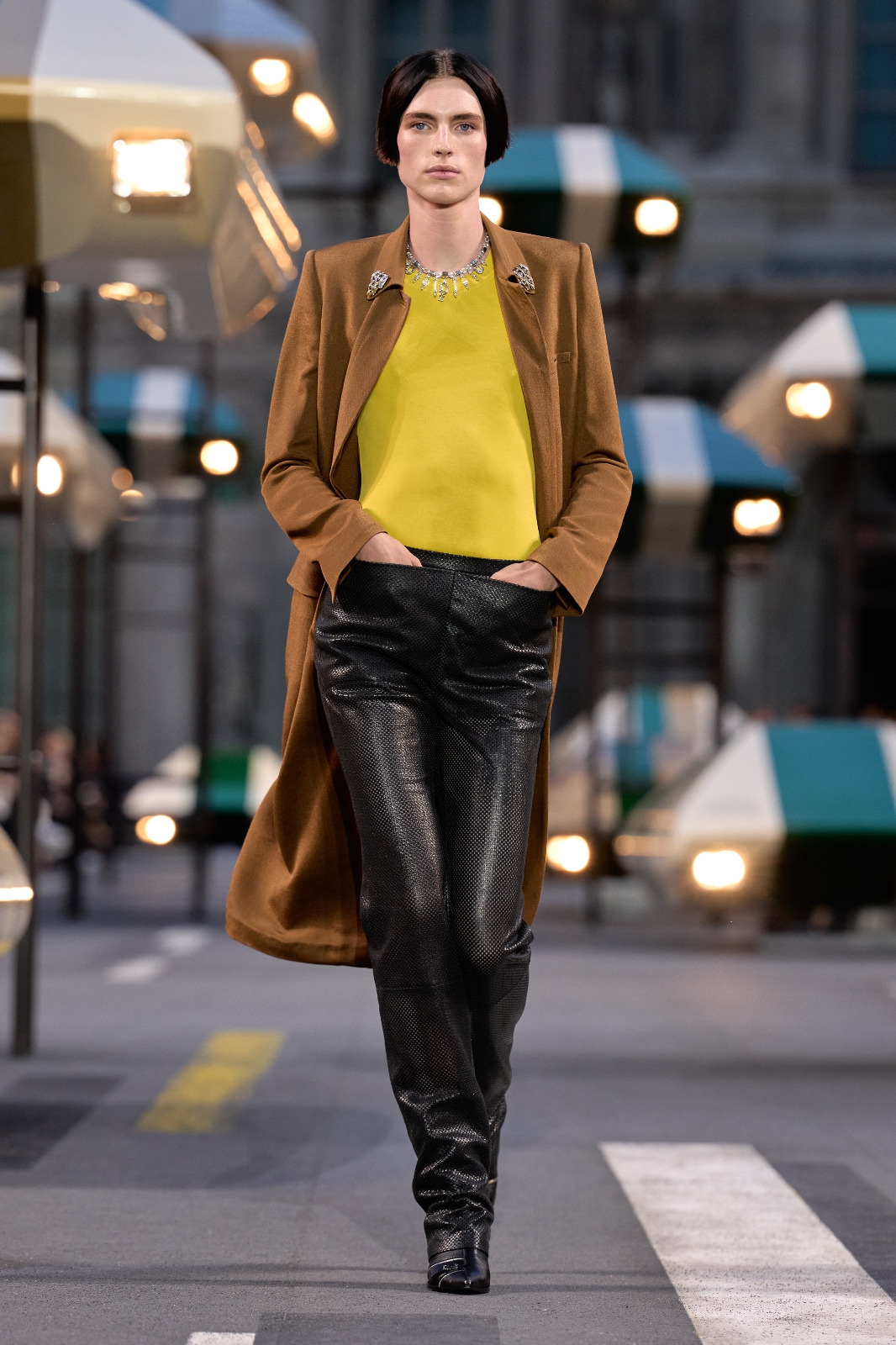
Analysis: The Shift in Luxury Consumption
Industry analysts note that this collection signals a pivot in luxury consumer behavior. Post-pandemic, the demand for "hyper-functional" clothing has risen, with high-net-worth individuals prioritizing comfort without sacrificing the prestige of a couture-level silhouette. The Spring/Summer 2027 collection perfectly encapsulates this trend. By minimizing structural density, Louis Vuitton is effectively arguing that the highest form of craftsmanship is invisible. It is a departure from the "logomania" and heavy ornamentation that dominated the previous decade, leaning instead into "stealth wealth" and high-performance garment engineering.
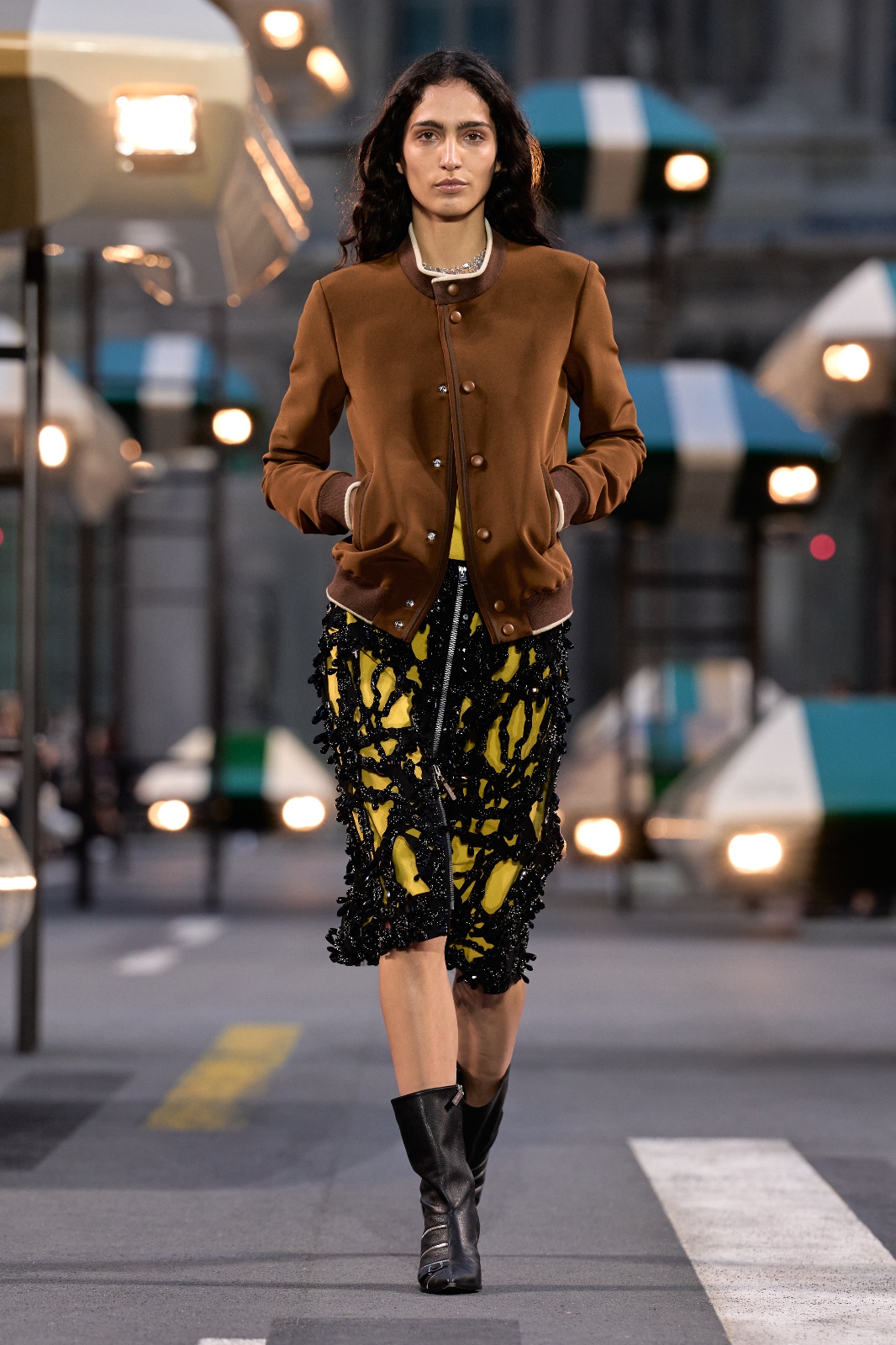
Moreover, the emphasis on lightweight construction has significant implications for sustainability. By reducing the number of materials used in garment construction and focusing on longevity through versatility, the collection aligns with growing industry demands for more responsible production methods. While the brand has not explicitly marketed this as an eco-collection, the reduction in raw material volume and the focus on timeless, functional design inherently supports the move toward a more sustainable fashion cycle.
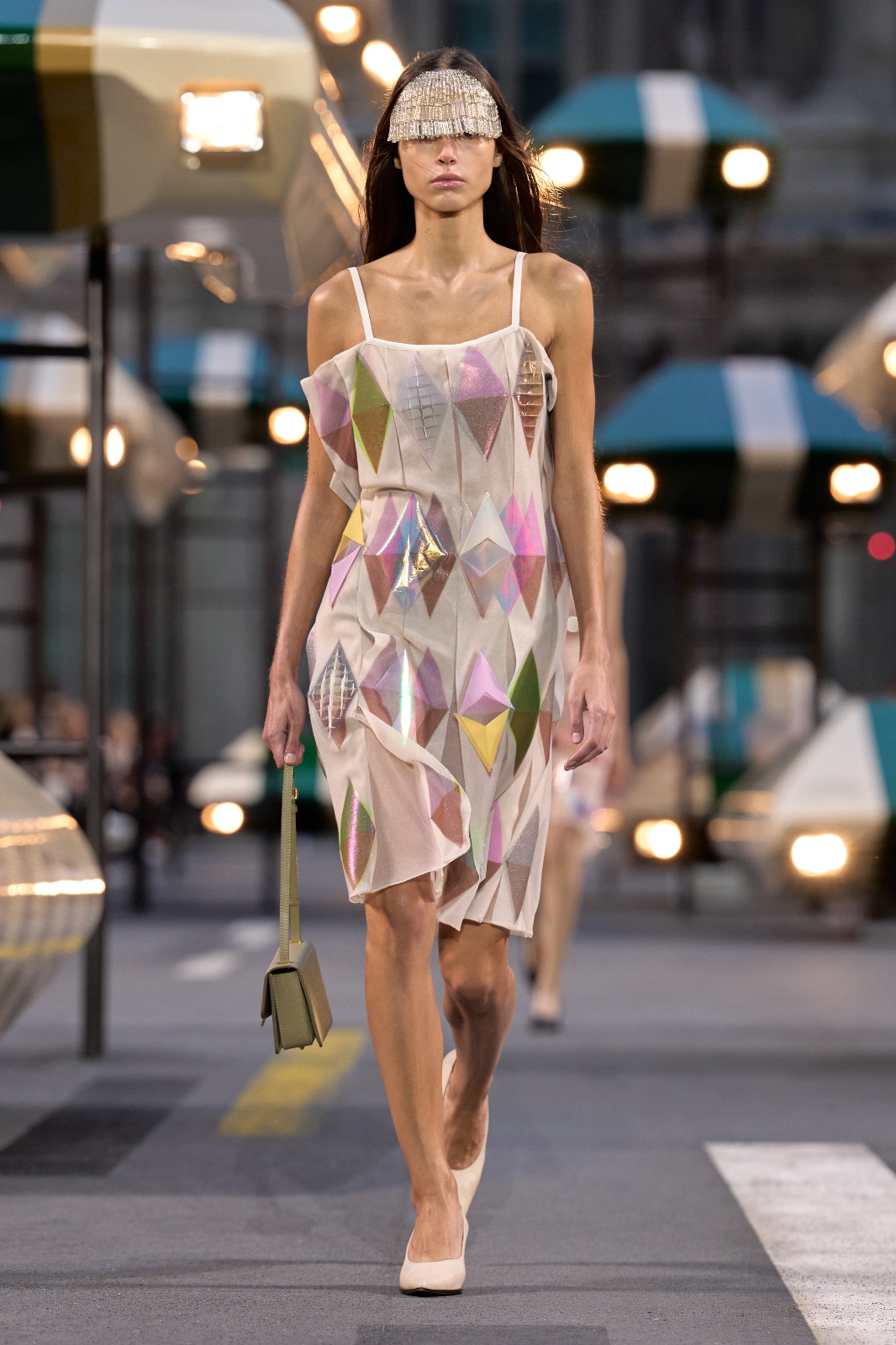
Official Perspectives and Creative Direction
While official statements from the maison remain focused on the artistic narrative of the show, industry insiders suggest that Nicolas Ghesquière’s work here is his most personal interpretation of the Louis Vuitton brand identity to date. By focusing on the "anatomy of the garment," he has managed to bridge the gap between his own futurist leanings and the foundational, utilitarian roots of the brand.
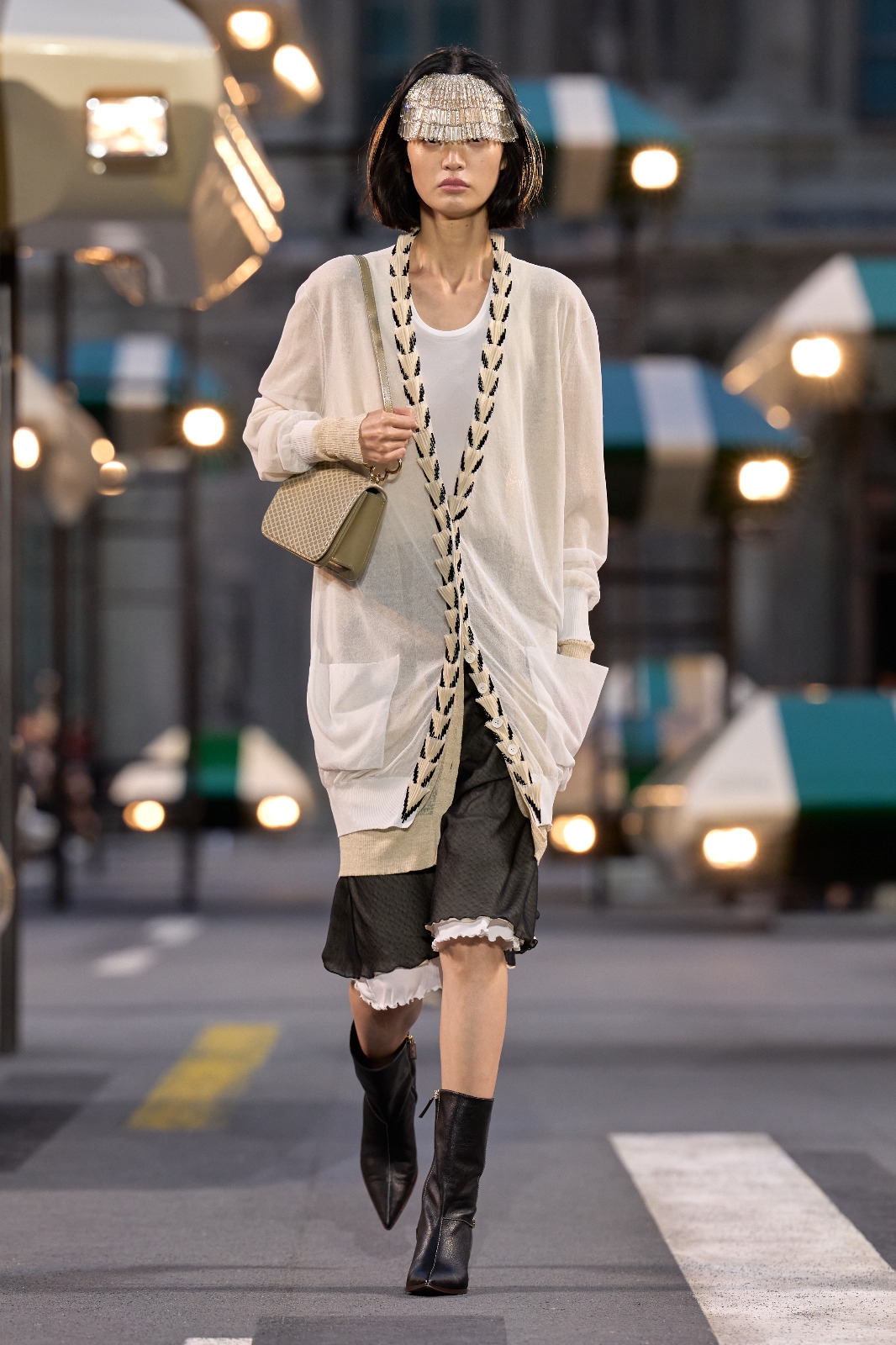
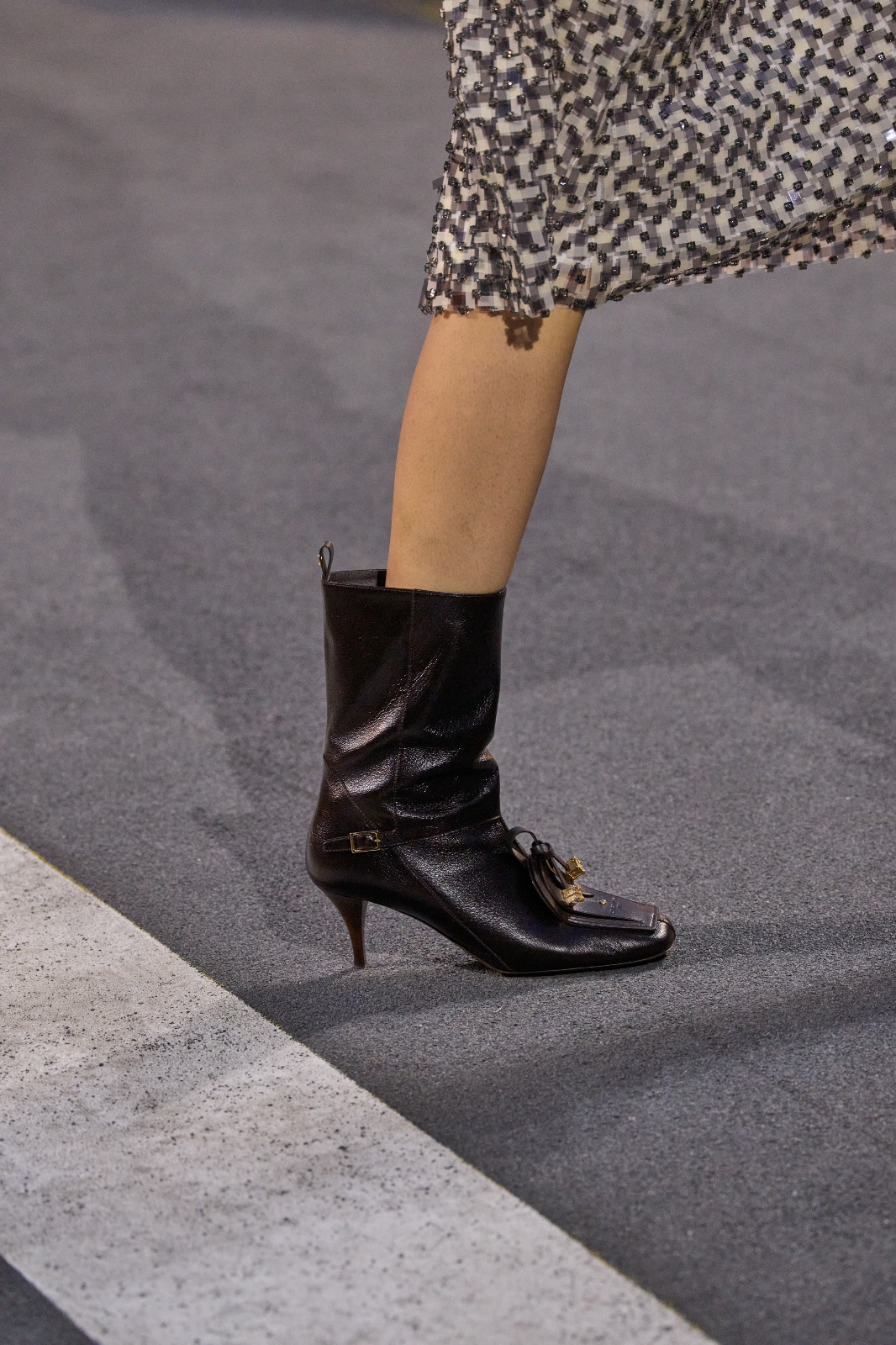
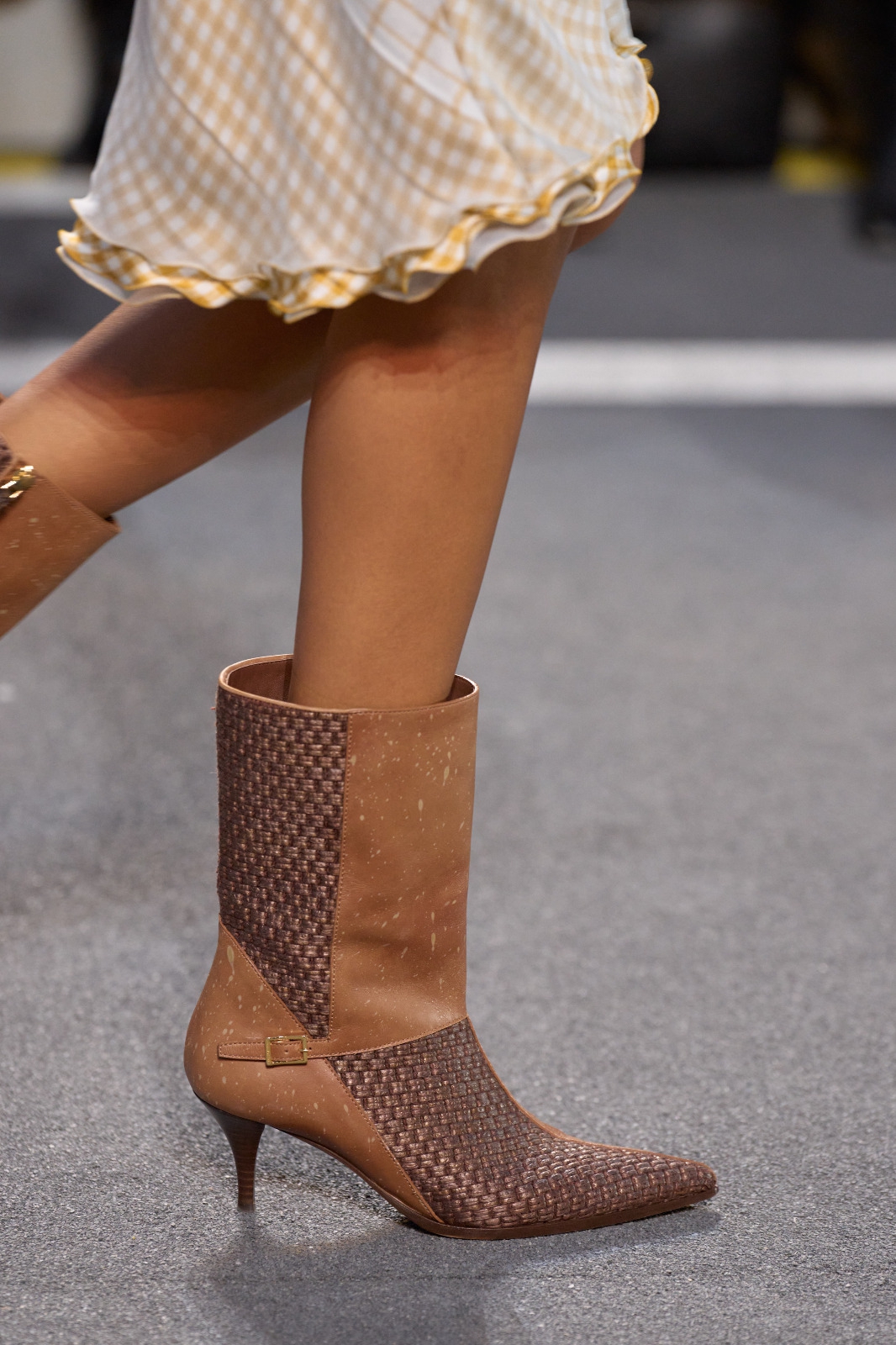
"The goal," as one might infer from the collection’s technical execution, "was to remove the barrier between the fabric and the skin." The integration of knitwear that maps the musculature of the wearer and footwear that provides an ergonomic anchor for the entire ensemble demonstrates a holistic approach to design. It is no longer enough for a piece to look good; it must enhance the wearer’s interaction with their environment.
The Impact on Future Collections
The legacy of this collection will likely be measured by how it influences the broader luxury market in the coming years. As other major fashion houses evaluate their own directions, the focus on "ergonomic luxury" is expected to gain momentum. We are entering a phase where the "weight" of a garment will be a primary metric of its quality. Pushing the boundaries of what fabric can do—how it can hold a shape while remaining as light as air—is the new frontier for designers.
Furthermore, the integration of footwear as a foundational element indicates that the total look is becoming increasingly integrated. The days of treating accessories as afterthoughts are over; in this collection, the shoe is the anchor, the knitwear is the structure, and the outer layers are the movement. This total-look philosophy is likely to dominate future runways as brands seek to offer a more unified, seamless aesthetic.
Conclusion: A New Era for the Maison
Louis Vuitton’s Spring/Summer 2027 collection is a masterclass in synthesis. By taking the concept of ergonomics—a field usually reserved for industrial design and biomechanics—and weaving it into the high-fashion narrative, the brand has demonstrated its continued relevance in a rapidly changing world. Nicolas Ghesquière has successfully argued that fashion is not merely a costume we wear to be seen; it is a tool we use to inhabit the world more effectively.
As the fashion calendar continues to evolve, the impact of this collection will be felt in the transition toward clothes that are as responsive as they are beautiful. In a world that is increasingly complex, the simplicity of a garment that moves in perfect harmony with its wearer is not just a trend; it is a necessity. The maison has effectively proven that the future of luxury lies in the delicate, highly engineered balance between the stability of structure and the freedom of the human form. Through this exploration, Louis Vuitton reaffirms its position at the vanguard of the industry, not by shouting for attention, but by moving with a grace that is both quiet and profoundly revolutionary.