Eko Sulistyo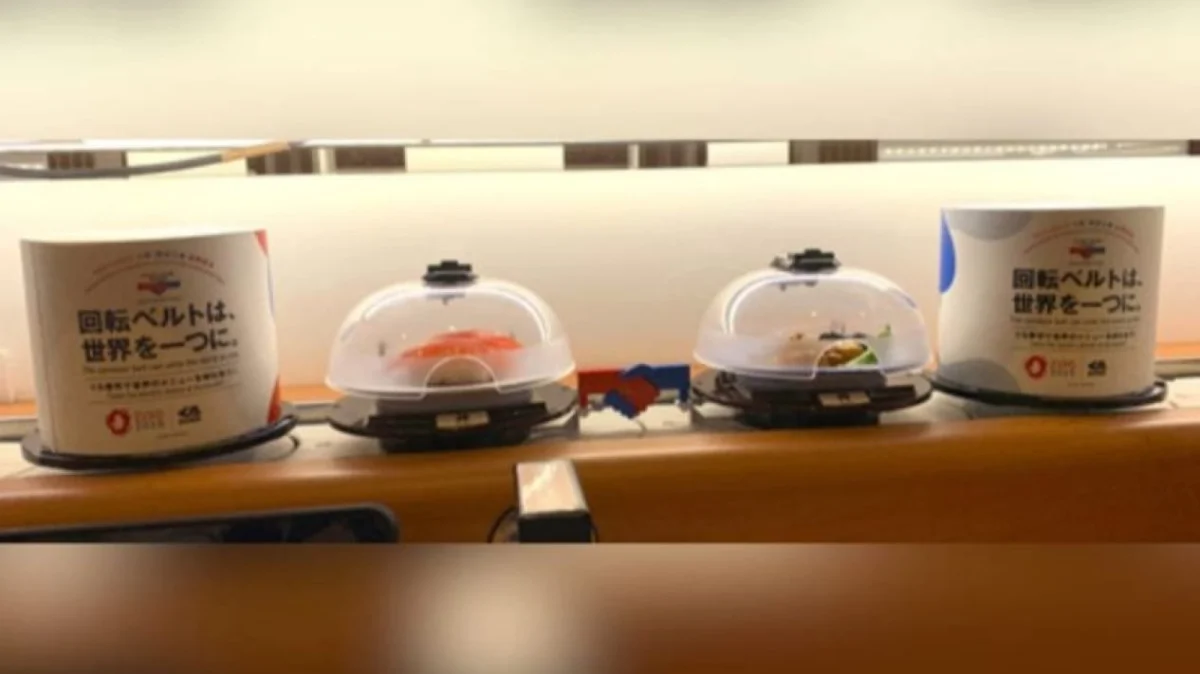
Tokyo is redefining the boundaries of experiential tourism with the introduction of a high-concept mobile dining attraction that blends Japanese culinary heritage with innovative urban transit. The "Sushi Bus," a double-decker vehicle equipped with a functional conveyor-belt system, allows passengers to savor fresh sushi while touring the iconic sights of Japan’s capital. This novel service, which launched in early October 2026, marks a significant shift in how city tours are packaged for both international travelers and domestic tourists seeking a unique perspective on Tokyo’s geography.
The concept was developed by Sushi Bus Inc., a venture led by industry entrepreneur Tomoyuki Yano. Recognizing a saturated market for standard sightseeing buses, Yano sought to create a business model that was resilient to competition. By integrating a "kaiten-zushi" (conveyor belt sushi) mechanism into a moving vehicle, the company has successfully bypassed the static nature of traditional restaurant dining, offering a dynamic, 70-minute journey that traverses the bustling streets of Tokyo, including the high-end Ginza district and the scenic views near Tokyo Tower.
The Mechanics of Mobile Dining
Operating out of a terminal near Tokyo Station, the bus is designed to provide a seamless gastronomic experience despite the challenges of serving food in a moving environment. The selection of sushi as the primary offering was a calculated strategic decision. According to Yano, the choice was based on both cultural relevance and logistical practicality.
"I wanted to develop a business model that is difficult for others to replicate," Yano stated in a publication by Kyodo. When considering potential menu items, he noted that alternative Japanese staples, such as ramen, were ruled out early in the development phase. The inherent risks associated with serving boiling broth in a moving, double-decker vehicle—particularly on Tokyo’s occasionally congested roads—posed significant safety and liability concerns. Sushi, by contrast, is served at room temperature or chilled, making it the ideal candidate for a high-end, mobile dining experience.
The bus features a retractable roof, allowing passengers to enjoy an open-air perspective during favorable weather, further enhancing the sensory appeal of the tour. The logistics of the conveyor belt, which must be stabilized to function while the bus navigates turns and traffic, represent a significant engineering achievement in the niche field of "gourmet mobility."

Chronology of Innovation in Japanese Tourism
The launch of the Sushi Bus is the latest chapter in a broader trend of "themed tourism" in Japan. Over the past decade, Japanese tourism operators have increasingly moved away from generic sightseeing toward immersive, narrative-driven experiences.
- 2016: Tomoyuki Yano established the "Ninja Tour" in Tokyo, an early attempt to integrate character-based storytelling into standard sightseeing routes.
- 2017-2018: The success of the ninja-themed ventures led to the opening of various ninja-themed cafes, which consolidated the concept of "edutainment" in the hospitality sector.
- 2020-2022: The global pandemic forced a contraction in the tourism sector, leading operators to rethink the value proposition of city tours.
- 2026 (October): The formal debut of the Sushi Bus signals a recovery and a pivot toward high-value, premium experiences aimed at a post-pandemic traveler base that prioritizes exclusivity and novelty.
This history of thematic evolution suggests that the Japanese tourism industry is highly adept at repurposing cultural icons to maintain relevance in a competitive global market. By bridging the gap between food tourism and urban exploration, the Sushi Bus addresses the modern traveler’s desire for efficiency—the ability to eat and sightsee simultaneously.
Economic Implications and Pricing Structure
The pricing for the Sushi Bus reflects its status as a premium, "experience-first" product. Tickets are tiered, with standard seating priced at approximately 16,000 yen (roughly $105 USD or Rp1.8 million), while premium front-row seats, which offer superior views of the city skyline, are priced at 20,000 yen (roughly $130 USD or Rp2.2 million).
From an economic perspective, this pricing model is designed to maximize revenue per seat while catering to the luxury-seeking demographic. For the Japanese tourism industry, which has been grappling with the economic aftermath of regional challenges—such as the recent earthquake in Kumamoto—the success of high-margin ventures like the Sushi Bus is essential. While the government has recently allocated 564 billion yen in financial aid to support businesses affected by the Kumamoto earthquake, the broader tourism sector in Tokyo continues to thrive by focusing on high-value, innovation-led attractions that drive international spending.
The sustainability of such a business model depends on high occupancy rates and the ability to maintain the complex maintenance requirements of the onboard kitchen and conveyor belt systems. However, industry analysts suggest that the "Instagrammability" of the experience will likely ensure consistent demand in the short-to-medium term.
Challenges and Future Outlook
While the Sushi Bus offers a novel experience, it is not without its operational complexities. Navigating the dense urban landscape of Tokyo while maintaining the quality of food service requires a synchronized team of drivers, waitstaff, and chefs. Furthermore, the limited duration of 70 minutes means that the turn-around time for cleaning and restocking must be precise to maintain profitability.

There is also the question of whether this model can be scaled or replicated in other major Japanese cities like Osaka or Kyoto. Yano has remained tight-lipped regarding future expansions, focusing instead on perfecting the Tokyo route. However, if the service proves to be a long-term fixture, it could spark a new wave of "gourmet transit" services across the country.
Impact on Urban Tourism Trends
The introduction of this bus highlights a broader shift in urban planning and tourism management. Cities globally are looking for ways to reduce the "friction" of tourism—the time spent moving from one point of interest to another. By converting transit time into a destination itself, the Sushi Bus addresses this friction directly.
Moreover, the emphasis on a high-quality sushi experience reinforces Japan’s global branding as a culinary powerhouse. It moves the conversation away from mass-market tourism and toward curated, high-touch experiences that provide travelers with a deeper, albeit stylized, connection to Japanese culture.
As Tokyo continues to evolve as a global tourism hub, the success or failure of the Sushi Bus will serve as a bellwether for the viability of experimental mobile hospitality. For now, it stands as a testament to the country’s unique ability to blend the traditional with the avant-garde, ensuring that even the most well-trodden paths in Tokyo can still offer something entirely new.
Whether the trend will endure remains to be seen, but for the passengers currently booking their spots on the double-decker, the allure of eating fresh nigiri while passing the bright lights of Ginza is a compelling proposition that encapsulates the modern spirit of Tokyo: efficient, delicious, and perpetually surprising. As the city looks toward the future, such innovations will undoubtedly remain central to its appeal, proving that even in a digital age, the physical, multisensory experience of travel remains the ultimate commodity.