Tata Titiana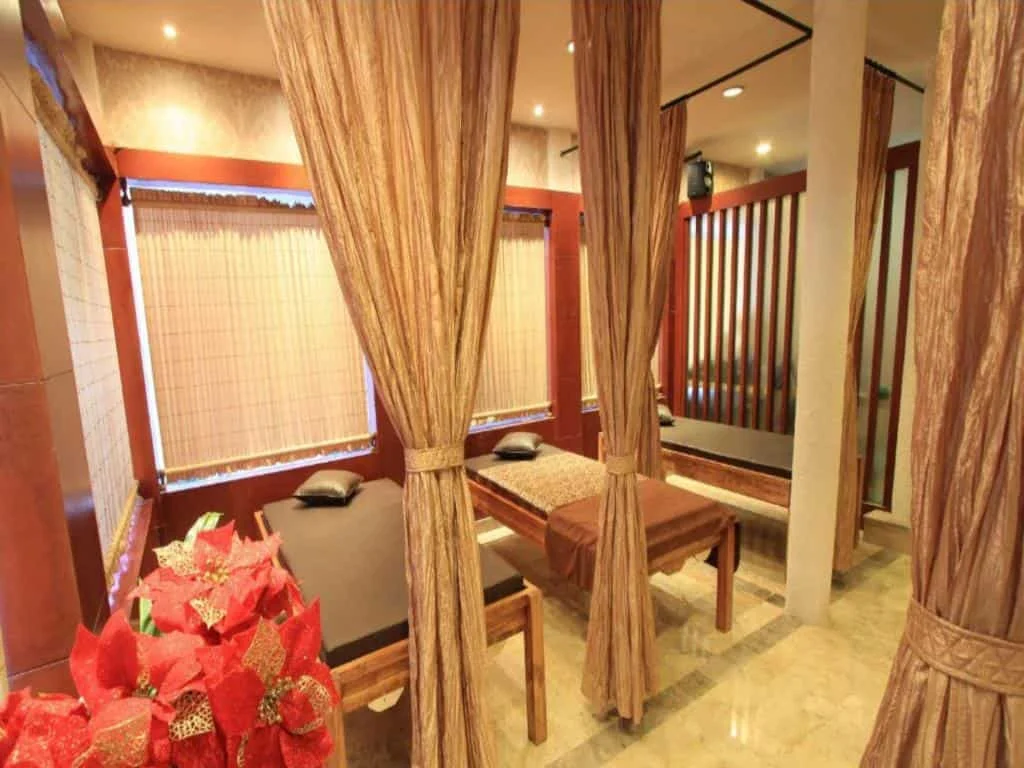
Hotel Salak The Heritage stands today as a premier four-star accommodation that seamlessly bridges historical grandeur with modern hospitality. Located at Jalan Ir. H. Juanda Nomor 8 in the heart of Bogor, West Java, this landmark property is deeply entrenched in the colonial history of the Indonesian archipelago. Surrounded by the cool, refreshing mountain air and picturesque landscapes characteristic of the Bogor highlands, the hotel offers visitors a unique blend of heritage architecture, strategic positioning, and comprehensive contemporary amenities.
For travelers seeking a staycation rich in historical context or a convenient base to explore the natural and cultural wonders of Bogor, Hotel Salak The Heritage presents an enduring appeal. Its proximity to iconic landmarks—such as the Bogor Botanical Gardens, the Bogor Presidential Palace, and the Mount Halimun Salak National Park—makes it a focal point for tourism in the region. However, beyond its modern function as a luxury hotel, the property’s walls harbor a complex narrative spanning more than 160 years of political shifts, wartime occupation, and national independence.
Historical Chronology: From VOC Roots to Modern Independence
The history of Hotel Salak The Heritage dates back to the mid-19th century during the height of the Dutch East Indies colonial era. In 1856, the property was initially established under the name Bellevue-Dibbets Hotel. Commissioned and owned by the family of Charles Ferdinand Pahud, who served as the Governor-General of the Dutch East Indies from 1856 to 1861, the hotel was originally designed to serve as an exclusive lodging facility for high-ranking Dutch colonial officials, aristocrats, and VOC functionaries visiting the administrative and recreational retreat of Buitenzorg (now Bogor).
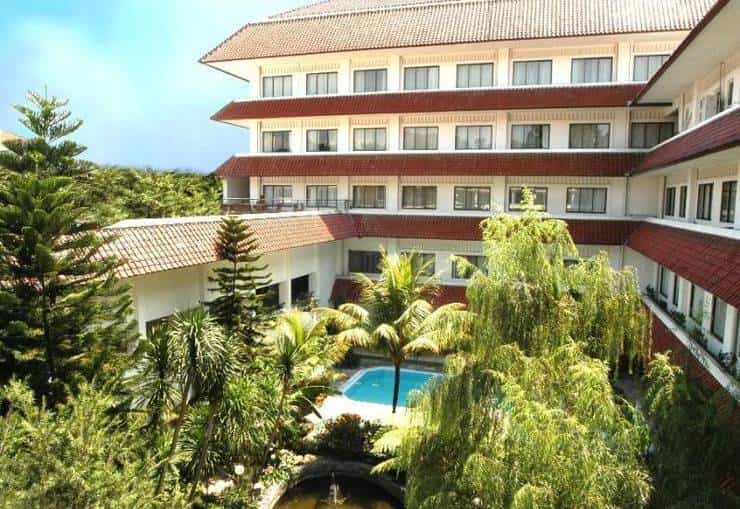
The architectural blueprint of the original structure heavily reflected European sensibilities, utilizing classic Dutch colonial design elements characterized by high ceilings, expansive windows, wide verandas, and thick masonry walls engineered to withstand the tropical climate. This architectural identity has been meticulously preserved through subsequent decades, giving the property its distinct vintage aesthetic.
The geopolitical landscape of the mid-20th century brought profound changes to the ownership and utilization of the hotel. Following the outbreak of World War II and the subsequent invasion of the Indonesian archipelago by Japanese imperial forces in 1942, the Bellevue-Dibbets Hotel was requisitioned by the Japanese military. During the Japanese occupation, the historic property ceased its operations as a civilian hotel and was repurposed as a military headquarters and administrative center for Imperial forces operating in the region.
Upon the proclamation of Indonesian independence in 1945 and the subsequent transfer of sovereignty, the property underwent significant nationalization and restructuring. The hotel was eventually renamed Hotel Salak, reflecting a localized identity while maintaining its foundational European architectural layout. Over the decades, the management undertook phased modernizations to meet evolving hospitality standards, culminating in its current branding as Hotel Salak The Heritage. Despite these upgrades, the core historical footprint remains intact, allowing guests to visually and structurally experience an era long past.
Strategic Location and Tourism Proximity
One of the primary advantages of Hotel Salak The Heritage is its exceptionally strategic location within the Bogor urban center, situated directly opposite the historic Bogor Palace. This positioning places guests within immediate walking distance of some of Indonesia’s most significant botanical, historical, and ecological attractions.
Situated at 550 meters from the Bogor Presidential Palace and a mere 710 meters from the world-renowned Kebun Raya Bogor (Bogor Botanical Gardens), the hotel serves as an ideal gateway for educational and leisure tourism. The Bogor Botanical Gardens, spanning over 87 hectares and housing more than 13,000 species of trees and plants, attract hundreds of thousands of domestic and international visitors annually. Additionally, the nearby Museum Zoologi, located approximately 630 meters from the hotel, offers extensive collections of Indonesian fauna, further enriching the cultural itinerary for guests.
For nature enthusiasts and adventure travelers, the proximity to the Mount Halimun Salak National Park—located approximately 520 meters from the property’s perimeter—provides access to vast mountainous terrain, hiking trails, waterfalls, and rich biodiversity. The surrounding geography ensures that despite its urban setting, the hotel maintains a climate characterized by lower temperatures and refreshing breezes, earning Bogor its historical moniker of Kota Hujan (The City of Rain) and a favored weekend escape for residents of the greater Jakarta metropolitan area.
Comprehensive Facilities and Accommodations
Hotel Salak The Heritage features a robust infrastructure designed to cater to both leisure tourists and the corporate MICE (Meetings, Incentives, Conferences, and Exhibitions) sector. The property comprises 140 well-appointed rooms and suites, alongside 16 versatile meeting spaces equipped to handle large-scale corporate gatherings, banquets, and social events. Room rates generally begin around Rp 509,171 per night, varying by season, room tier, and promotional availability through major booking platforms such as Agoda.
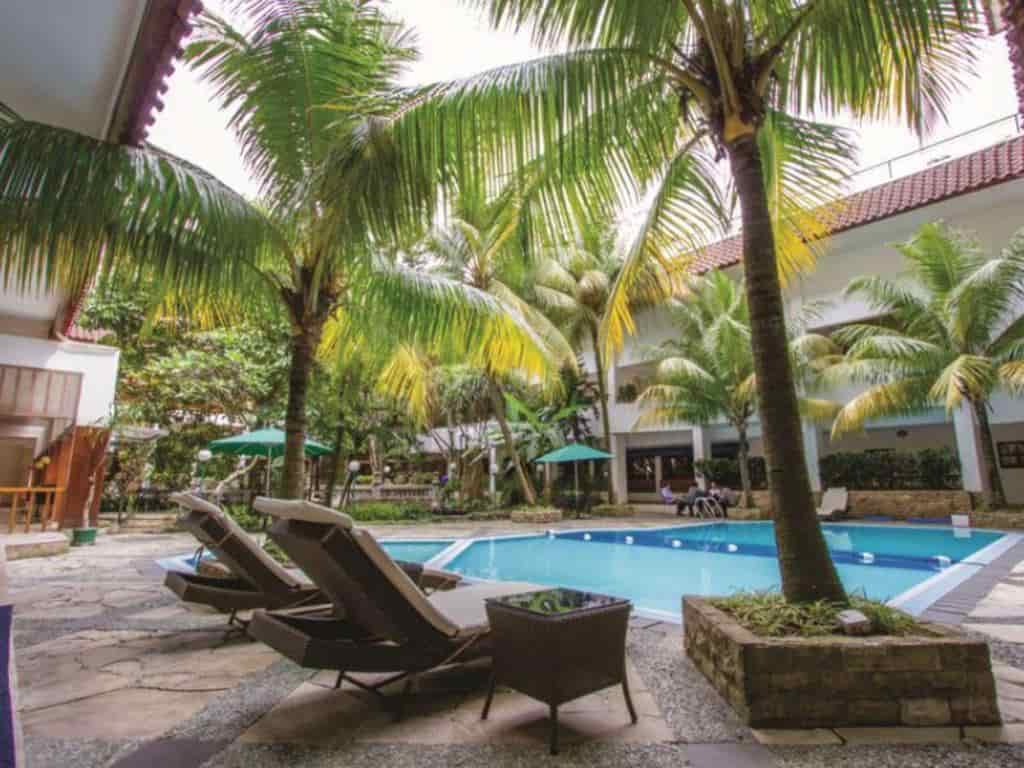
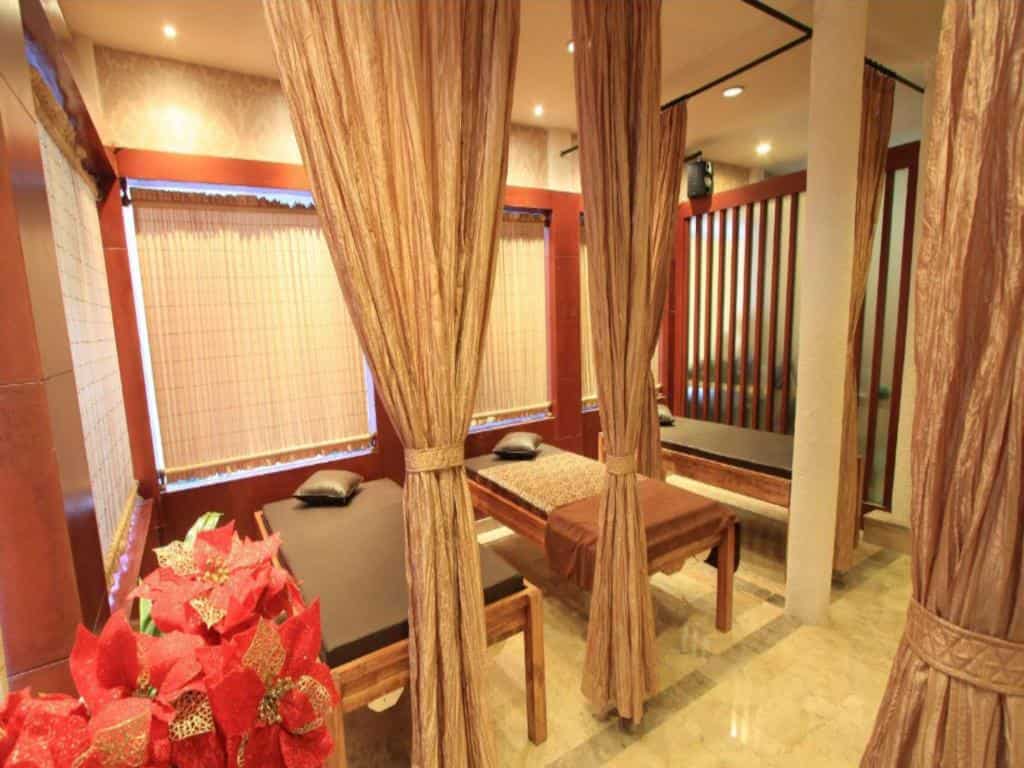
To accommodate modern traveler demands, the hotel provides an extensive array of recreational and wellness facilities. These include a fully equipped fitness center, a specialized spa offering traditional Indonesian treatments, an outdoor swimming pool, a dedicated library, karaoke facilities, and billiard tables. Culinary needs are serviced by multiple dining establishments on-site, featuring a main restaurant, an atmospheric bar, and a coffee shop that highlights local and international cuisines.
Operational infrastructure is designed for high-volume service, featuring 24-hour front desk assistance, comprehensive property-wide high-speed Wi-Fi connectivity, and an optional airport shuttle service available for out-of-town guests at a nominal additional fee. These amenities position the property as a competitive four-star option that successfully balances historical charm with the operational efficiencies expected by contemporary global travelers.
International Recognition and Diplomatic Milestones
Throughout its modern operational history, Hotel Salak The Heritage has hosted numerous domestic and international dignitaries, cementing its reputation for high-standard hospitality. A defining milestone in the hotel’s modern legacy occurred in 2006, when it received a prestigious Certificate of Appreciation from the White House Communications Agency.
This diplomatic distinction was awarded in recognition of the exceptional security, logistical support, and hospitality services provided by the hotel staff during the official state visit of United States President George W. Bush to Indonesia. President Bush’s brief summit in Bogor, where he met with then-Indonesian President Susilo Bambang Yudhoyono at the nearby Bogor Palace, required stringent security protocols and flawless logistical execution. The successful accommodation of the presidential delegation underscored the hotel’s capability to manage high-level international events and maintain rigorous operational standards.
Socio-Economic Implications and Heritage Preservation
The enduring operation of Hotel Salak The Heritage carries notable implications for urban tourism, cultural preservation, and local economic development in Bogor. As rapid modernization and commercial real estate development transform urban centers across Indonesia, historical properties face continuous pressure regarding land use and economic viability. By positioning itself as a "heritage hotel," the property demonstrates a viable commercial model for adaptive reuse—maintaining historical architecture while generating sustainable revenue through tourism and hospitality services.
Furthermore, the hotel acts as an economic catalyst for the surrounding area, supporting local supply chains, generating regional employment opportunities, and driving foot traffic to nearby cultural institutions, culinary vendors, and handicraft markets. Industry analysts note that heritage tourism properties play a crucial role in public education, allowing domestic and international visitors to engage directly with tangible remnants of colonial history and national struggle.
As Bogor continues to develop as a major weekend tourism hub for the Jabodetabek region, Hotel Salak The Heritage remains a textbook example of how historical legacy, when paired with professional management and strategic adaptation, can endure across centuries while retaining its relevance in a highly competitive modern market.