Lusiana Hamidun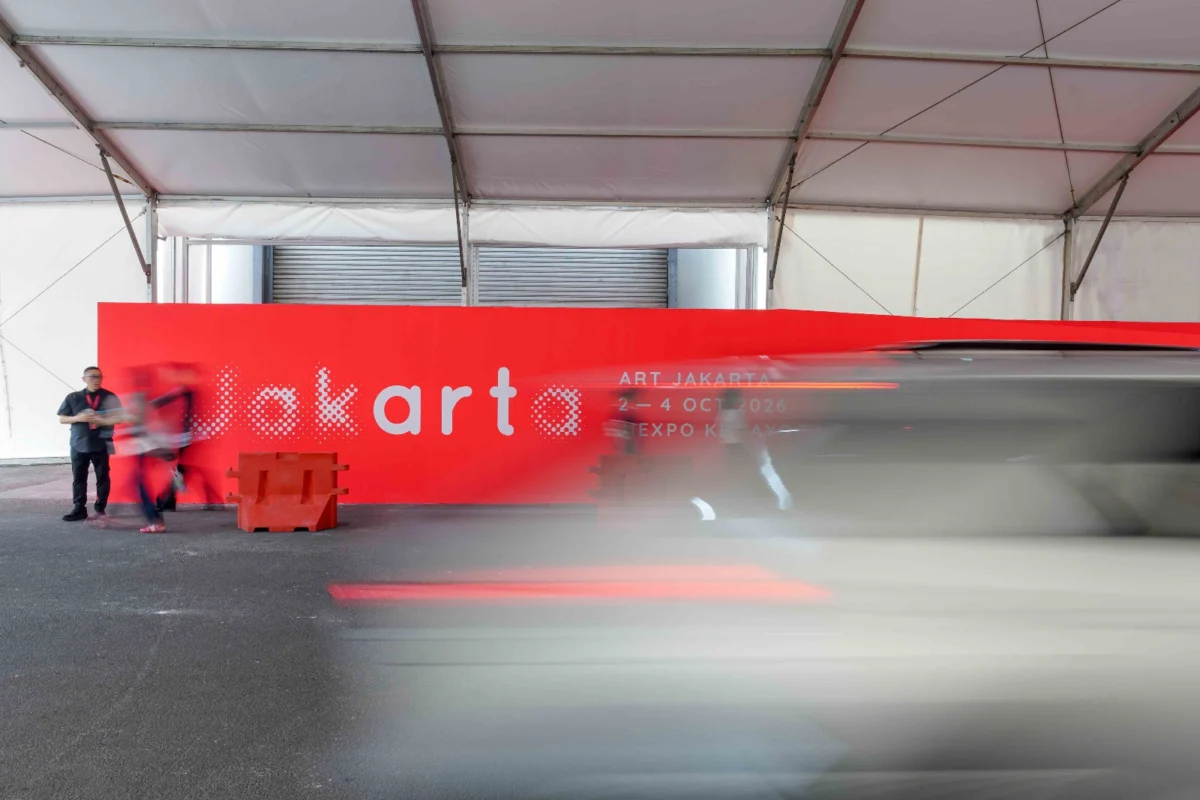
The vibrant pulse of the Southeast Asian art scene has once again converged in the Indonesian capital as Art Jakarta 2026 officially opened its doors on October 2, 2026, at the Jakarta International Expo (JIExpo) Kemayoran. Running through October 4, this landmark 16th edition serves as a definitive testament to the resilience and evolution of Indonesia’s contemporary art ecosystem. As global art markets grapple with shifting economic tides and digital transformation, Art Jakarta stands as a crucial anchor, facilitating a dialogue between Indonesian practitioners and the international creative community.
A Convergence of Global and Local Talent
This year’s iteration features a robust roster of 75 galleries, a figure that underscores the fair’s increasing relevance on the global stage. Of these, 33 represent international interests, while over half of the participating exhibitors are rooted in the Indonesian landscape. Perhaps most indicative of the fair’s growing magnetism is the inclusion of 19 galleries making their debut appearance at Art Jakarta. This influx of new participants suggests a healthy pipeline of emerging artists and a continued appetite from collectors to discover fresh, provocative talent.
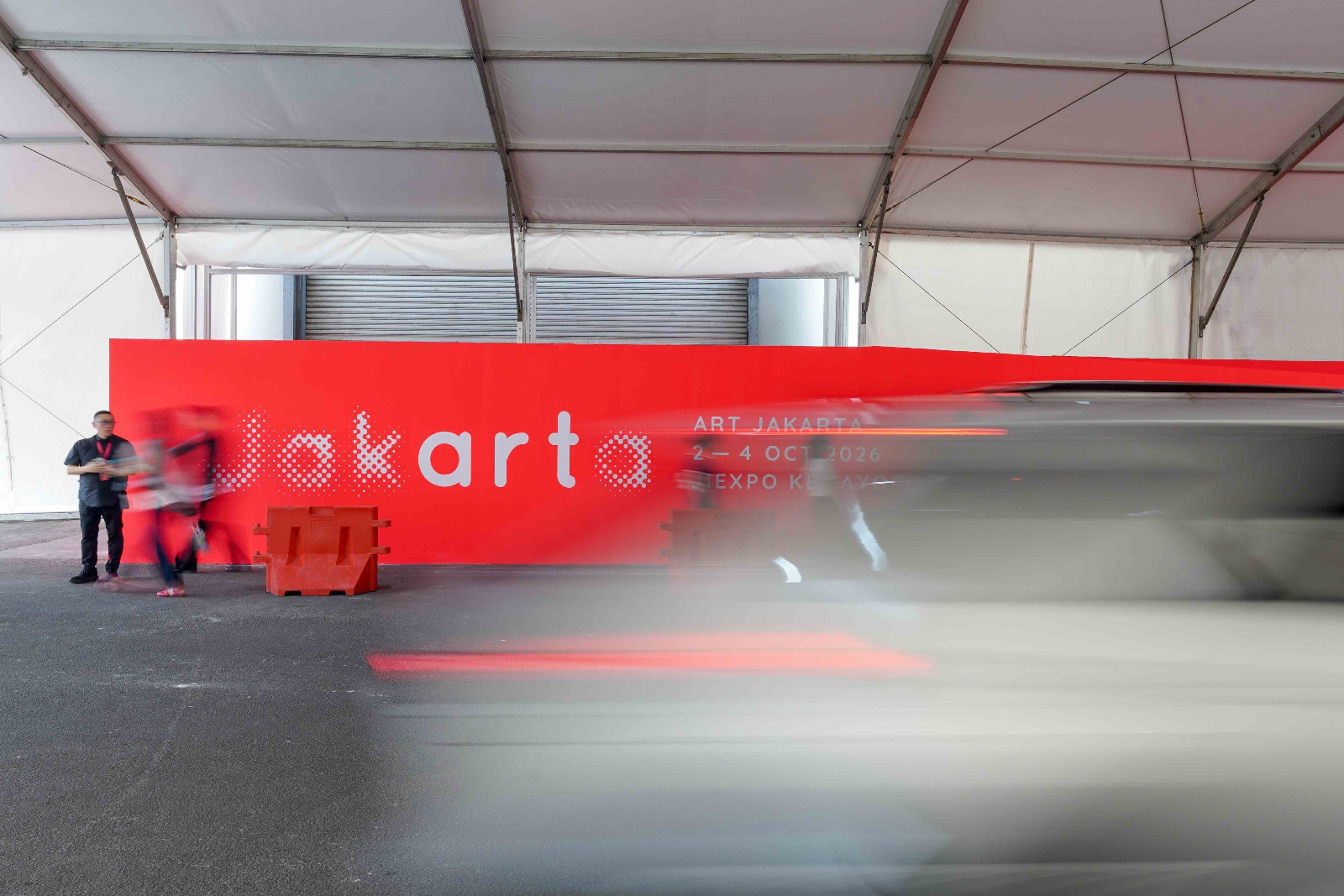
The fair’s physical footprint is as expansive as its intellectual ambition. Beyond the traditional white-cube gallery booths, Art Jakarta continues to refine its signature programming. Art Jakarta Gardens remains a cornerstone of the event, pushing the boundaries of traditional exhibition formats by integrating site-specific, large-scale outdoor installations. Complementing this is Art Jakarta Papers, a dedicated segment that shifts focus toward the nuanced, intimate medium of works on paper, allowing visitors to engage with the delicacy of draftsmanship and printmaking.
Strategic Vision and Global Integration
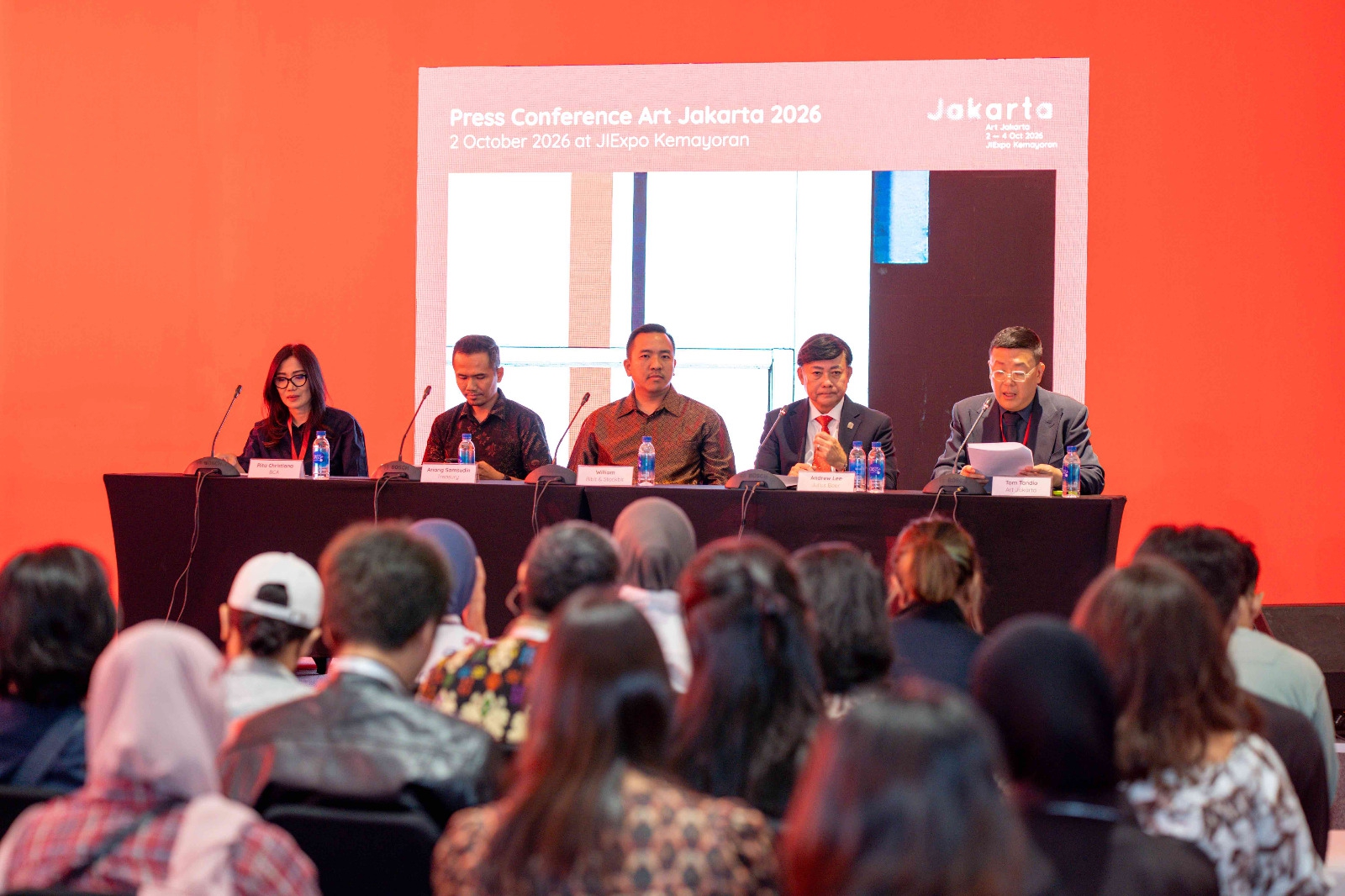
Tom Tandio, the Fair Director of Art Jakarta, has long emphasized the importance of positioning the fair as a primary gateway for Indonesian artists into the global market. In an era where regional connectivity is paramount, Art Jakarta 2026 has doubled down on international partnerships. A centerpiece of this year’s strategy is "Korea Focus," an initiative that introduces 14 emerging galleries from South Korea to the Indonesian public. This cross-pollination of Asian artistic sensibilities is intended to foster long-term commercial and cultural exchange, moving beyond the transactional nature of a typical art fair.
Furthermore, the introduction of the SCOPE program—supported by MTN Seni Budaya—marks a significant milestone. By highlighting six art fairs from various regions across the Indonesian archipelago, Art Jakarta is decentralizing the national art narrative. This initiative acknowledges that the Indonesian art scene is not merely a Jakarta-centric phenomenon, but a diverse, multi-regional network that thrives in cities like Yogyakarta, Bandung, and Bali.
The Role of Corporate Patronage in Contemporary Art
The symbiotic relationship between corporate entities and the arts is a defining characteristic of Art Jakarta 2026. This year, the collaboration between Lead Partners and artists has resulted in some of the most ambitious installations to date.
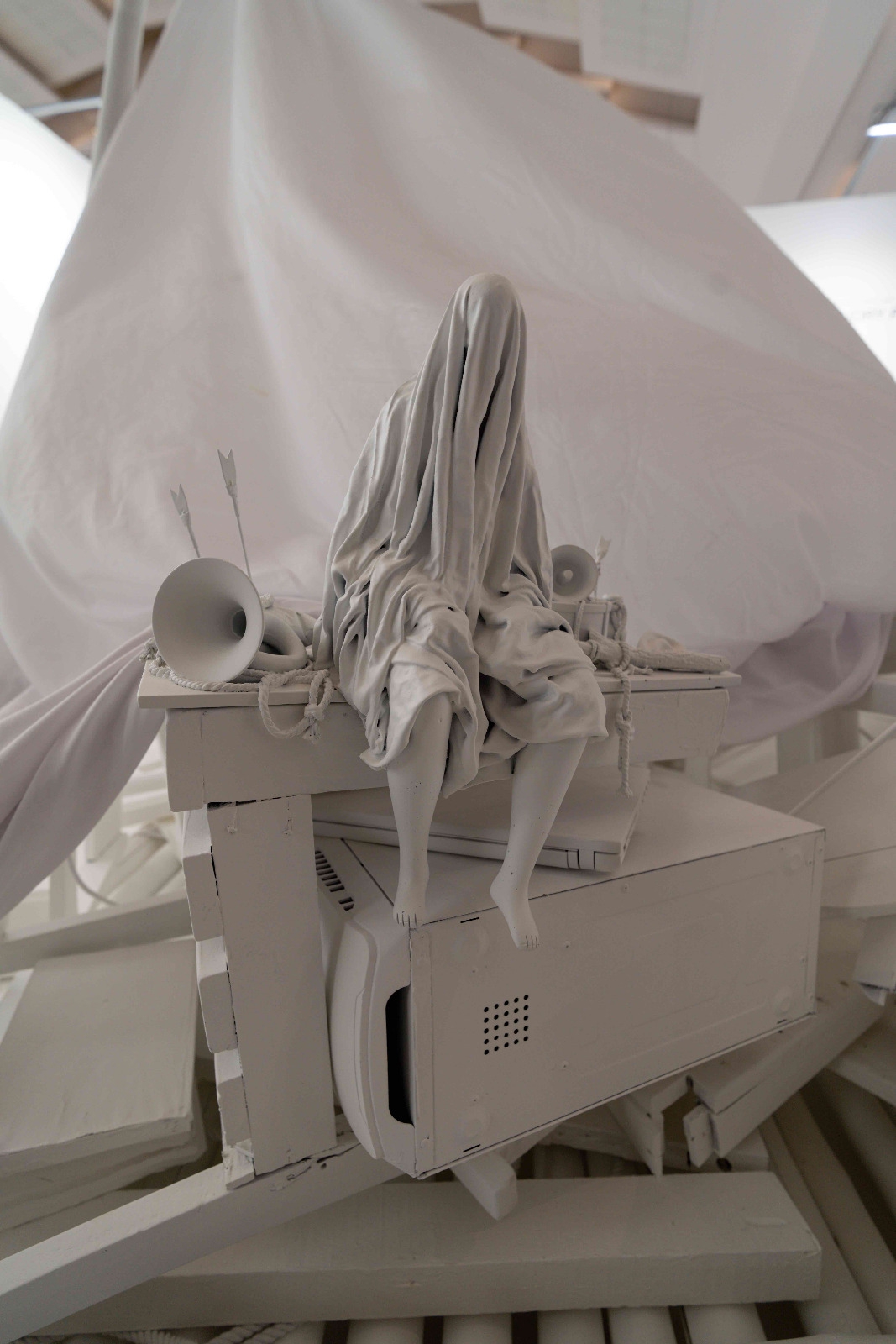
Julius Baer’s partnership with acclaimed artist Handiwirman Saputra to create Kuasa Alam offers an interactive exploration of natural forces, while the collaboration between Bibit, Stockbit, and artist Endry Pragusta on Lost at Sea provides a poignant reflection on human resilience in the face of uncertainty. These partnerships go beyond traditional sponsorship; they provide the financial and logistical scaffolding necessary for artists to execute complex, large-scale works that might otherwise remain conceptual.
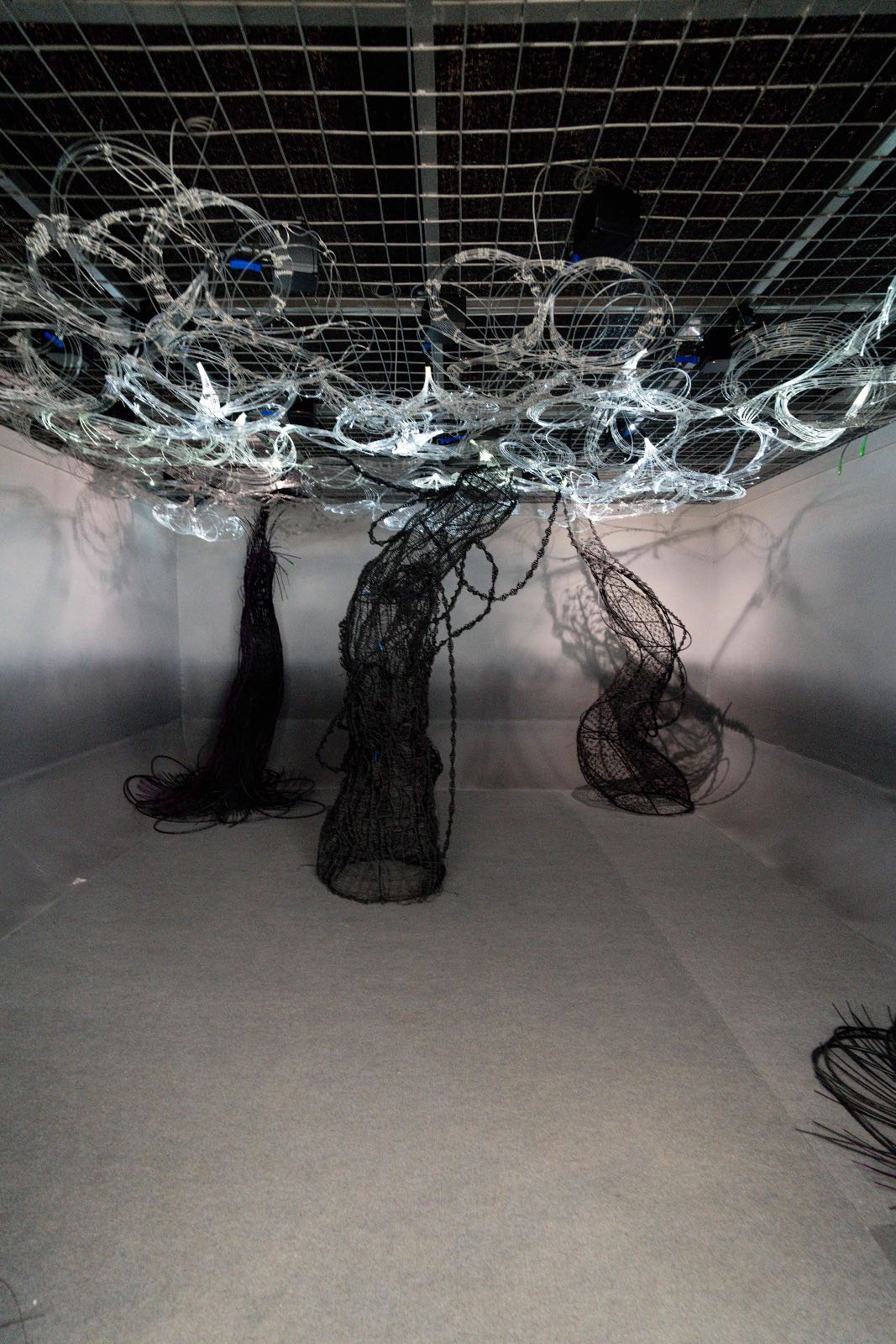
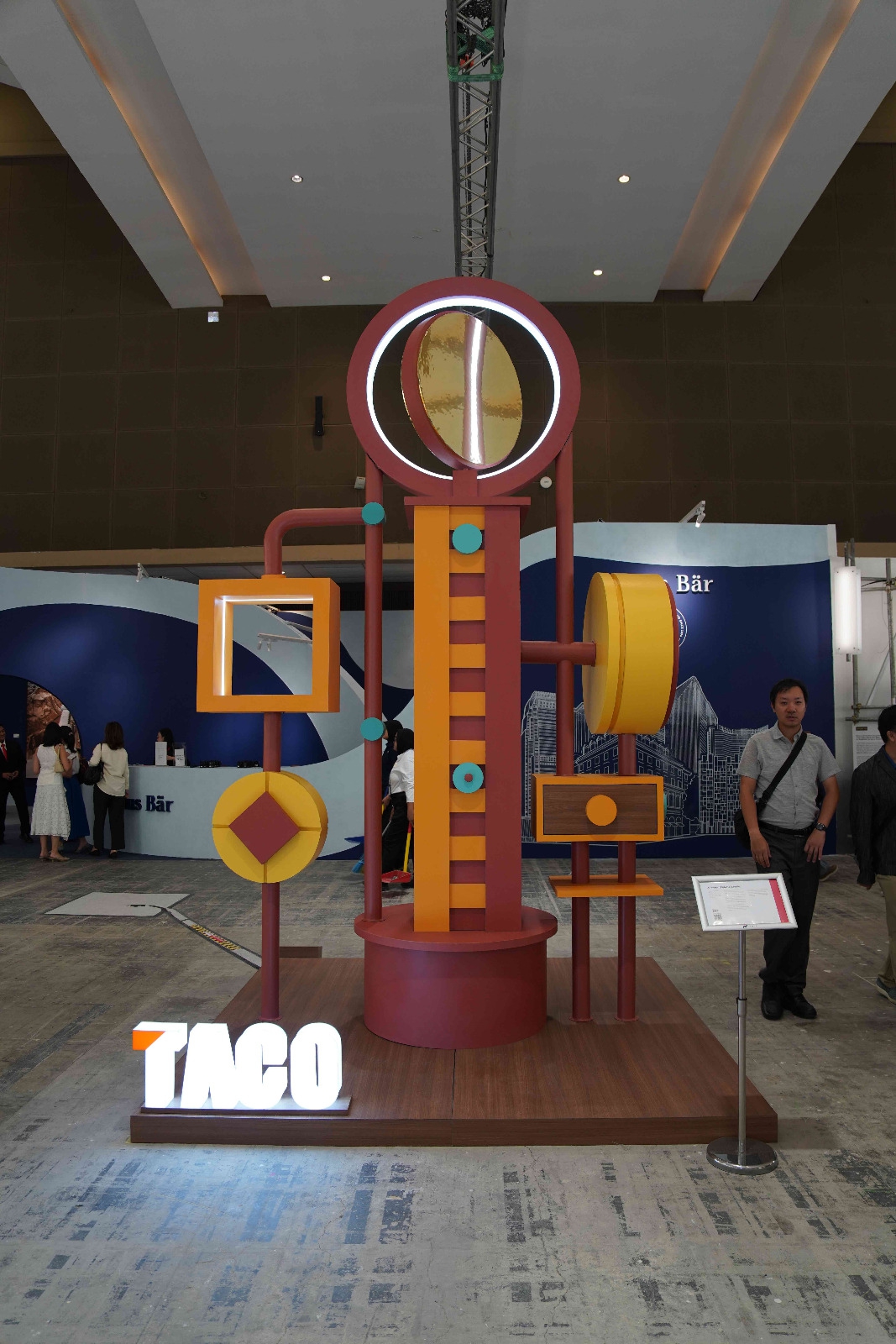
Other notable collaborations include Treasury’s multisensory installation Gravity of the Unheld by Etza Meisyara, and BCA’s immersive myBCA District One. Main Partners, including iForte and Protelindo Group, have facilitated the creation of Agnes Hansella’s Hutan Kabel, while TACO has supported the technical ingenuity of Aji Fajar and Palette Studio’s The Curiosity Engine. These efforts demonstrate a sophisticated model of patronage where corporate brands leverage their resources to elevate the visibility and complexity of contemporary Indonesian art.
Programming Beyond the Booth
While the commercial aspect of the fair is vital, the educational and discursive components of Art Jakarta 2026 remain its intellectual heartbeat. The schedule is packed with sessions under the banners of SPOT, SCENE, and AJX, designed to bridge the gap between casual art enthusiasts and industry professionals.
AJ Talk, in particular, has become a high-level forum for discourse. By bringing together collectors, curators, and historians to debate the state of the arts, the fair ensures that its value proposition extends beyond the point of sale. The inclusion of the aforementioned SCOPE program as a dedicated platform for regional art fairs represents an effort to professionalize the broader ecosystem, creating a cohesive industry standard across the nation.
Context and Evolution: A 16-Year Journey
To understand the significance of the 2026 edition, one must look at the trajectory of Art Jakarta since its inception. Over the past 16 years, the fair has evolved from a boutique event into a sophisticated international platform. The shift to JIExpo Kemayoran in recent years allowed the fair to accommodate larger crowds and more ambitious architectural installations, effectively changing the scale of what is possible in the Indonesian market.
Historically, the Indonesian art market has been driven by a dedicated group of private collectors. However, the current landscape is increasingly defined by institutional interest and international institutional recognition. Art Jakarta has successfully capitalized on this by creating a reliable calendar date that acts as a focal point for the regional market, drawing visitors from Singapore, Hong Kong, and increasingly, the wider Asia-Pacific region.
Market Implications and Future Outlook
The success of Art Jakarta 2026 has broader economic and cultural implications. By fostering a high-density environment for sales and networking, the fair bolsters the "art economy," providing employment for curators, technicians, logistics providers, and gallery staff.
From an analytical perspective, the heavy focus on collaborative installations suggests a shift in collector preference toward experiential art. Contemporary collectors are increasingly seeking works that offer an immersive or multisensory experience, moving away from purely decorative or static wall-based pieces. This trend, if sustained, will likely influence the production strategies of younger artists in the coming years.
Moreover, the international participation figures signal that despite global geopolitical uncertainties, Indonesia remains a stable and attractive destination for art investment. The "Korea Focus" and the inclusion of regional Indonesian fairs suggest a strategic move toward regional consolidation. By strengthening its ties with the South Korean market—a major hub for contemporary art—Art Jakarta is effectively diversifying its international footprint, reducing reliance on traditional Western markets and focusing on the growth of the "Asian Century."
Conclusion: A Platform for the Future
As Art Jakarta 2026 continues its run, the atmosphere at JIExpo remains one of cautious optimism and intense creative energy. The event serves as more than just a marketplace; it is an annual audit of the Indonesian art scene’s health. By balancing the demands of the commercial art world with a commitment to artistic experimentation and regional development, Art Jakarta has solidified its role as the primary engine of contemporary art in Southeast Asia.
For the participants—the galleries, the artists, and the collectors—the fair offers a vital opportunity to re-calibrate their strategies for the coming year. As the event concludes on October 4, the lasting impact will likely be felt in the strengthened relationships between the regional art hubs and the continued elevation of Indonesian artists on the global stage. The 16th edition does not simply celebrate the past; it provides a comprehensive, forward-looking roadmap for what the next decade of Indonesian art could—and should—look like.