Nila Kartika Wati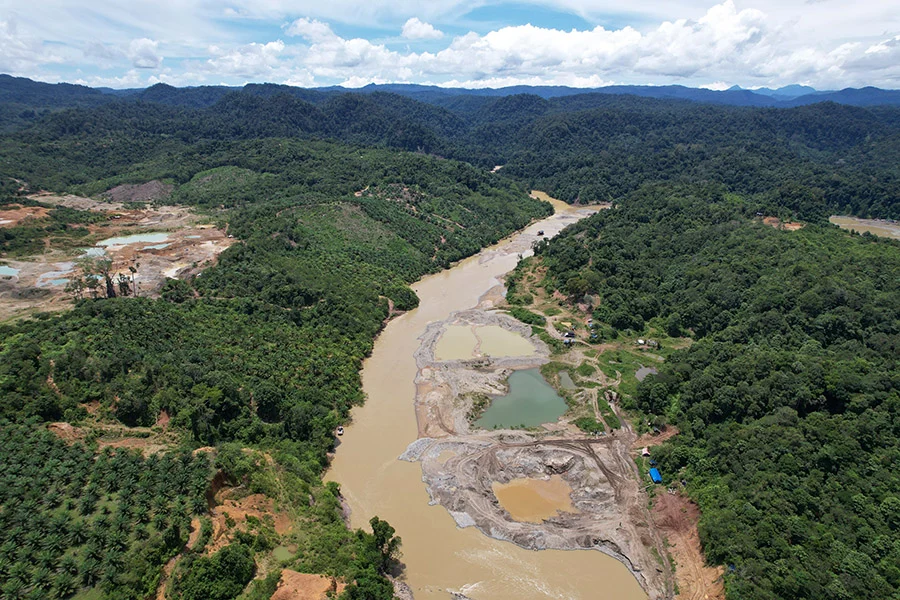
The landscape of Aceh Province is currently defined by an expansive footprint of extractive industry activity, with 85 Mining Business Licenses (IUP) for metal minerals and coal scattered across 12 districts and cities. Official data from the Aceh Energy and Mineral Resources (ESDM) Agency reveals that these concessions encompass a staggering 155,307.50 hectares of land. This massive allocation of space has brought the regional government’s development strategy under intense scrutiny, pitting the promise of economic growth against the urgent need to preserve one of Indonesia’s most ecologically significant regions.
A breakdown of the mining landscape
The distribution of these 85 permits is split between two primary stages of mining activity: exploration and production. According to the ESDM, 56 of these licenses are currently in the exploration phase, covering 117,727.67 hectares. Meanwhile, 29 licenses have advanced to the operation-production phase, accounting for 37,579.83 hectares. These figures represent more than just administrative entries; they reflect a transformation of land use across Aceh, from the highlands of Gayo Lues to the coastal regions of Aceh Jaya.
Aceh Jaya leads the list as the district with the largest mining footprint, with 48,324.30 hectares designated for extraction. It is followed by Aceh Barat (30,926 hectares), Aceh Singkil (22,049 hectares), and Nagan Raya (20,648.48 hectares). Other affected areas include Aceh Selatan, Aceh Tengah, Pidie, Aceh Barat Daya, Aceh Besar, Subulussalam, Aceh Tamiang, and Gayo Lues. The concentration of these permits in regions often associated with high biodiversity and sensitive watersheds has triggered significant concern among environmental advocates.
The regulatory framework and the "Aceh Exception"
The issuance of these permits is managed by the Aceh Investment and One-Stop Integrated Services Agency (DPMPTSP). Marwan Nusuf, Head of the agency, has emphasized that the process has transitioned entirely to a digital, electronic-based system to eliminate direct interaction between applicants and officials. This shift, according to the government, is designed to reduce the risk of corruption and ensure that every step of the permit lifecycle—from initial application to the final signature—is transparently logged and time-stamped.
However, the legal basis for these permits remains a complex issue. While the national Law Number 3 of 2020 on Mineral and Coal Mining effectively centralized much of the licensing authority under the Indonesian central government, Aceh retains unique powers. Under Law Number 11 of 2006 on the Government of Aceh—a pillar of the province’s special autonomy status—the regional government continues to exercise specific authority over its natural resources.
Marwan explained that the DPMPTSP operates under a strict mandate: once a company fulfills all regulatory requirements, including technical recommendations from the ESDM agency and endorsements from local village, sub-district, and regency governments, the agency is legally obligated to process the permit. Failure to do so exposes the provincial government to litigation through the State Administrative Court (PTUN). This creates a situation where the government views itself as a facilitator of law-abiding investment, while critics argue that the criteria for "compliance" are insufficient to protect the environment.
Environmental risks and the ecological toll
The ecological implications of such extensive mining are severe. Environmental organizations, most notably the Aceh chapter of the Indonesian Forum for the Environment (WALHI), have been vocal in their opposition to the continued expansion of these licenses. Afifuddin, Head of Advocacy and Campaigns at WALHI Aceh, argues that the current government approach is fundamentally flawed because it prioritizes narrow economic indicators—such as production volume and temporary job creation—over long-term ecological health.
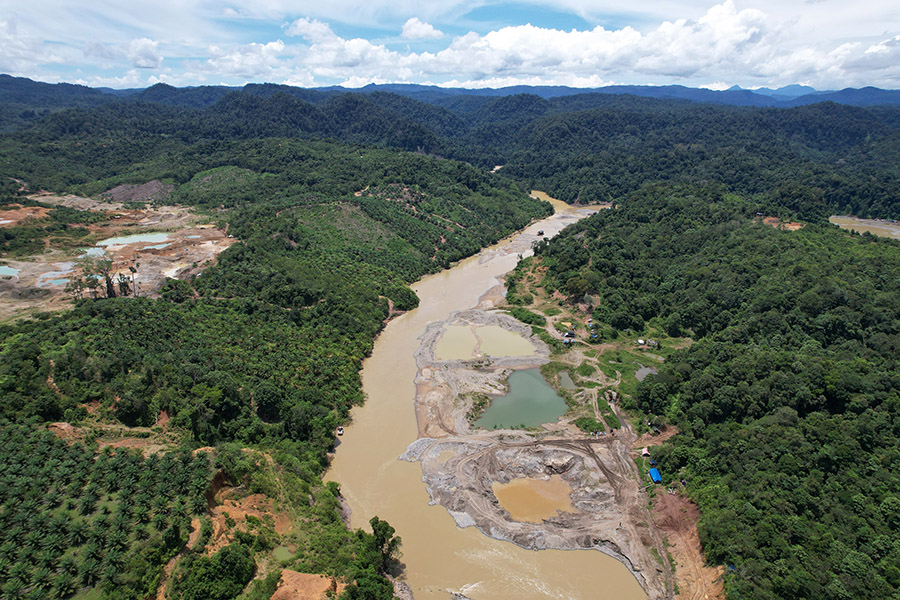
"The government and mining proponents often speak of economic growth and job creation, but they rarely address the long-term impact on the community and the environment," Afifuddin stated. He highlighted that the benefits of mining, while potentially significant in the short term, are rarely distributed equitably among the local populations who reside in the immediate vicinity of the mines. These communities, he noted, are the ones left to contend with the "mudharat" or long-term negative consequences, such as water contamination, land degradation, and the destruction of local irrigation systems essential for agriculture.
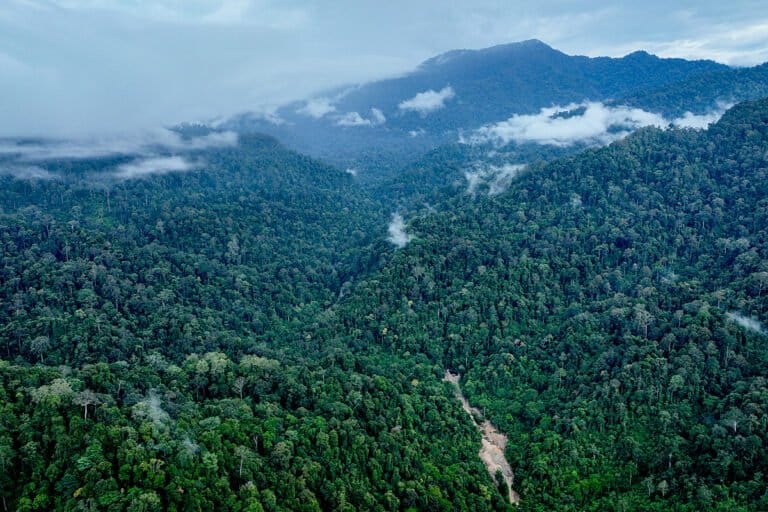
The threat extends to the Leuser Ecosystem, a critical biodiversity hotspot. As mining concessions encroach on forested areas, the risk of habitat fragmentation increases. The contamination of rivers in areas like Aceh Barat, often linked to both legal and illegal gold mining activities, serves as a grim preview of what could occur on a larger scale if the current trajectory continues.
The conflict between extraction and subsistence
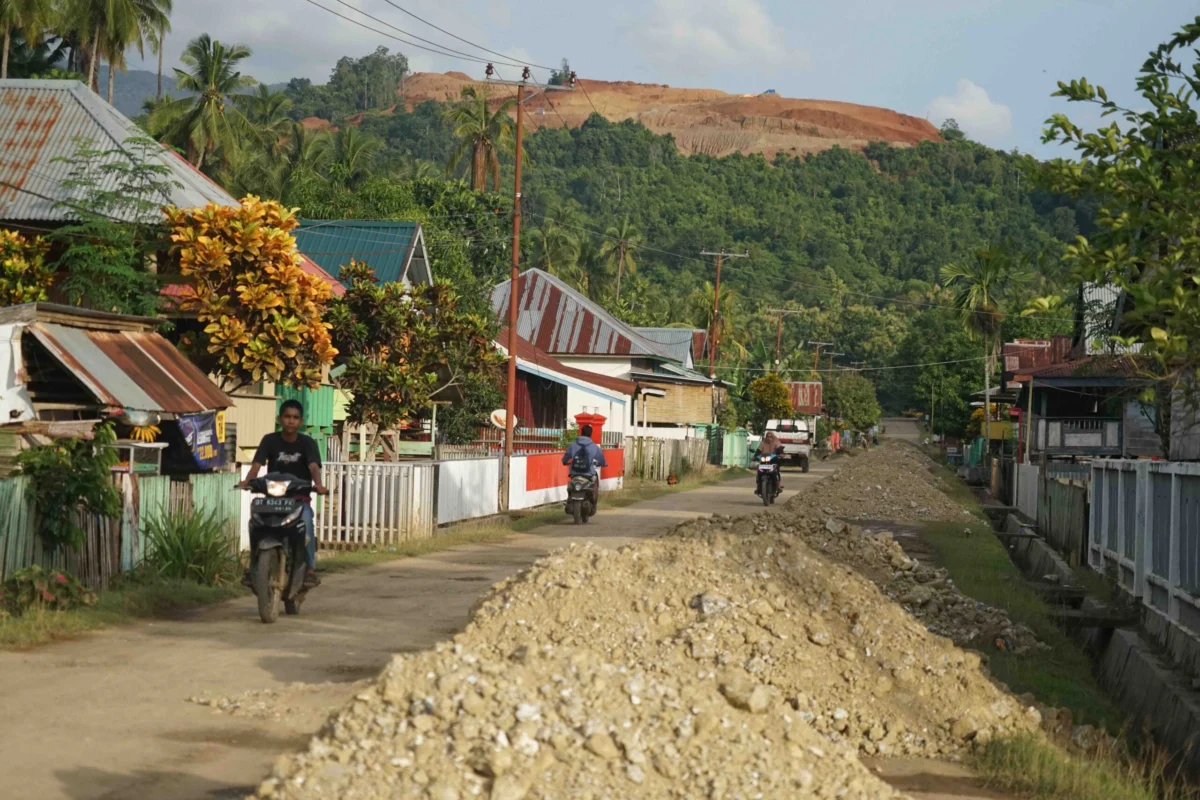
Aceh’s economy has historically relied on agriculture, plantation crops, and sustainable forestry. These sectors provide livelihoods for a significant portion of the population and are intrinsically linked to the health of the local watershed. When a mining company is granted a license to operate, it often overlaps with areas used by local farmers and indigenous communities.
The conflict in Pameu, where local residents have actively rejected gold mining operations, serves as a microcosm of this wider struggle. Residents argue that the potential for long-term food insecurity and the loss of access to clean water outweigh any dividends promised by the mining sector. The concern is that if these 155,000 hectares are fully exploited, the resulting damage to soil fertility and water quality will be irreversible, potentially rendering current agricultural practices unviable.
Looking forward: A call for systemic evaluation
The debate in Aceh is not merely about the number of licenses, but about the transparency and rigor of the permitting process itself. WALHI Aceh and other civil society groups are calling for a comprehensive, province-wide evaluation of all existing IUPs. This audit, they argue, must go beyond paperwork to assess:
- Ecological impact: A thorough review of how these permits affect critical forest zones and water catchment areas.
- Social conflict: An analysis of potential and existing disputes between mining companies and local inhabitants.
- Economic equity: A detailed study of whether the economic gains actually reach the local communities affected by the pollution and land usage.
- Reclamation accountability: Ensuring that companies have the financial capacity and commitment to restore the land once extraction is complete.
The current situation presents a dilemma for the Aceh provincial government. On one hand, there is the pressure to boost regional revenue and align with national development goals. On the other hand, there is the constitutional and moral responsibility to protect the environment for future generations.
Chronology of regulatory tensions
The tension between mining interests and environmental conservation has intensified over the last decade. Following the enactment of the 2020 Mining Law, there was significant confusion regarding the jurisdiction of local versus central authorities. Aceh’s reliance on its Special Autonomy status has provided a buffer, but it has also placed the provincial government in the crosshairs of both industry players seeking certainty and activists demanding stricter oversight.
Throughout 2025 and 2026, the issue of illegal gold mining—which often operates in the shadow of or alongside formal concessions—has pushed the issue of "mining management" to the top of the local political agenda. The provincial administration has attempted to implement stricter monitoring through the use of drone surveillance and electronic reporting systems, but these measures have done little to appease critics who believe the root cause is the sheer density of permits granted.
The road ahead: Sustainability as an economic imperative
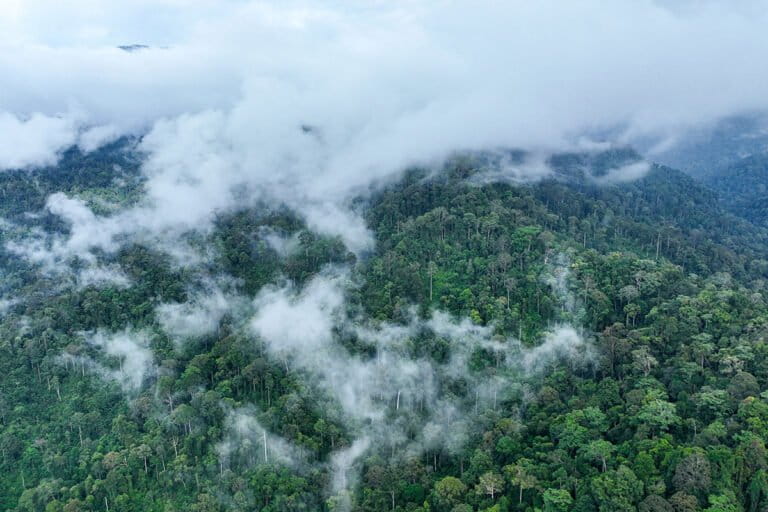
The narrative that mining is the only path to prosperity is increasingly being challenged. Economists and environmental scientists suggest that Aceh’s long-term economic resilience lies in the protection of its ecosystem services. The natural capital—clean water, fertile soil, and climate regulation provided by its forests—is a non-renewable asset that, if lost, cannot be replaced by the tax revenue from mining.
As the government evaluates the status of these 85 permits, the public and civil society are demanding a shift in paradigm. The goal is no longer just about issuing licenses efficiently, but about ensuring that every square meter of Aceh’s land is managed with a view toward the next fifty years, not just the next fiscal cycle.
The pressure on the provincial government to stop the issuance of new permits is mounting. With the potential for irreversible damage to the Leuser Ecosystem and the livelihoods of thousands of farmers, the coming months will likely see an intensification of the legal and social battles over the future of Aceh’s subsoil wealth. Whether the government will prioritize the immediate demands of the industry or the long-term sustainability of the region remains to be seen, but the urgency of the situation is undeniable. The people of Aceh, it seems, are increasingly unwilling to accept the prospect of a future defined by empty pits and tainted rivers.