
 Tyo Susilo
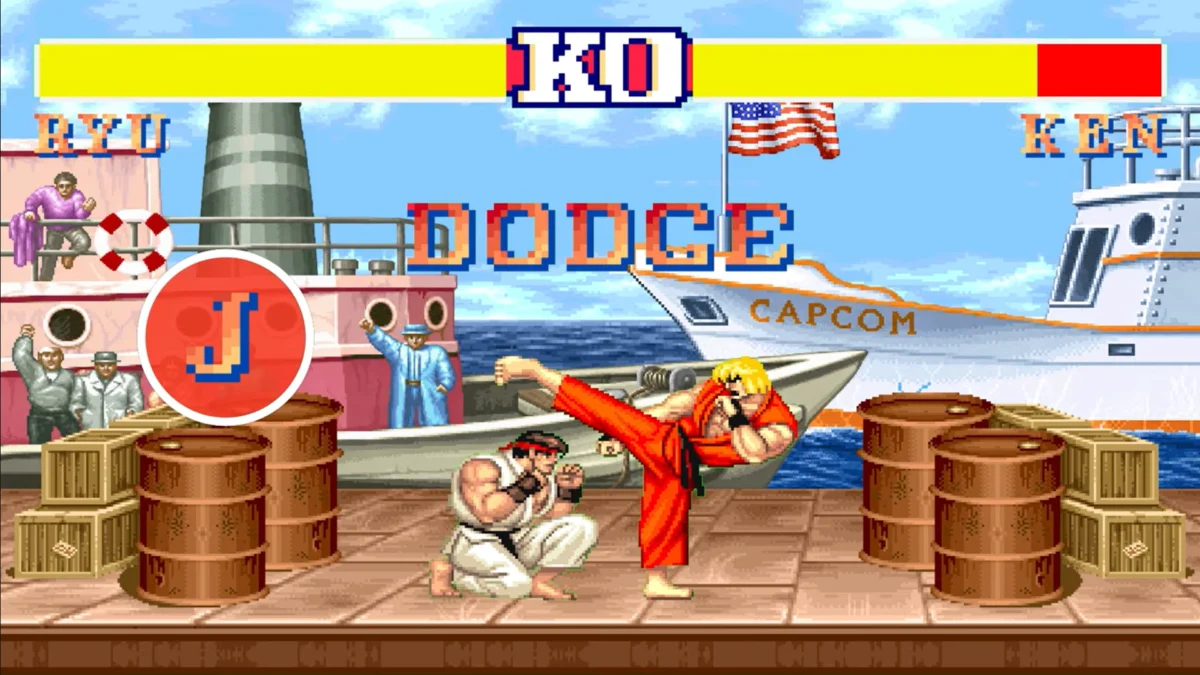
The landscape of digital entertainment has achieved a surprising convergence as classic retro gaming meets mainstream video streaming. Through an innovative community-driven initiative spearheaded by the creator project known as Atlas Arcade, the legendary fighting game Street Fighter II has been successfully adapted to run directly within the YouTube platform. This technological feat allows users to engage in an interactive gaming session without the necessity of downloading software, installing heavy files, or configuring complex arcade emulators. While the project is not an official commercial release or a direct collaboration with Capcom, it represents a significant milestone in creative platform exploitation, blurring the traditional lines between passive video consumption and active digital participation.
Technological Evolution and the Mechanics of YouTube Interactivity
The adaptation of Street Fighter II for YouTube is built upon the platform’s native interactive video features, cleverly repurposed to handle basic game states and user inputs. Rather than streaming a live cloud-gaming instance, the project utilizes branching video logic and embedded interface elements that respond in real-time to viewer commands.
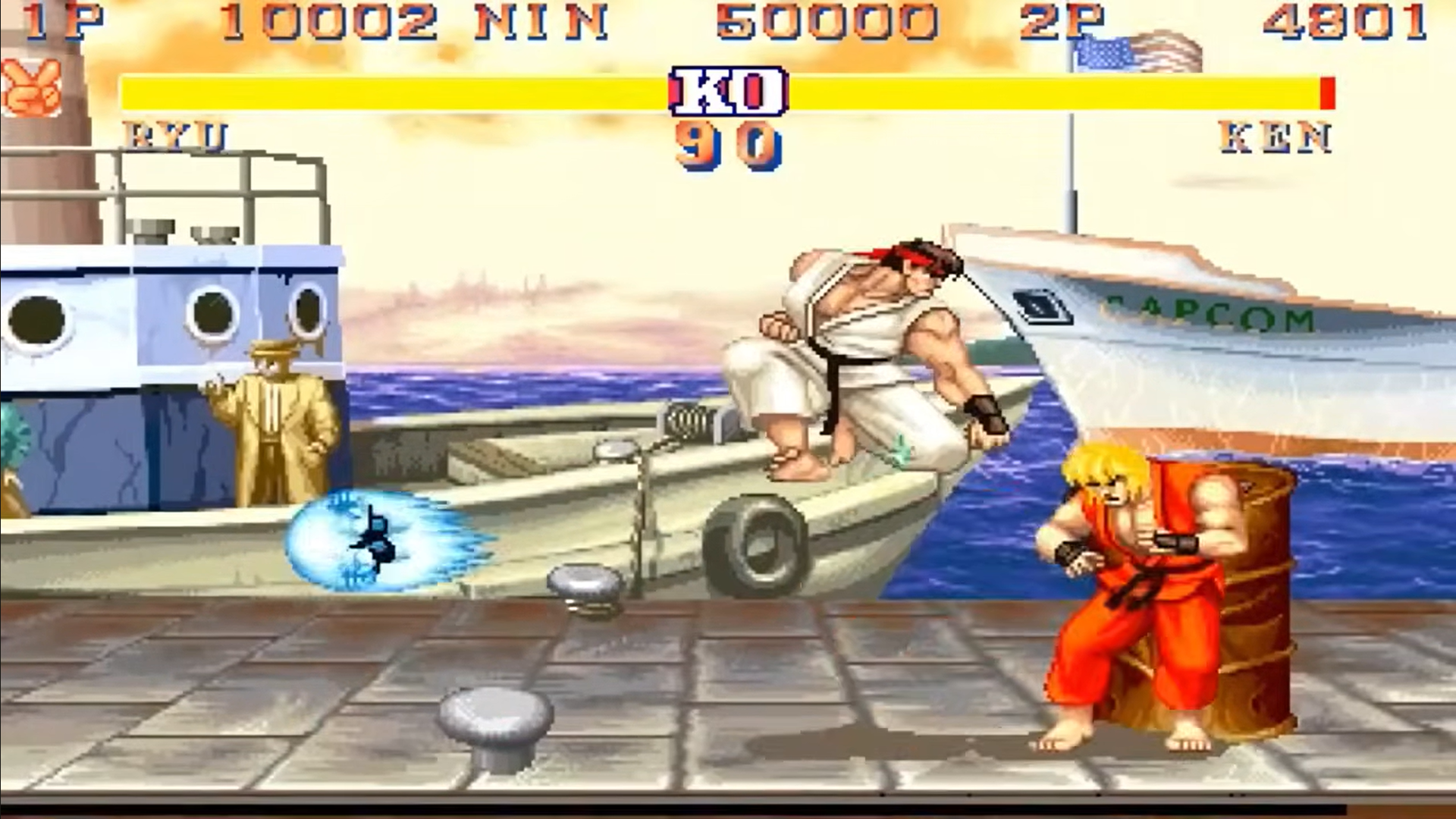
In this custom-tailored minigame experience, the action is intentionally streamlined to accommodate the technical limitations of a video player interface. Set within the iconic Battle Harbor arena, the scenario places the player in control of the franchise’s quintessential protagonist, Ryu, as he faces off against his lifelong rival, Ken.
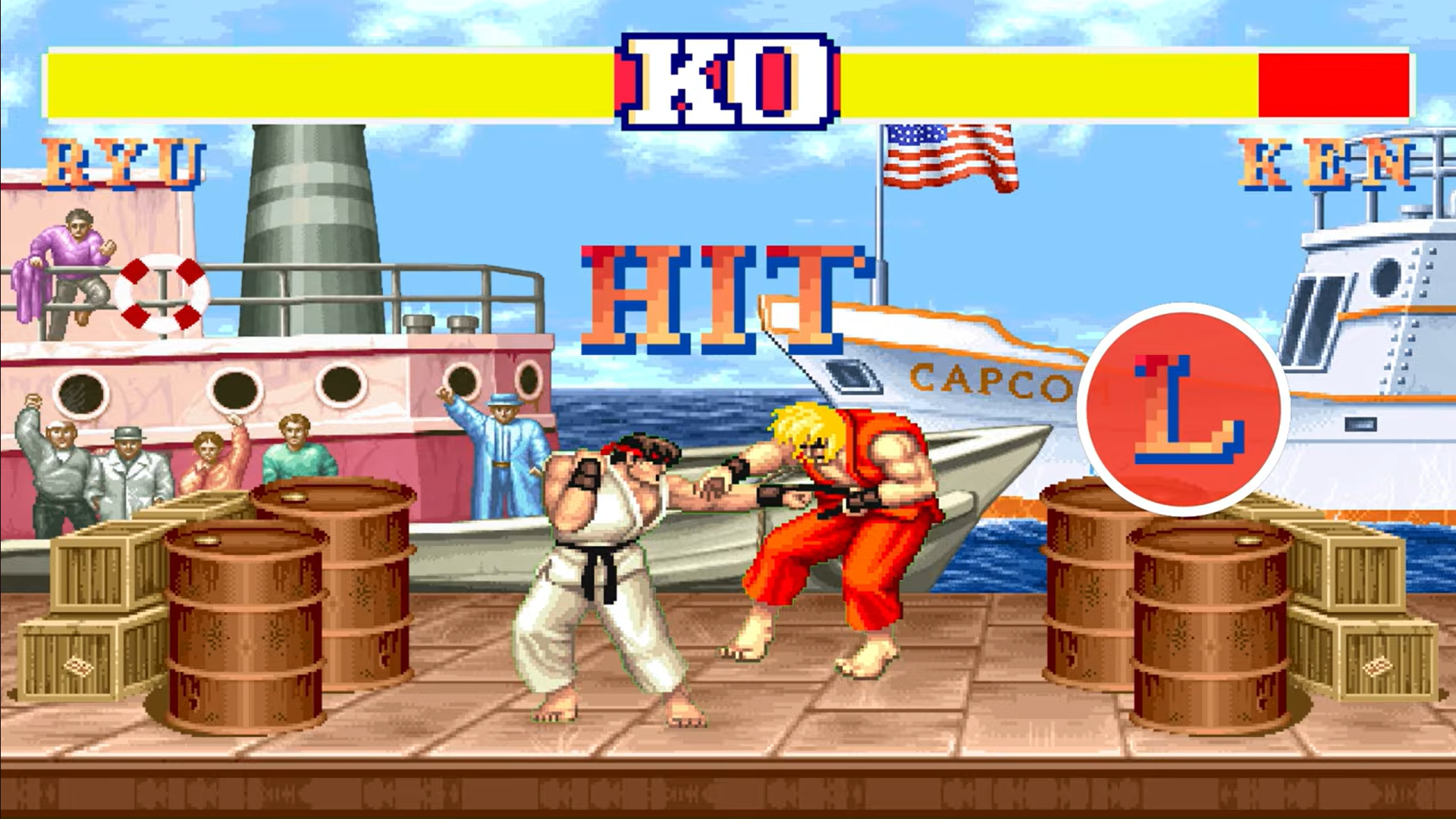
Because traditional arcade controllers require complex combinations of directional inputs and multiple action buttons, the project drastically simplifies the control scheme. For desktop users, engagement is reduced to a straightforward two-button configuration using the "J" and "L" keys on a standard keyboard, allowing players to execute basic attacks or evade incoming strikes from Ken. Mobile and tablet users are not left out of the experience; the interface dynamically adjusts to incorporate touch-sensitive target areas overlaying the video frame, enabling seamless interaction across diverse hardware ecosystems.
Progression, Gameplay Limitations, and Iconic Finishes
Despite the stripped-down mechanics, the developers behind Atlas Arcade ensured that the core nostalgic charm of the 1991 arcade masterpiece remains intact. Players who successfully navigate the timing of their attacks and survive the encounter are rewarded with a cinematic climax: Ryu unleashes his signature projectile attack, the iconic Hadouken, to conclude the bout.

However, industry analysts and technology reviewers emphasize that users should manage their expectations regarding the depth of gameplay. This browser-based YouTube adaptation is far from a complete port of the original Capcom title. The experience is strictly limited to a single, localized duel between Ryu and Ken. There is no roster selection featuring the game’s full suite of iconic fighters such as Chun-Li, Guile, or M. Bison, nor does it feature the intricate combo systems, frame data, or multiplayer versus modes that defined the competitive fighting game community for decades. Instead, it functions as an interactive proof-of-concept—a digital novelty designed to showcase the untapped potential of streaming infrastructure.
The Creative Pipeline of Atlas Arcade
The deployment of Street Fighter II is not an isolated experiment for the creators behind Atlas Arcade, who have established a growing portfolio of transforming non-gaming platforms into interactive digital sandboxes. Prior to this release, the channel gained traction within digital culture communities by engineering similar browser-based interactive video games inspired by globally recognized franchises.
Previous projects successfully converted elements of Minecraft, the survival-horror phenomenon Five Nights at Freddy’s, and various iterations of the Pokémon universe into clickable YouTube videos. Each successive release has incrementally pushed the boundaries of what video hosting services can achieve through creative scripting and user-interface design. By utilizing YouTube as an improvised game engine, these creators bypass traditional distribution barriers, granting instant access to millions of active platform users worldwide.
Industry Implications and the Future of Platform-Agnostic Gaming
The emergence of community projects like Atlas Arcade sheds light on shifting consumer habits and the evolving definition of software accessibility. In an era where high-end gaming increasingly demands robust hardware, high-speed broadband, and specialized launchers, frictionless access models continue to gain momentum. While streaming services such as Xbox Cloud Gaming, GeForce Now, and Amazon Luna have popularized cloud-based execution, utilizing video-sharing platforms for rudimentary interactive media opens entirely new avenues for digital marketing, independent game development, and educational outreach.
From a technical standpoint, the project demonstrates how modern content delivery networks can be leveraged for dynamic user engagement. Software developers and platform architects are increasingly taking note of how audiences interact with participatory media formats. Although copyright holders such as Capcom typically maintain strict control over their intellectual properties, fan-made interactive homages often exist in a creative gray area, serving as digital tributes that celebrate retro gaming heritage without disrupting official commercial ecosystems.
As digital creators continue to test the limits of what standard web players can execute, the boundary between watching content and playing content becomes increasingly porous. The successful integration of Street Fighter II into YouTube serves as both a nostalgic nod to the golden age of arcade gaming and a fascinating glimpse into the future of accessible, platform-agnostic interactive entertainment. Observers and digital enthusiasts alike are now left speculating which classic franchise will receive the interactive video treatment next, and how far community ingenuity can stretch the architecture of the world’s largest video repository.