Bambang Pamungkas
As Indonesia gears up for a series of national long holidays, the Nusantara Capital City Authority (OIKN) has announced the opening of the Kawasan Inti Pusat Pemerintahan (KIPP) or Core Government Area of Nusantara to public visits, offering an unprecedented opportunity for citizens to witness firsthand the monumental progress of the nation’s future capital. This initiative, designed to foster public engagement and transparency, transforms the construction site into a unique destination, complete with structured visiting routes, strategic viewing points, and comprehensive support services, including electric shuttle buses and a network of local businesses.
The decision to open KIPP Nusantara to the public during these extended holiday periods underscores a strategic move by the OIKN to demystify the ambitious capital relocation project. By providing direct access, the Authority aims to bridge the gap between public perception, often shaped by media reports and political discourse, and the tangible reality of development on the ground. This immersive experience is intended to allow visitors to grasp the scale, vision, and intricate details of what is touted as Indonesia’s smart, green, and sustainable forest city.
A Glimpse into the Future: Facilities and Access
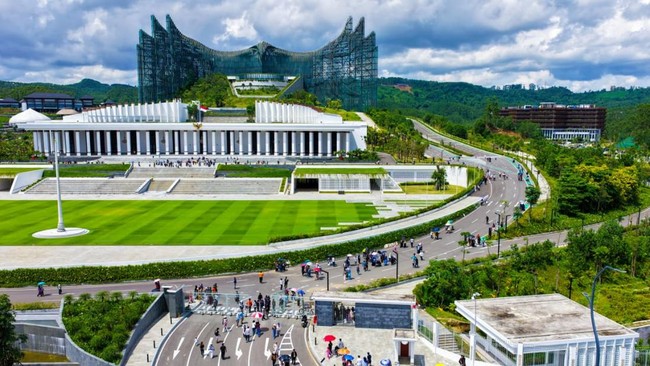
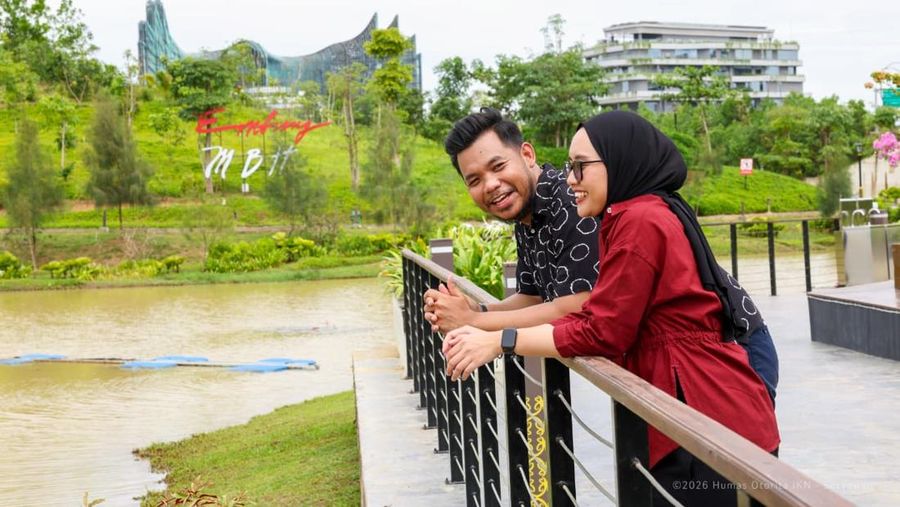
Visitors to KIPP Nusantara will find a well-organized environment despite the ongoing construction. Several key locations have been designated as public access points, offering diverse perspectives on the emerging cityscape. These include the grand Plaza Seremoni, designed as a central gathering space; Embung MBH, a vital water management feature; the eco-friendly Glamping IKN accommodations; the impressive Bendungan Sepaku Semoi, a crucial water supply infrastructure; the culturally significant Plaza Bhinneka Tunggal Ika; the serene Taman Kusuma Bangsa; the majestic Masjid Negara (State Mosque); and designated viewing areas around the future Istana Negara (State Palace). Access to the Istana Negara area is subject to capacity controls and specific dress code regulations, ensuring respect for the national symbol under construction.
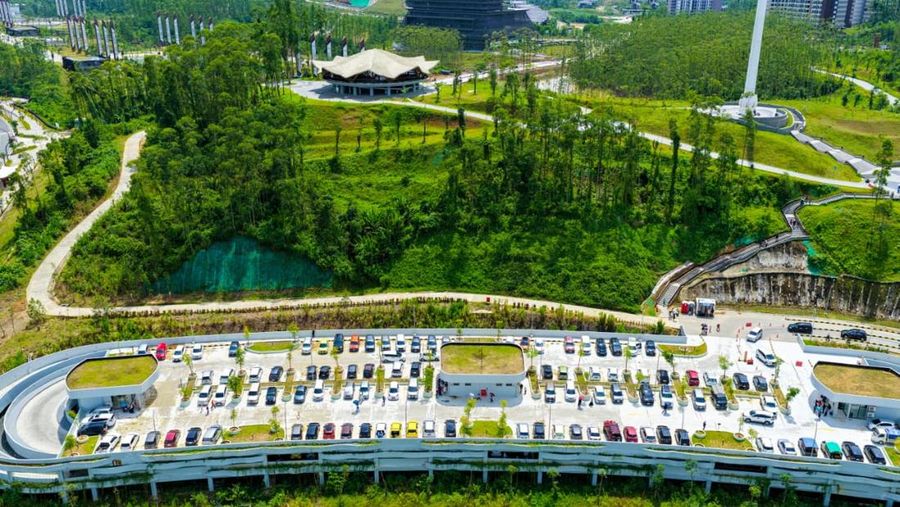
To facilitate seamless mobility within the expansive KIPP area, the OIKN has deployed a fleet of electric shuttle buses. These eco-friendly vehicles will connect various strategic points, minimizing private vehicle traffic and reinforcing Nusantara’s commitment to sustainable urban mobility. Ample parking facilities have also been established at multiple locations to accommodate the anticipated influx of visitors. This integrated transport system highlights the forward-thinking infrastructure planning that underpins the entire project.
A significant enhancement to public accessibility is the recent functional opening of the toll gate leading directly into IKN. This infrastructure improvement drastically reduces travel time and logistical hurdles for visitors, making the journey to Nusantara considerably more convenient. This move not only serves the immediate purpose of facilitating holiday visits but also signals the steady progress in connecting the new capital to existing regional transportation networks.
Fostering Local Economy and Visitor Comfort
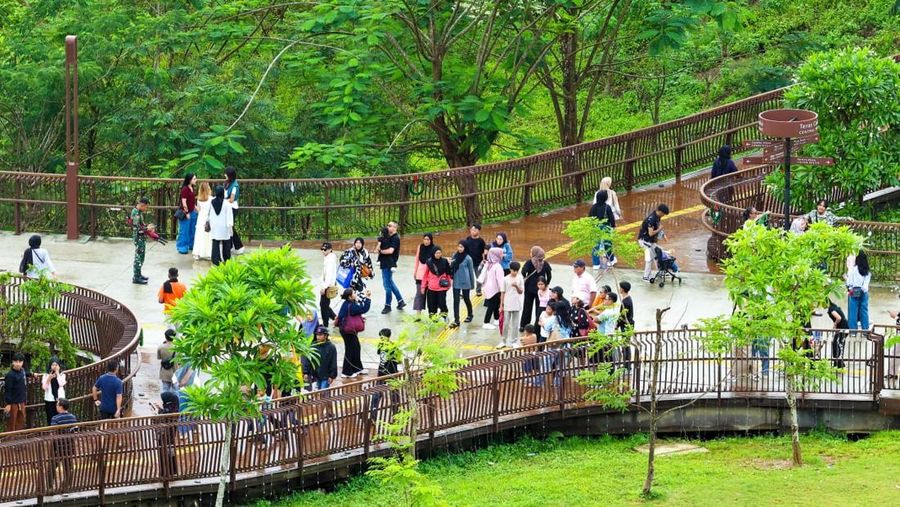
Beyond infrastructure, the visitor experience is further enriched by a robust network of supporting services. The OIKN has strategically partnered with approximately 20 Micro, Small, and Medium Enterprises (UMKM) tenants, alongside established restaurants, cafes, and even temporary hotel facilities. These amenities are crucial for ensuring visitor comfort and convenience, offering a range of food and beverage options, retail opportunities, and short-stay accommodations. Furthermore, essential health and hygiene facilities are on standby, prioritizing the well-being of all guests. The integration of local UMKM businesses is a deliberate effort to ensure that the economic benefits of Nusantara’s development are distributed to the surrounding communities, fostering regional growth and entrepreneurship.
Troy Pantouw, the Spokesperson for the IKN Authority, emphasized that this open access policy is a testament to Nusantara’s vision as an inclusive space, accessible to all segments of society. "By opening our doors, we want the public to truly understand and appreciate the magnitude of this national endeavor," Pantouw stated. "This isn’t just about constructing buildings; it’s about building a future, a shared vision for Indonesia. We believe that direct observation will foster a deeper connection and sense of ownership among our citizens." He further elaborated on the strategic importance of the functional toll gate, calling it a pivotal step in making the capital physically and psychologically closer to the people.
Background and Vision of Nusantara
The establishment of Nusantara as Indonesia’s new capital city represents one of the most ambitious national projects in recent history. Announced in 2019, the relocation from Jakarta to East Kalimantan aims to address a myriad of issues plaguing the current capital, including severe overpopulation, chronic traffic congestion, environmental degradation, and the existential threat of sinking due to excessive groundwater extraction. Beyond these practical concerns, Nusantara is envisioned as a catalyst for equitable development, shifting economic and demographic concentration away from Java and towards the eastern regions of Indonesia.
The concept of Nusantara is rooted in principles of sustainability, smart technology, and ecological harmony. Encompassing an area of approximately 256,000 hectares, with a core urban development zone of around 56,000 hectares, the city is designed to be 75% green space, integrating natural forests and biodiversity within its urban fabric. The master plan emphasizes walkability, renewable energy sources, advanced digital infrastructure, and a high quality of life for its future residents. It aims to be a "forest city" and a "smart city," setting a new global standard for urban development in the 21st century.
A Phased Development and Public Engagement Timeline
The development of Nusantara is structured in several phases, with the initial phase focusing on the KIPP area, which includes the Presidential Palace, ministerial offices, government housing, and foundational infrastructure. Construction for this initial phase began in earnest in 2022, with significant milestones achieved rapidly. The goal is to have core government functions operational by August 17, 2024, coinciding with Indonesia’s Independence Day, allowing for an initial ceremony in the new capital.
The decision to open KIPP Nusantara for public visits during long holidays, beginning in the first quarter of 2026, aligns with the project’s evolving timeline. By this point, substantial progress in the core government facilities would be evident, making the visit meaningful for the public. This phased approach to public access allows OIKN to manage safety and logistics effectively while showcasing completed or near-completed sections. The earlier public engagement efforts primarily relied on digital visualizations and limited VIP tours, making this wider public opening a significant shift towards broader inclusion.
Implications and Broader Impact
The opening of KIPP Nusantara to the public carries several significant implications:
- Boosting Domestic Tourism and Regional Economy: This initiative is expected to attract thousands, if not tens of thousands, of domestic tourists during long holidays. Beyond the direct spending at IKN, visitors will likely contribute to the economies of surrounding regions in East Kalimantan, staying at local accommodations, dining at nearby establishments, and purchasing regional souvenirs. This could provide a much-needed economic stimulus and create new opportunities for local businesses. The involvement of 20 UMKM tenants directly within KIPP ensures that a portion of this economic activity benefits small local entrepreneurs, aligning with government efforts to empower the grassroots economy.
- Shaping Public Perception and Fostering National Pride: The Nusantara project has, at times, faced skepticism regarding its feasibility, cost, and environmental impact. Direct public access serves as a powerful tool to counter misinformation and build national pride. Witnessing the tangible progress can transform abstract concepts into concrete reality, potentially garnering stronger public support and a sense of collective ownership over the nation’s future. It allows citizens to feel more connected to a project that represents a significant national aspiration.
- Transparency and Accountability: By allowing public scrutiny, the OIKN demonstrates a commitment to transparency. This openness can enhance public trust and hold developers accountable for the quality and pace of construction. It also provides a platform for feedback, even if informal, from the very citizens who will ultimately benefit from or be impacted by the new capital.
- Educational Opportunity: For many, the visit will be an educational journey. It offers a chance to understand urban planning on a grand scale, witness cutting-edge sustainable infrastructure, and learn about Indonesia’s long-term vision for development. Schools and universities might even incorporate visits to Nusantara as part of their curriculum, turning it into a living laboratory for future generations.
- Challenges and Responsibilities: While the opening is a positive step, the OIKN has also outlined crucial guidelines for visitors, emphasizing safety, cleanliness, and respect for the ongoing work. Rules such as adhering to staff directions, maintaining cleanliness, prohibiting smoking in designated areas, and restricting unauthorized drone usage are vital. These measures underscore the dual nature of KIPP as both a developing national asset and a public attraction, requiring mutual responsibility from both the Authority and its visitors to ensure a smooth and safe experience. The ongoing construction means certain areas will remain restricted, and visitors must understand that they are entering an active development zone.
In conclusion, the opening of KIPP Nusantara to public visits during long holidays marks a pivotal moment in the development narrative of Indonesia’s new capital. It moves beyond blueprints and pronouncements, offering a direct, immersive experience that aims to engage, educate, and inspire. As electric shuttle buses ferry visitors through the evolving landscape and local businesses thrive, Nusantara is not just being built; it is being introduced to the nation, piece by tangible piece, inviting all Indonesians to be part of its historic journey into the future. This strategic move by the IKN Authority is a bold statement of confidence in the project’s progress and a powerful invitation for the public to become active witnesses to the birth of a new national epoch.