Tata Titiana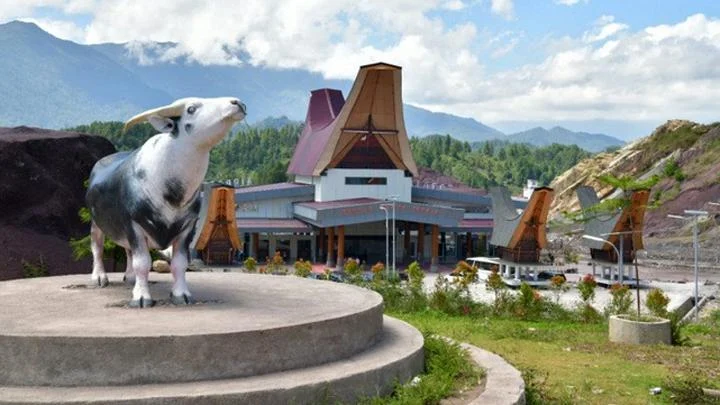
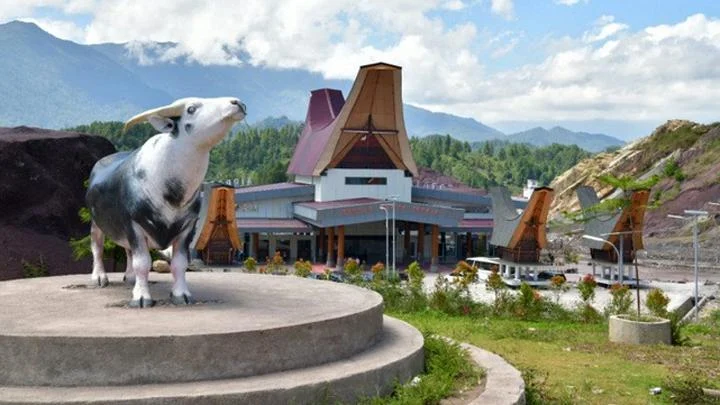
President Joko Widodo officially inaugurated the Toraja Airport, formerly known as Buntu Kunik Airport, in Tana Toraja Regency, South Sulawesi, on Thursday, March 18, 2021. The inauguration, broadcast live via the Presidential Secretariat’s YouTube channel, marks a significant milestone for the region, with President Widodo expressing his hope that the new airport will serve as a catalyst for economic growth, job creation, and the development of new economic centers.
The Toraja Airport project, which commenced construction in 2011 as a replacement for the older Pongtiku Airport in Ratentayo, experienced periods of delay. However, under President Widodo’s administration, construction resumed in 2018, with the first phase completed in mid-2020, funded by the central government. Currently, two airlines, Wings Air and Citilink, operate regular flights connecting Makassar and Toraja, enhancing accessibility to this culturally rich region.
A Decade in the Making: The Journey of Toraja Airport
The vision for an improved airport in Tana Toraja began over a decade ago. Construction on the Toraja Airport (formerly Buntu Kunik Airport) was initially initiated in 2011. The project aimed to replace the aging Pongtiku Airport, which had limitations in serving the growing needs of the region. The initial construction phase, however, encountered significant challenges, leading to delays.
A critical turning point came in 2018 when the central government, under President Joko Widodo’s leadership, recommitted to the project. This renewed focus led to the continuation and acceleration of construction. The first phase of development was successfully completed by mid-2020, laying the groundwork for the airport’s operational readiness. The total land area allocated for Toraja Airport is an expansive 141 hectares, underscoring the scale of the investment and future potential.
Infrastructure and Capacity: Laying the Foundation for Growth
The initial phase of Toraja Airport’s development focused on establishing a functional runway and essential operational facilities. The runway measures 1,600 meters in length, specifically designed to accommodate ATR-type aircraft, which are commonly used for regional routes. Complementing the runway are an apron measuring 94.5 x 67 meters and a taxiway of 124.5 x 15 meters, facilitating aircraft movement and ground operations.
Looking ahead, the second phase of development is planned to significantly expand the airport’s capabilities. This phase will see the runway extended to 2,000 meters, enabling it to handle larger aircraft such as the Boeing 737. This expansion is crucial for attracting more airlines, increasing flight capacity, and potentially opening up new domestic and even international routes in the future. The terminal building, currently measuring 1,000 square meters, is designed to accommodate up to 150 passengers, providing a comfortable and efficient gateway for travelers.
Transforming the Landscape: Engineering Marvel in a Challenging Terrain
The construction of Toraja Airport is a testament to engineering prowess, particularly given the challenging topography of Tana Toraja. The region is characterized by steep hills and complex geological formations. To create the necessary runway length, a monumental undertaking involving the excavation and leveling of three hills was required.
Minister of Transportation, Budi Karya Sumadi, highlighted the immense difficulty of the construction due to the steep terrain. The precise figure of three hills being significantly altered to accommodate the 2,000-meter runway underscores the scale of the engineering feat. Further construction activities are planned for 2021 to address and mitigate any remaining obstacles in the vicinity of the runway, ensuring the highest safety standards.
Renaming for Identity: From Buntu Kunik to Toraja Airport
The renaming of the airport from Buntu Kunik to Toraja Airport was a deliberate decision reflecting local identity and aspirations. This change was the result of a consensus reached between the Tana Toraja Regency government and various indigenous leaders representing the 19 sub-districts within Tana Toraja.
Following the local agreement, the proposed name change was formally submitted to the Regional People’s Representative Council (DPRD) for ratification during a plenary session. Subsequently, the proposal was forwarded to the provincial government and then to the Ministry of Transportation for final approval. This process ensured that the renaming was a collaborative effort, deeply rooted in the cultural and administrative fabric of the region.
Economic and Tourism Implications: Unlocking Regional Potential
The inauguration of Toraja Airport is expected to have a profound impact on the local economy and the burgeoning tourism sector. Tana Toraja is renowned for its unique cultural heritage, including traditional architecture, elaborate funeral ceremonies, and stunning natural landscapes, making it a significant tourist destination.
Historically, accessing Tana Toraja has been challenging, often requiring long overland journeys. The new airport significantly reduces travel time, making the region more accessible to both domestic and international tourists. This improved accessibility is anticipated to lead to an increase in tourist arrivals, which in turn will stimulate local businesses, including hotels, restaurants, tour operators, and handicraft vendors.
Furthermore, enhanced connectivity is crucial for the development of new economic opportunities. The ability to transport goods more efficiently could foster the growth of local industries and agriculture. The President’s emphasis on creating new economic centers highlights the government’s strategy to leverage improved infrastructure for broader regional development.
Supporting Data and Context: Understanding the Impact
To further contextualize the significance of Toraja Airport, it is important to consider the broader economic and developmental landscape of South Sulawesi. The province has been a focus of infrastructure development aimed at enhancing connectivity and economic competitiveness within Indonesia.
- Tourism Statistics: While specific pre-airport tourism data for Tana Toraja is not readily available in the provided text, national tourism trends in Indonesia show a consistent upward trajectory in visitor numbers prior to the global pandemic. Improved accessibility is a key driver for tourism growth in remote or less accessible regions. The Indonesian Ministry of Tourism and Creative Economy has consistently identified cultural tourism as a major draw for the archipelago.
- Economic Development Goals: The Indonesian government’s national development plans often prioritize improving infrastructure in less developed regions to reduce disparities and stimulate economic growth. The Toraja Airport aligns with these objectives by enhancing connectivity in a region with significant tourism potential.
- Air Connectivity in Eastern Indonesia: The development of regional airports is a strategic component of Indonesia’s efforts to bridge the vast distances across the archipelago. Eastern Indonesia, in particular, relies heavily on air transport for connectivity, and the Toraja Airport contributes to this network.
Official Reactions and Future Outlook
The inauguration was attended by various government officials, underscoring the national importance placed on the project. Beyond President Widodo’s remarks, the Minister of Transportation’s acknowledgement of the construction challenges further emphasizes the dedication and perseverance involved.
The operationalization of Toraja Airport is not merely about facilitating travel; it is a strategic investment in the future of Tana Toraja and South Sulawesi. The government’s commitment to completing the second phase of runway expansion indicates a long-term vision for the airport’s role in regional development.
Future Implications:
- Increased Investment: Improved connectivity can attract further investment in tourism infrastructure and other business ventures.
- Job Creation: The growth in tourism and related industries is expected to create a substantial number of direct and indirect employment opportunities for the local population.
- Cultural Preservation and Promotion: Enhanced accessibility can also facilitate greater appreciation and understanding of Tana Toraja’s unique cultural heritage, while also posing a challenge to ensure sustainable tourism practices that preserve its integrity.
- Regional Integration: The airport will likely foster closer economic and social ties between Tana Toraja and other regions in South Sulawesi and beyond.
The successful inauguration of Toraja Airport represents a significant step forward for the region. As the airport becomes fully operational and its capacity expands, it is poised to unlock the vast economic and cultural potential of Tana Toraja, transforming it into an even more vibrant and accessible destination on the Indonesian map. The challenges of its construction have been overcome, paving the way for a future of enhanced connectivity and prosperity.