Tata Titiana
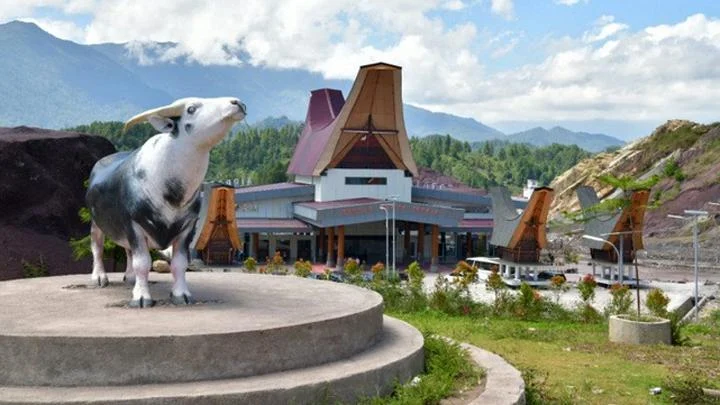
President Joko Widodo officially inaugurated the Toraja Airport, formerly known as Buntu Kunik Airport, in Tana Toraja Regency, South Sulawesi, on Thursday, March 18, 2021. The inauguration marks a significant milestone for the region, with President Widodo expressing optimism that the new airport will serve as a catalyst for economic development, job creation, and the emergence of new economic hubs.
The establishment of Toraja Airport represents the culmination of a long-standing development vision for the area, with construction initially commencing in 2011. The project, intended to replace the older Pongtiku Airport in Ratentayo, experienced periods of stagnation before its revitalization under President Widodo’s administration. Development was re-initiated in 2018, with the central government spearheading Phase I, which was completed by mid-2020. Currently, two airlines, Wings Air and Citilink, operate regular flights connecting Makassar and Toraja, facilitating easier travel and commerce.
A Decade-Long Journey: The Chronology of Toraja Airport
The journey to operationalize Toraja Airport has been a complex and protracted one, spanning over a decade and requiring significant governmental commitment and adaptation to challenging geographical conditions.
- 2011: Initial construction of the airport, then known as Buntu Kunik Airport, commences. The project aims to improve air connectivity to the Tana Toraja region.
- Post-2011: The project faces significant delays and funding challenges, leading to a slowdown in construction progress.
- 2018: Under President Joko Widodo’s administration, the airport’s development is revitalized. Phase I of construction is officially resumed, focusing on critical infrastructure.
- Mid-2020: Phase I of the airport’s construction is completed. This phase includes the initial runway, apron, and taxiway development.
- March 18, 2021: President Joko Widodo presides over the official inauguration ceremony of Toraja Airport. Regular flight operations by Wings Air and Citilink commence shortly thereafter.
- 2021 (Ongoing): Further development is planned for 2021 to address existing obstacles, specifically the removal of a nearby hill to further enhance runway safety and capacity.
Strategic Importance and Infrastructure Development
The strategic importance of Toraja Airport lies in its potential to overcome the geographical isolation of Tana Toraja, a region renowned for its unique cultural heritage and stunning natural landscapes, including the world’s tallest Jesus statue. Previously, reaching Tana Toraja often involved lengthy overland journeys, hindering tourism and economic activities.
The airport’s infrastructure has been meticulously planned and executed to accommodate current and future air traffic needs. The entire airport complex spans an impressive 141 hectares. In its initial phase, the airport features a runway measuring 1,600 meters, designed to accommodate ATR aircraft. This is complemented by an apron of 94.5 x 67 meters and a taxiway measuring 124.5 x 15 meters.
Crucially, the second phase of development will extend the runway to 2,000 meters. This expansion will enable the airport to handle larger aircraft, such as the Boeing 737, significantly increasing its capacity and reach. The terminal building, covering 1,000 square meters, is designed to comfortably accommodate up to 150 passengers, providing essential facilities for travelers.
The engineering feats required to construct the airport are noteworthy. Minister of Transportation Budi Karya Sumadi highlighted the significant challenges posed by Tana Toraja’s steep topography. To create the initial runway, three hills were extensively cut and leveled. The ongoing efforts in 2021 to remove obstacles further underscore the commitment to ensuring the airport’s operational safety and efficiency. This undertaking demonstrates a significant investment in overcoming geographical barriers for the sake of regional development.
Renaming for Regional Identity: From Buntu Kunik to Toraja Airport
The renaming of the airport from Buntu Kunik to Toraja Airport is a testament to the region’s strong cultural identity and the collaborative spirit between local governance and its people. This decision was not unilateral but emerged from a consensus-building process involving the regency government and traditional leaders representing all 19 sub-districts of Tana Toraja.
Following this local agreement, the proposed name change was formally submitted to the Regional People’s Representative Council (DPRD) for deliberation and adoption in a plenary meeting. Subsequently, the recommendation was escalated to the provincial government before finally being presented to the Ministry of Transportation for official approval and gazetting. This multi-tiered approval process reflects a commitment to inclusive decision-making and adherence to administrative protocols.
The chosen name, "Toraja Airport," directly reflects the regency’s identity, aiming to enhance regional pride and provide a more recognizable gateway for both domestic and international visitors. This branding strategy is expected to further bolster tourism by clearly associating the airport with the renowned cultural heritage of the Toraja people.
Economic and Tourism Projections: A Catalyst for Growth
President Widodo’s vision for Toraja Airport extends beyond mere transportation infrastructure; it is intrinsically linked to economic empowerment. The airport is anticipated to stimulate various sectors:
- Tourism: Tana Toraja is a UNESCO World Heritage candidate, known for its unique ancestral rites, traditional houses (Tongkonan), and elaborate burial sites. Improved accessibility is expected to significantly boost tourist arrivals, generating revenue for local businesses, hotels, restaurants, and cultural artisans. The direct flight connectivity will make the region more attractive to both domestic and international tourists who previously faced arduous travel.
- Trade and Commerce: Enhanced connectivity will facilitate the smoother flow of goods and services. Local agricultural products, handicrafts, and other commodities can be more efficiently transported to larger markets, potentially increasing incomes for local producers and fostering new trade opportunities.
- Investment: Improved infrastructure and accessibility can attract domestic and foreign investment in various sectors, including hospitality, agriculture, and infrastructure development, further diversifying the local economy.
- Employment: The direct and indirect economic activities generated by the airport and its associated tourism and trade growth are projected to create a substantial number of new job opportunities for the local population, addressing unemployment and improving livelihoods.
The addition of a modern airport in a region historically reliant on overland transport is a significant step towards integrating Tana Toraja more effectively into the national economic landscape. The investment in such infrastructure signals a commitment from the central government to developing even remote regions, recognizing their potential for growth and contribution to the national economy.
Official Reactions and Future Outlook
The inauguration has been met with widespread optimism from various stakeholders. Local leaders have expressed gratitude for the realization of a long-held aspiration, emphasizing the transformative potential of the airport. The Ministry of Transportation has reiterated its commitment to supporting the operational efficiency of Toraja Airport and potentially expanding its services in the future.
The successful completion and inauguration of Toraja Airport serve as a powerful example of the government’s commitment to improving national connectivity and fostering equitable development across the archipelago. As the airport gears up for increased operations and future expansions, it is poised to become a vital artery for Tana Toraja, unlocking its economic potential and further solidifying its position as a unique cultural and tourist destination in Indonesia. The ongoing efforts to refine the runway and address topographical challenges underscore a commitment to long-term sustainability and safety, ensuring that Toraja Airport will serve its purpose effectively for decades to come.