Azin Asro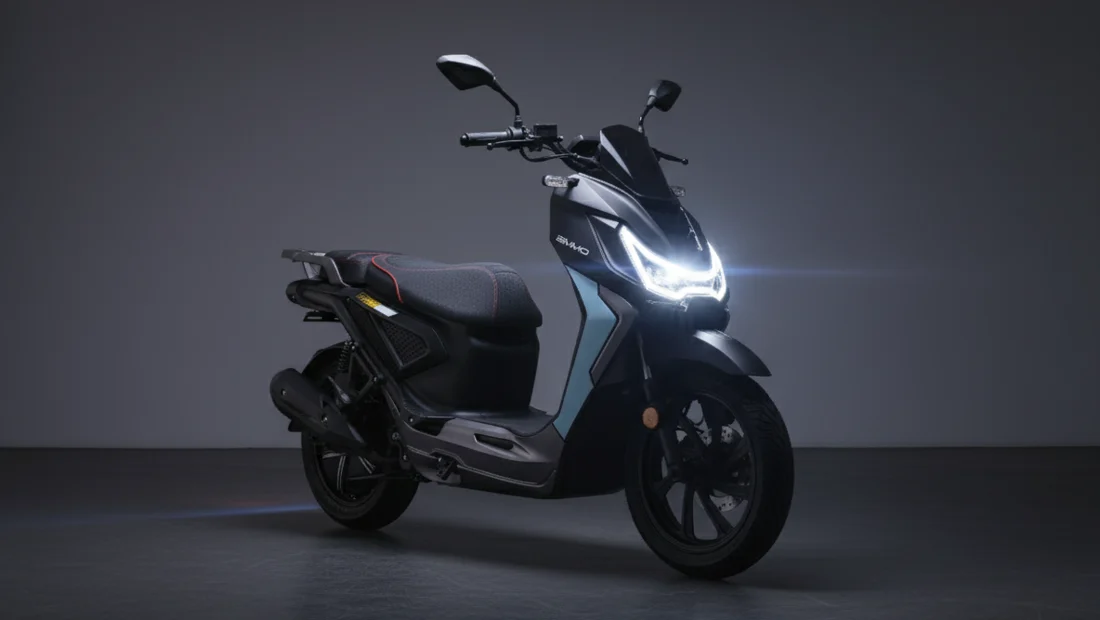
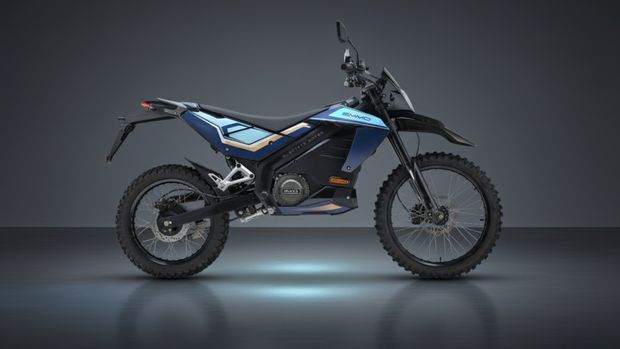
The National Nutrition Agency (Badan Gizi Nasional or BGN) has officially moved forward with the procurement of 25,000 electric motorcycles to support the operational logistics of the Free Nutritious Meal (Makan Bergizi Gratis or MBG) program. This massive acquisition aims to facilitate the distribution of meals to millions of beneficiaries across Indonesia, marking a significant step in the government’s dual commitment to improving public health and accelerating the transition toward green energy. However, the choice of specific vehicle models—the Emmo JVX GT and the Emmo JVH Max—has sparked intense discussion among automotive experts and public policy observers regarding their technical capabilities and the efficiency of the state budget allocation.
The Free Nutritious Meal program is a cornerstone initiative of the current administration, designed to combat stunting and improve the nutritional intake of students, toddlers, and pregnant women. To ensure the program’s success, a robust and reliable logistics network is essential, particularly for the "last-mile" delivery of fresh meals from central kitchens to schools and community centers. The decision to utilize electric vehicles (EVs) aligns with Presidential Instruction No. 7 of 2022, which mandates the use of battery-powered electric vehicles as operational vehicles for government agencies.
Technical Specifications and Operational Concerns
Data retrieved from the official Emmo website indicates that the two models selected for the BGN fleet possess similar battery architectures despite their different aesthetic designs. The Emmo JVX GT is equipped with a 72V 31Ah battery, while the JVH Max features a 72V 30Ah battery. Both models are marketed with a maximum range of 70 kilometers on a single charge and a top speed of approximately 80 kilometers per hour.
Automotive analysts have raised concerns that these specifications may be insufficient for the demanding nature of daily operational duties. In real-world scenarios, particularly when carrying heavy loads of food containers or navigating varied urban and rural terrains, the actual mileage of an electric vehicle often falls significantly short of manufacturer claims. A claimed range of 70 kilometers could potentially drop to 40 or 50 kilometers under heavy usage, necessitating frequent recharging cycles throughout the day. This could lead to logistical bottlenecks, as the time required for a full charge—often ranging from four to six hours for standard lithium-ion or lead-acid batteries—might exceed the window of time available between meal delivery shifts.
Furthermore, the price points of the Emmo models have drawn scrutiny. The JVH Max is reportedly priced at approximately Rp 48 million, while the JVX GT reaches as high as Rp 56 million. When compared to other electric motorcycles available in the Indonesian market, these figures appear steep relative to their performance metrics. For instance, the Alva Cervo X, priced at approximately Rp 44 million, offers a superior range of 125 kilometers and a top speed of 103 km/h. Similarly, the Polytron FOX 500, which retails for around Rp 38 million, provides a range of 130 kilometers and a top speed of 130 km/h. The discrepancy between the cost of the Emmo units and their technical output has led to questions regarding the criteria used in the procurement selection process.
Chronology of Procurement and Official Clarification
The procurement process became a subject of public interest following conflicting reports regarding the volume of vehicles being purchased. Initial rumors suggested that the National Nutrition Agency was planning to acquire up to 70,000 units. However, Dadan Hindayana, the Head of the National Nutrition Agency, recently stepped forward to provide a definitive clarification to the media and the public.

Speaking from the BGN headquarters, Hindayana emphasized that the 70,000-unit figure was inaccurate. He clarified that the total order for 2025 stands at 25,000 units. As of the current reporting period, the agency has realized the procurement of 21,801 units, with the remaining units expected to be delivered in subsequent phases. This fleet is intended to be distributed to Service Units (Satuan Pelayanan) across various regions, categorized into Territory I, II, and III, to ensure nationwide coverage of the MBG program.
The procurement was conducted through the "e-purchasing" method via the Inaproc system, managed by the National Public Procurement Agency (LKPP). This method is designed to ensure transparency and speed in the acquisition of goods and services for the government. According to data found in the General Procurement Plan Information System (SiRUP), there are two major budget packages related to the procurement of two-wheeled vehicles for the MBG program. Each package is valued at approximately Rp 1.22 trillion, funded by the State Budget (APBN).
The first package is titled "Procurement of Two-Wheeled Vehicles for SPPI (Service Units) in Territory I, Territory II, and Territory III." The second package is titled "Procurement of Two-Wheeled Vehicles for SPPI in All Regions of Indonesia." If these two packages are combined, the total budget allocation for the fleet could potentially reach Rp 2.44 trillion, though it remains unclear if these packages overlap or represent different stages of the rollout.
Logistical Requirements of the Free Nutritious Meal Program
The scale of the MBG program is unprecedented in Indonesia’s history. To serve millions of portions of food daily, the BGN must manage a complex supply chain involving local farmers, central kitchens, and distribution personnel. The electric motorcycles are intended to be the primary mode of transport for "couriers of nutrition" who will deliver meals to remote and densely populated areas where larger vehicles cannot easily pass.
Given the importance of food safety and hygiene, the vehicles must be capable of carrying specialized insulated containers to maintain the temperature and quality of the meals. The added weight of these containers, combined with the weight of the rider, puts additional strain on the vehicle’s motor and battery. Critics argue that for a mission-critical operation like this, the agency should have prioritized vehicles with higher torque and longer battery life to minimize downtime and maximize the number of delivery runs per day.
Accountability and Public Response
The procurement of 25,000 electric motorcycles represents a massive investment of taxpayer money. While the move to EVs is praised as an environmentally conscious decision, the choice of models has led to calls for greater transparency regarding the "Value for Money" (VfM) assessment. In government procurement, VfM is not just about the lowest price, but the best balance of quality, performance, and long-term maintenance costs.
Several stakeholders, including members of the House of Representatives (DPR) and anti-corruption watchdogs, have signaled their intent to monitor the implementation of this procurement. They emphasize that the BGN must be able to justify why models with lower specifications and higher price tags were chosen over more competitive domestic or international alternatives. One factor that often influences such decisions is the Domestic Component Level (TKDN). The Indonesian government provides incentives and preferences for products with high TKDN scores. If the Emmo models possess a significantly higher local content percentage than their competitors, this could be a primary reason for their selection, despite the performance gap.
Furthermore, the BGN has recently collaborated with the Attorney General’s Office (Kejaksaan Agung) to ensure that the implementation of the MBG program, including its procurement processes, remains transparent and accountable. On Tuesday, March 17, 2026, Dadan Hindayana met with officials from the Attorney General’s Office to establish a framework for legal supervision. This move is seen as a proactive step to prevent mismanagement and to ensure that every rupiah spent contributes directly to the program’s goal of improving national nutrition.
Broader Economic and Environmental Impact
Beyond the immediate nutritional goals, the procurement of 21,801 to 25,000 electric motorcycles is expected to provide a significant boost to the local EV industry. By acting as a "first mover" on such a large scale, the government is creating a guaranteed market for EV manufacturers, which can encourage further investment in local assembly plants and battery technology.
From an environmental perspective, replacing 25,000 internal combustion engine (ICE) motorcycles with electric alternatives will lead to a substantial reduction in carbon emissions. The BGN estimates that this fleet will prevent thousands of tons of CO2 from entering the atmosphere annually, contributing to Indonesia’s Net Zero Emission goals. However, the success of this environmental mission depends on the longevity of the vehicles. If the batteries degrade quickly due to the high-intensity nature of the work, the environmental cost of disposing of thousands of specialized batteries could offset some of the initial gains.
Conclusion and Future Outlook
As the National Nutrition Agency prepares to launch the full-scale Free Nutritious Meal program, the 25,000 electric motorcycles will serve as the visible face of the initiative on the streets of Indonesia. While the technical debate over the Emmo JVX GT and JVH Max continues, the focus of the BGN remains on the successful delivery of meals to the nation’s children.
The coming months will serve as a critical testing period for these vehicles. The performance of the fleet in diverse conditions—from the humid streets of Jakarta to the hilly terrains of rural Java and Sumatra—will determine whether the procurement was a sound operational investment or a lesson in the challenges of rapid EV adoption. For now, the agency must ensure that the supporting infrastructure, such as charging stations at each Service Unit, is ready to keep the "nutritional fleet" moving.
The public will undoubtedly continue to watch the progress of the MBG program closely. With a multi-trillion rupiah budget and the health of the next generation at stake, the National Nutrition Agency faces the monumental task of proving that its logistical choices are as robust as its nutritional goals. The integration of technology, green energy, and social welfare in this program represents a bold vision for Indonesia’s future, provided that transparency and efficiency remain at the heart of its execution.