Tata Titiana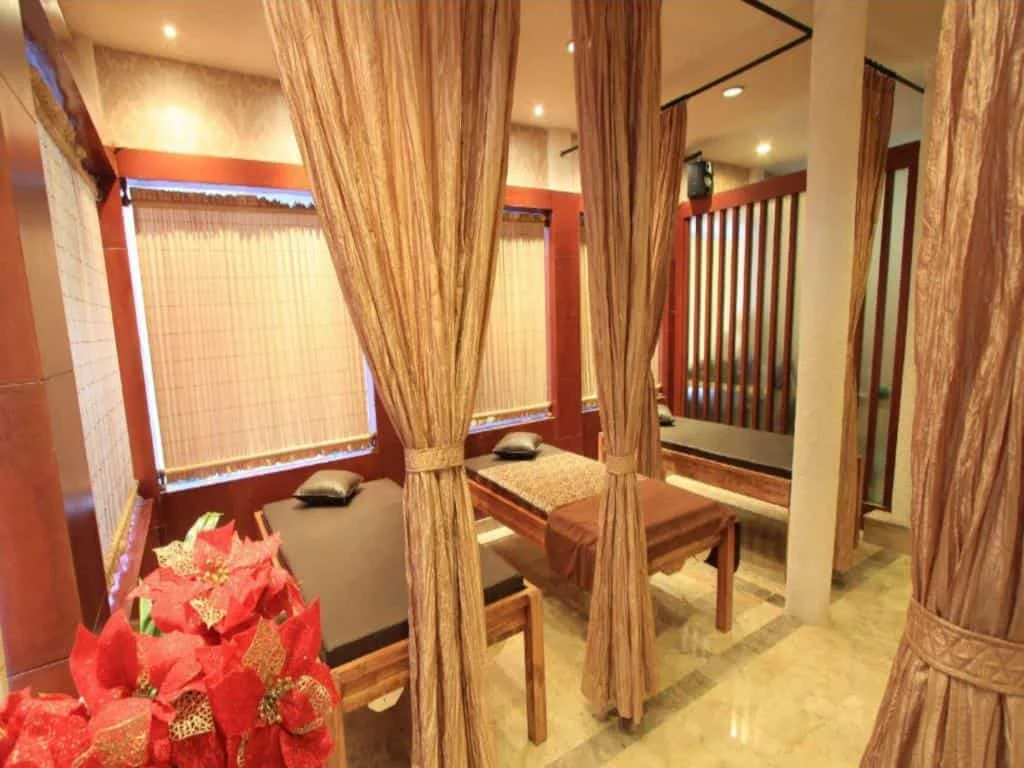
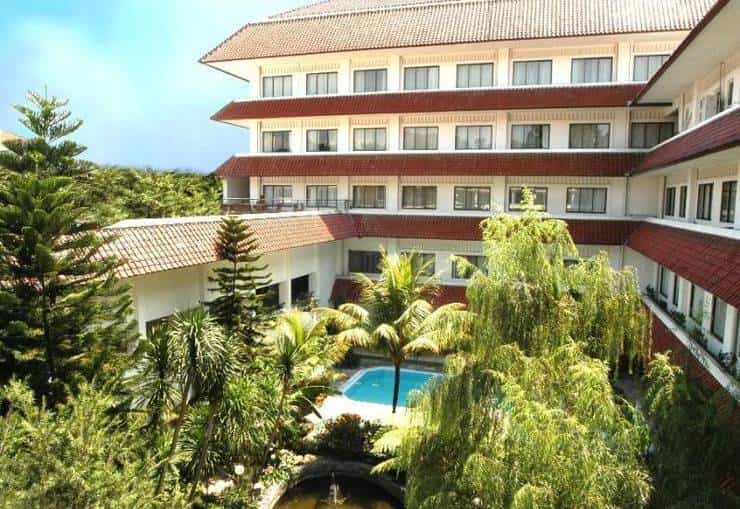
Hotel Salak The Heritage, a distinguished four-star accommodation located at Jalan Ir. H. Juanda Nomor 8 in Bogor, stands as a testament to Indonesia’s rich and complex past, particularly its colonial era. More than just a place to stay, the hotel is a living monument, its architecture a proud echo of Dutch colonial design, a direct consequence of its origins dating back to the Dutch East Indies period. This venerable establishment has witnessed the ebb and flow of Indonesian history, from its inception as a strategic outpost for colonial officials to its transformation into a modern hospitality icon.
A Strategic Location Steeped in History
Nestled amidst the cool, verdant highlands of Bogor, Hotel Salak The Heritage boasts a remarkably strategic location. Its proximity to the region’s natural splendor is complemented by its closeness to significant historical and cultural landmarks. Just a stone’s throw away lies the Taman Nasional Halimun Salak, a vital ecological sanctuary, at a mere 520 meters. The iconic Istana Bogor, a former royal palace, is a short 550-meter stroll, followed by the Museum Zoologi at 630 meters, and the renowned Kebun Raya Bogor (Bogor Botanical Gardens) at 710 meters. This prime positioning offers guests not only the tranquility of Bogor’s mountainous embrace but also unparalleled access to the city’s most celebrated attractions.
The Genesis of a Colonial Landmark: From Bellevue-Dibbets to Hotel Salak
The hotel’s distinctively aged, classic Dutch architectural style is not an aesthetic choice but a historical imperative. Hotel Salak The Heritage first opened its doors in 1856, bearing the name Bellevue-Dibbets Hotel. It was the brainchild of Governor-General Charles Ferdinand Pahud, a prominent figure during the Dutch colonial administration. Initially, its purpose was to serve as a luxurious accommodation for high-ranking officials of the Dutch East India Company (VOC) who frequented Bogor, then known as Buitenzorg, a favored retreat from the sweltering heat of Batavia (now Jakarta). The very foundations of the hotel are imbued with the administrative and social dynamics of a bygone era.
The strategic importance of Bogor during the colonial period cannot be overstated. As the seat of the Governor-General, it was a center of power and administration. The establishment of an establishment like Bellevue-Dibbets Hotel underscored the desire of the colonial elite to replicate the comforts and social norms of their homeland, even in the tropical periphery. The architectural style, characterized by grand facades, high ceilings, and spacious interiors, was designed to evoke a sense of European grandeur while also adapting to the local climate with features like large verandas and ventilation systems.
A Timeline of Transformation: From Japanese Occupation to Indonesian Independence
The hotel’s historical narrative took a significant turn with the Japanese invasion of the Dutch East Indies during World War II. As the colonial administration crumbled, Bellevue-Dibbets Hotel was commandeered by the Japanese forces and repurposed as a military headquarters. This period marked a dramatic shift in the hotel’s function, from a symbol of Dutch colonial luxury to a strategic asset in the war effort. The scars of this period, though perhaps not overtly visible in the current facade, are etched into the hotel’s historical memory.
Following Indonesia’s declaration of independence and the subsequent departure of foreign powers, the hotel underwent another transformation. It transitioned from military use to civilian ownership, undergoing a name change to Hotel Salak. This rebranding signified its integration into the newly formed Indonesian nation, shedding its colonial identity while retaining its historical architectural framework. The change in ownership and name also marked the beginning of its evolution into a modern hospitality establishment catering to a broader range of clientele.
A Legacy of Service: The White House Connection
Hotel Salak The Heritage is not merely a historical artifact; it is also a recipient of international recognition for its service excellence. A remarkable testament to its high standards occurred in 2006 when the hotel received a Certificate of Appreciation from the White House Communications Agency. This distinguished honor was bestowed upon the hotel for providing exceptional service during the state visit of then-United States President George W. Bush to Indonesia. Such an accolade underscores the hotel’s ability to consistently deliver world-class hospitality, transcending its historical roots to meet the demands of contemporary global leaders. This incident highlights the enduring quality of its management and staff, proving that heritage hotels can indeed compete with modern establishments in terms of service and guest satisfaction.
Accommodations and Amenities: A Blend of Heritage and Modern Comfort
Today, Hotel Salak The Heritage stands as a four-star establishment offering 140 well-appointed rooms and 16 versatile meeting rooms. Each room is designed to provide guests with a comfortable and luxurious experience, equipped with contemporary amenities that blend seamlessly with the hotel’s historical ambiance. Guests can expect comprehensive facilities that cater to both leisure and business needs.
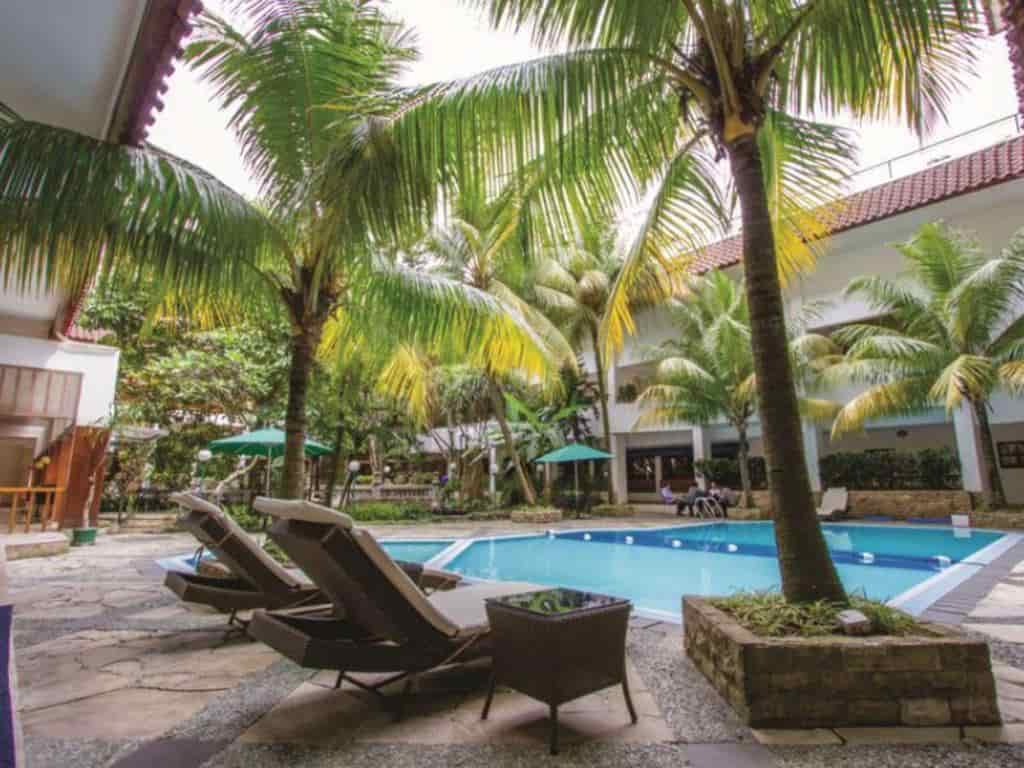
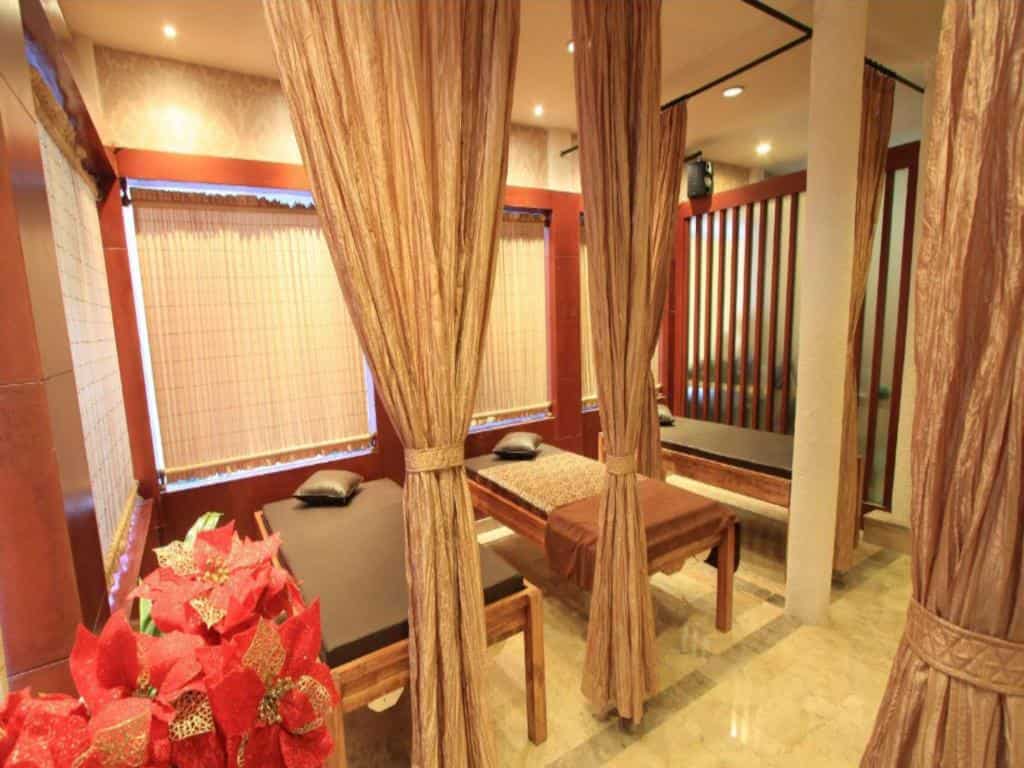
The hotel boasts a wide array of recreational facilities designed to enhance the guest experience. These include a well-equipped fitness center for those seeking to maintain their workout routines, a rejuvenating spa for relaxation and wellness, and a refreshing swimming pool. For guests seeking intellectual or social engagement, a library and karaoke facilities are available, alongside a billiards room for leisurely pursuits.
Culinary experiences are equally diverse, with a bar, a restaurant, and a coffee shop offering a range of dining options to suit various palates. Recognizing the needs of travelers, the hotel also provides an airport shuttle service, albeit with an additional charge, ensuring convenient transportation for out-of-town visitors. In line with modern expectations, the entire hotel is equipped with WiFi access, keeping guests connected throughout their stay. The hotel operates on a 24-hour check-in system, offering flexibility and convenience for all guests.
The Enduring Charm of Dutch Colonial Architecture
The architectural grandeur of Hotel Salak The Heritage is a primary draw for many visitors. The design elements are intrinsically Dutch, a characteristic that has been meticulously preserved over the decades. This style typically features:
- Symmetry and Proportion: Dutch colonial architecture often emphasizes balance and order in its design, with facades that are pleasingly symmetrical.
- High Ceilings and Large Windows: To combat the tropical heat, buildings were designed with high ceilings to allow for better air circulation. Large windows, often with louvers, facilitated natural light and ventilation.
- Verandas and Balconies: Extensive verandas and balconies were integral to colonial homes and public buildings, providing shaded outdoor spaces for relaxation and social gatherings.
- Solid Construction: The use of robust materials, often including thick stone walls, provided insulation and durability, contributing to the longevity of these structures.
- Decorative Elements: While functional, these buildings often incorporated subtle decorative elements, such as intricate carvings, wrought-iron details, and classic rooflines, reflecting European architectural trends of the time.
The preservation of these architectural features at Hotel Salak The Heritage allows guests to step back in time, experiencing a tangible connection to Indonesia’s colonial past. It offers a unique juxtaposition of historical ambiance with the conveniences of modern luxury.
Bogor’s Strategic Importance: A Historical Perspective
Bogor’s significance as a hub during the colonial era stemmed from several factors. Its elevation provided a cooler climate, making it an ideal administrative and residential center for Dutch officials seeking respite from the heat and humidity of coastal Batavia. The city’s natural beauty and fertile land also contributed to its appeal. Furthermore, its strategic location allowed for effective governance and control over the surrounding territories.
The establishment of institutions like the Bogor Botanical Gardens, which began as a private garden for the Governor-General in 1817, further cemented Bogor’s importance as a center for scientific research and leisure for the colonial elite. The presence of the Palace further amplified its status as a seat of power. Hotels like Bellevue-Dibbets were essential components of this colonial infrastructure, serving the needs of visiting dignitaries, military personnel, and wealthy merchants.
The Hotel’s Name Evolution: A Reflection of National Identity
The series of name changes – from Bellevue-Dibbets Hotel to Hotel Salak, and now Hotel Salak The Heritage – reflects the evolving national identity of Indonesia. The initial colonial name clearly indicated its foreign ownership and purpose. The transition to Hotel Salak symbolized a reclaiming of the property by the Indonesian people. The addition of "The Heritage" in its current name serves to highlight and celebrate its historical significance, positioning it as a valuable cultural asset rather than just a commercial establishment. This naming strategy acknowledges its past while embracing its present role in the Indonesian tourism landscape.
Economic and Tourism Implications
As a four-star heritage hotel, Hotel Salak The Heritage plays a crucial role in Bogor’s tourism sector. It attracts a diverse range of travelers, from history enthusiasts and cultural tourists to business professionals and families seeking a unique lodging experience. The hotel’s ability to offer a distinct blend of historical charm and modern comfort positions it as a competitive player in the hospitality market.
The presence of such historical accommodations can significantly boost local economies. They not only provide employment opportunities but also drive demand for local services, from transportation and dining to souvenir shopping. Furthermore, heritage hotels often become focal points for cultural tourism, encouraging visitors to explore the surrounding historical sites and learn more about the region’s past. The hotel’s proximity to major tourist attractions further amplifies its economic contribution to Bogor.
Looking Ahead: Preserving History for Future Generations
The continued success of Hotel Salak The Heritage hinges on its ability to balance the preservation of its historical integrity with the demands of modern hospitality. Maintaining the architectural authenticity while upgrading facilities to meet contemporary standards requires careful planning and investment.
The hotel’s story is a microcosm of Indonesia’s journey – a nation that has navigated colonial rule, achieved independence, and is now forging its own path, proudly acknowledging its multifaceted history. Hotel Salak The Heritage stands as a silent witness and an active participant in this ongoing narrative, offering a unique window into the past for every guest who walks through its historic doors. Its enduring charm and commitment to service ensure its place not just as a hotel, but as a vital repository of Indonesian heritage.